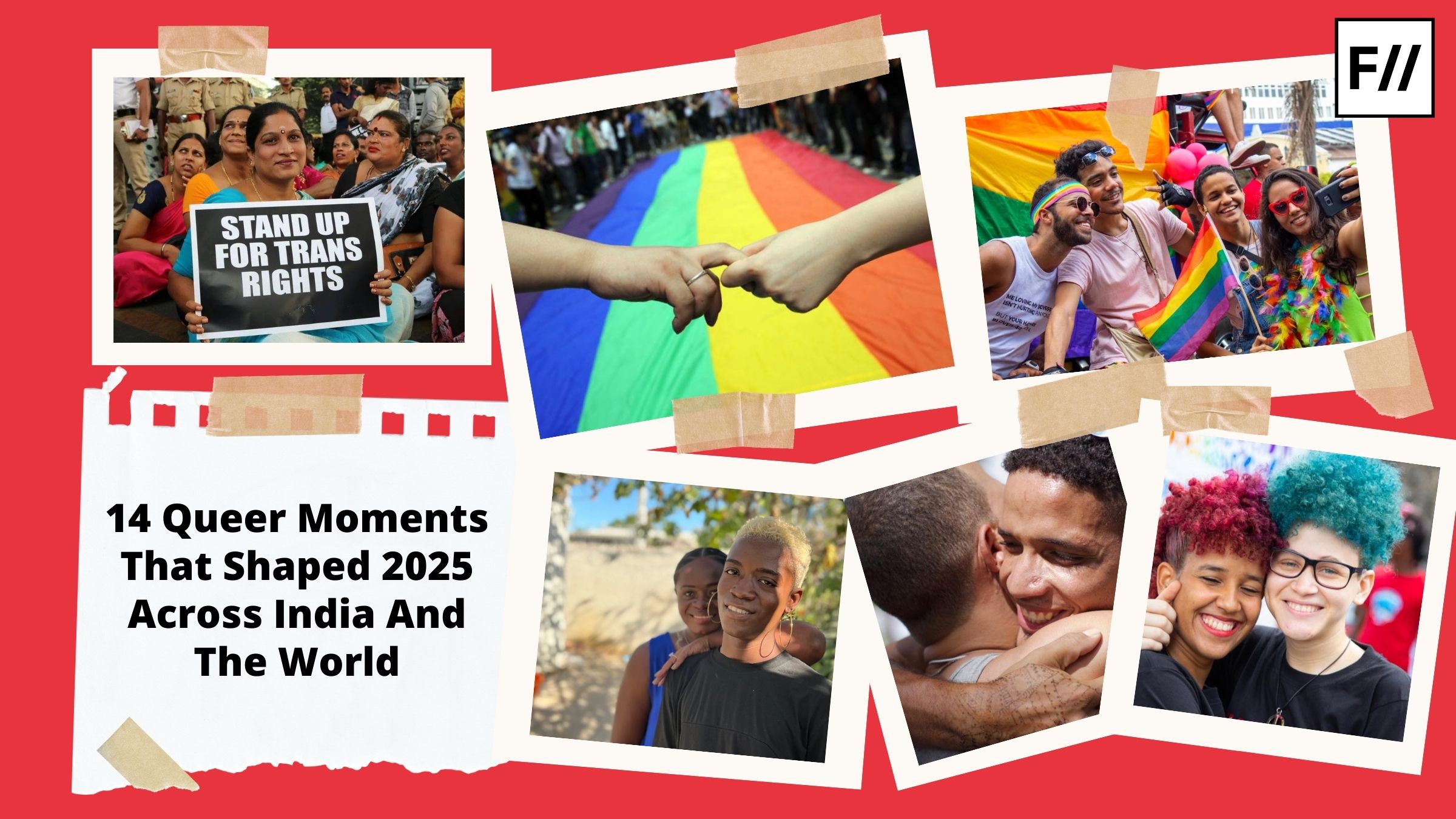
This year refused to be simple. It handed queer communities across the globe a paradox: governments tightening their grip on one end, while on the other, LGBTQ+ people pushed back harder, louder, and more visibly than ever. There were no clean victories. No sweeping defeats. Just the raw, ongoing fight for something that should never have been up for debate, i.e., the right to exist freely, safely, and fully as ourselves.
What defined 2025 wasn’t progress or backlash alone. It was the collision between the two. The refusal to disappear. The insistence on joy even in hostile spaces. The quiet and not-so-quiet acts of resistance that reminded the world: we’re still here, and we’re not going anywhere.
Here are 14 moments that shaped queer life in 2025. The policies that tried to erase us, the people who refused to let that happen, and everything in between made this year impossible to ignore.
1. Madras High Court Recognizes Same-Sex Couples as Families

In May 2025, the Madras High Court did something the law rarely does: it recognized that same-sex couples living together makes it a family, irrespective of marital status. This wasn’t just progressive legal language; it was one of India’s most significant queer-rights wins of the year. The ruling validated what queer people have always built: domestic partnerships, caregiving, emotional labor, and chosen family. It doesn’t grant marriage rights, but it opens legal pathways for healthcare decisions, housing protections, inheritance claims, and domestic recognition. For a community that’s spent generations building lives the state refused to see, this judgment finally said, ‘We see you.’
2. Supreme Court Refuses to Reconsider Same-Sex Marriage

In January 2025, the Supreme Court of India declined to review its 2023 ruling that denied marriage equality insisting once again that Parliament, not the judiciary, gets to decide. For activists who’d invested hope in those earlier hearings, the refusal stung. But it also clarified something crucial: the courts weren’t going to save us. This wasn’t just a legal disappointment; it was a wake-up call. Queer rights in India are, and have always been, deeply political. The fight won’t be won in courtrooms alone. It will require sustained pressure on lawmakers, public mobilisation, and the long, unglamorous work of legislative change. The Supreme Court drew the line. Now the real battle begins.
3. Madras High Court Installs Gender-Neutral Toilets
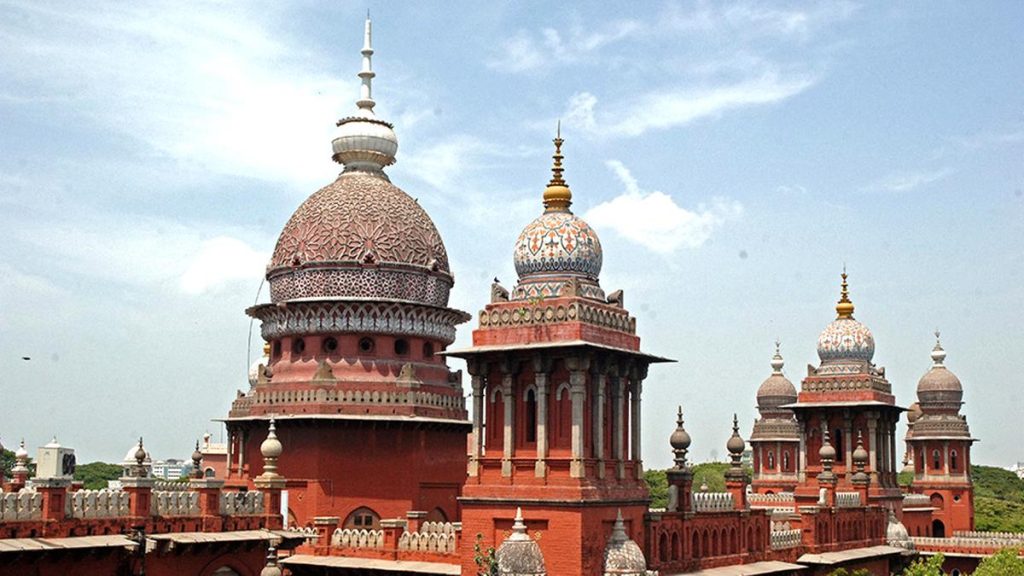
In a move that went beyond rhetoric, the Madras High Court installed gender-neutral toilets in its premises, a rare case of a judicial institution actually practising what it preaches. This wasn’t symbolic gesturing. It was infrastructure. It addressed the everyday violence of exclusion: unsafe public spaces, restricted access to basic sanitation, and the constant policing of who belongs where. When institutions change their physical spaces, they change who gets to move through them safely. The Madras High Court didn’t just rule in favour of inclusion; it built it.
4. Trans Women Legally Recognised as Women by Andhra Court
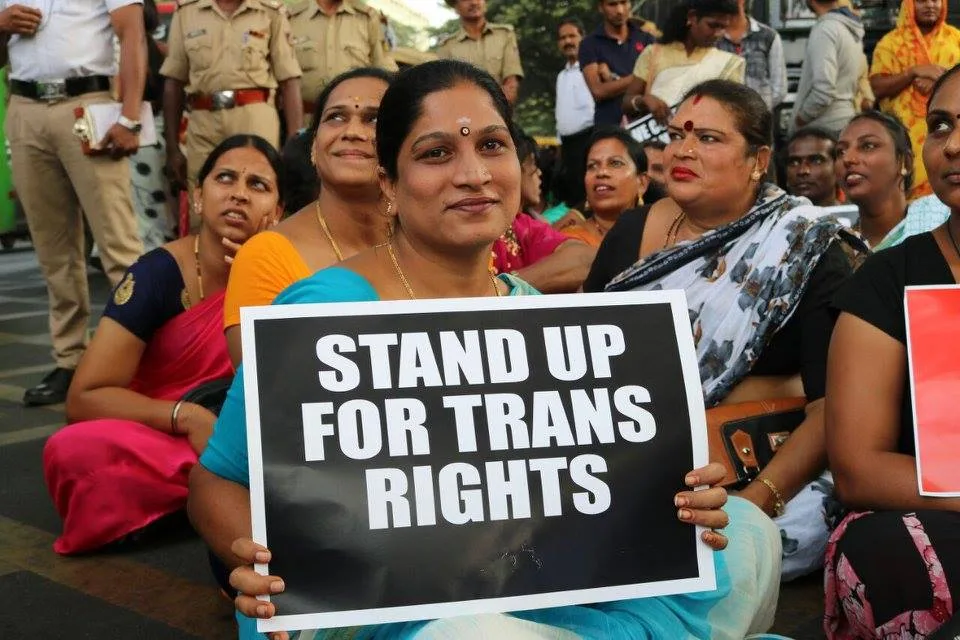
In a significant Indian judgment, the Andhra Pradesh High Court held that trans women are recognised as women, entitling them to protections under laws addressing gender-based violence and discrimination. The ruling rejects biological essentialism and expands the scope of gender-protective legislation, setting an important precedent amid escalating global challenges to trans rights.
5. Eastern Caribbean Court Strikes Down Saint Lucia’s Anti-Gay Laws
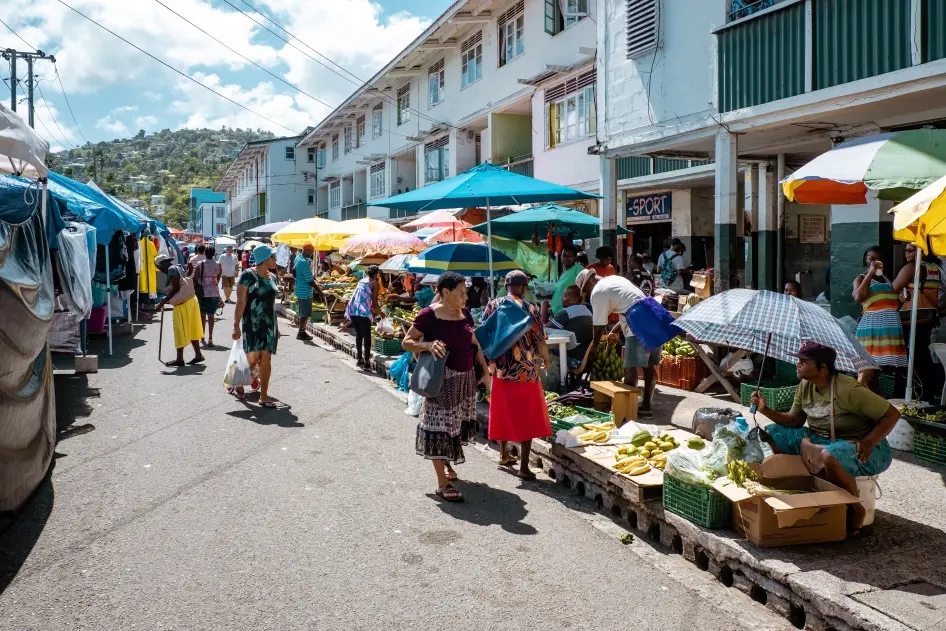
In July 2025, the Saint Lucia High Court struck down colonial-era rules criminalising consensual same-sex intimacy, another crack in the British-imposed morality that still haunts the Caribbean. But this wasn’t just about erasing outdated text from the books. These laws enabled state violence, deepened stigma, blocked healthcare access, and left queer people vulnerable to extortion and abuse for generations. The court didn’t celebrate decriminalization as the finish line. It named it for what it is: the bare minimum foundation for dignity. Saint Lucia joined a slow but steady regional reckoning, one that’s long overdue and still far from over.
6. Dominican Republic Lifts Ban on LGBTQ Military Officers
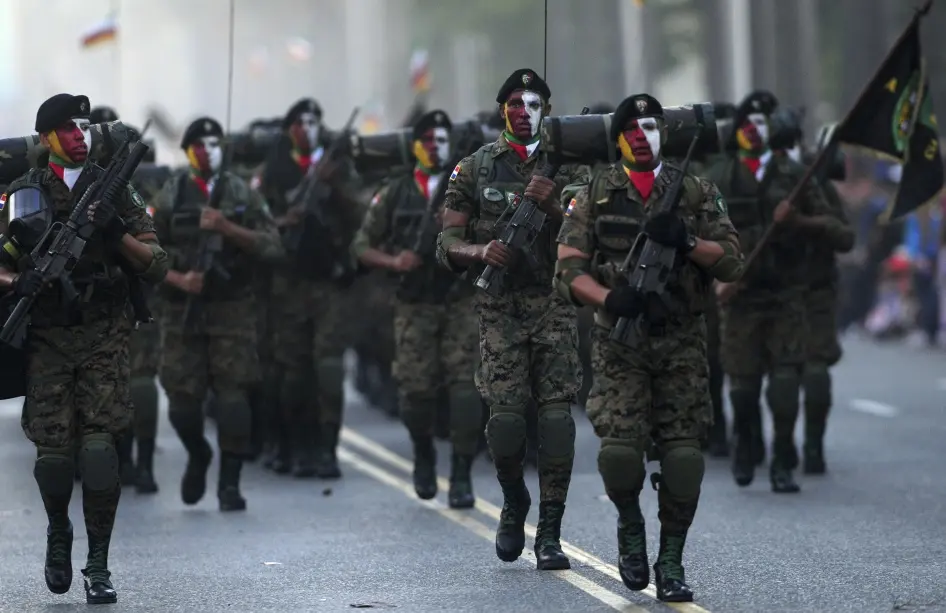
In 2025, the Dominican Republic’s Constitutional Court annulled provisions penalising consensual same-sex relations among police and military personnel, ending a regime that selectively punished queer officers while leaving heterosexual conduct untouched. The decision embeds principles of equality, privacy, and dignity within state security institutions, demonstrating that substantive rights expansion can occur through structural legal reform even where same-sex marriage remains unrecognised.
7. Colombia Implements LGBTQ Rights Policy
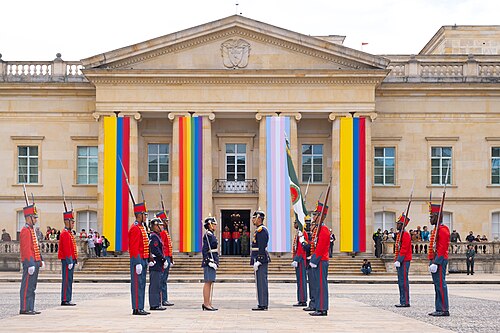
In 2025, Colombia adopted the CONPES 4147 LGBTIQ+ Policy, a nationwide framework to guarantee LGBTQI+ rights across 16 ministries and 49 state agencies through long-term, actionable measures. By integrating equality protections into healthcare, education, employment, and public services, the policy moves beyond symbolic recognition and illustrates how queer rights can be institutionalised through systemic, intersectional governance focused on everyday lived realities.
8. South Korea Makes No Progress on LGBTQ Laws
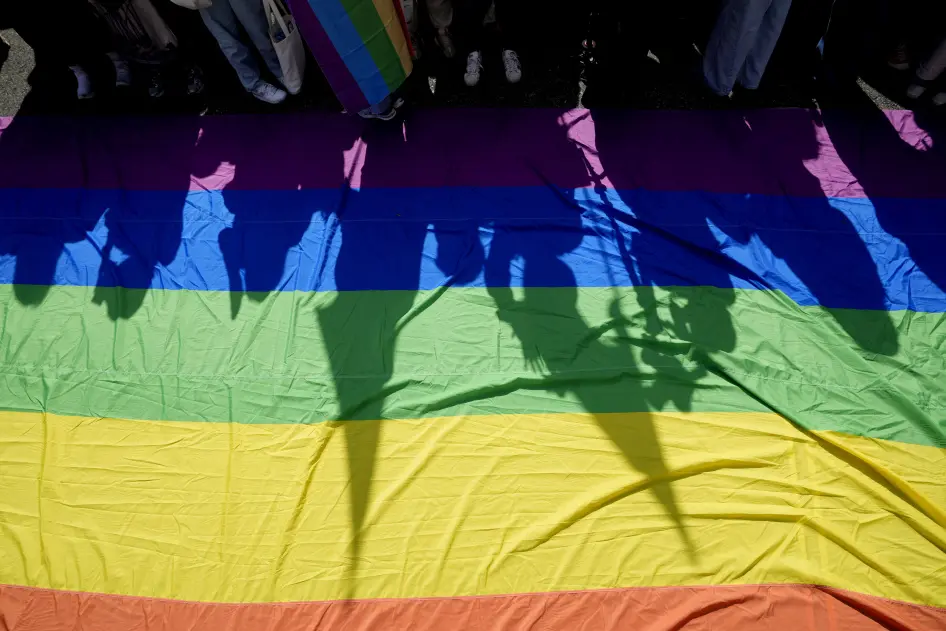
In 2025, South Korea made a symbolic step by allowing same-sex couples to be counted in the national census, granting official visibility without extending substantive legal rights. Despite increased visibility, the absence of comprehensive anti-discrimination laws and the continued denial of family and partnership rights leave entrenched vulnerabilities intact, underscoring how symbolic acknowledgement can coexist with persistent structural exclusion.
9. Ipsos Survey Reveals Drop in LGBTQ Support
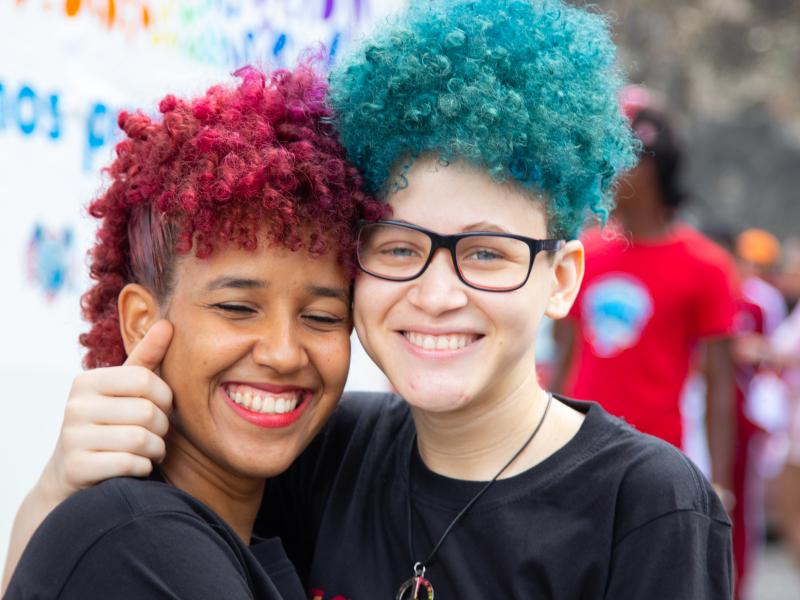
The 2025 Ipsos Pride Survey revealed a troubling gap: people broadly support anti-discrimination principles, but that support crumbles on specifics, such as trans inclusion in sports and Pride visibility in corporate spaces. The findings expose how fragile social acceptance really is, eroded by backlash, misinformation, and political rhetoric. There’s a persistent divide between abstract endorsement of LGBTQ rights and willingness to defend them in practice. It’s a reminder that public support isn’t stable. It requires sustained engagement, nuance, and the hard work of turning principles into action.
10. Caribbean Nations Urged to Align LGBTQ Rights with Health Policy
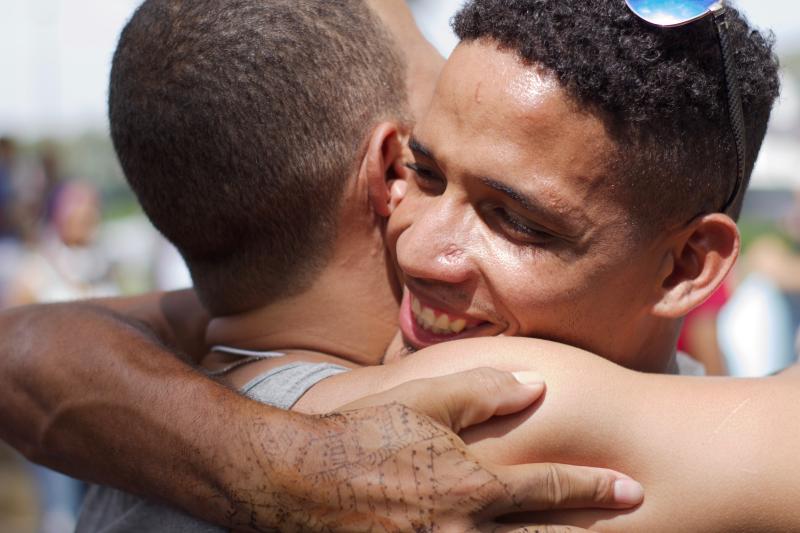
In 2025, advocacy organizations across Jamaica, Belize, and Trinidad pressed governments to integrate LGBTQ legal protections with HIV prevention and care strategies, arguing that criminalisation undermines testing, treatment, and outreach. Although comprehensive reform remains incomplete, the campaigns underscore how legal equality and public health are structurally linked, demonstrating that queer rights advancement is central to reducing stigma and improving health outcomes for marginalized communities.
11. Trans Rights Under Attack Across Europe in 2025
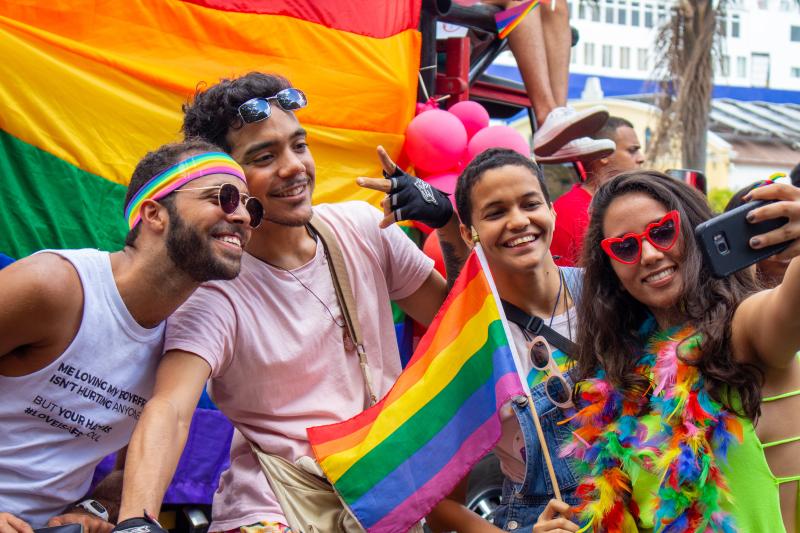
United Kingdom developments in 2025 epitomised a wider European regression, as a major ruling narrowed the legal definition of “woman” under equality law to exclude trans women. Situated within a broader surge of anti-trans politics across Europe, the decision institutionalised exclusion, constrained access to public services, and underscored how precarious trans rights remain even in jurisdictions long regarded as human-rights leaders.
12. Queer Rights Under Threat Globally, ILGA Finds
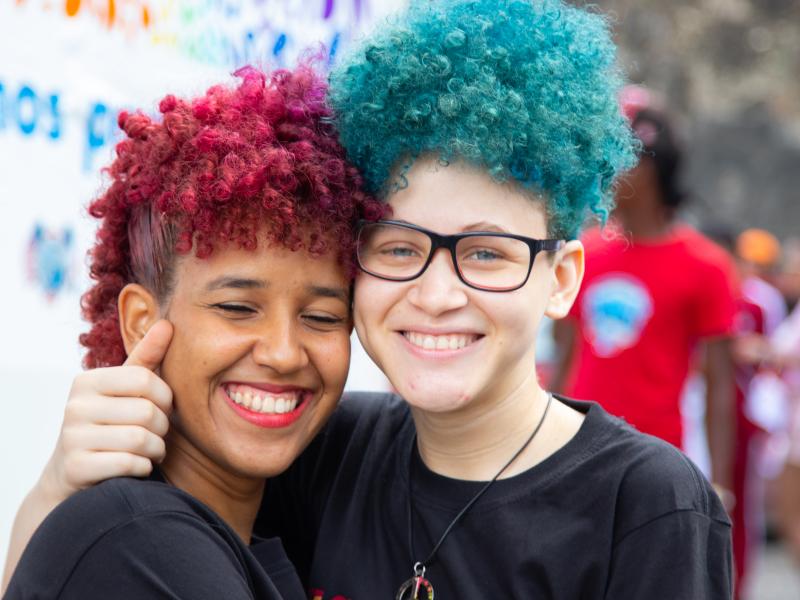
ILGA World’s 2025 global data and maps revealed a sobering reality: despite some legal victories, queer people continue to face criminalisation, extreme violence, state censorship, and institutional hostility. By charting advances alongside reversals across regions, the report underscores the fragmented nature of LGBTQ rights worldwide and functions both as a record of ongoing struggle and a prompt for renewed international solidarity.
13. Burkina Faso Criminalises Same-Sex Relations
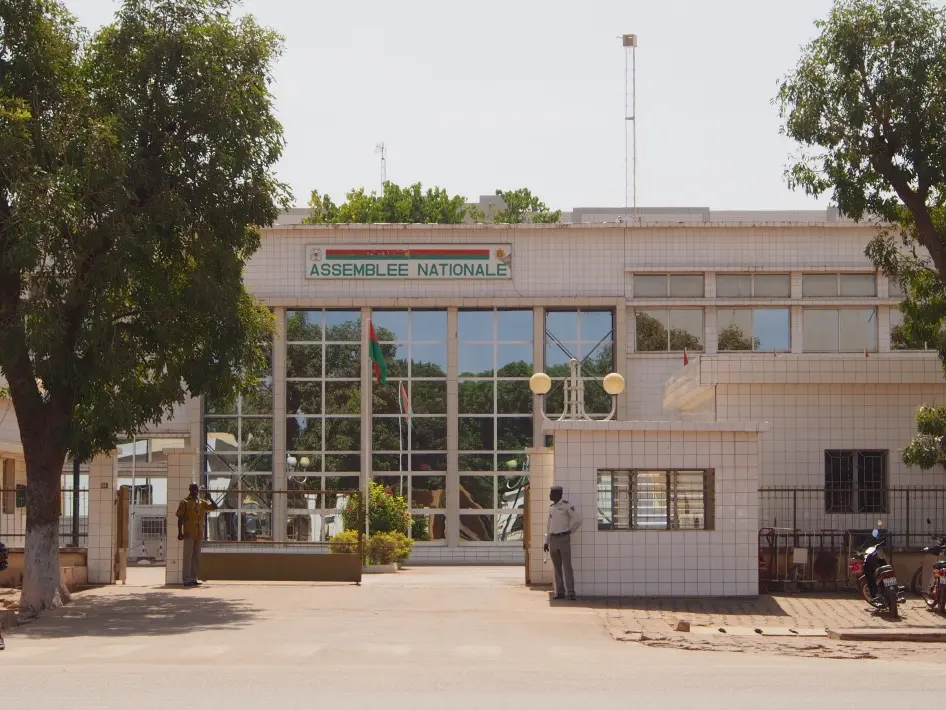
In September 2025, Burkina Faso’s transitional parliament passed a law criminalising consensual same-sex intimacy, imposing multi-year prison terms and banning any perceived “promotion” of homosexuality, thereby curbing advocacy and public expression. The measure marks a sharp legal reversal in a country that had not previously codified such prohibitions, prompting human rights organisations to warn that the law institutionalises stigma, enables discrimination, and places LGBTQ people at heightened risk, illustrating how rapidly legal backsliding can dismantle existing protections.
14. U.S. Ends Prison Protections for LGBTQ Inmates
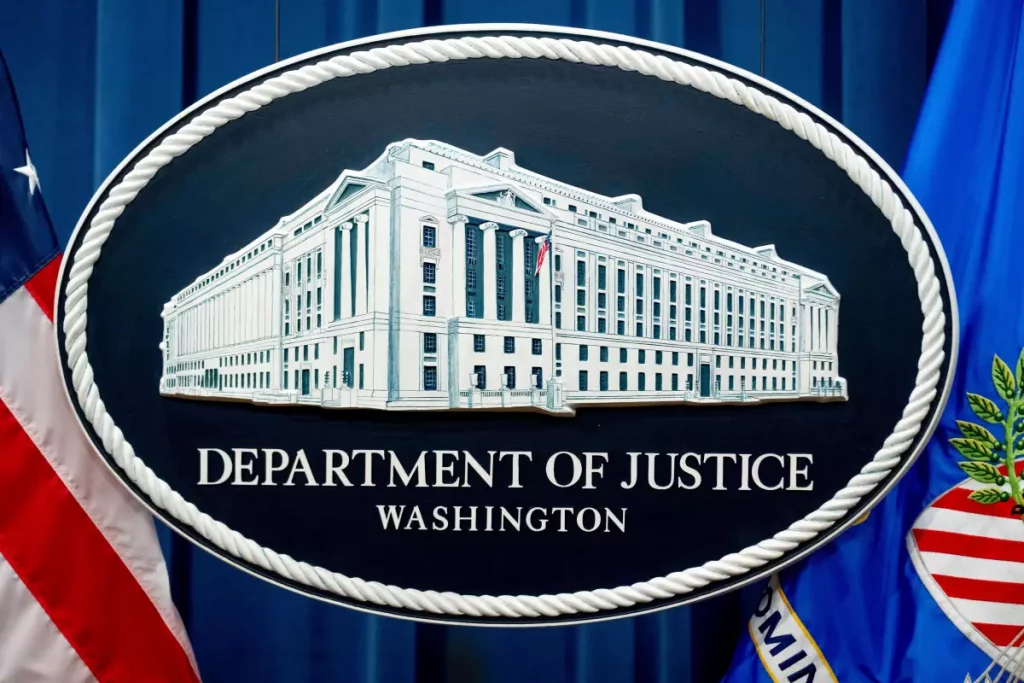
In December 2025, the U.S. Department of Justice halted the enforcement of specific safety standards under the Prison Rape Elimination Act (PREA) that protected LGBTQ and intersex individuals in detention. The rollback stripped away federal oversight meant to prevent sexual abuse and discrimination in prisons, protections that transgender and gender-diverse inmates depend on to survive incarceration. Civil rights groups didn’t mince words: this policy change doesn’t just increase vulnerability; it sanctions it. It’s a stark reminder that even in so-called progressive democracies, institutional safeguards can be dismantled overnight, and queer people, especially those already locked away, are the first to lose.
2025 Was a Year of Power, Pushback, and Possibility
Across regions in 2025, queer lives were shaped by legal advances, renewed repression, shifting public attitudes, and relentless grassroots resistance. The year drove home a hard lesson: queer liberation doesn’t move in a straight line. Courtroom victories can coexist with backlash. Progress in one place can be undone elsewhere.
But this uneven terrain doesn’t erase the trajectory of change. As 2026 begins, one truth remains: queer liberation persists not because law guarantees it, but because queer people keep organizing, resisting, and imagining futures beyond what currently exists. In that collective insistence lies both the pressure that forces reform and the certainty that liberation, however delayed, cannot be extinguished.