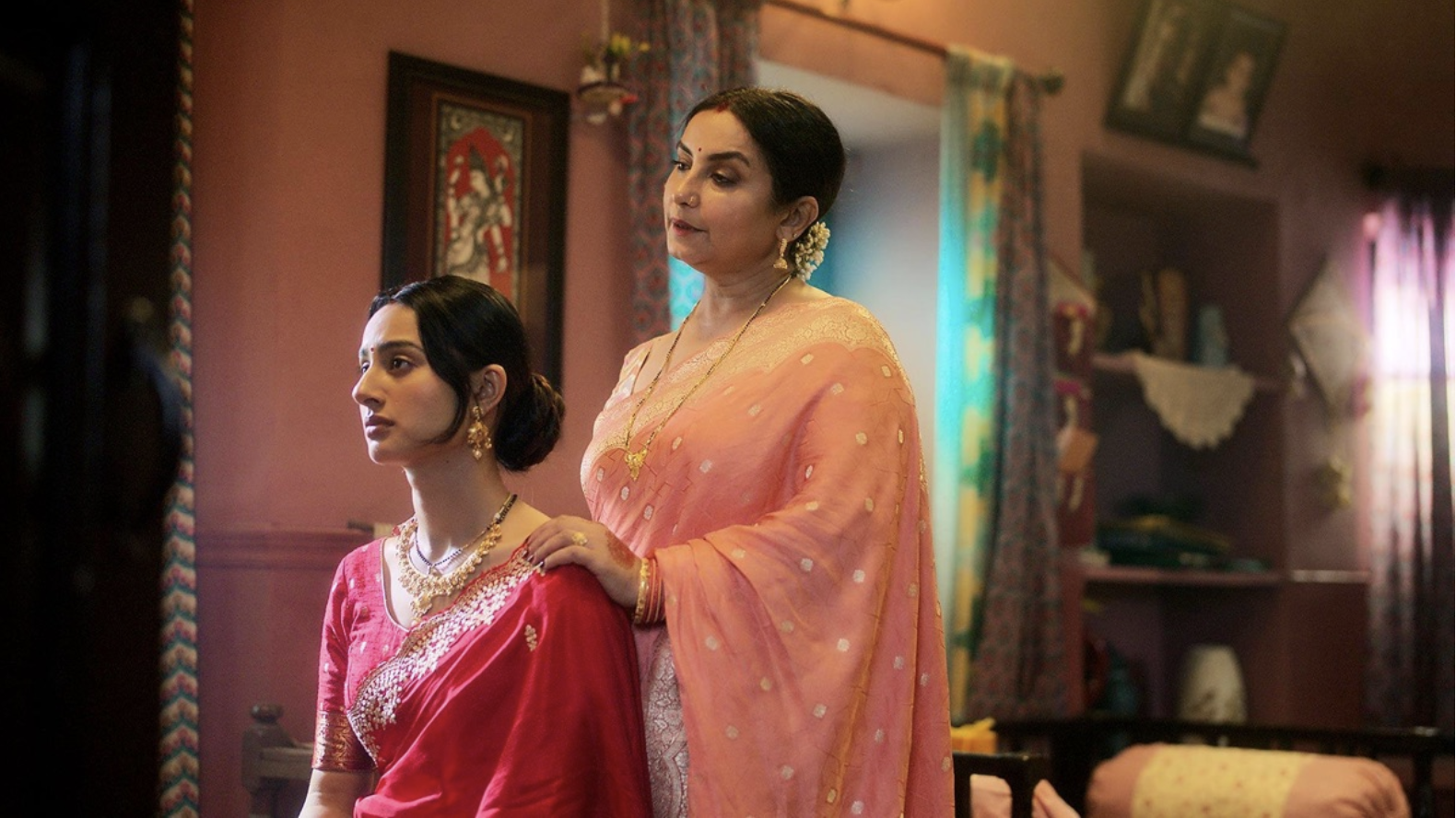
Films and society have a circular relationship. Our films reflect socio-cultural beliefs and practices, and in turn, what our films depict can be normalised and embraced by society. In a society and culture where patriarchy is deeply entrenched and misogyny is ever-present, it is no surprise that feminist films with progressive depictions of gender are few and far between. However, these 8 Indian films released in 2025 are standouts for their nuanced critiques of patriarchy and feminist portrayals of gender.
From black comedies about cultural phenomena to all-out feminist superhero films, 2025 has been an excellent year for feminist films. While these eight films aren’t the only ones that deserve recognition for their feminist critiques and themes, these are some of the best feminist watches of the year that undoubtedly deserve a spot on your watchlist.
1. Feminichi Fathima (Malayalam)
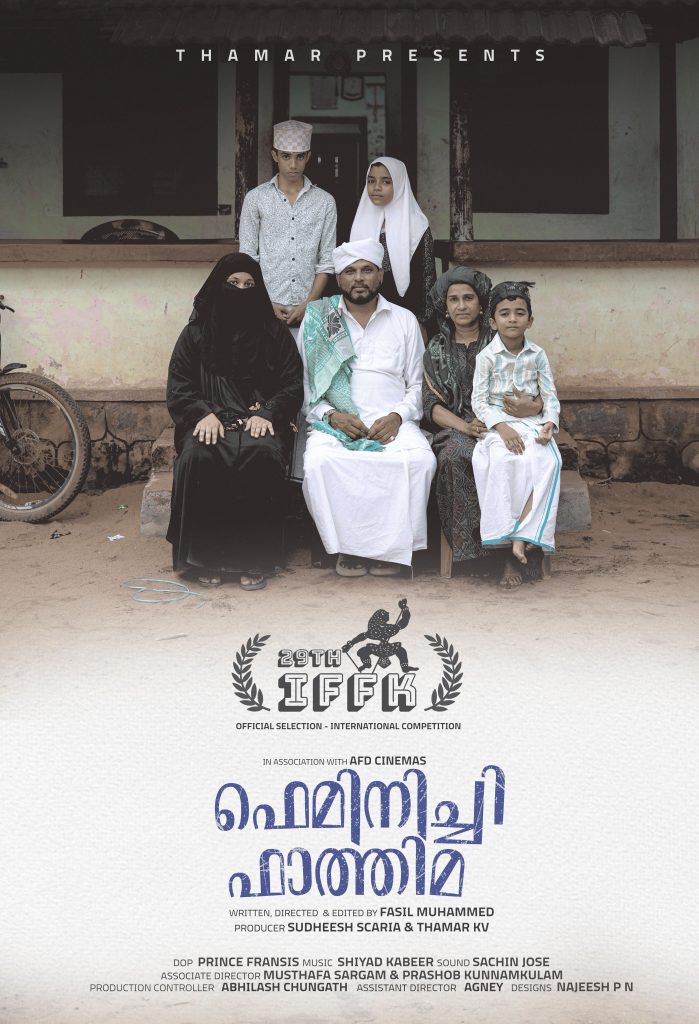
This incredible Malayalam film follows the story of Fathima, a feminichi, a Malayalam term used to deride feminists. From the opening scene, the quiet but crushing weight of the patriarchy in Fathima’s life is plain to see. What is noteworthy, though, is how the film chooses to tell the tale of women’s oppression and empowerment: through the simple (however, not in our feminichi protagonist’s case) errand of buying a new mattress.
While the premise of the film seems novel, in many ways it’s not – it’s a mirror to reality. Patriarchy sneaks up in insidious and utterly mundane ways in the lives of women each day. Even a simple errand often is not free from patriarchal negotiations, and Feminichi Fathima reminds viewers of just that. The film isn’t groundbreaking, but it depicts a woman reclaiming her agency in the smallest ways through homegrown rebellion. In a country where many women are still forced to externalise their autonomy and concede their agency to husbands, this is, in fact, revolutionary.
2. Homebound (Hindi)

Neeraj Ghaywan’s Homebound has been applauded for being a brilliant, nuanced exploration of caste, religious identity, and marginalisation. However, the film also touches upon themes of gender and intersectionality, albeit briefly. Homebound is aware of the unique forms of discrimination Dalit women face as a consequence of the intersection of their caste and gender identities.
While the film doesn’t explore this idea in great detail, its awareness of it is evident throughout. It makes the quiet, unseen labour of women visible. And even though women might not take up much of the screen time, when they are on screen, the performance of gender, gender roles, and the gendered expectations placed on women is brilliantly depicted and carefully handled.
3. Dhadak 2 (Hindi)

Dhadak 2 is another film centred on caste; however, its depiction of gender is noteworthy as well. Tripti Dimri’s Vidhi is an outspoken and headstrong woman who, in big and small ways, rebels against the patriarchal trappings of familial authority she is subjected to. Her quiet struggle for autonomy and agency is clear from the outset.
Vidhi’s story plays out in many homes, where privileged upper-caste, upper-class families “allow” daughters progressive concessions, but only so long as they bend to patriarchal will. Where autonomy is often an illusion, and a desire for control is neatly repackaged as concern.
Other women in the film, like Neelesh’s mother and his professor, Richa, are strong, fierce women as well, who possess enviable clarity of thought and moral courage. The film is by no means perfect, and many legitimate criticisms have been levied against it since its release. However, the film’s handling of gender is something that it unmistakably gets right.
4. Lokah Chapter 1: Chandra (Malayalam)

Lokah is touted to be the first female superhero Malayalam film. The genre-subversive, feminist film is a profound and layered exploration of patriarchy, misogyny, and marginalisation. Making use of vampire and yakshi folklore to tell the tale of a feminist vampire-yakshi-superhero, Lokah is not only a delightful watch but also cathartic. There are no male saviours, trauma porn, or commodification of women; what is silently – and at times loudly – present throughout the film is a woman’s rage.
Kalyani Priyadarshan’s performance as the weary, unemotive Neeli is a delight, and Sandy’s impeccable performance as the film’s primary antagonist is a sight to behold. The film deals with the issue of misogyny and marginalisation with a deft hand, laying bare the villainy of both. Our superhero Neeli doesn’t fight monsters or madmen; she fights ordinary men, which is where the film’s genius and message lie.
5. Victoria (Malayalam)

This Malayalam film’s premise is nothing like you’ve ever seen before. Centring on a single day in a woman’s salon, with only a rooster for on-screen male presence, Sivaranjini J’s directorial debut makes for an unmissable watch. In a conversation with the Scroll.in, Sivaranjini explained the premise of her brilliant film in one sentence: ‘A rooster in a parlour exclusively for women.’
Situated in a women’s salon, the film tells the tale of the eponymous protagonist. However, in this space devoid of men, women are no longer performing femininity, which is a breath of fresh air. Where films often succumb to the male gaze, Victoria not only refuses to cater to it but discards it entirely, exploring women, womanhood, and sisterhood in the absence of any performance, pretence, or patriarchal coercion.
6. Kadhal Enbadu Podhu Udamai (Tamil)
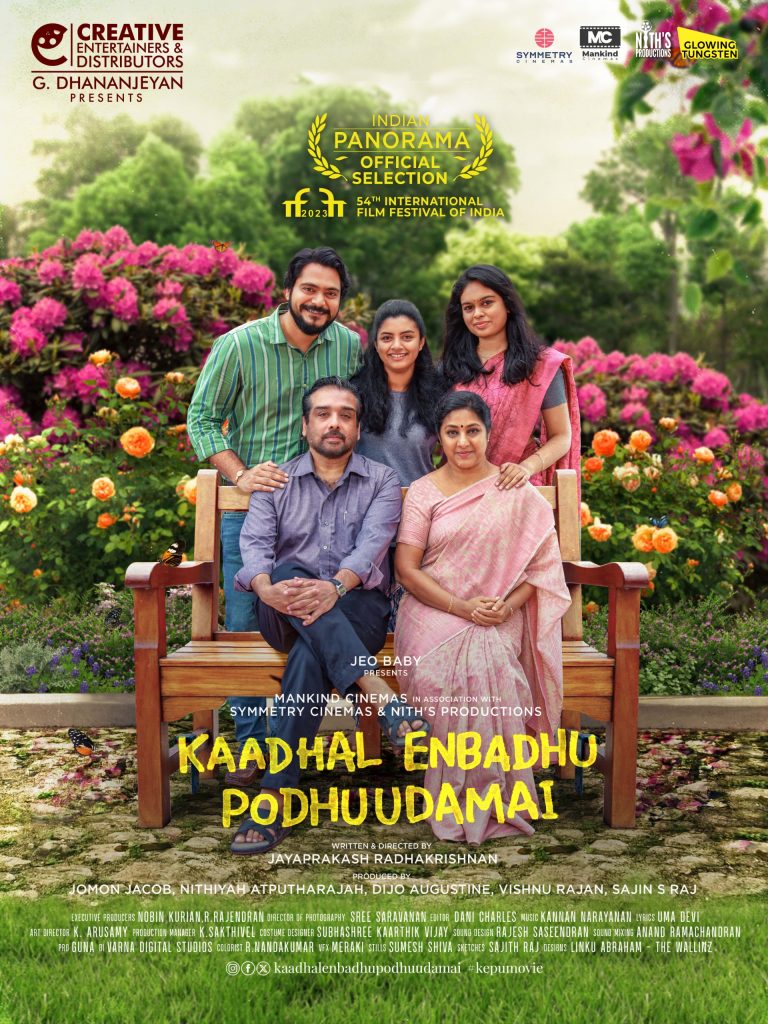
This Tamil film revolves around a woman coming out to her family and introducing them to her partner. While the film has been criticised for being rather basic and on the nose, it’s still an essential work of art that seeks to start a dialogue.
Kadhal Enbadu Podhu Udamai takes a stark look at the limits of liberal progressiveness, especially surrounding sexuality and queerness, and brings to our screens a film that is not radical but still depicts the lived realities of many queer people in the country.
7. Avihitham (Malayalam)
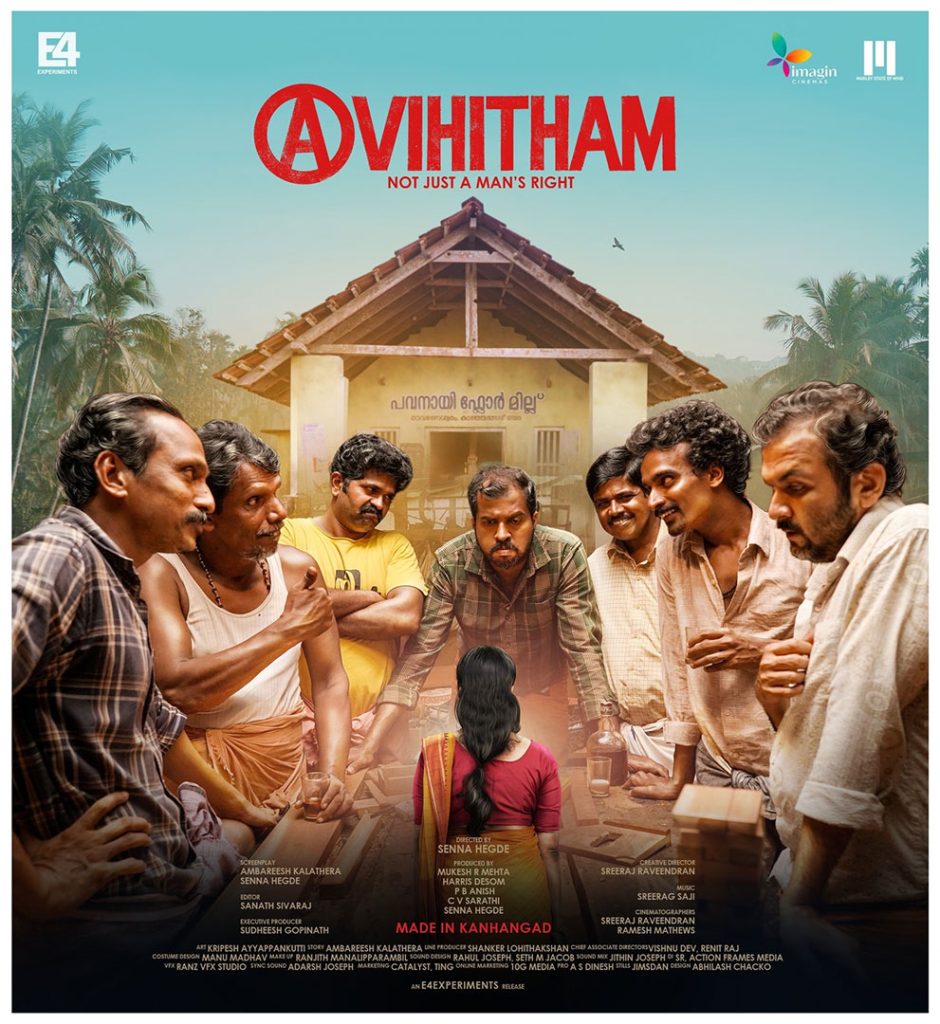
Avihitham is a delectable black comedy that discusses something that is extensively talked about on Reddit threads and on the misogynistic side of X (formerly Twitter), but rarely depicted on screen – men’s preoccupation with women cheating. After a night of drunken revelry, a drunk man stumbling home sees a couple kiss in the shadows. He is convinced the woman is the wife of one of the men from the village who is away for work.
The news spreads like wildfire, with all the men hearing it accepting a dangerously drunk and notoriously unreliable man’s word as gospel truth. Soon, the aggrieved husband and his brother are informed, who accept the allegation with little resistance.
A group of local men, including the woman’s husband and his brother, band together to catch the erring wife red-handed, driven by their relish for this salacious local scandal and their medieval fantasies of humiliating a transgressive woman, rather than any desire to help a man who is allegedly being cheated on. They all follow the woman around, casting doubt on her every move, and using the opportunity to indulge in their misogyny unabashedly. However, when the truth is revealed, the men are forced to confront the misogyny they had re-packaged as a self-righteous quest for righting wrongs.
8. Aapish (Bengali)
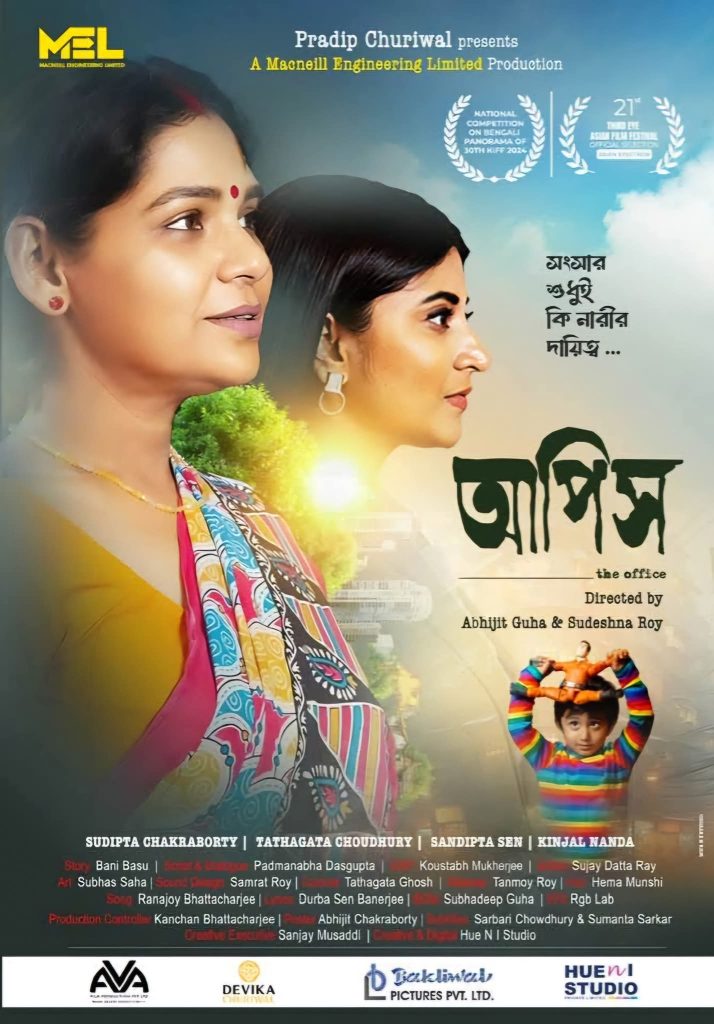
This Bengali film expertly explores patriarchy and class through the lives of upper-middle-class Joyeeta and Hashi, who is the nanny to Joyeeta’s child. Both their lives are mediated by patriarchal frameworks; however, their class differences have a significant impact on how the effects of the patriarchy manifest.
Aapish takes a naked look at the devaluation of women’s work, both within the home and outside, and at how caregiving burdens always fall squarely on women’s shoulders, even when they are crushed under their weight.
While these films may not have gotten everything right, they are standouts in a landscape dominated by silenced and sidelined women, women’s experiences and pain that are treated as a plot device for the hero’s big saviour act, and characters of little substance who only serve as screen embellishments to cater to the male gaze.
While many of these films received little mainstream recognition, their carefully crafted portrayals of women and raw explorations of patriarchy, misogyny, and intersectionality are much needed at a time when mainstream films continue to reinforce patriarchal notions and normalise violent misogyny. Even if these films didn’t spark a mammoth cultural reckoning, they still resonate with women whose lived realities are often not very different from what is depicted on-screen, and that is sufficient for now.
This is by no means an exhaustive or representative list. Suggestions to add to this listicle are welcome in the comments section.
About the author(s)