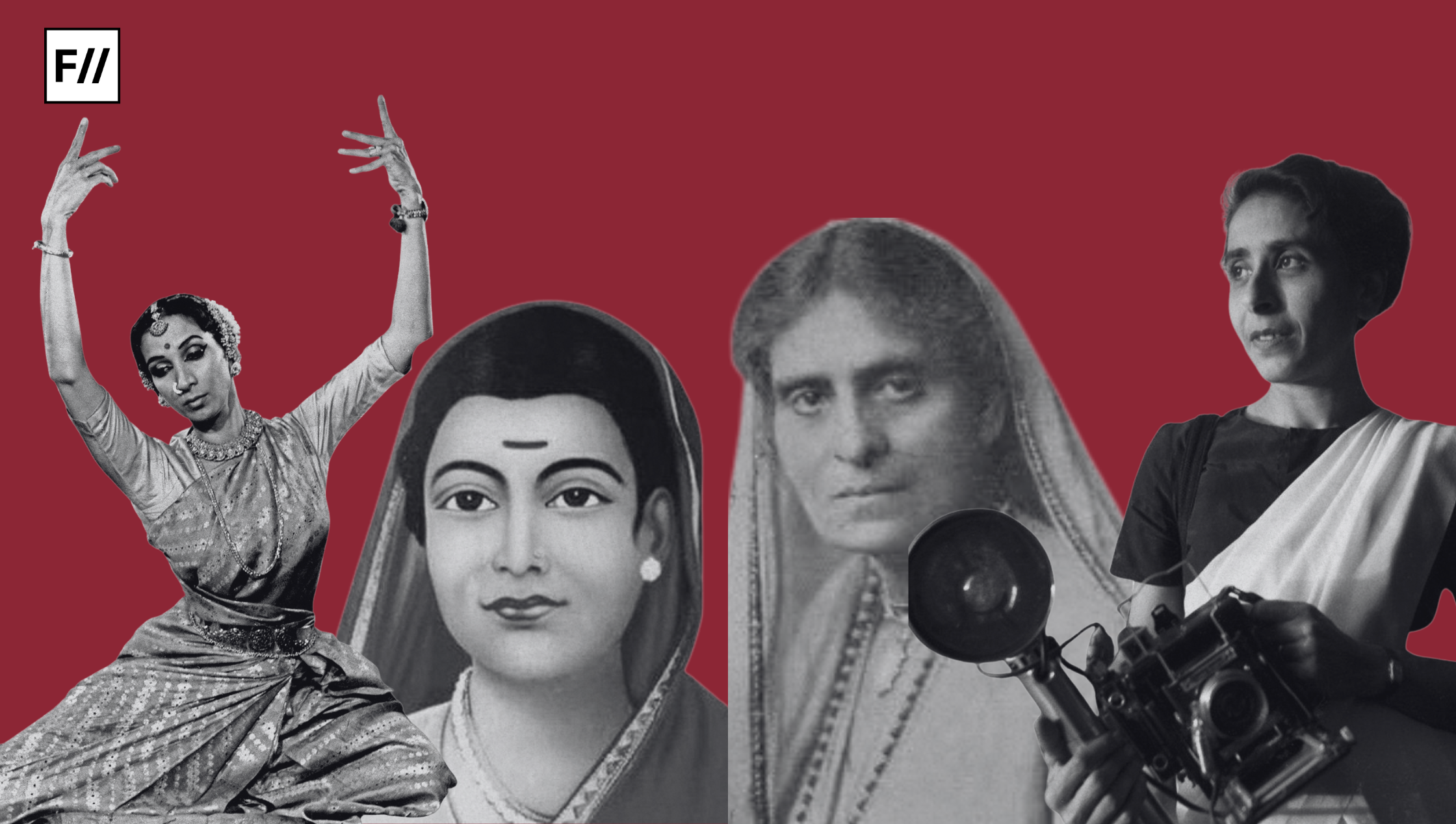
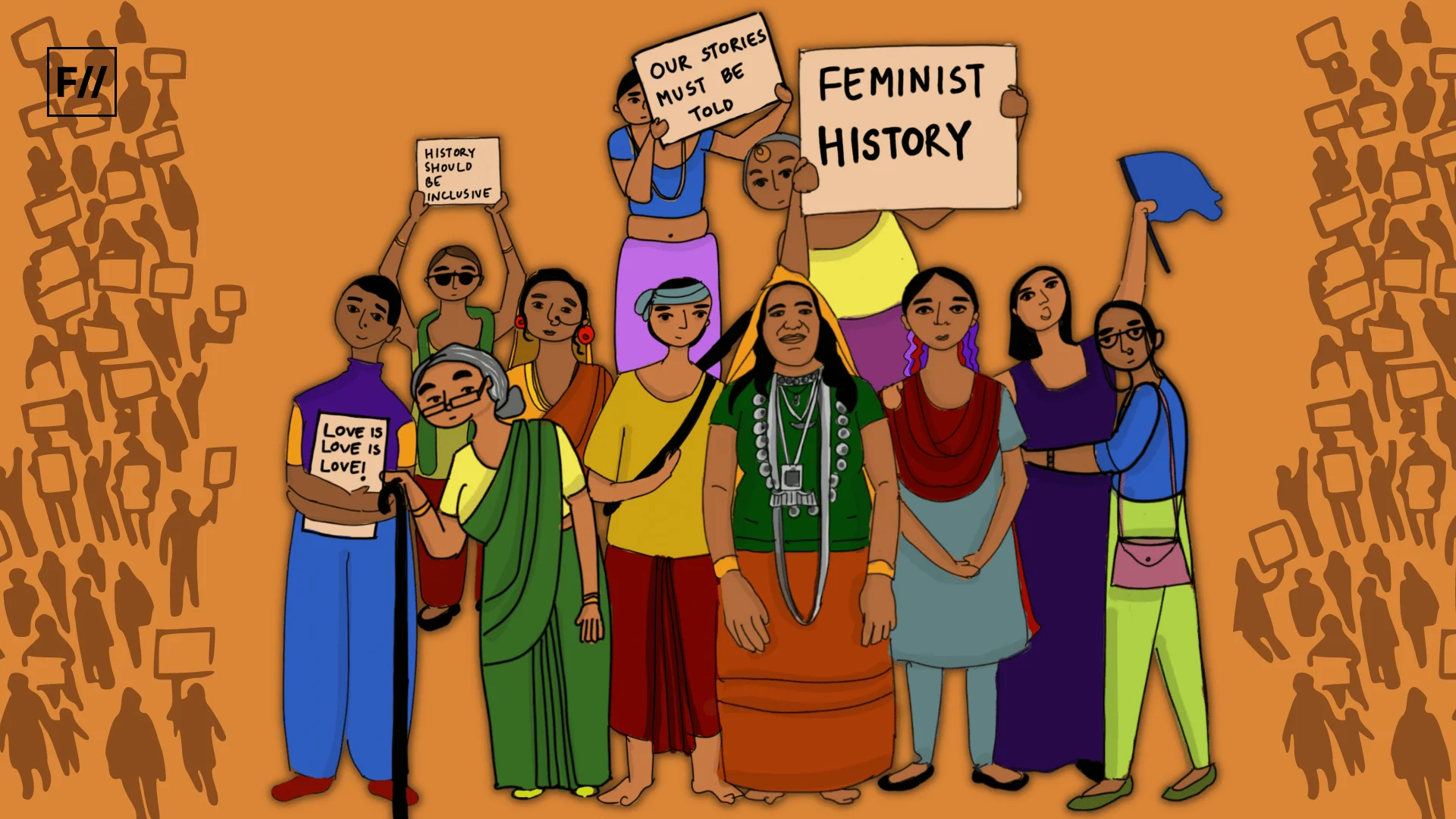
As we step into Women’s History Month this year, FII acknowledges the contributions of women across history, globally, in bringing about change.
March is a significant month in terms of feminist history. In 1995, the United Nations declared March as Women’s History Month in order to celebrate the contributions and achievements of women. On March 8th, we celebrate International Women’s Day, which was initially started as the International Working Women’s Day, a Socialist celebration of women and their revolutionary work. Since then, March is globally celebrated as Women’s History Month.
Today, as we grapple with systemic misogyny, far-right atrocities and the ostracism of marginalised genders and communities in India and beyond, we sit at the crossroads of history, looking at what seems like a dark, dismal road ahead for women and gender minorities. Under the vitriolic ideology of far-right conservatism across India, US, Middle East and Europe, major law and policy changes and drastic measures in private and public life have been implemented, robbing women and queer people of bodily autonomy, self expression, legal protection and fundamental rights.
In the last year, there has been a concerted effort to erase women’s and queer people’s contributions in history. School syllabi have been restructured with Indian queens like Raziya Sultan and Nur Jahan being removed from history books. Google has removed Women’s History Month, Black History Month and LGBTQIA+ days of remembrance from their online calendars as well in recent years, citing “apolitical” reasons. Globally, by erasing the history and work of my marginalised people, a heteronormative patriarchal metanarrative is being thrust down our throats.
For centuries, despite being denied access to education and equal rights, women have been the pillars of society and major contributors to innovations and inventions around the world. They have made significant strides in political leadership and roles, STEM fields, and in the arts, humanities and literature. Women have been at the forefront of change, contribution, and development, despite gaining “rights” on paper very recently in history. Women are leaders, torchbearers, scholars, authors, and agents of change who have made significant strides to establish their presence in this patriarchal society.
Yet, history has always been written and rewritten by powerful men who remove and discard those who do not benefit their narratives. The deletion of the contributions of women becomes part of a deliberate and wilful amnesia. Acknowledged as mere footnotes, women have been victims of a historical afterthought. Their stories have been documented and disseminated through the lens of privileged heterosexual cisgender men, who work for the patriarchy and institutionalised religions. As a result, we are left with a blinkered and myopic history told through the male gaze.
In order to remove historical amnesia and acknowledge the significant part women have played in history, it is essential to bring the contributions, achievements and milestones achieved by women back into the spotlight. It is critical to change, reclaim, and rebuild historical narratives about women through an intersectional lens.
In India, women have played a significant role in shaping history both prior to and post-independence. They have participated in wars and freedom movements alongside men to resist colonial domination. Women have been significant in the drafting of the Indian Constitution as well.
Unfortunately, despite this, they continue to encounter discrimination based on their gender, sexuality, caste, ethnicity, and religion. Generally, because of Brahminical patriarchy, only the contributions of privileged Savarana women make it to the spotlight, and the women from Dalit, Adivasi and Muslim communities remain unacknowledged. In the recent past, Dalit feminist writings by Bama and Sukirtharani have been removed from University syllabi to erase the significant contributions of Dalit women. However, Women’s History Month celebrates women of all sexualities, castes, ethnicities and religions. This March, FII aims to acknowledge their work.
This month, FII commemorates and emphasises the achievements and sacrifices made by women that have led us to the formation of society as we know it today.
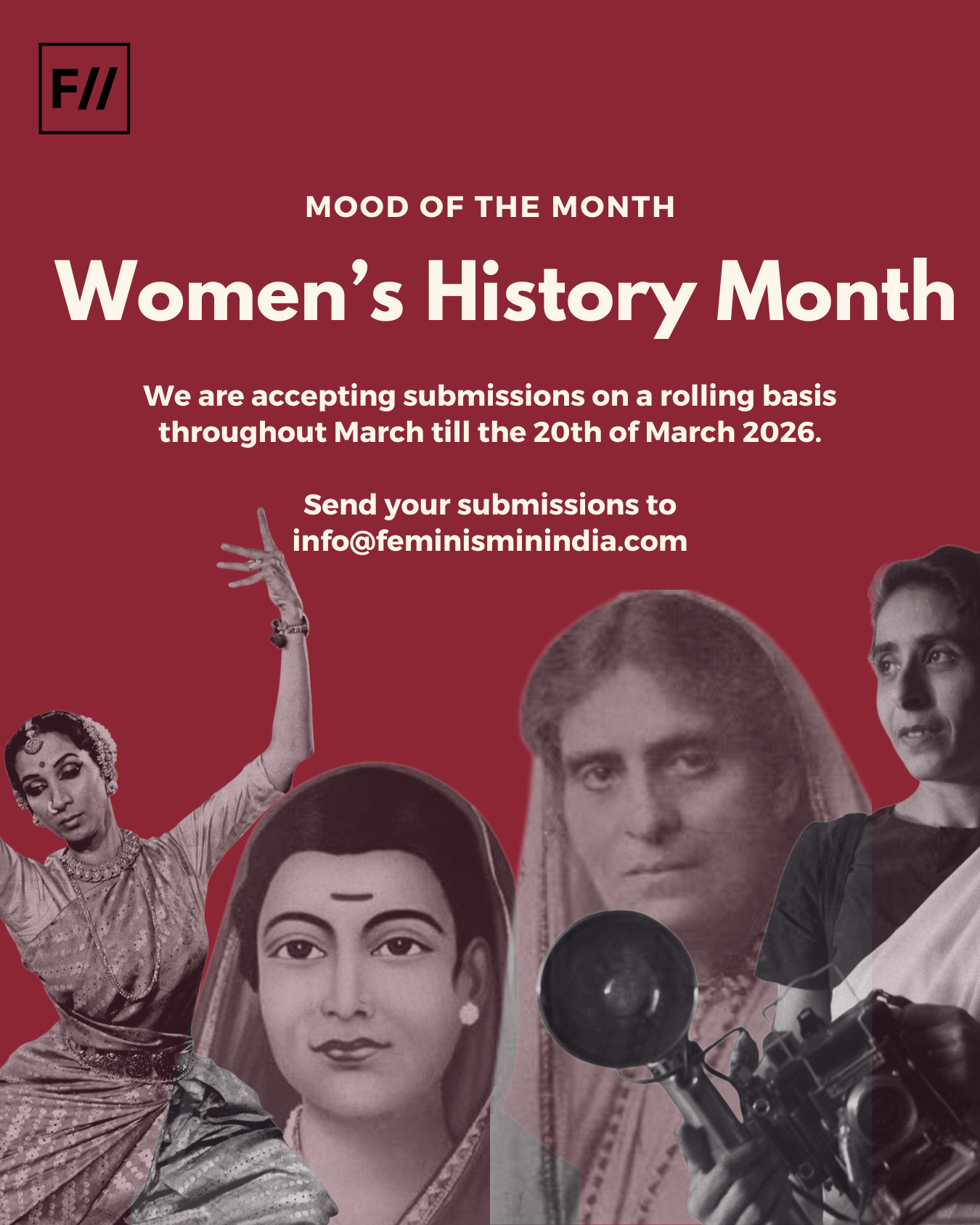
In this context, we at Feminism In India invite submissions on women in history throughout March 2026, for our Mood of the Month on Women’s History Month. We shall be reviewing and publishing articles on a rolling basis till the 20th of March. Please send us your pitches as soon as possible.
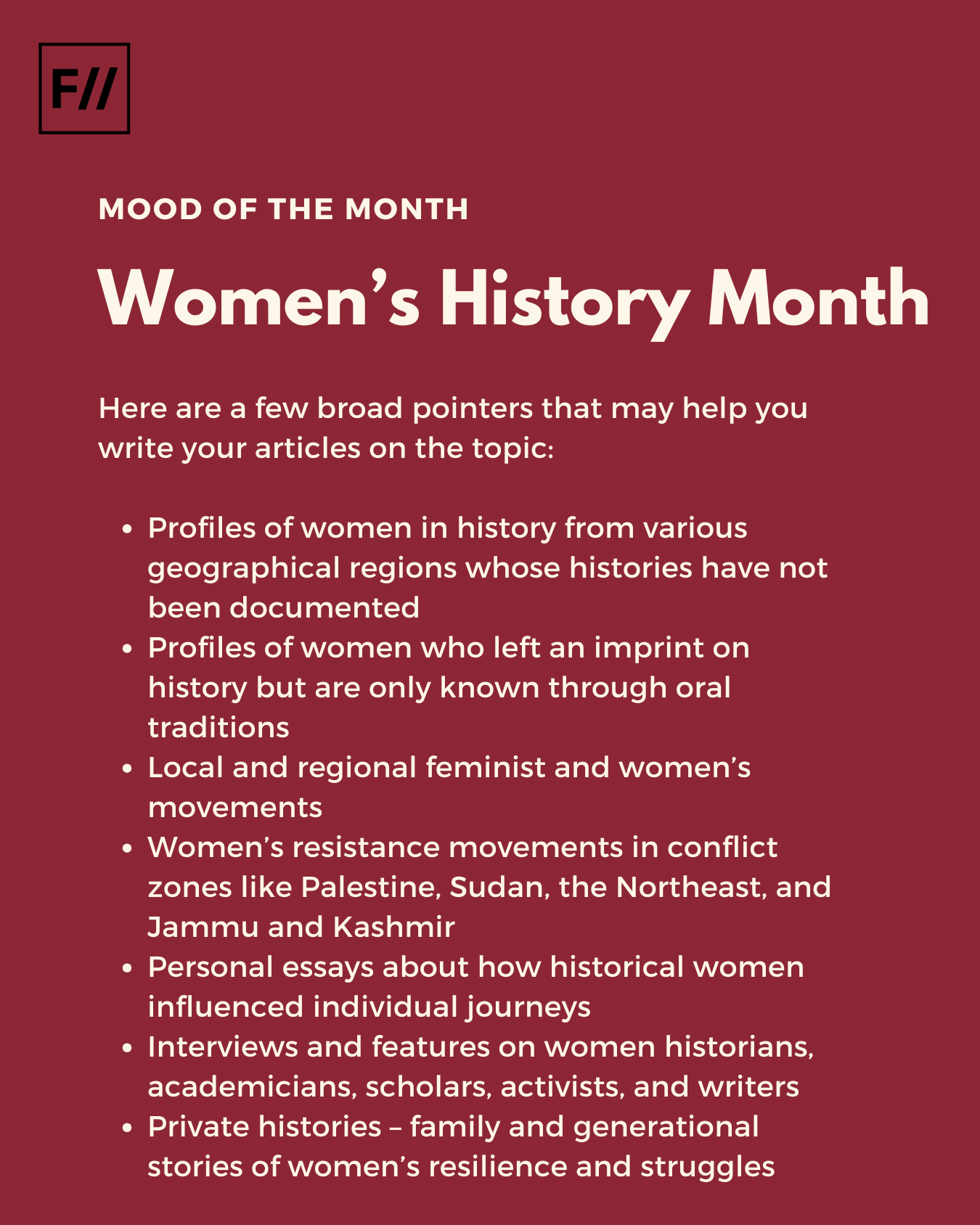
Some of the themes that you may find helpful are listed below:
- Profiles of women in history from various geographical regions whose histories have not been documented
- Profiles of women who left an imprint on history but are only known through oral traditions
- Local and regional feminist and women’s movements
- Women’s resistance movements in conflict zones like Palestine, Sudan, the Northeast and Jammu and Kashmir
- Personal essays about how historical women influenced individual journeys
- Women’s representation in contemporary history: from pop culture to literature and cinema
- Women historians and feminist historiography
- Women in STEM
- Women in law and governance
- Interviews and features on women historians, academicians, scholars, activists and writers
- Appropriation of marginalised historic voices
- Feminist book and film reviews of historical fiction and non-fiction cultural texts
- Women in religion and mythology and their modern interpretations, especially through an intersectional feminist lens
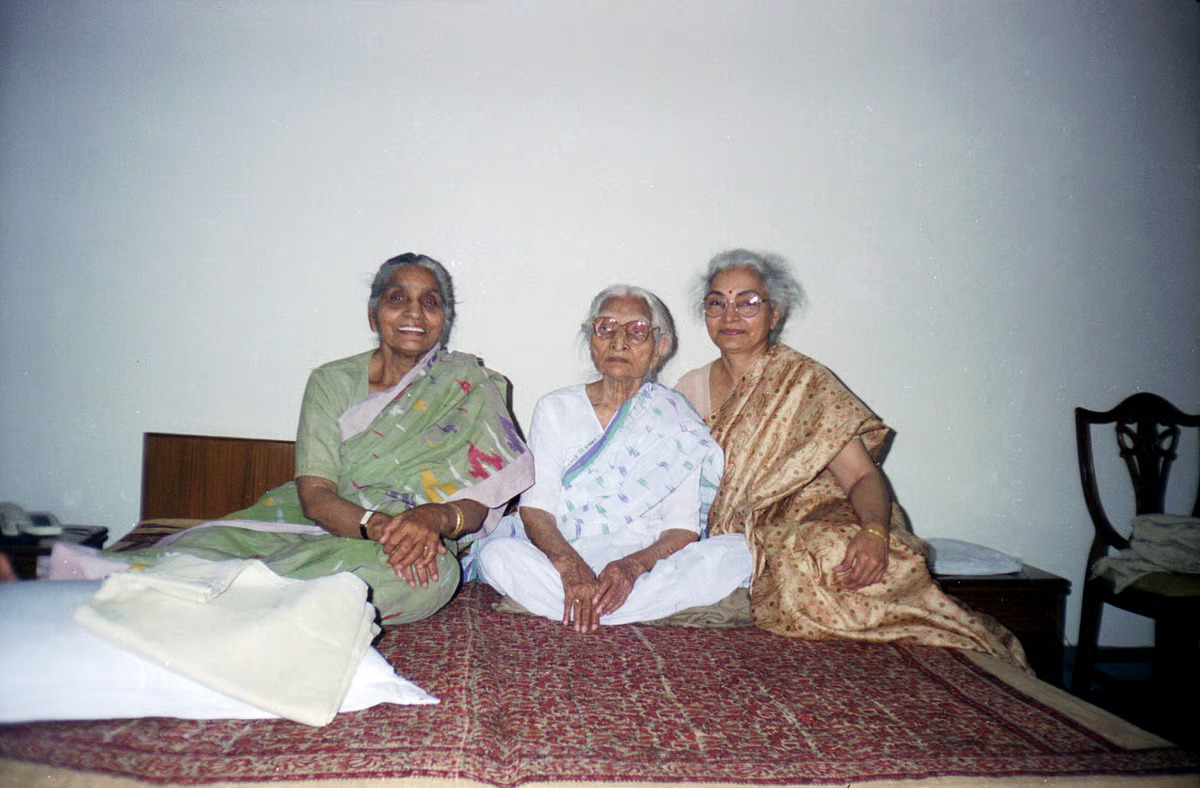
- Private histories – family and generational stories of women’s resilience and struggles
- Queer, trans, tribal, Bahujan, Adivasi, Muslim and disabled women’s histories and contributions
- Commentary on women’s bodies of work ranging from art to literature, STEM, politics, and so on.
This list is not exhaustive and you may feel free to write on topics within the theme that we may have missed out on here. Please refer to our submission guidelines before you send us your entries. You may email your pitches or draft submissions to info@feminisminindia.com.
We look forward to your drafts and hope you enjoy writing them!
About the author(s)

Feminism In India is an award-winning digital intersectional feminist media organisation to learn, educate and develop a feminist sensibility and unravel the F-word among the youth in India.

Comments:
Comments are closed.