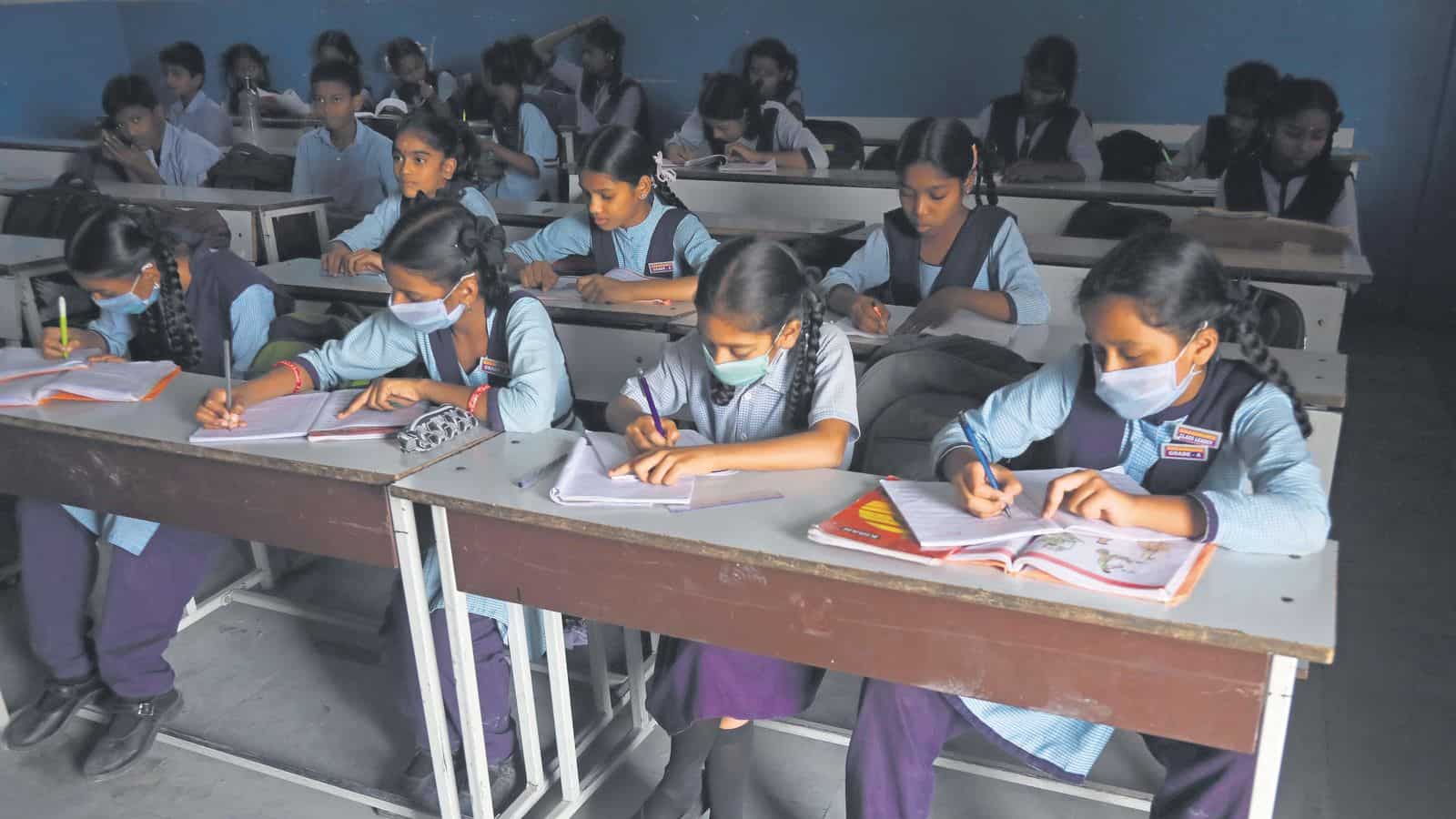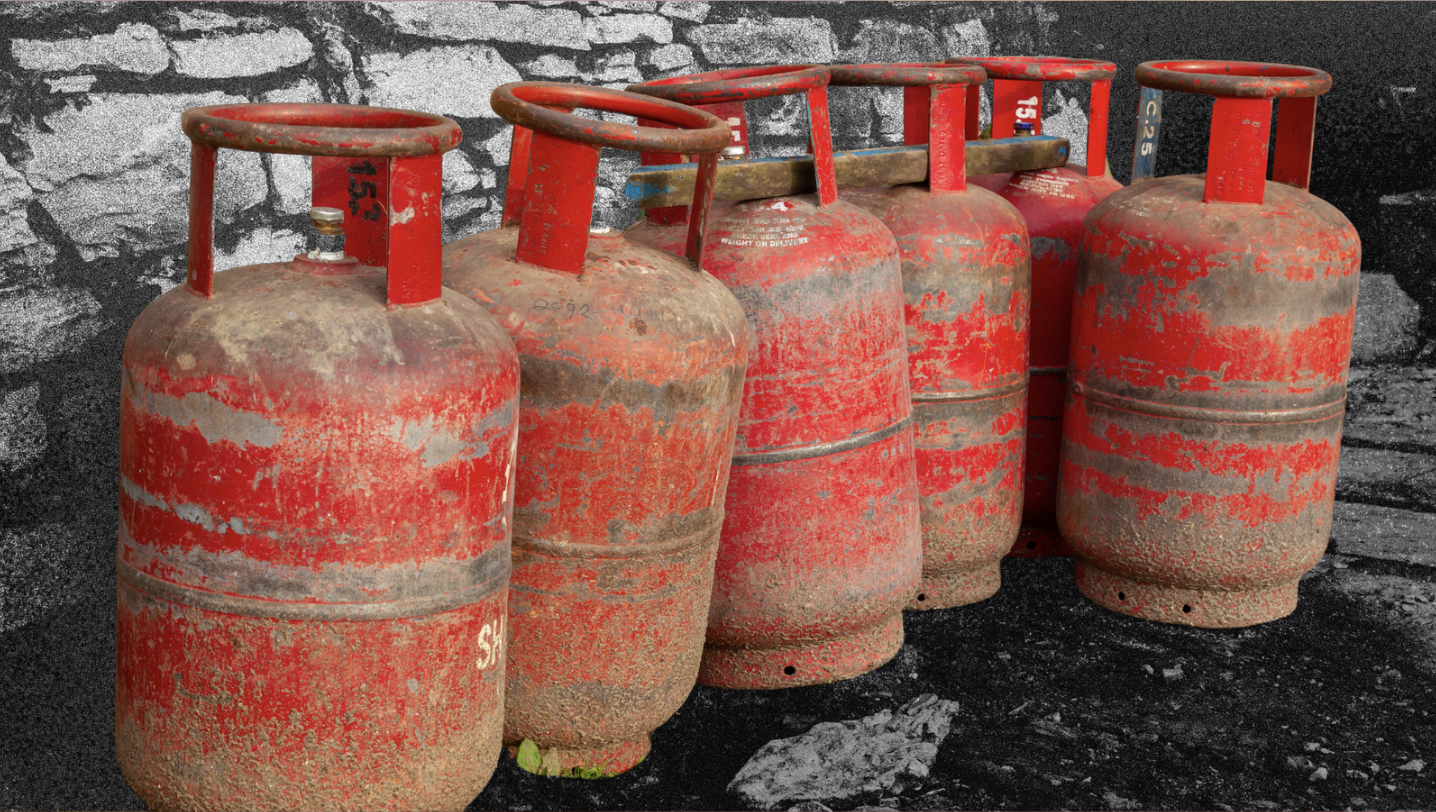
Sunita and Madhu both work as domestic workers in an urban, upper-middle-class household in South Delhi. Both earn a modest income of INR 2,500 a month from that single employer. However, of late, their paths have diverged. For Madhu, whose household relies on a Piped Natural Gas (PNG) connection, the escalating war in West Asia is merely a headline. But for Sunita, it is a catastrophe. Her previous allocation of INR 850 for a Liquefied Petroleum Gas (LPG) cylinder has been obliterated by a black-market surge that now demands upwards of INR 3,000 per refill.
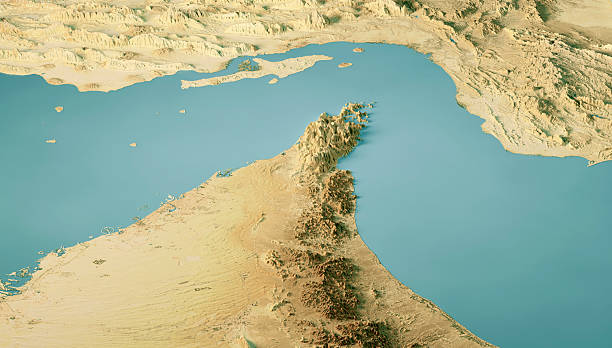
The sixth anniversary of the COVID-19 lockdown has arrived with a cruel sense of déjà vu. The memories of shortages and job losses have been rekindled by the ongoing conflict in West Asia. While the geopolitical stakes of the conflict are debated in televised war rooms, the cost is being felt most acutely in the pockets of Delhi where its urban poor reside, and where the blocking of the Strait of Hormuz has turned a basic utility into a luxury.
The administration’s claims versus lived experiences
Chief Minister of Delhi, Rekha Gupta, urged the citizens not to panic, assuring that there was no shortage of domestic or commercial LPG. Gupta has attempted to quell mounting panic with optimistic data. She shared that on April 3, 2026, Oil Marketing Companies (OMCs) delivered 1,26,379 cylinders, significantly exceeding the 1,11,504 bookings recorded. Based on this surplus, Gupta asserted that the backlog was clearing and that the average wait for a cylinder had been reduced to just four days.
However, interviews with residents and vendors reveal a massive disconnect between the Secretariat and the streets.
However, interviews with residents and vendors reveal a massive disconnect between the Secretariat and the streets. Speaking to FII, a Hindustan Petroleum (HP) vendor in Kailash Colony clarified the reality behind these numbers. The system now mandates a 25-day gap between bookings to prevent hoarding. While the actual delivery occurs within 1 to 2 days of a successful booking, the mandatory waiting period effectively locks consumers out of the supply chain for nearly a month.
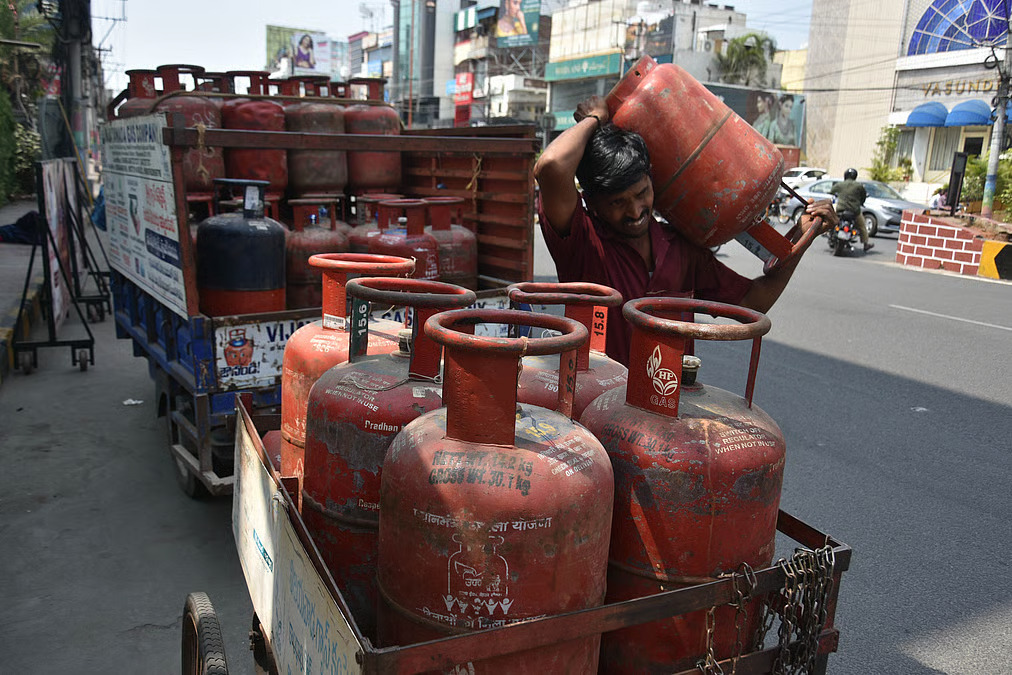
In Mayur Vihar, Brijesh, a middle-class resident and security guard, confirmed that his portal enforces this 25-day waiting period requirement. In Faridabad and South-West Delhi, residents report being told to place orders at least 20 days in advance just to stay in queue. This discrepancy suggests that while the administration’s macro-data signals efficiency, the last-mile experience for ordinary citizens remains uncertain.
Ground realities faced by Delhi’s working class
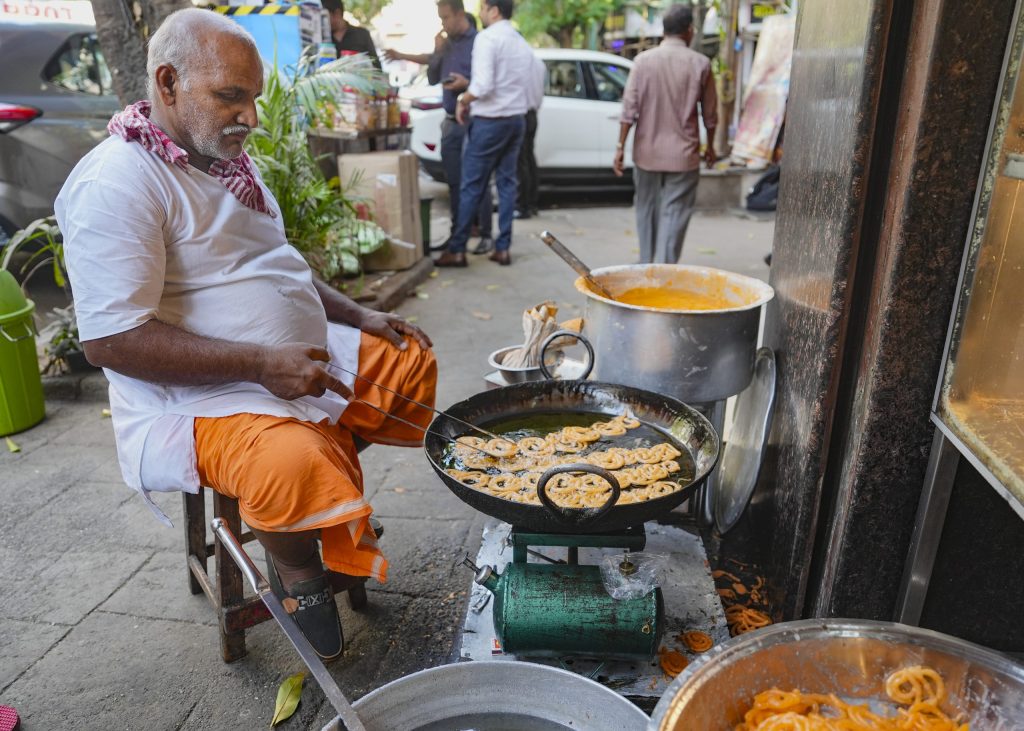
The crisis has forced small-scale entrepreneurs into desperate and costly ‘innovations’. At the ITO Gate, Akbar recently reopened his Sardar Ji Parathe Waale stall after a week of forced closure by procuring a cylinder for INR 3,000 from a distributor. A tea vendor near Akbar’s establishment carries his domestic cylinder to and fro every day since the crisis hit, dreading when his current stock will inevitably empty.
Sunita is considering buying an induction cooktop for INR 1,500, unaware that specialised magnetic cookware will mirror the inflated costs of LPG that she is trying to escape.
Similarly, Ram ji, a chole-kulche vendor, has reverted to using kerosene, which is currently priced at INR 140 per litre. This is nearly double the regular price of INR 80. Meanwhile, Sunita is considering buying an induction cooktop for INR 1,500, unaware that specialised magnetic cookware will mirror the inflated costs of LPG that she is trying to escape.
Talking about electricity as an alternate source of clean energy for cooking, Dr Ashok Sreenivas, Senior Fellow at the Prayas Energy Group and policy consultant to the NITI Aayog, underlined the need for the power sector to become more reliable. He pointed out two issues, saying, ‘If electricity is the main option, service has to become more reliable. Even as access to electricity has increased, power cuts remain regular, and the quality of service remains questionable.’ He further added, ‘Cooking in most houses happens within a small band of time. If lots of people use the induction stove simultaneously, the power grid will be impacted.’
However, as Delhi tightens its LPG regulations, residents are finding ways to circumvent them. Arif, a chowmein vendor, said that he bypassed Delhi’s regulations entirely by procuring a 5 kg cylinder for INR 2020 from Gurgaon. In Haryana, the same restrictions do not apply, allowing for the procurement of gas immediately upon payment. This is in stark contrast to the many hurdles to acquiring LPG in the capital.
The anatomy of a shortage
India’s energy architecture remains notoriously fragile. The country consumes roughly 31.3 million tonnes of LPG (as per official government data for FY 2024-25) annually, but produces only 12.8 million tonnes domestically. India relies on imports to meet nearly 60 per cent of its LPG requirement, with 90 per cent of these imports being routed through the Strait of Hormuz. With this primary maritime route now compromised, India faces a severe LPG crunch, and the Pradhan Mantri Ujjwala Yojana (PMUY), which expanded LPG access to over 10.5 crore beneficiaries, now faces its greatest logistical test.
While the Centre hiked the price of non-subsidised LPG cylinders by INR 60 in March, scarcity has given rise to a predatory black market. Further, India’s dependence on imports isn’t limited to LPG, but also extends to LNG, which is imported from West Asia and converted into PNG for piped transport.
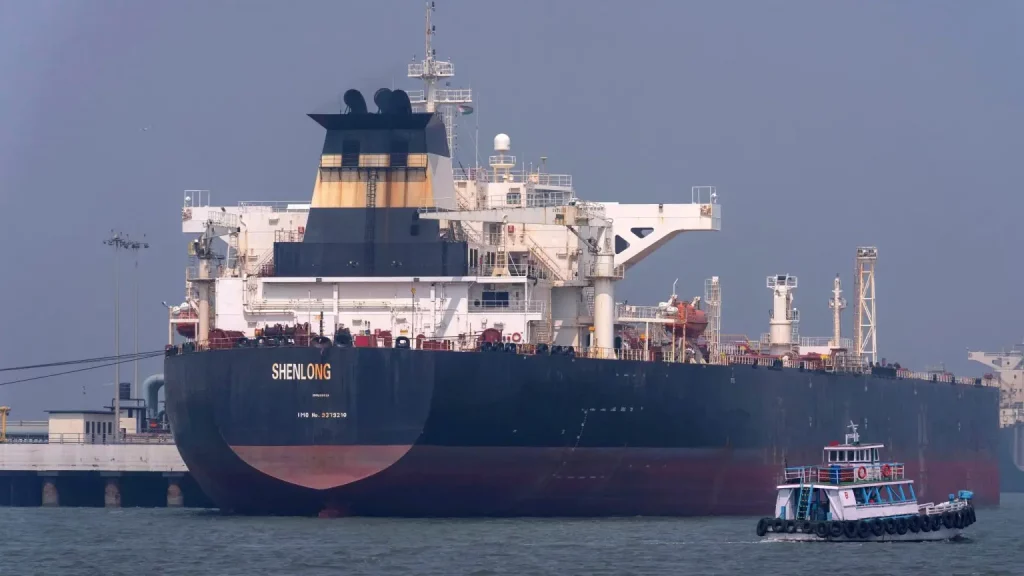
The Delhi government maintains the situation is under control, noting that daily LPG bookings declined from a March peak of 2 lakhs to 1.1 lakhs in early April. However, the crisis has led the Centre to mandate that households with PNG connections surrender their LPG cylinders. Currently, only 1.5 crore households use PNG compared to the 32 crore households that utilise LPG for cooking. Dr Ashok Sreenivas says that while PNG and electricity are ‘two obvious alternatives‘, their employment remains context-specific. ‘The risk is that if a lot of people shift to PNG, do we as a country have that much supply? Imported gas is also expensive, and this creates another bottleneck situation,’ he said.
While refineries have been directed to produce LPG from crude oil, PMUY beneficiaries and small-scale eatery owners remain in precarity.
While refineries have been directed to produce LPG from crude oil, PMUY beneficiaries and small-scale eatery owners remain in precarity. Dr Sreenivas observed that rural households face the harshest impact. ‘Rural areas are more likely to have single-cylinder households, and the impact on them is greater given the need for immediate replacement,’ he noted. He further added that there is no direct data to confirm if PMUY beneficiaries in remote areas actually receive the mandated LPG cylinder home deliveries.
The administration’s clampdown
To curb the thriving illegal trade in LPG, the Delhi government banned the direct purchase of cylinders from godowns on April 5, 2026. Chief Minister Rekha Gupta advised residents not to visit gas agencies or storage points, insisting that ‘booked cylinders are being delivered to homes within the stipulated time’. As per media reports, she said, ‘Avoid visiting LPG godowns. The administration is ensuring an uninterrupted LPG supply to people.’ She further added that ‘strict action’ will be taken against violators.
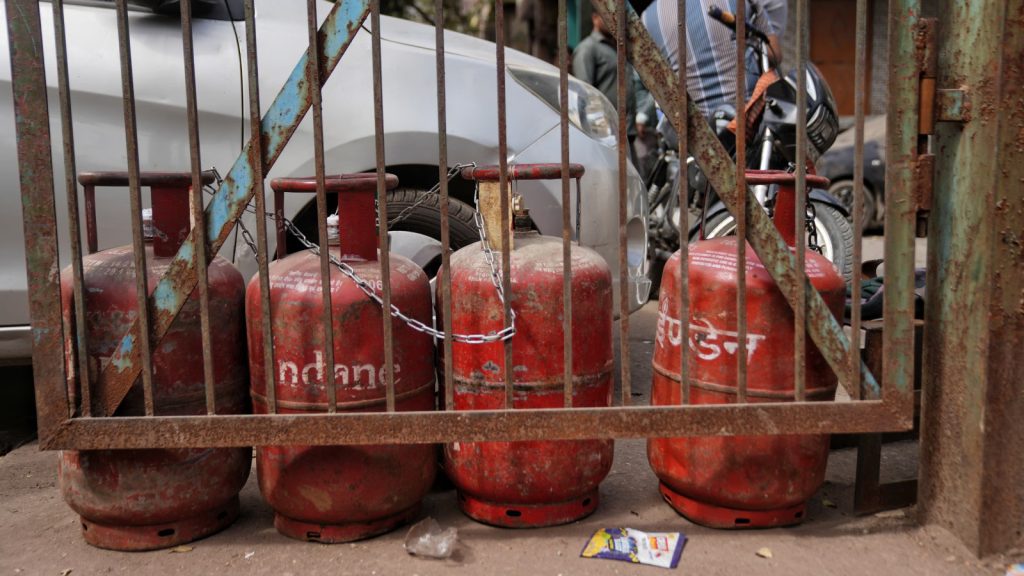
This move, intended to stabilise supply, is one that Sunita fears will cut off her only immediate, if expensive, source of fuel. There is a profound lack of knowledge regarding the mechanism of online bookings among the migrant workforce; to acquire LPG, many remain dependent on direct purchases or black-market sales that are now being criminalised.
Regarding why the country is facing such an acute LPG crisis, Dr Sreenivas said, ‘We need to diversify our sources in terms of procurement of LPG, and the government has asked refineries to produce more of LPG as its by-product.‘ Dr Sreenivas was referring to the invocation of the Essential Commodities Act, 1955, by the government in March 2026, according to which public and private refineries are directed to use propylene or butane streams for LPG production rather than for sale to the petrochemical sector. This LPG must be exclusively supplied to OMCs for domestic consumers.
Distressed by the news of the ‘godown ban’, Sunita recently asked her husband, Tribhuvan, if it was time to relocate to their village in Bihar. Tribhuvan, who has witnessed the city’s many crises, remains unfazed. ‘We stayed in Delhi during the horrors of COVID,’ he reassured her. ‘We will get through this, too.‘ For Sunita and many such migrant workers of Delhi, the energy crisis is not merely a matter of global trade routes; it is a test of endurance against a system that claims to be working efficiently, while ground realities don’t reflect that.
About the author(s)

Second year student of Media Studies at CHRIST (Deemed to be University), BRC, Bangalore. A trained Kathak dancer, theatre artist and political nerd.