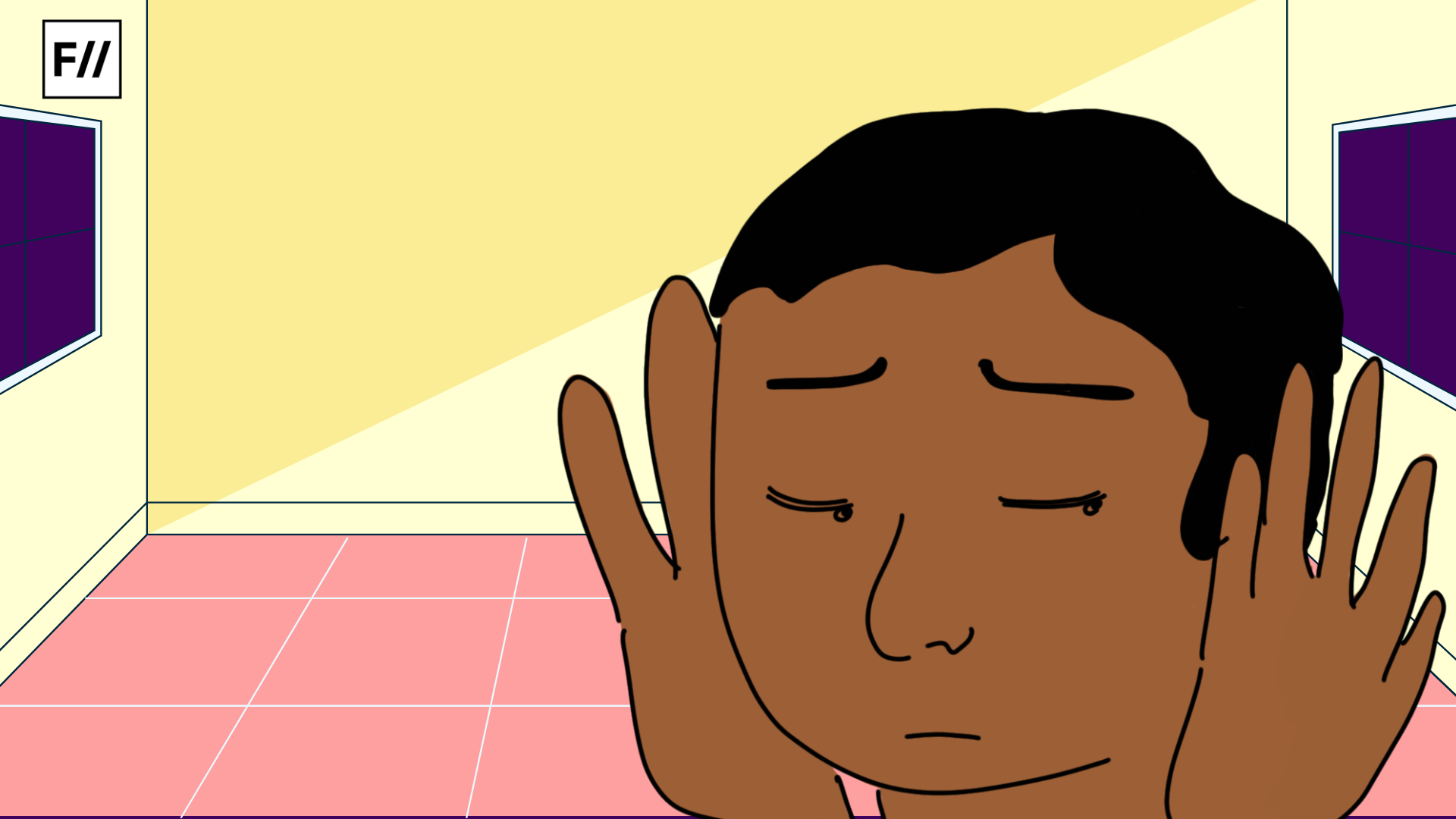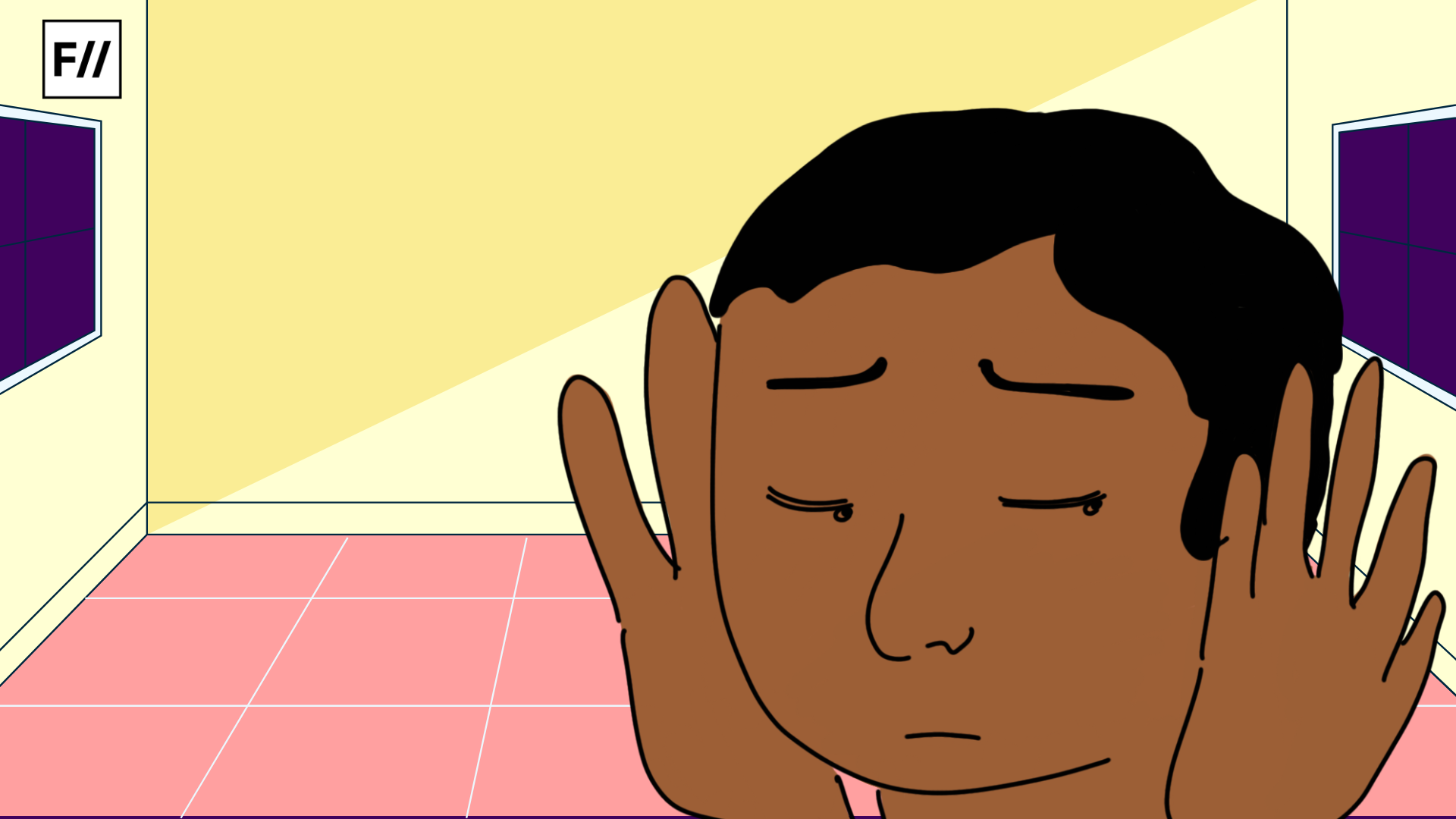
In most homes and communities, even the slightest display of femininity in a boy leads to ridicule. Gender norms are enforced rigorously, often from a young age. Our media and films have long reinforced these stereotypes by depicting ‘effeminate’ men and transgender individuals as figures of mockery rather than as individuals who deserve dignity and respect.
Boys learn early that masculinity has a narrow, socially acceptable definition, and stepping outside of those boundaries comes with consequences.
Boys learn early that masculinity has a narrow, socially acceptable definition, and stepping outside of those boundaries comes with consequences. In schools, where I have been a teacher, I have seen boys displaying behaviours traditionally associated with femininity being bullied with slurs like ‘gud’, ‘chhakka’, ‘meetha’, ‘ladies’, ‘hijda’, and phrases like ‘Saturday ko jaake taali baja’, ‘haath mein chudiya pehna hain kya?’, or ‘haath mein mehendi laga ke rakha hain kya?’.
Most often, I have seen these slurs come from boys, but I have also witnessed girls using them. This has led me to wonder: why does a girl see femininity as inferior, as something to belittle? The answer lies in patriarchy, internalised misogyny, and the social messages children absorb from their surroundings.
I believe that schools and teachers can challenge these harmful messages and create spaces where every child feels safe to express themselves. Unfortunately, this is often not the case.
I have noticed that gender policing extends beyond students to school leadership as well. In one government school where I taught, boys with longer hair faced punishment by having parts of their hair tied into small tufts with rubber bands so they would ‘look like girls’ and feel ashamed. In another school, a principal publicly shamed boys who wore earrings, asking them in front of the class, ‘Ladki hain kya? (Are you a girl?)’.
Femininity is often positioned as shameful, weak, and inferior
The message is clear: being associated with femininity is shameful, weak, and inferior. But what happens to boys growing up in such environments?
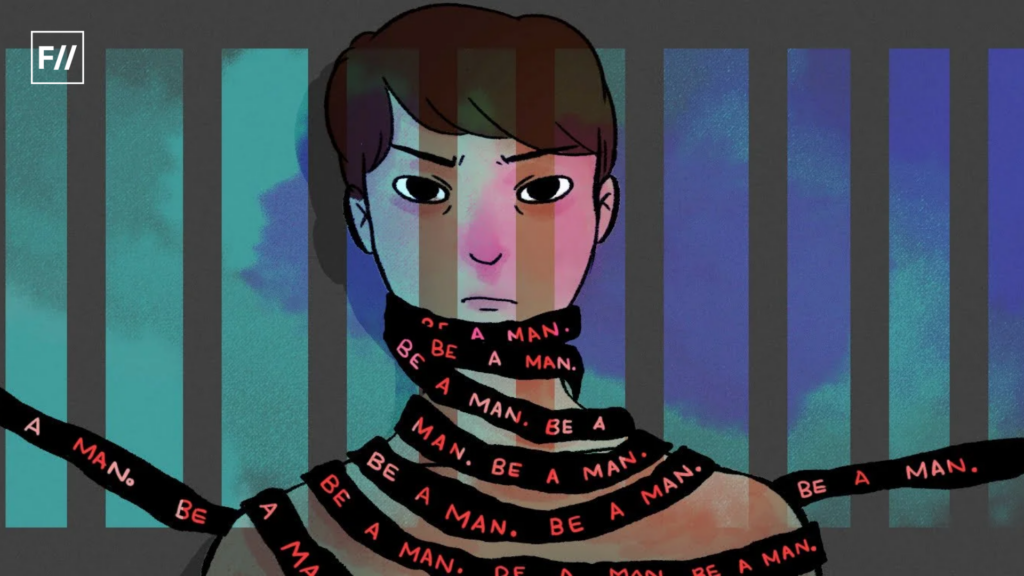
The boys understand that masculinity must be constantly performed and defended. Many believe the only way to prove they are ‘man enough’ is through aggression and violence. They learn to hide their emotions, avoid vulnerability, reject sensitivity, and distance themselves from anything seen as feminine. They learn that power, dominance, and violence define masculinity. They also learn that using misogynistic and sexually charged insults can often enhance their status among their peers.
The boys understand that masculinity must be constantly performed and defended. Many believe the only way to prove they are ‘man enough’ is through aggression and violence. They learn to hide their emotions, avoid vulnerability, reject sensitivity, and distance themselves from anything seen as feminine.
Boys who enjoy painting, dancing, or other creative pursuits are mocked. Boys who struggle in sports are humiliated on the playground. Boys who don’t meet traditional masculine expectations become easy targets. Meanwhile, teachers often watch as passive observers, treating such bullying as a normal part of school culture.
The impact goes beyond the children targeted. What are all the students in the classroom learning? All children learn that those who do not conform deserve to be excluded. And what about the queer and trans children quietly observing in those classrooms? For them, these lessons can be devastating.
The roots of many social problems we face as adults are planted early. They grow freely in classrooms where boys are taught to fear femininity, where gender nonconformity is mocked, and where bullying is accepted rather than addressed.
The question is not whether this is occurring but how much longer we will accept it. Every day in India, we are confronted with news reports of rape, sexual assault, and violence against women and gender minorities. When discussing toxic masculinity, misogyny, eve-teasing, rape culture, homophobia, transphobia, and the policing of gender expression, we often seek solutions from society at large. However, we should start by examining our schools and classrooms more closely. What messages do children receive daily? And who gets rewarded, who gets punished, and who gets silenced?
The roots of many social problems we face as adults are planted early. They grow freely in classrooms where boys are taught to fear femininity, where gender nonconformity is mocked, and where bullying is accepted rather than addressed.
The myth of neutral education
Brazilian educator Paulo Freire once said, ‘There is no such thing as neutral education. Education either functions as an instrument to bring about conformity or freedom.’
There is no such thing as neutral education. Education either functions as an instrument to bring about conformity or freedom.
And to this end, if we want to build a fairer and kinder society, we need to reimagine our schools. Here is what needs to be done:
Gender sensitisation for teachers and students: Teachers need opportunities to learn about diverse gender identities, and they must learn strategies for creating inclusive and safe spaces for individuals with diverse gender identities and expressions. They need spaces to reflect on their own biases, the language they use in classrooms, their discipline practices, and how their actions can unintentionally reinforce harmful gender stereotypes. We also need to normalise discussions about gender and sexuality in our classrooms. Teachers who challenge sexist, homophobic, and transphobic remarks send a strong message to all students.

Strong anti-bullying policies: Schools must implement clear anti-bullying policies prohibiting any teasing or harassment based on gender expression, identity, or sexuality. Every bullying incident should be taken seriously and never overlooked. Students should be made to understand the immediate and long-term effects of bullying on the person experiencing it.
Inclusive curriculum: Schools should review the verbal and non-verbal messages students encounter daily through rules, uniforms, and assemblies that reinforce conformity and gender stereotypes. Children should engage with stories, articles, histories, and role models from diverse gender identities and those who challenge traditional gender norms. When students see diversity represented with dignity rather than ridicule, they are more likely to develop empathy and question their own biases.
Schools and teachers hold enormous potential to nurture empathy, challenge oppressive systems, and equip young people with the courage and awareness to create a more just, empathetic, and inclusive society. The journey is challenging, and we have a long way to go, but this work is essential.
Transformation of the community: However, schools cannot achieve much alone. Parents and community members should also participate in these conversations. We can transform our society if all stakeholders become a part of the process.
Schools and teachers hold enormous potential to nurture empathy, challenge oppressive systems, and equip young people with the courage and awareness to create a more just, empathetic, and inclusive society. The journey is challenging, and we have a long way to go, but this work is essential.
About the author(s)

Sanket is a STEM educator based in Mumbai. They have a PhD in Chemical Engineering from UMass Amherst. They are passionate about making Science and Math learning fun and relevant. They are also passionate about climate action and social justice.