Golden locks of hair, a complexion as fair as mists of clouds, charcoal-black eyes, skin too fragile to even be touched, tiny feet, submissiveness to injustice, naiveness, princesses locked in towers waiting for the approval of a handsome prince who would make her his queen, magical spells, and happily ever after—this is the classic premise on which fairy tales are centred in English literature, often narrated to children to sleep. They are inseparable identity markers of childhood, constituting the very fabric of dreams woven into the wreath of imagination from a young age. For ages, fairy tales have consolidated their place in society as cultural artefacts, reproducing social norms and ideals. Ever since childhood, I have been drawn to the enchanting universe of this lore, romanticising gendered stereotypes and conventional attitudes. It wasn’t until I scratched the surface to do a feminist reading of these fairy tales that I came to realise the deep-rooted patriarchy these books seem to guard.
Fairy tales as cultural assets hiding stereotypes
Fairy tales have conditioned our society in such a way that they have blinded us to the implicit stereotypes they espouse, passed on from generation to generation. For ages, they have carried forth the trope that beauty is the only virtue defining one’s worth and that submissiveness differentiates a “good woman” from a “bad one,” and love can redeem a man, bringing out his innate goodness.
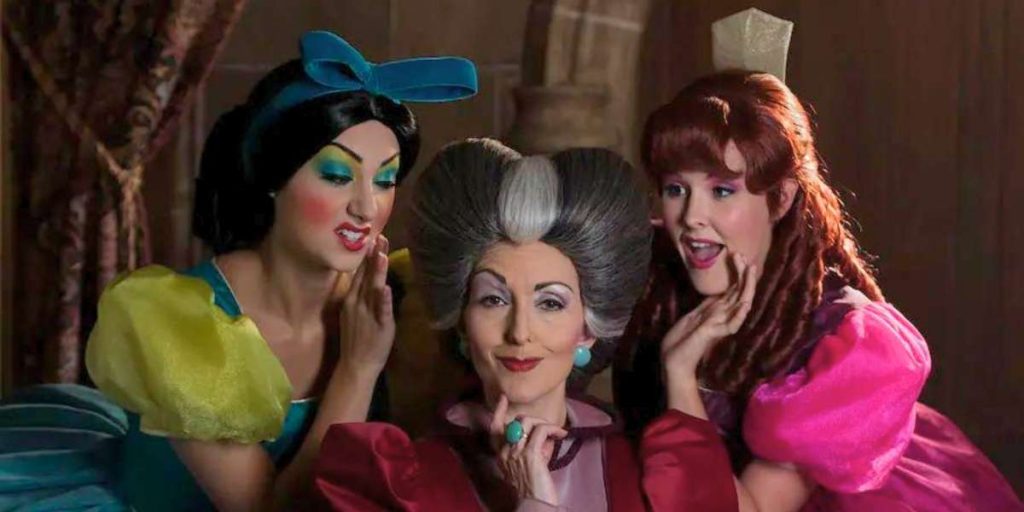
From Beauty and the Beast, portraying Belle as an empathetic and submissive woman, as beautiful and delicate as a rose, torn between her responsibilities to her own home as well as the beast, ultimately redeeming the cruel beast through her love, to Cinderella, vilifying stepsisters, and reinforcing the belief that a girl ought to be petite and beautiful to be worthy enough of being chosen by a man, fairy tales are packaged with their own set of stereotypes.
They romanticise the idea of being chosen by asserting that love alone is the way of life, fitting relationships into narrow boxes only viewed through the lens of femininity and beauty, ultimately reinforcing toxic beauty standards that are unattainable. Ultimately, they seep into girlhood to such an extent that the characters of fairy tales turn into marketable commodities, etched onto schoolbags and water bottles, toys and dresses, invisibilising the hidden cost to shoppers in the guise of ‘pink tax‘. Little attention do we pay, in the process, to the internalisation of cultural values through this form of literature.
Fairytales romanticise the idea of being chosen by asserting that love alone is the way of life, fitting relationships into narrow boxes only viewed through the lens of femininity and beauty, ultimately reinforcing toxic beauty standards that are unattainable.
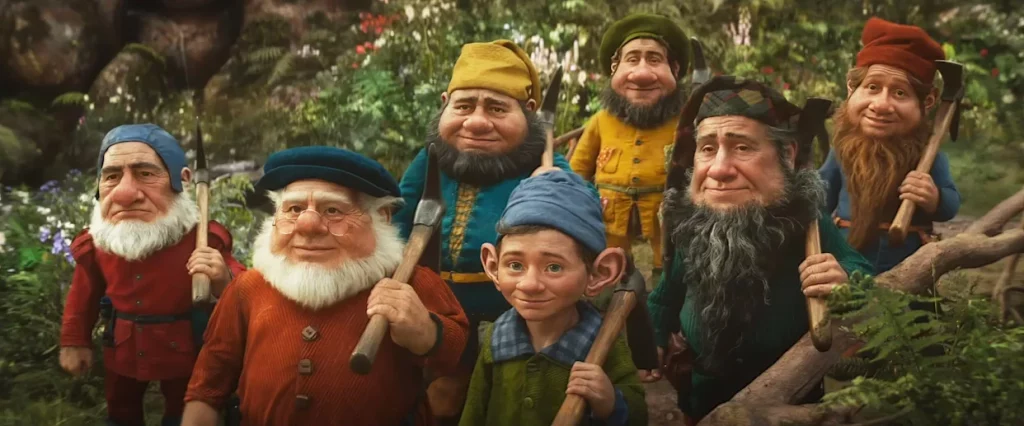
Culture is an asset; its worth is pinned to the collective ideologies we uphold through its exercise. Fairy tales, thus, become invisible agents of prejudice in society, determining attitudes, behaviours, and social norms that ought to be followed. Disability, for instance, is collectively shamed and stigmatised, with conversations surrounding it treated either with discomfort and unnecessary sympathy or with insensitivity, echoed in the crass laughter that accompanies the dialogue. Snow White and Rumpelstiltskin, in a similar way, stigmatise dwarfism, treating the subject indifferently as though it were a disease rather than a natural outcome of evolution.
Unlearning the conventional
Another significant aspect often overlooked during feminist readings of such literature is the treatment meted out to female subjects, reinforcing the irrational belief that “Aurat hi aurat ki sabse badi dushman hoti hai” (women are each other’s biggest enemies). From Snow White’s stepmother who feeds her a poisonous apple out of jealousy of her beauty, to Cinderella’s stepmother and sisters, who confine her to the home out of jealousy, to the “sixteenth fairy” who cursed a spell of infinite sleep over Aurora at not being invited to her birth, fairy tales bear the undertones of female jealousy, pitting women against one another. This is a clear reflection of the extent to which masculine hegemony has paralysed literature meant to cater to children.
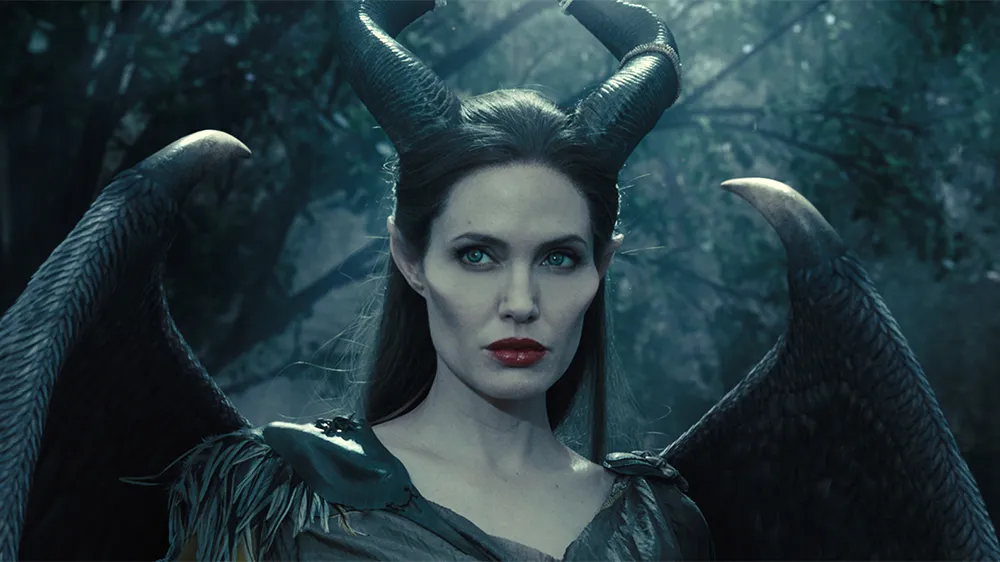
The primary focal length of these books is restricted to the lens of patriarchy, reinforcing those norms that are meant to benefit men and take down women, reducing children’s literature to a gendered battleground of stereotypes. It wasn’t until the script was flipped that the patriarchal ‘Sleeping Beauty’ was adapted into a film, Maleficent, which I decided to watch one day for my love of fairy tales, that I began to realise that the books I had adored till then were, actually, deeply gendered and flawed. Robert Stromberg’s impeccable narration provided a feminist reading of a text heavily infiltrated with gender-based norms, reversing the cards to portray the sixteenth fairy as a victim of destiny, written by a ‘manchild’.
The media does precisely this-it’s long-term exposure shaping our perception of reality by cultivating certain attitudes and simplistic norms. Each time a beauty redeems her beast, or a Cinderella silently resigns herself to her fate, it silently pins the expectation of naivety and submissiveness upon a woman. This is how patriarchy sustains itself in microscopic ways, ultimately propelling these tales to survive on our consent long before we realise we are complicit. For me, being a feminist has largely been about reevaluating the literature I have grown to adore, unlearning the conventional norms it glorifies, and questioning it for the biases it propagates and the norms it sustains.
About the author(s)

Nausheen is currently an undergraduate student pursuing journalism at Lady Shri Ram College for Women, Delhi University. With a keen interest in feminism, geopolitics, and social issues, her passions lie in research, writing, and public speaking. In her free time, she enjoys listening to music, sipping coffee, and playing chess.