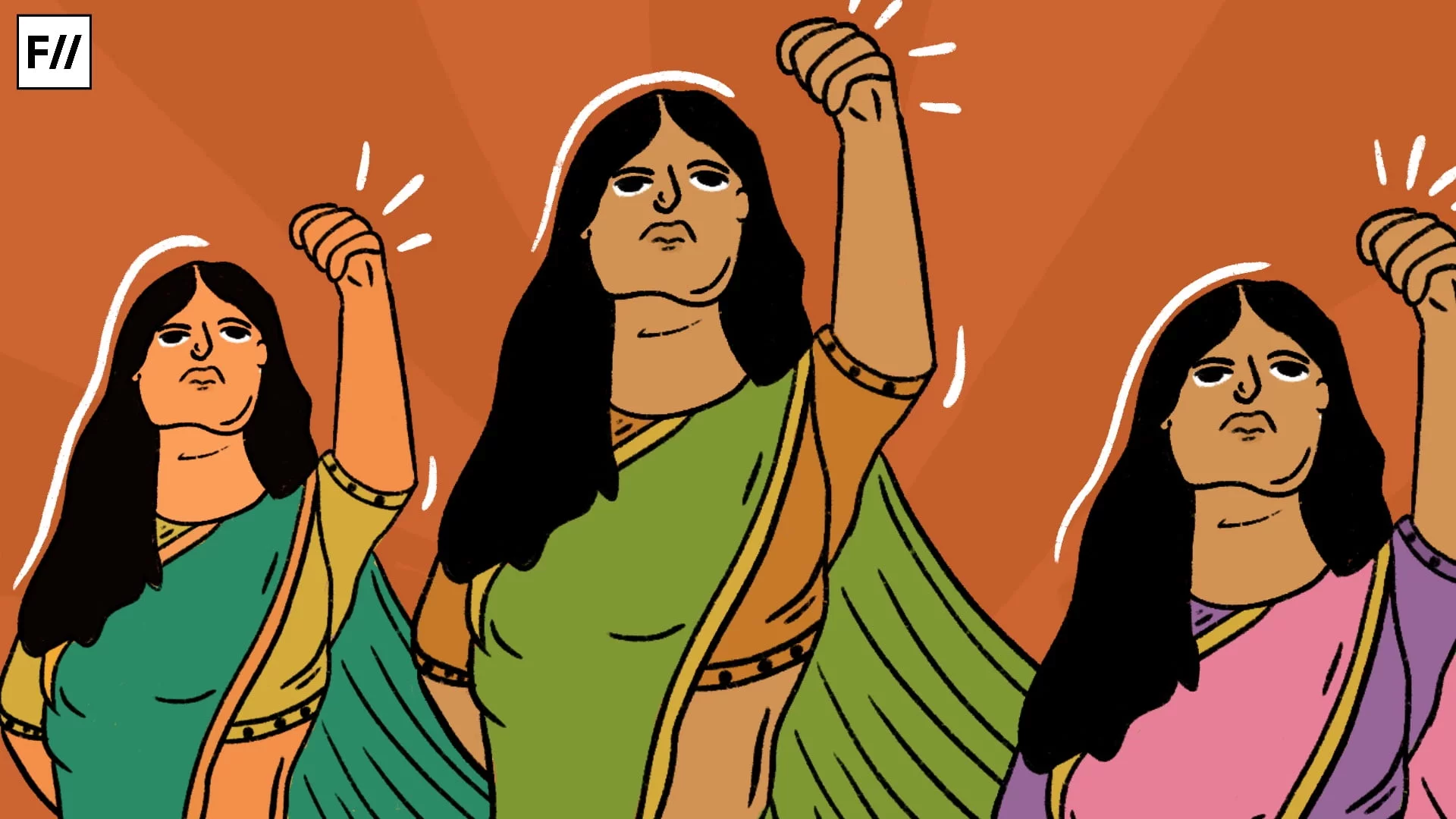
With the appointment of Justice Suryakant as the 53rd CJI, the spotlight once again has turned to the issue of gender representation in the judiciary. Women remain one of the most underrepresented groups in the Indian judicial system. As per the Indian Justice Report, women constitute only 14% of judges in higher courts and a mere 3.1% in the Supreme Court. Among the 34 judges of the Supreme Court, there is only one woman, B.V. Nagarathna. In September 2027, she is expected to become the Chief Justice of India after Justice Vikram Nath, but only for a short span of 36 days. The concern here is that if no woman judge is appointed before she retires, the highest court of the country may not even have a token representation of women.
This deficiency has been flagged by several judges in the past; however, no serious efforts have been taken to correct this imbalance. The major reason for this disparity is the current collegium system for appointing judges to High Courts and the Supreme Court.
According to the Memorandum of Procedure of the Supreme Court, the appointment of judges is decided by the CJI in consultation with the four senior-most judges of the court. After the final recommendations of the CJI, the Union Minister of Law, Justice and Company Affairs puts up the recommendations to the Prime Minister, who then advises the President of India regarding the appointment.
In this highly networked “elitist club,” women and other underprivileged sections of society are at a great disadvantage.
Historical under-representation of women
The Supreme Court of India was established in 1950, but for almost four decades it did not have a single woman judge. It was only in 1989 that Justice Fatima Beevi became the first woman judge, marking a delayed breakthrough in a male-dominated institution. Even after her appointment, progress remained extremely slow. The last appointment of women judges to the court was on August 31, 2021, when the collegium led by then CJI N.V. Ramana appointed three women judges. This was seen as unprecedented because the appointment of three women at once was rare. For the first time, women’s representation crossed 10% in the court. There has also been a complete absence of caste diversity, as there have been no appointments of women from Scheduled Castes or Scheduled Tribes. Justice Fatima Beevi remains the only woman judge from a minority faith.
There is also a significant gender disparity in direct appointments from the Bar (lawyers elevated directly to the Supreme Court). Since 1950, nine male judges have been directly elevated from the Bar, while only one woman — Justice Indu Malhotra — has been appointed through this route. No other woman lawyer has been appointed despite there being several women senior advocates. In fact, there is a noticeable gap in appointing women lawyers as judges in both High Courts and the Supreme Court. The Bar is often considered a pathway into the judiciary and a final phase of a lawyer’s career. However, this pathway does not hold true for women lawyers in India and exposes a glaring area of discrimination within the legal profession.
Need for reform
The number of women judges could rise with better promotional opportunities and gender-friendly infrastructure. According to the report ‘State of the Judiciary‘ published by the Centre for Research and Planning, nearly 20% of district court complexes in 2023 lacked separate toilets for women. Further, this gender imbalance could be addressed through an open national-level competition for judicial appointments, similar to the UPSC model.
This idea is not new. It has also been supported by President Droupadi Murmu. In her Constitution Day speech at the Supreme Court in 2023, she suggested the creation of an All-India Judicial Service. This system would allow judges to be recruited through a merit-based, competitive, and transparent process, offering opportunities to underrepresented social groups.
However, this suggestion has faced setbacks from both the judiciary and the Bar. Their concern is that such a system may lead to executive interference and dilute judicial autonomy. But if the lower judiciary (district courts) — selected through competitive exams — has not suffered executive interference, then how would a similar system affect the independence of the higher judiciary? On the contrary, such competition would ensure transparent selection, reduce bias, and create a more inclusive judiciary.
Way forward
The presence of women judges on the bench is vital, as they bring unique perspectives based on their personal and professional experiences. A diverse bench strengthens public trust and confidence, as it reflects varied social contexts and lived realities. Most importantly, the presence of women judges from different backgrounds in the Supreme Court will help make it a truly representative institution for all citizens.
The Supreme Court of India is the highest court of the country. All its elaborations on gender equality will hold meaning only when there are enough women judges in the top court.
About the author(s)

Shrishti is currently pursuing her Masters in Sociology from Banaras Hindu University. She has a keen research interest in Gender and Digital platform, Gender and Public policy and Media studies.