
She is the CEO. Married with two kids. An invisible lady cares for and cleans after the children. The CEO eats from fine china. But calls her cook an energy vampire. Her bookshelf carries Butler, Morrison, Spivak, Steinem. She quotes them at panels on corporate feminism. But they’re dusted by an unseen worker. Buys pink clothes for her son because she believes in breaking gender norms. Thinks donating torn clothes is noble. The house decor matches the life she thinks she has built. But the people behind the scenes? Nobody notices. The irony is lost on her. Upper caste politics is performative but the housework is real.
I’m not the woman in this essay. I’m upper caste, born into class privilege. But I’m not the CEO in the sea-facing apartment. I don’t employ domestic workers. But I grew up watching it. I’ve seen upper-caste women perform feminism while someone else cleaned their homes. The labour is invisible, we can’t get an accurate count. India’s official count of domestic workers is approximately 4.75 million. But the International Labour Organisation puts the numbers somewhere between 20 and 80 million. I’ve watched the contradictions play out in living rooms and kitchens. That proximity doesn’t make me innocent. But it does mean I know exactly what I’m talking about. And if those of us who’ve seen it up close won’t name it, who will?
When caste decides your feminism
The CEO is not the exception. They are the rule. Savarna women inherit privileges in layers. Caste gave schools and networks. Class added wealth, mobility, access, ease. Feminism gave the language to claim equality. Every barrier she crosses was built on a system. A system that blocked millions of other women before they even got a start. This is not talent. Not merit. This is structure.

Feminism didn’t fail lower-caste women. Upper-caste feminism ignored them. When Savarna women were handed the platform, dalit women were chained to the kitchen floor. When you are at the top, everything looks equal and fair. It’s easy to talk about shattering ceilings when we know someone else is sweeping the shards. Caste decides who sweeps. Dalit, Bahujan, Adivasi women work for pennies and for dignity that society refuses to recognise. Their dreams are deferred and their dignity is stolen. But an upper-caste woman can’t differentiate between inconvenience and oppression.
Author Neymat Chadha in her paper “Domestic Workers in India: An Invisible Workforce“, examines how caste dictates work. She writes, ‘Caste plays a critical role in the organisation and delegation of tasks which fall under the purview of paid domestic work. Rooted in notions of purity and pollution it is often argued that cooking is a task limited to Brahmins and other upper castes,’
Caste is not just another layer of oppression. It is the foundation. It decides what work a woman will do and how much her labour is worth. Domestic and construction work, manual scavenging, animal skinning are all caste based occupations. Society calls it low or “unclean”. The women who do them have been from lower castes for centuries. Also, these jobs are always underpaid.
A Dalit woman with class mobility has more power than a Dalit woman without it. But she doesn’t have the same structural protection as an upper-caste woman.
But here’s the uncomfortable truth: class mobility doesn’t erase caste. Caste and class privileges don’t map neatly onto each other. A Dalit woman with class mobility has more power than a Dalit woman without it. But she doesn’t have the same structural protection as an upper-caste woman. She’s still navigating a system designed to exclude her. A lower-caste woman who gains wealth and hires help is not the same as an upper-caste woman doing the same. The power dynamics and structural safety is different. But exploitation is still exploitation. And if we’re serious we have to name that too.
When caste decided to bargain with capitalism
Upper-caste feminism could have chosen liberation from patriarchy and even caste. Instead, they betrayed the movement. They fought against one oppression and fell into the other. They chose more labour. They pushed more women into the labour force. They forced paychecks to define women’s potential. But the working class was already in the system. Instead, they got pushed into alienation. What liberated them originally, now kept them at the bottom. They were just handed a new definition of success.
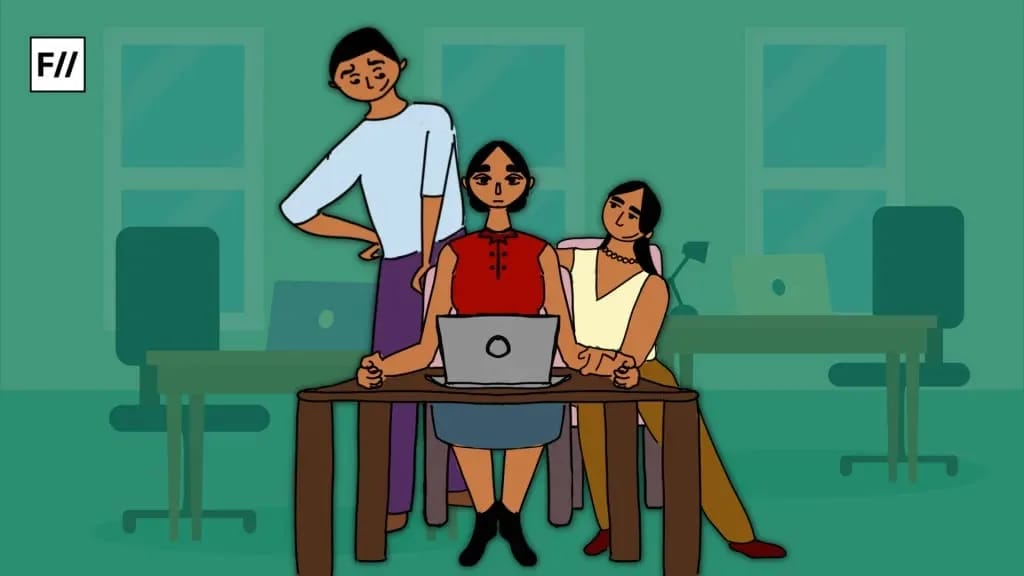
What do we imagine when we talk about lower-caste women’s “potential”? Corporate slavery? Or living an upper-caste woman’s life? That’s not liberation. That’s assimilation. Caste doesn’t just block opportunities, it shapes our worth and wants. Often, marginalised people are forced to aspire to the same structures that oppressed them. Liberation means redefining success. It means they, and not their castes, define their own success.
Feminism is a necessity. But in upper caste contexts, it is written in white-collar offices and celebrated in classrooms. It only serves savarna women. They claimed liberation while depending on exploitation. It empowered them so much that they are blind to the struggles of marginalised women. They speak at lectures and panels on progressive mindset and modernity but never face real struggles. Booking a cab because the driver is on leave is not oppression. It is hypocrisy and we should fear their allyship. They collect applause and leave the rest holding the floor.
But let’s be clear: savarna men benefit from the systems too. The difference? They never claimed to care about gender equality in the first place. It is the women who talk about empowerment. Savarna women stand on platforms to sound progressive and say we need more marginalised voices. But who decides who gets the platform? Them! As long as they hold the keys and control the narrative, others just face exploitation and are written off. Patriarchy and caste system don’t operate separately. They piggy-back on each other.
When caste decides your economic conditions
Choice is a privilege that the upper castes have. The choice to study a course of their preference, wear what they like, marry who tthey love, work where they want to, and decide their place of residence: there are options available to them. Other women’s lives are predetermined by caste. Some castes are excluded from the education system and pushed into labour. Their marriages are mostly meant to ensure social security. There are no ceilings to shatter, there are walls to break. No talent or ambition matters. The cost of hunger and the dignity of life dictate your choices.
There are no ceilings to shatter, there are walls to break. No talent or ambition matters. The cost of hunger and the dignity of life dictate your choices.
Caste decides your mobility too. The more mobility you have, the better you get paid. No school education or no knowledge of English means no network and no dignity. The system traps them. Their labour becomes cheap and demanding more is discouraged. This is social engineering, not economics. Different castes create different wages. Savarna women are “working women” and lower caste women are “help”. Their caste separates labour from skill.
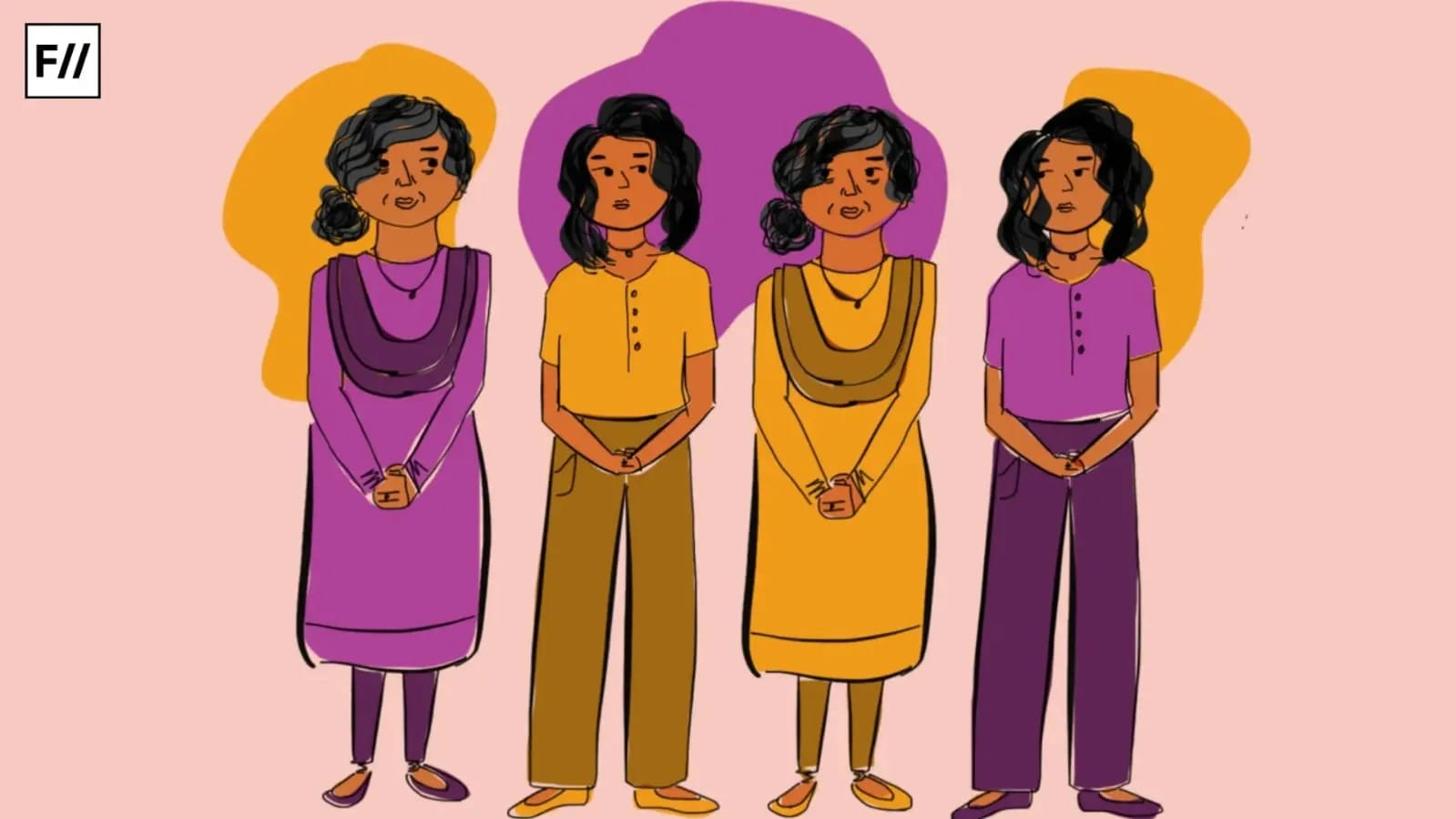
This is a global phenomenon. Savarna feminism mirrors white feminism. On one hand, they tweet about empowerment, and on the other, they exploit marginalised labour. The pattern is universal. Every time, a privileged woman has claimed liberation, it has been won through the exploitation of the marginalised. The mechanics remain the same, even if the structures are different.
When caste decides labour cost
Recently, the Karnataka Labour Department proposed the Karnataka Domestic Workers (Social Security & Welfare) bill. The aim is to provide basic protection to approximately 15 lakh domestic workers. Some promises include- minimum wages, maternity benefits, better working conditions, a dedicated welfare board etc. The bill mandates written agreements and violations carry penalties of INR 50,000 or six months’ imprisonment.
But civil society groups and RWAs have raised concerns. They believe the bill is punitive. It needs more clarity and balance to be inclusive and constructive.
In India, domestic work is treated as service and not skill-based work. It holds an essential role in the economy yet the working conditions are precarious. Little social security and no protection is given under law. Priyashikha Rai in her paper “Delineating the Status of Domestic Workers in India“argues the same. Labour policies in India are poverty alleviation schemes and not a rights-based issue.
But how are the wages for domestic work decided? Who decides them? What are the markers? There is no-skill-based pricing. Again, caste decides what they are worth. Caste is a silent algorithm running the economy. A domestic worker in Delhi earns ₹8,000-₹12,000 a month. Sixteen-hour days. No contract. An entry-level HR coordinator earns ₹40,000. Eight-hour days with benefits. The skill gap is minimal. The caste gap is decisive.
A domestic worker in Delhi earns ₹8,000-₹12,000 a month. Sixteen-hour days. No contract. An entry-level HR coordinator earns ₹40,000. Eight-hour days with benefits. The skill gap is minimal. The caste gap is decisive.
But are fair wages and contracts a solution? They are a reform. They make the exploitation dignified, but don’t end it. Mandating fair wages is a progressive scheme. But does that change the power the caste system has? Caste will decide who scrubs the toilets. We can institutionalise labour as much as we want. But it only shifts the bureaucracy and exploitation. It doesn’t end anything. Also, if we take away their jobs, we take away their source of earning. There is no clean solution. But ignoring the question is its own form of complicity.
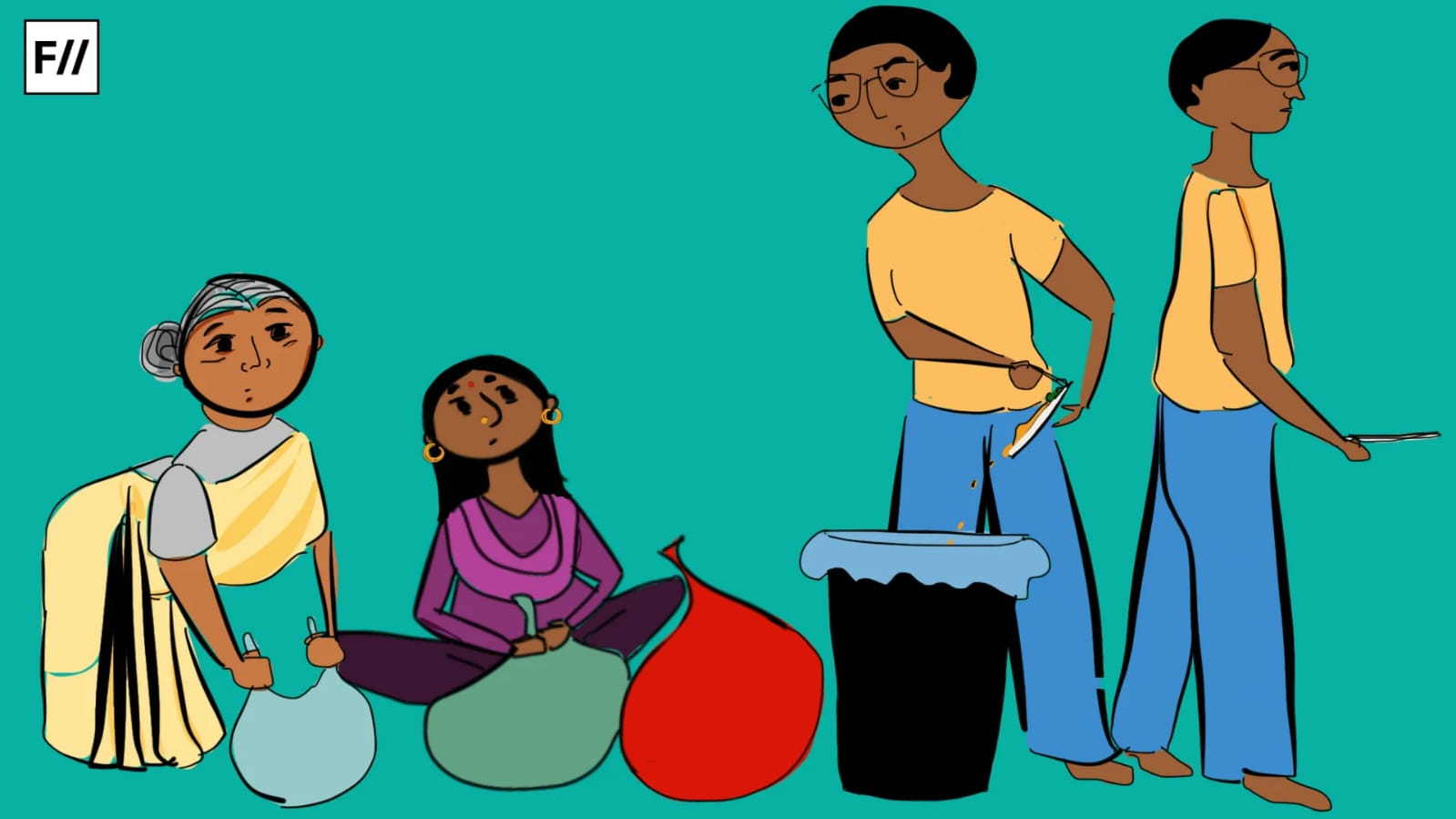
No question has an easy answer. Fair wages are always better than minimal wages. Amplifying marginalised voices is better than silencing them. Doing your own work is better than exploitation. But none of this addresses the devaluation of work. The point is, we need to stop pretending the problem doesn’t exist. Savarna feminism has celebrated its own freedom and ignored the labour that makes the freedom possible. Naming the contradiction is the first step.
The marginalised women run the empire. They free you from doing manual labour and help you chase your dreams. They give you the ground and the wings to fly. Because caste broke theirs. Just dreaming of air-conditioned apartments and corporate boardrooms is not a celebration of freedom. We have just replaced jobs with even more cheap labour.
Savarna feminists must cede control, not just space. If your feminism cant lose control, you are not a feminist.
It is important to create space for opportunities so that everybody can decide for themselves. Savarna feminists must cede control, not just space. If your feminism cant lose control, you are not a feminist. You are not fighting for liberation. Ultimately, we must ask ourselves: can our feminism survive when we have no power or control? Can it survive if we are named complicit?
If not, we have performance, not feminism.



What a great piece, Great work. thanks.