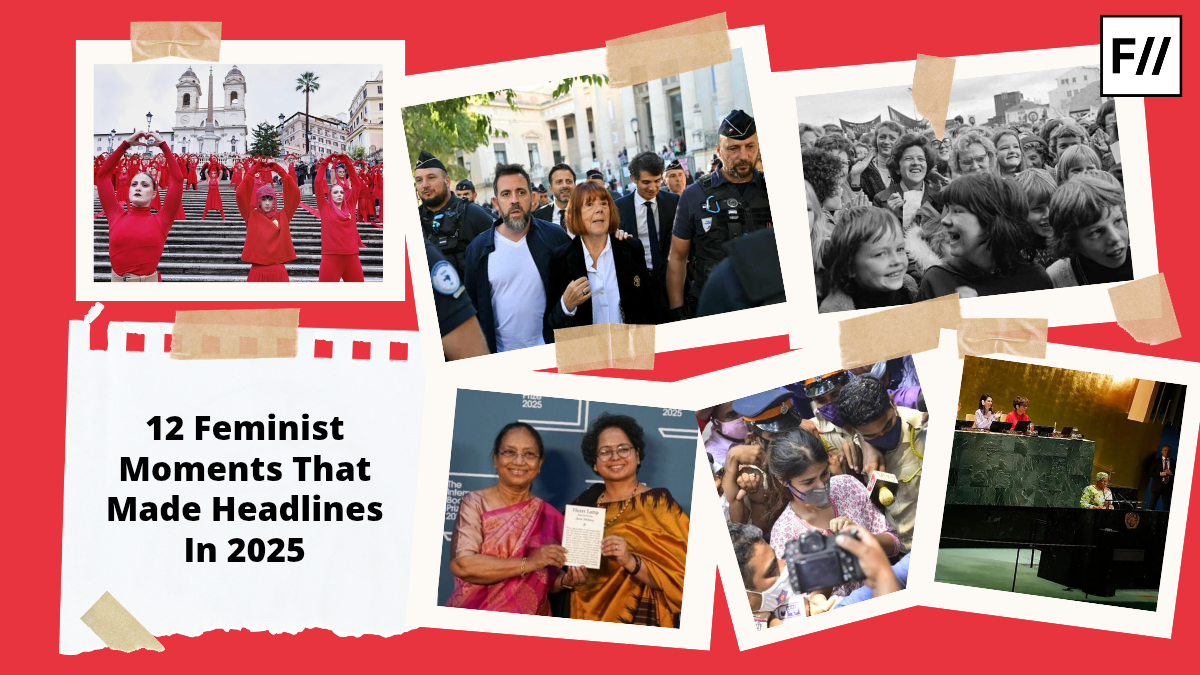
Feminist discourse and advocacy in 2025 was shaped by a series of historic wins that cut across art, politics, sport, and internet culture. These moments of triumph pushed the feminist conversation forward and forced everyone to confront urgent questions about power, freedom, and consent. Together, they offered a vivid snapshot of how feminism continues to evolve and expand around us.
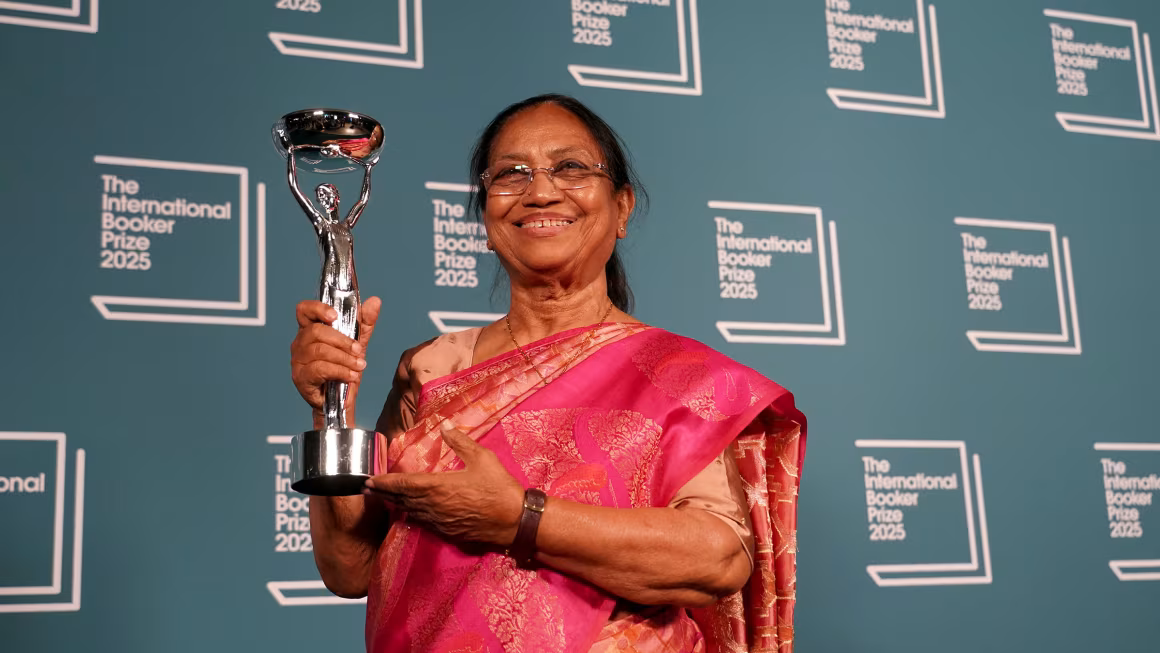
1. Banu Mushtaq won the 2025 International Booker Prize
2. Anuparna Roy winning Best Director at Venice:
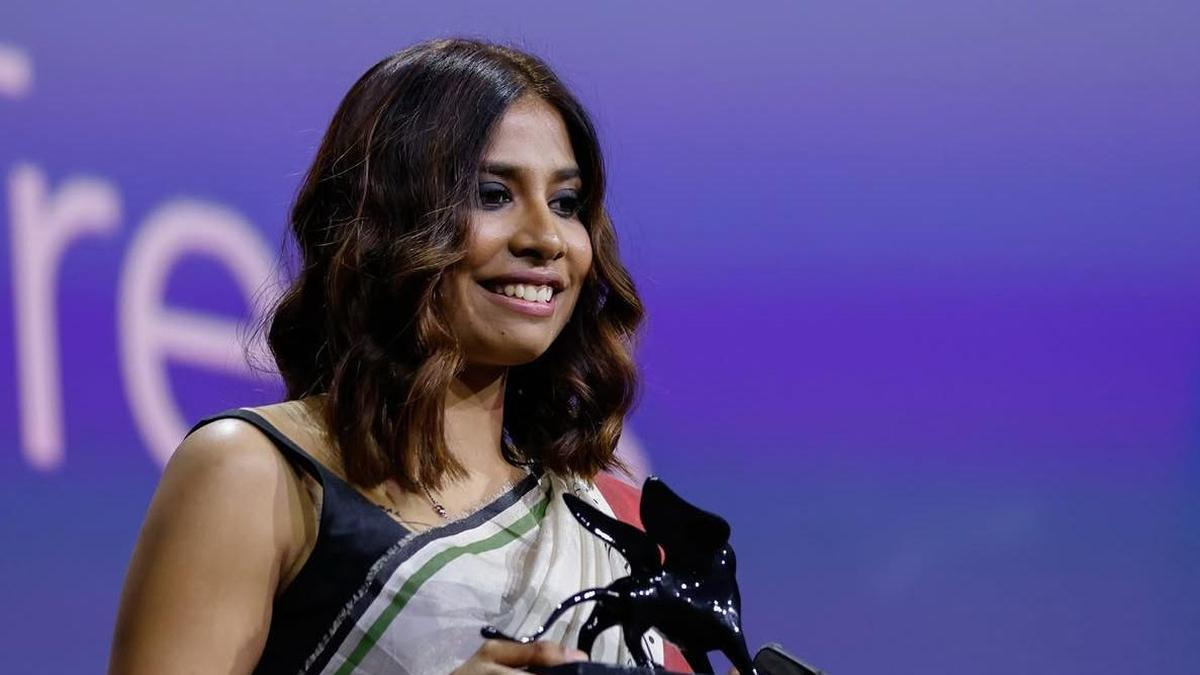
Anuparna Roy winning the Best Director (Orizzonti section) at the 82nd Venice Film Festival—making her the first Indian to receive the honour—felt like a victory not just for one filmmaker, but for generations of women whose stories have been ignored, silenced, or rewritten. Her debut feature, Songs of Forgotten Trees, is a tender portrayal of two migrant women in Mumbai who find kinship in each other’s company. Now counted among India’s most exciting new filmmakers, Roy continues to return to the women who shaped her feminist imagination, insisting that their lives deserve the same tenderness, complexity, and visibility that cinema has long reserved for men.
Roy continues to return to the women who shaped her imagination, insisting that their lives deserve the same tenderness, complexity, and visibility that cinema has long reserved for men.
Anuparna also used the moment to speak about Palestine, saying, ‘Every child deserves peace, freedom, liberation, and Palestine is no exception. I don’t want any claps for this; it’s a responsibility. Think for a moment and stand beside Palestine. I might upset my country, but it doesn’t matter to me anymore.‘
3. Rhea Chakraborty’s Acquittal:
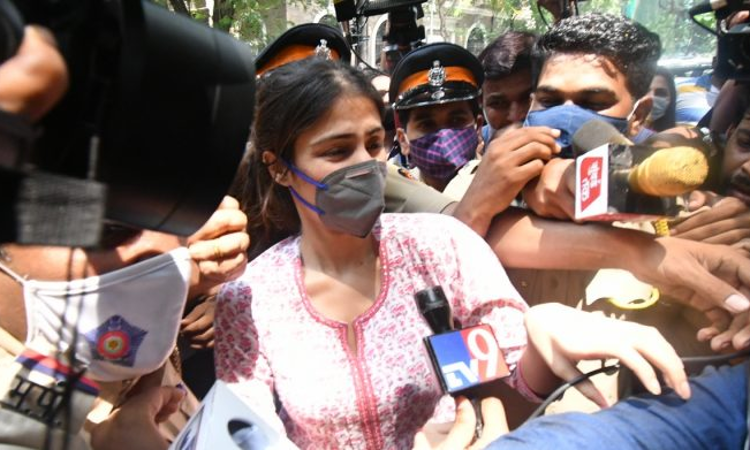
When the CBI finally closed its investigation in March 2025 and cleared Rhea Chakraborty of all charges in Sushant Singh Rajput’s death, it marked the end of one of the most vicious public humiliations a woman in India has endured in recent times. Long before any facts were established, Rhea had already been cast as a villain, a witch, a gold-digger, a manipulator, and even a murderer.
The CBI’s finding that Rajput had died by suicide and that no foul play was involved only underscored how deeply public opinion and media trials had overridden due process. For many, the verdict was not just a legal closure but a stark reminder of how quickly society believes the worst about women—and how rarely it apologises when proven wrong.
4. Dr Sivaranjani Santosh’s historic win:
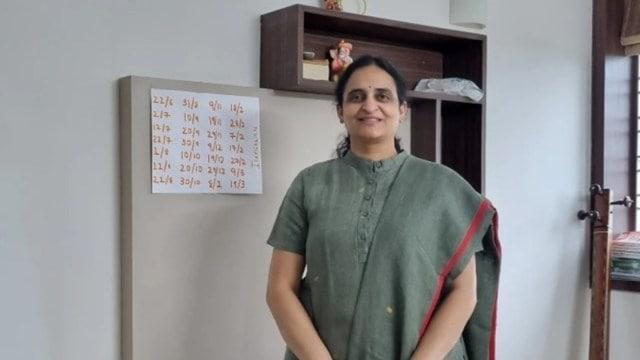
An eight-year-long campaign led by Dr. Sivaranjani Santosh, a Hyderabad-based paediatrician, resulted in the Food Safety and Standards Authority of India (FSSAI) issuing a directive instructing food business operators (FBOs) to remove the term “ORS” from their product names. For nearly a decade, Dr. Santosh has been raising awareness about how certain companies have misled the public by branding sugary drinks as ORS, thereby endangering lives by worsening conditions such as diarrhoea in children.
Dr. Santosh has been raising awareness about how certain companies have misled the public by branding sugary drinks as ORS, thereby endangering lives by worsening conditions such as diarrhoea in children.
Dr. Santosh highlighted that ‘around 13 out of every 100 child deaths in this age group are due to diarrhoea.’ In an emotional post on social media, she wrote, ‘We’ve won the battle.’
5. Varsha Deshpande honoured with 2025 U.N. Population Award:
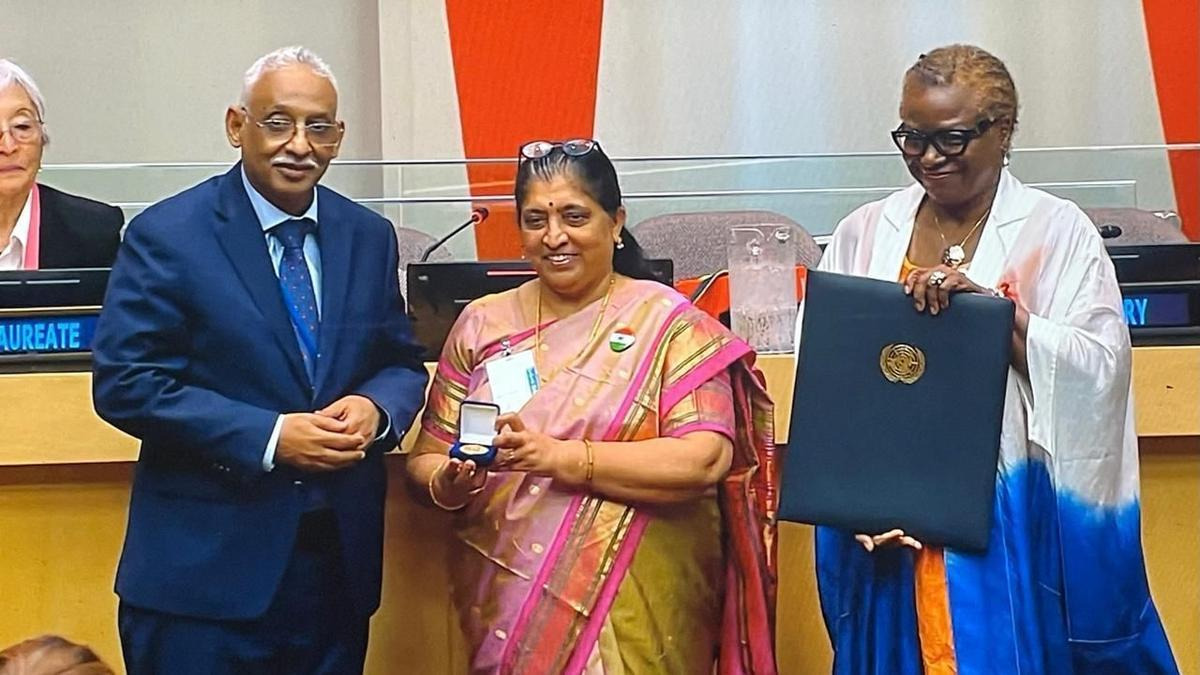
Maharashtra-based women’s rights activist Varsha Deshpande was awarded the 2025 U.N. Population Award for her pioneering work on gender equality in India. She is only the third Indian to receive this prestigious honour. Among her many contributions, Deshpande has spent decades working tirelessly to combat gender-biased sex selection and address the country’s declining sex ratio. In a written statement, she said, ‘The award is a recognition of my efforts to address gender-biased sex selection and the declining sex ratio.‘
6. Supreme Court’s landmark ruling on Maternity Leave:
In 2021, a female schoolteacher’s application for maternity leave was denied by the Tamil Nadu education department on the grounds that she already had two children. As per state rules, maternity benefits did not apply to her The Supreme Court overturned the Madras High Court ruling which upheld the disqualification, emphasising that denying maternity leave on such a ground violates the spirit of equality and dignity guaranteed to every woman.
In a historic ruling, the Supreme Court of India declared that availing maternity leave is not a privilege but a fundamental right for all working women. The apex court reinforced that under Article 21 of the Constitution, motherhood and maternity care are fundamental to a woman’s right to life and dignity. The ruling was hailed as a feminist affirmation of women’s constitutional and human rights.
7. French Parliament amending rape laws to include consent:

In October, the French Parliament formalised an amendment to existing rape laws, modifying the legal definition of sexual assault and rape. Previously, rape or sexual abuse in France had been defined as ‘any form of sexual penetration committed with the use of violence, coercion, threat or surprise.’ Under the amended law, any sexual act committed without consent now constitutes rape. The bill also clarifies that consent must be ‘free and informed, specific, prior and revocable.’
The two MPs who drafted the amendment described it as a ‘historic victory‘ and hailed it as ‘a major step forward in the fight against sexual violence.’ The reform gained momentum following public outcry over last year’s Pelicot rape trial, in which 50 men were convicted of sexually assaulting and raping 77-year-old Gisèle Pelicot while she was drugged unconscious by her husband, Dominique Pelicot.
8. Italy recognising Femicide as a distinct crime:
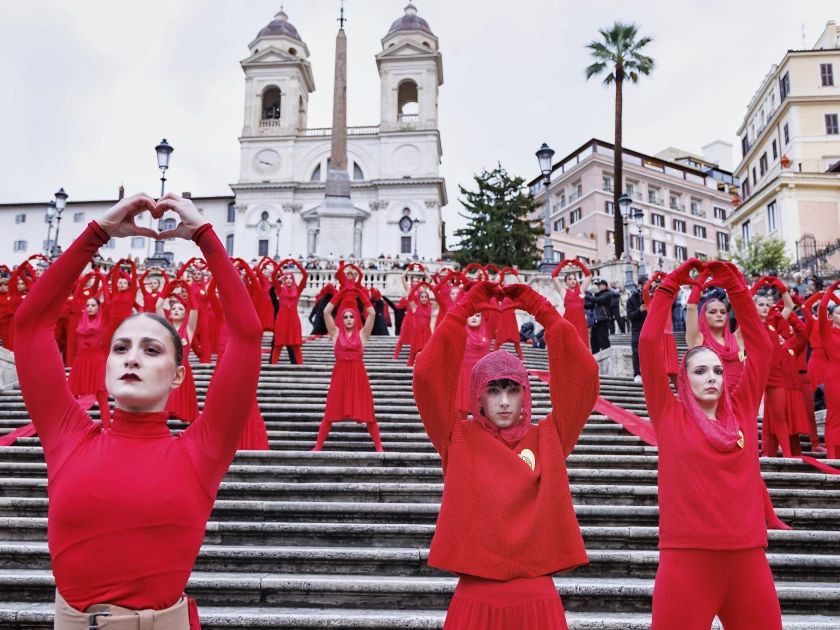
In November, in a historic move, the Italian Parliament voted unanimously to introduce the crime of femicide—the murder of a woman motivated purely by gender—as a distinct offence punishable by a life sentence. The bill was approved on the International Day for the Elimination of Violence Against Women. Although the idea of a femicide law had been debated in Italy for years, the murder of Giulia Cecchettin—a 22-year-old stabbed by her ex-boyfriend, Filippo Turetta, and whose body was wrapped in bags and left by a lakeside—shocked the nation into action.
Although the idea of a femicide law had been debated in Italy for years, the murder of Giulia Cecchettin—a 22-year-old stabbed by her ex-boyfriend, Filippo Turetta, and whose body was wrapped in bags and left by a lakeside—shocked the nation into action.
When Giulia’s sister, Elena, remarked that ‘the murderer was not a monster, but the healthy son of a deeply patriarchal society,’ her words galvanised crowds across Italy demanding change. Two years later, MPs passed a dedicated femicide law, making Italy one of the few countries to recognise femicide as a distinct crime.
9. Colombia banning child marriage:
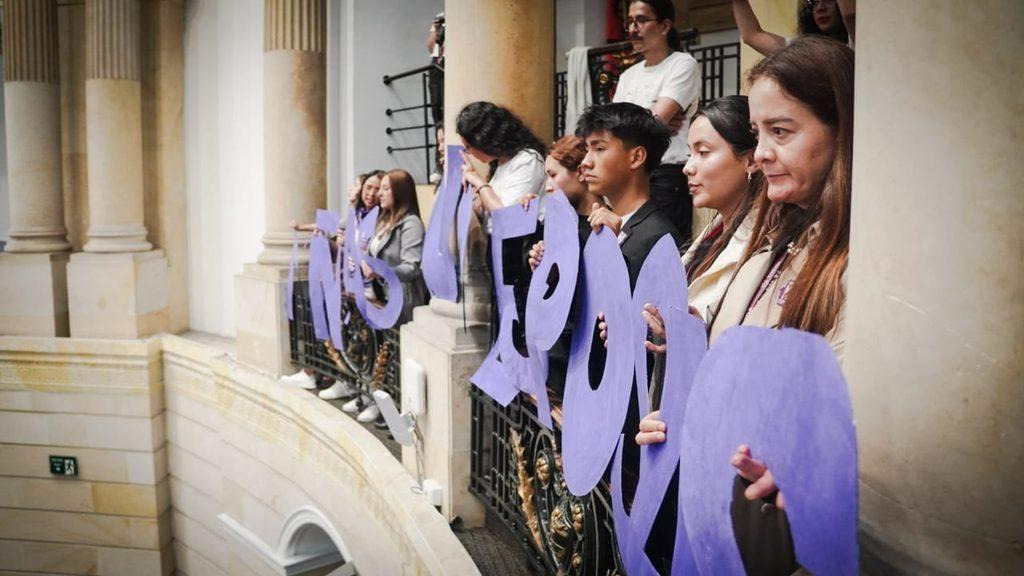
After years of failed attempts, Colombia’s President Gustavo Petro enacted Law 2447 of 2025, banning child marriage in the country. The new law prohibits all forms of marriage in which one or both parties are under the age of 18, without exception. This marks a significant step toward eliminating child marriage in Latin America—the only region in the world that has failed to reduce child marriage rates over the past 25 years.
In Colombia, around 23% of girls and adolescents marry or enter unions before turning 18, with the figure rising to between 40% and 65% in rural and indigenous communities. Advocates credit part of this legislative success to the Colombian Congress, which is now 30% women-led. Videos of lawmakers celebrating in the chamber moments after Colombia’s Senate passed the bill quickly went viral on social media, forging a powerful feminist victory for girls’ rights in the region.
10. Brazil approves law strengthening protective measures for female victims of gender-based violence:
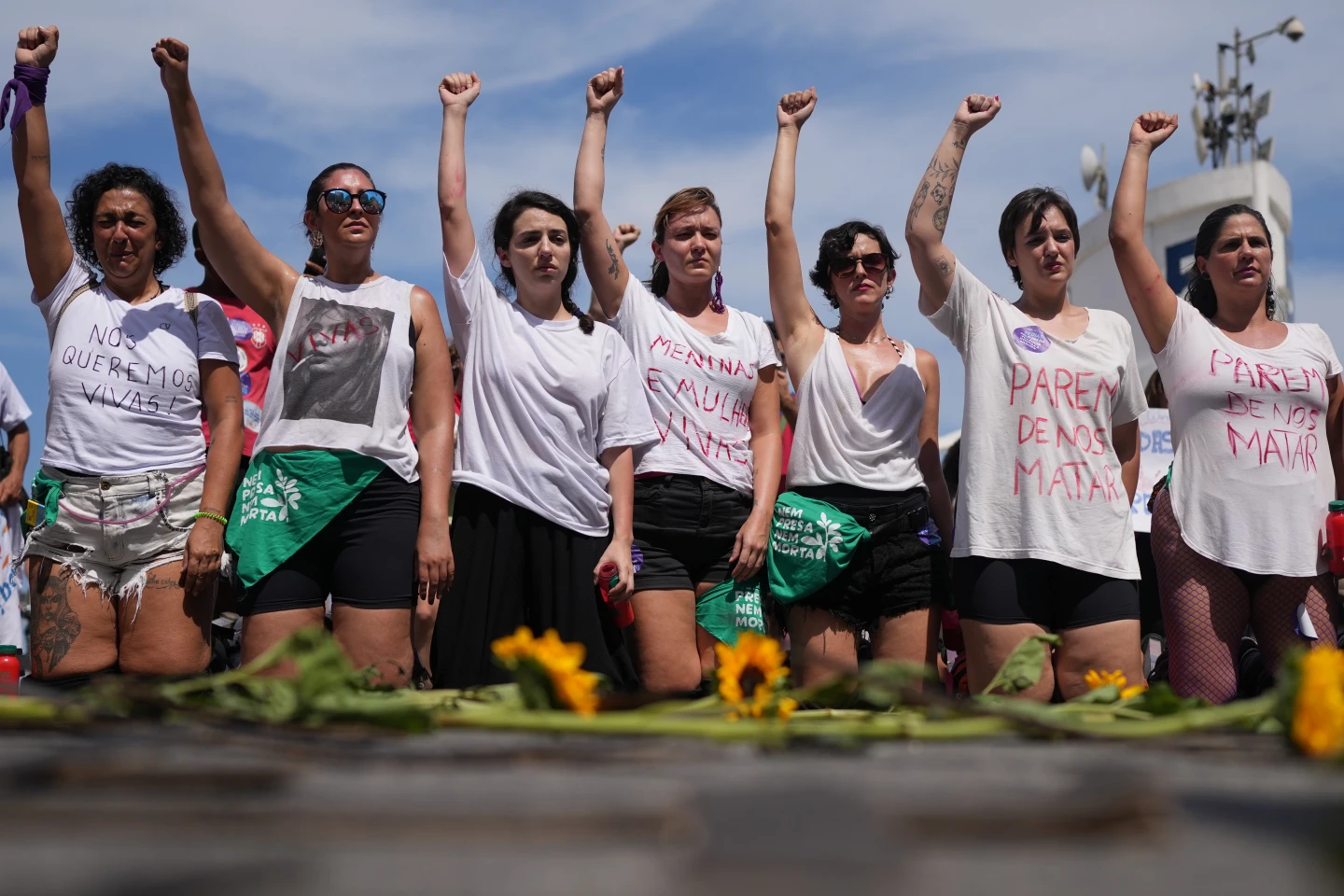
Under mounting pressure from public outrage over record levels of violence against women, the President signed a new law this month reinforcing protective measures for victims of gender-based violence. The law empowers judges to take immediate actions to safeguard victims, including suspending or restricting an abuser’s gun ownership, removing the abuser from the victim’s home, and prohibiting any form of contact with the victim.
The law empowers judges to take immediate actions to safeguard victims, including suspending or restricting an abuser’s gun ownership, removing the abuser from the victim’s home, and prohibiting any form of contact with the victim.
The legislation also increases penalties for the rape of children under the age of 14, raising the maximum sentence from 15 to 18 years. In cases where a child is raped and killed, the punishment now ranges from 20 to 40 years in prison, up from the previous 12 to 30 years.
10. Iceland marks 50 years since Women’s Day Off protests:
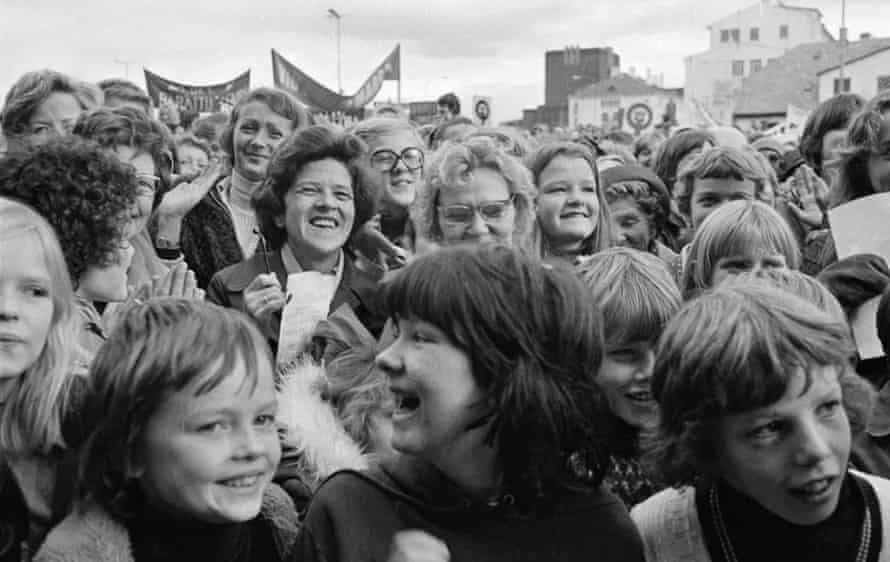
Iceland marked 50 years since the historic “kvennafrí” (Women’s Day Off) protests that helped ignite a global gender equality movement, when 90% of Icelandic women stopped work and 25,000 gathered in Reykjavík’s city centre demanding change.
Today, Iceland is the only country to have closed more than 90% of its gender gap, and for the first time in its history, all national leadership positions—including the president, prime minister, bishop, and police chief—are held by women.
The strike led to sweeping feminist reforms, including the election of the world’s first female president, Vigdís Finnbogadóttir, who set the country on a path toward becoming a global leader in gender equality. Today, Iceland is the only country to have closed more than 90% of its gender gap, and for the first time in its history, all national leadership positions—including the president, prime minister, bishop, and police chief—are held by women.
12. World leaders place women’s empowerment, gender equality at the heart of multilateralism:
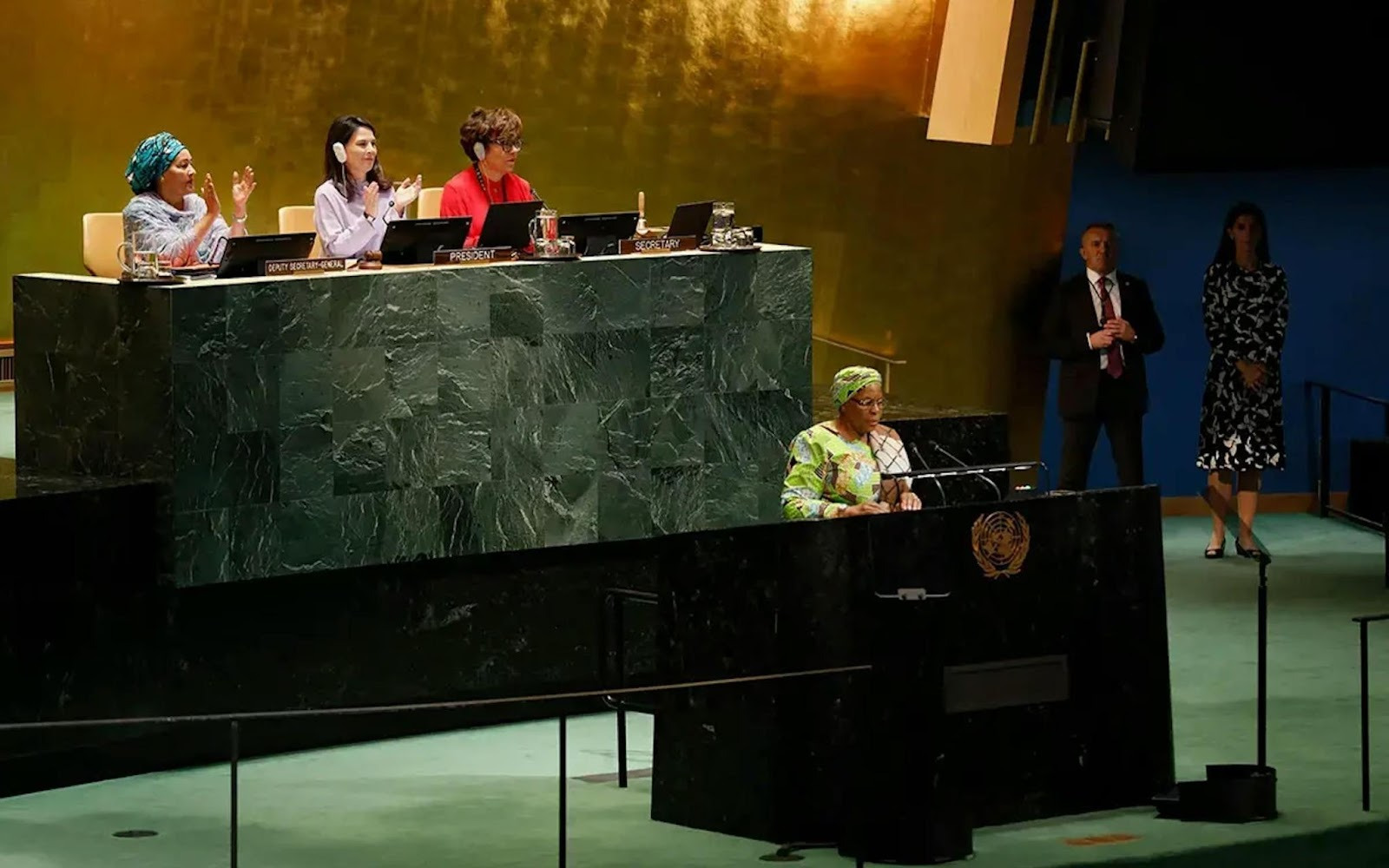
Thirty years after the world committed to the Beijing Declaration and Platform for Action and fifteen years after the founding of UN Women, 2025 marked yet another milestone in global efforts to centre gender equality. Against this historic backdrop, leaders from around the world gathered at the High-level Meeting of the General Assembly on the Thirtieth Anniversary of the Fourth World Conference on Women. They celebrated the Beijing Declaration as the most visionary and groundbreaking global feminist agenda for gender equality and issued a call to reaffirm that the rights of women and girls must remain a unifying force.
World leaders moved beyond words to action: 109 national governments mobilised 212 national commitments under the Beijing+30 Action Agenda, forging the strongest multilateral stand for women and girls in the past three decades.
As we draw these threads together, it becomes clear that this year’s feminist flashpoints were not isolated incidents but part of a larger, accelerating shift in how gender is understood and negotiated. The debates and disruptions of this year have widened the space for more honest conversations and sharper demands, setting the stage for stronger narratives on bodily autonomy, gender rights and intersectional feminism to claim the spotlight. If these moments have shown us anything, it is that the feminist movement is not only alive but restless, insisting on being heard and seen.
About the author(s)

Adithya (he/him/his) is a political consultant specializing in research and communications, currently on a ‘strategic sabbatical’ to pursue his passion for writing. Beyond engaging in political debates, he is drawn to reading and film, especially works that challenge the status quo. He has a particular affinity for works on feminism, geopolitics, and history.