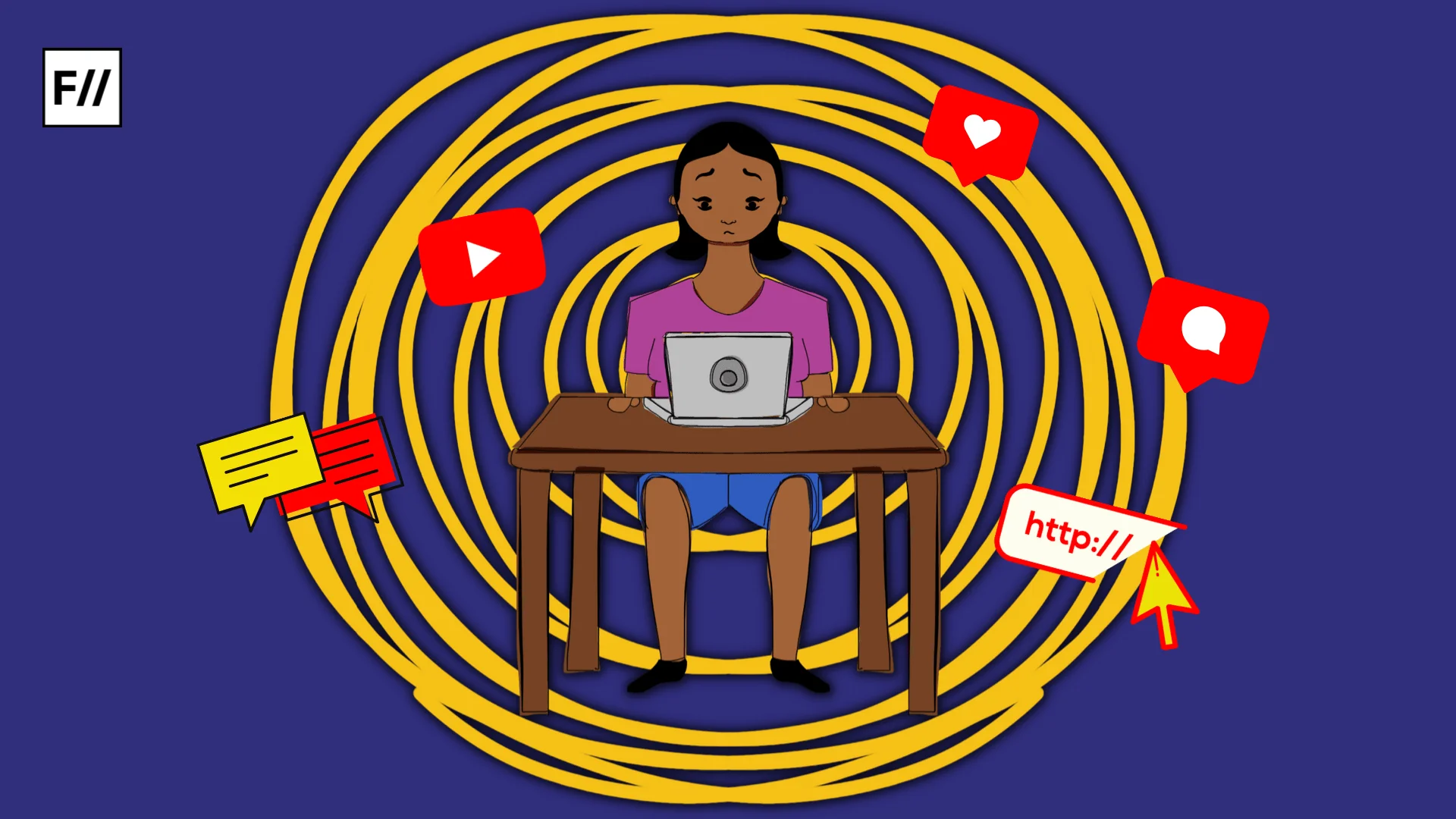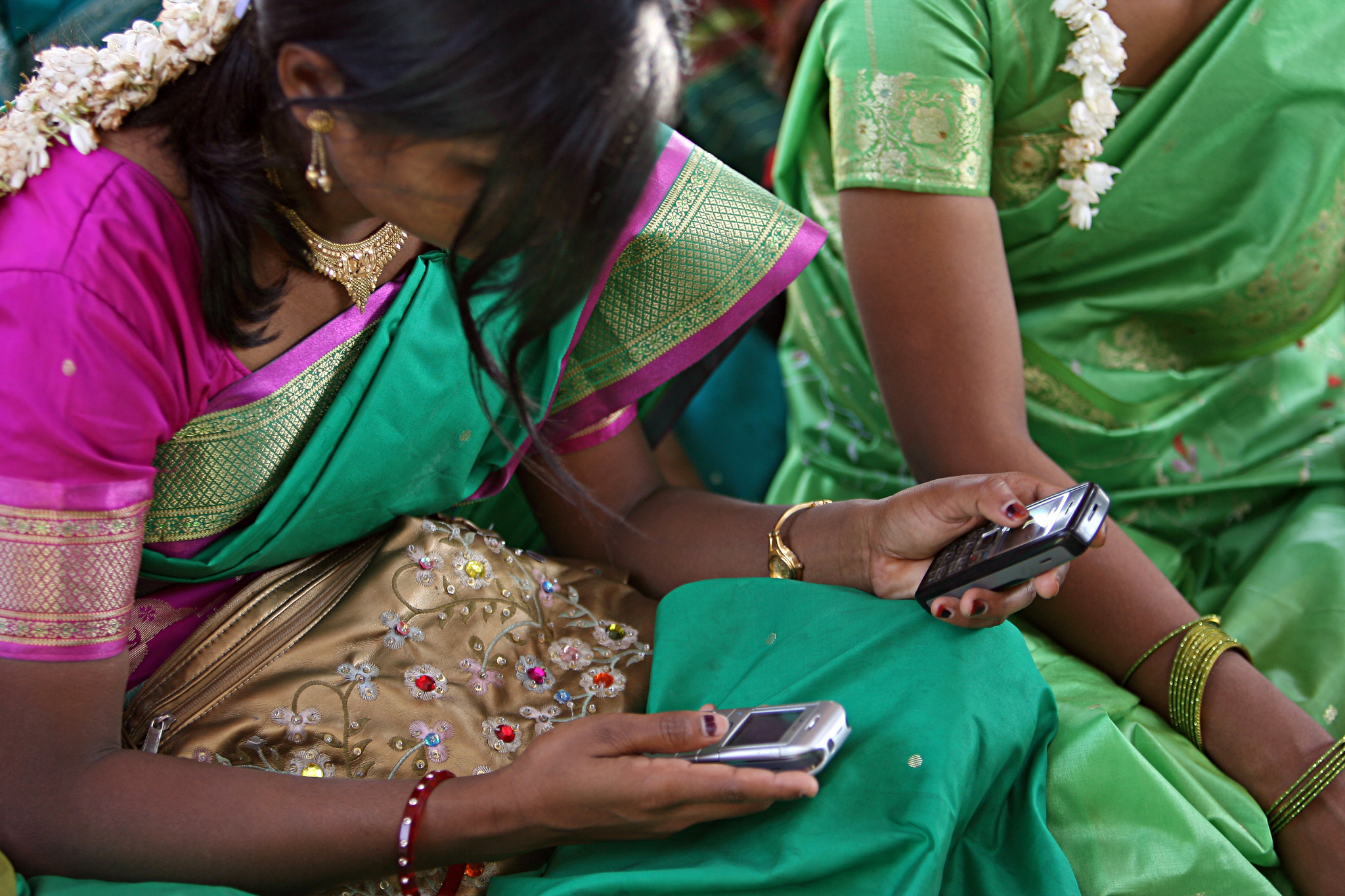
India has one of the world’s fastest-growing internet populations, with millions coming online every year. Yet a large gap remains between men and women in how they access and use phones and the internet. Women often face more restrictions, own fewer devices personally, and have less freedom to explore digital spaces.
Recent data highlights this divide. According to the GSMA Mobile Gender Gap Report 2024, women in India are 30% less likely than men to use mobile internet, though the gap has narrowed from 40% in previous years. Women’s mobile internet adoption now stands at 37%, while many still rely on borrowed or family-controlled phones.
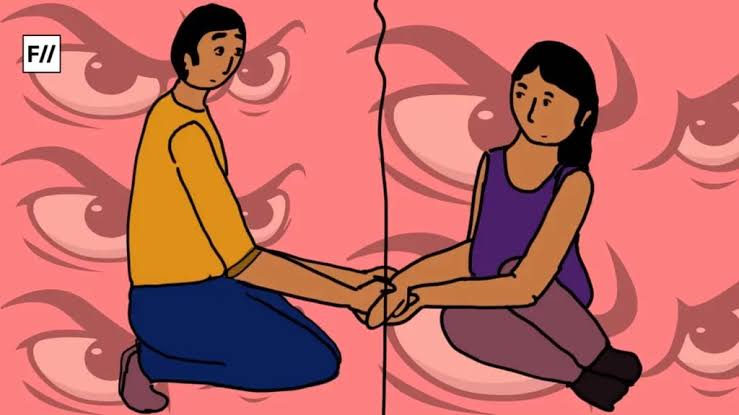
These restrictions limit privacy and freedom. For many women, the phone is not fully their own—it comes with family oversight, especially over what they post or view.
The story of 55-year-old Meena Kashyap from Gwalior, Madhya Pradesh, brings this problem to life in a simple and powerful way.
Meena lives in a joint family. Her husband is a lawyer, one son works in the income tax department, another is a police officer, and the youngest son is looking for a job. Meena studied up to class 10 and works as an Anganwadi helper. Her job is to provide food, health check-ups, and early education to children from poor families.
Before joining, Meena had never made a video reel. Now she knows how. “I had some idea about these issues earlier,” she says with a smile, “But KhelBadal helped me see them clearly and put names to them.”
She worries about what people will say. “My family or others might laugh at me,” she adds. Her youngest son checks her phone settings and tells her to post only “safe” things like festival photos, family events, or recipes. Anything more personal is not allowed.
Even small daily choices show the same pattern. Meena finds salwar suits more comfortable than sarees, but her family says older women should wear sarees because they look better and avoid “problems”. Her daughters-in-law can wear suits, but jeans are still not accepted.
Household work follows the same rules. When Meena was sick once, her husband did not bring her even a glass of water. She tells this story calmly, not with anger, but to show how caring for others is seen as women’s work only.
Many women in India feel the same fear. They hold back from posting or speaking openly because they worry about online abuse or family criticism.
This idea makes sense. When women bring in money, families often give them more respect and freedom, including over their phones and online activities.
Many women in India feel the same fear. They hold back from posting or speaking openly because they worry about online abuse or family criticism. Younger women often have a little more room, especially if they earn money or study. Meena notices this—she sees nieces and neighbours’ daughters posting photos and videos with more confidence.
Change is happening slowly. The rise in women internet users to 47% shows more are finding ways online, and programmes like KhelBadal are helping them find their voice. Meena may not post reels regularly yet, but she has already taken an important step: she now sees the restrictions clearly and can name them.
Her story is not about loud protests. It is about quiet awareness and the small hope that one day she—and millions of women like her—will have the simple right to speak online without fear or permission.
India’s digital growth will only be complete when women of all ages, from cities and towns, can use the internet as freely as men. Until then, stories like Meena’s remind us that the digital world still has many locked doors for women.
About the author(s)

Video Volunteers works to centre the lived experience of marginalised communities in public discourse and decision-making. Over the past 20 years, we’ve supported community-led reporting models in India and globally, enabling people to document issues affecting their lives and push for accountability. In India, our network of Community Content Creators has produced over 18,000 videos on local governance and social justice issues, contributing to more than 3,200 documented resolutions and impacting over 42 million people. Our work focuses on strengthening accountability, amplifying citizen voice, and using accessible technology to make institutions more responsive.