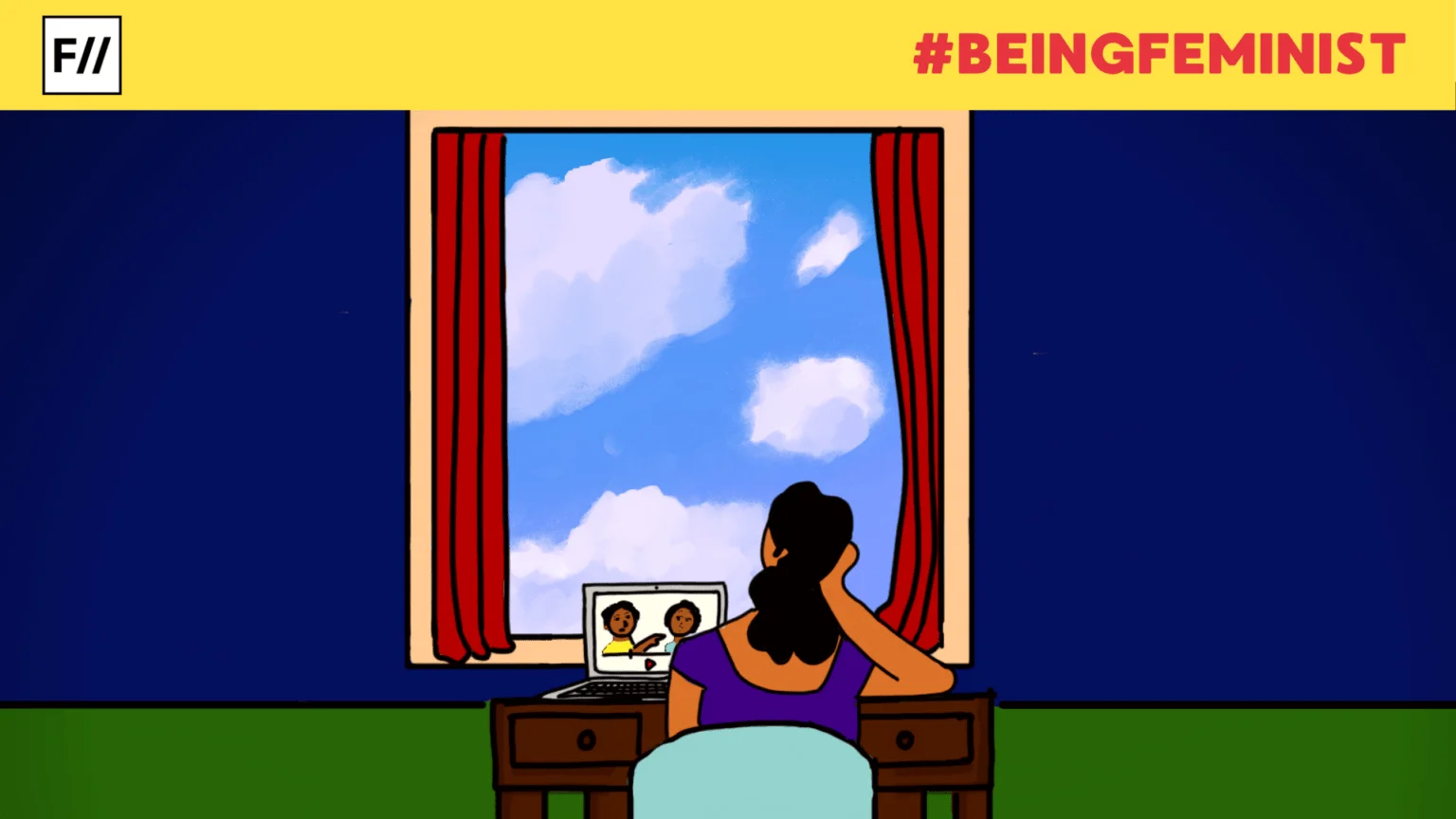
An everyday act, a willingness to accept responsibility for myself, without diverting blame or without excuses is something that did not quite come naturally. It came from years of anger in part and from the act of recognising myself partly. Being feminist in everyday life to me is the act of being in agreement with myself, without seeking approval from others. Being in agreement with myself largely refers to an integrity towards myself and what I know. Integrity in this sense does not imply moral superiority.
Instead, it implies an internal alignment, a sort of coherence of thoughts and feelings that does not come naturally but from repetition. It extends to many small and private acts such as choosing not to laugh when something diminishes me, it is accepting desire without judgement. It is primarily the refusal to diminish my capacity to feel in a culture that hails women for emotional numbness.
The agreement that I seek allows me to maintain my perception, especially at times when trading it would foster the comfort of the others. It demands a sort of moral tenacity that does not concern itself with reputation. For reputation is the narrative of the others and agreement with myself concerns my own image of myself. This state thus, does not allow me to reinterpret situations that diminish me but instead, has become the authority driving me. To live in agreement with myself as a feminist is also, by extension, to accept that not all will receive it as it is intended.
On self-respect as a feminist
At times, however, when I find myself in situations where I have allowed myself to be diminished, lessons on self-respect re-emerge. Someone once told me, ‘If you have even an ounce of self-respect, you will not do this‘. To me, however, self-respect in this sense too, is not a loud display of restraint because someone has told me so. It is in fact knowing and taking responsibility for what I wish to do.
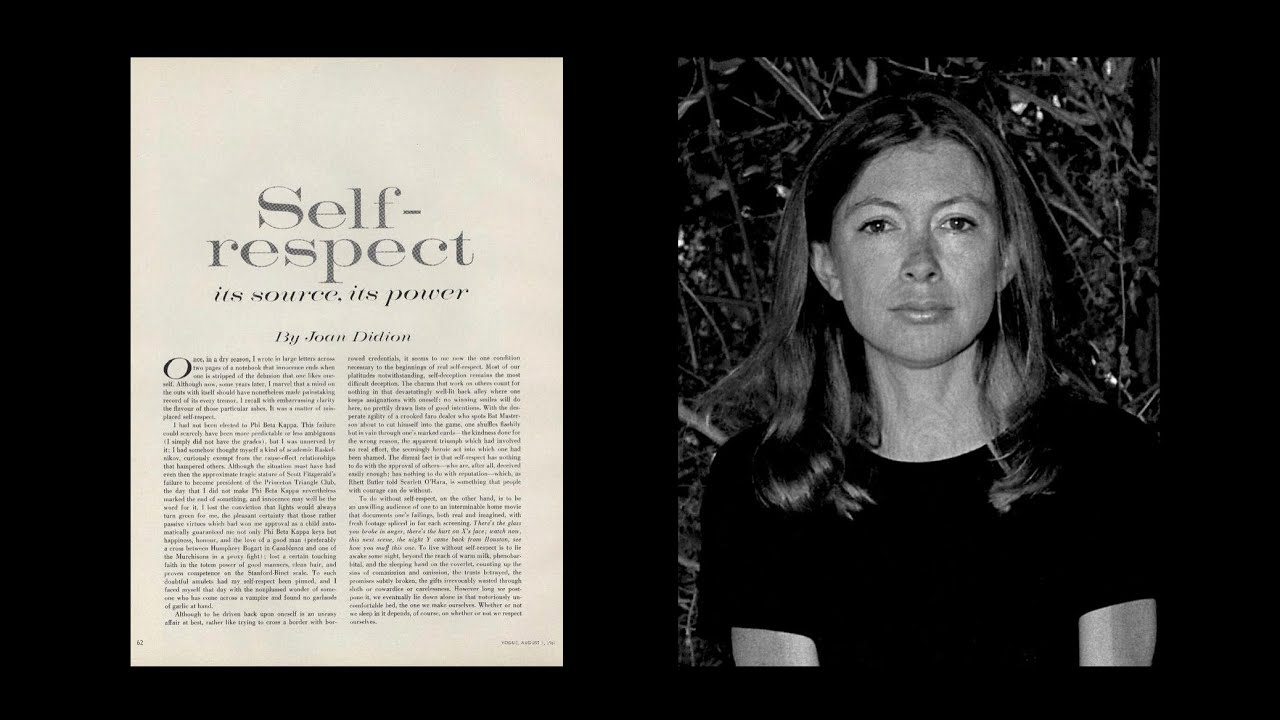
A large part of my understanding of self-respect stems from Joan Didion’s seminal essay “On self-respect” and invariably, it has come to mean less about conceit and more about consistency in my own knowledge of the self. My strongest displays of self-respect are internal, and quiet. It is in the feminist decision to remember what it is to be in a situation and to hold myself through it, to not betray myself and in the event that I do, to admit it. From the willingness flows authority, an interior authority that does not cede to the discomfort of others.
I have always only attempted to keep notebooks or a diary where I might have managed to scribble up some events, thoughts, sometimes a sentence overheard and observations in fragments and disarray.
Another key exercise that tests this innate self-authority flowing from self-respect is the act of keeping notebooks. I have always only attempted to keep notebooks or a diary where I might have managed to scribble up some events, thoughts, sometimes a sentence overheard and observations in fragments and disarray. Not really knowing quite how or why, I have attempted to keep them. In between intervals of time, sometimes spanning up to years.
In all these attempts however, only recently, did I observe that the self that I was and that I am now are contained. What started as a silly practice in my childhood later took a greater form, to capture and most importantly, to ‘remember what it was to be me.‘ This act of remembrance, however, is not sentimental. It is feminist resistance towards erasure, blurring memory and revision of the past. They show fragmentation and incoherence. They show the journey it has taken to become who we are now and refute our idea that we have always been who we are in our weakest moments.
Keeping notebooks, a medium of practising agreement with the self
There is also the inevitable discomfort of facing old entries and the self that I was in those entries. Maintaining these accounts risk running into contradictions over the self in time. The past self seems exposed and unguarded and to remember it as such, while embarrassing sometimes but at all times, will be the point. The point being, to remember what we were at all times. To remember it as it is.
This exercise as an everyday feminist practice, however, requires a kind of discipline that resists the revision of the same stories we might come to tell differently to ourselves. Where we portray ourselves as kinder, clearer and less wounded. Retrieving the self from such erasure is the primary point of being in agreement with myself. While this erasure might be subtle, it comes from reinterpretation. The notebooks do not allow that.
Retrieving the self from such erasure is the primary point of being in agreement with myself. While this erasure might be subtle, it comes from reinterpretation. The notebooks do not allow that.
While the notebooks sometimes might serve as a medium, living in agreement with myself demands me to listen to the internal conversation. It also requires me to participate and ask questions when necessary. What did I feel just now? Why did I want to edit how I felt? Why did I want to justify how I felt?
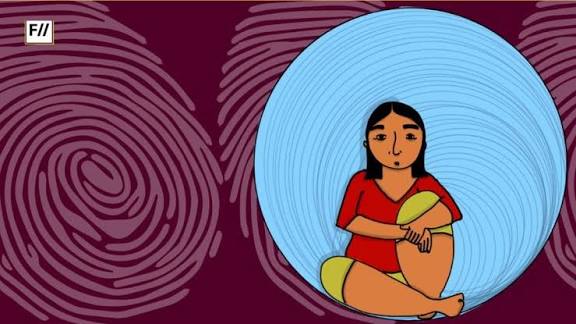
This not only pertains to the self-effacing feelings but also to other subjective feelings that our exteriors might invoke in us in everyday life. Often more than not, the answers are not flattering. Therefore, my most feminist acts are quiet, steady and repeat day in and day out. It demands an introspection of the self. It demands the suspension of indifference, both towards the internal dialogue as well as the external images.
About the author(s)

Shreenithi Annadurai is a lawyer based out of India. Her areas of interest include art as political expression and questions of representation and resistance, drawing on rights-based perspectives and feminist media practices.