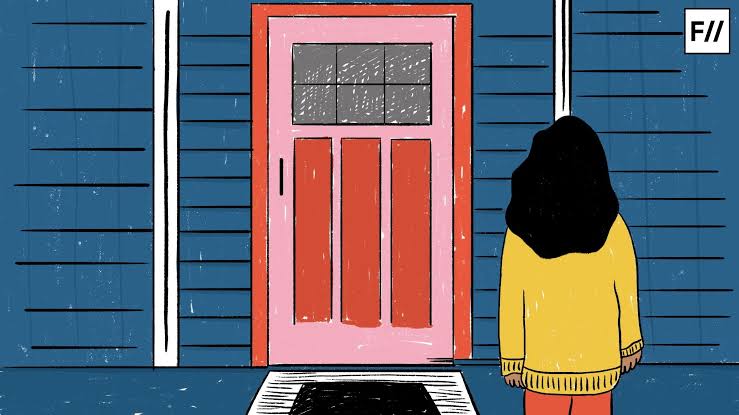
There is a kind of invisibility in a heterosexual relationship that quietly slips into a room and stays long enough until one begins to question if it’s real or just an illusion. Many women often find themselves labelled as ‘just a girlfriend’ – never acknowledged or included in any plans, discussions, or in any circle of their partners’ lives. This is the kind of exclusion which is subtle yet makes it difficult to confront people, but is felt very deeply.
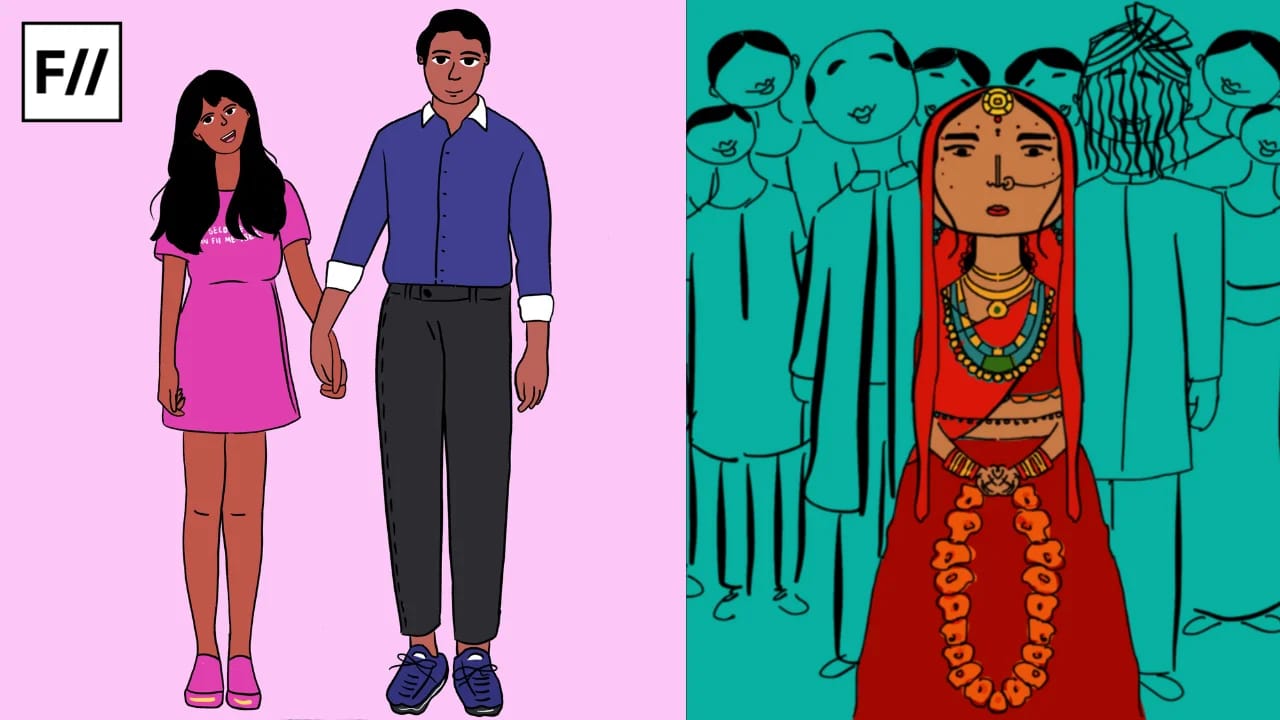
Until that one day, when the relationship acquires a new title – fiancée and wife – and the same woman is actively included in every plan, acknowledged in every situation, and her opinions are sought. This dramatic change can be described as the ‘girlfriend gap’ – an unspoken difference between how women are treated before and after marriage. A relationship that doesn’t culminate in a shaadi is not considered socially acceptable, no matter what the duration of the relationship is or how committed the partners are to each other. This gap is a result of the orthodox belief that marriage is and will always be the threshold defining a woman’s space and worth in social circles – not as a girlfriend or partner but as a wife or fiancée.
The temporary presence
“We have to invite X now that she is our friend’s wife,” says an acquaintance after the wedding of their close friend. Statements like this reveal how social hierarchies continue to shape relationships. The idea that a woman’s place in a social circle of her partner becomes legitimate after the wedding showcases the mindset that labels are everything. It is a crude suggestion that a girlfriend exists as an optional or temporary presence, but suddenly, as a wife or fiancée, she is granted everything – recognition, inclusion and acknowledgement. Out of all relationships, friendships should be built on respect and connection and not on any legalised label or validation. When one’s inclusion is based on certain institutionalisation, it exposes how social acceptance is still governed by outdated traditions.
Many women often find themselves labelled as ‘just a girlfriend’ – never acknowledged or included in any plans, discussions, or in any circle of their partners’ lives. This is the kind of exclusion which is subtle yet makes it difficult to confront people, but is felt very deeply.
This category is not only limited to labels, but it is also inherently hierarchical, which reflects the uncertainty and temporary situation. The girlfriend might be important to her partner, but she is not yet legally and institutionally recognised, so she exists in a suspended state of being slightly acknowledged but not completely included until the relationship is formalised, till then her place continues to be provisional in the man’s life by his family and friends. Whereas the wife/fiancée immediately confers belonging from everyone, this is not only a reflection of her label but also of where she stands in the patriarchal society.
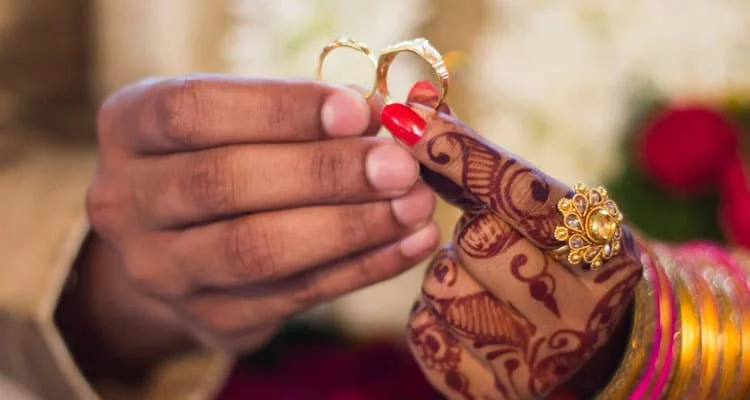
In India, the law has time and again recognised the live-in situation and cohabitation, but the patriarchal attitude towards it is deliberately slow. There are empirical news articles on live-in relationships highlighting how unmarried people, especially women, are seen as someone who lacks the respect and stability that comes with marriage. This gap between the thinking of a society and the legal recognition reflects how deeply embedded the marital thinking and norms continue to be. In Indian society, a woman’s social identity is recognised through her relational roles, i.e., also legal, like daughter, wife, sister and mother, which come with responsibilities and social validation. Whereas the girlfriend has no clear position in a man’s life, according to society’s beliefs, therefore, she continues to be unacknowledged in society. The need for clearly defined roles is how any social network functions, and marriage provides that structure which transforms a personal relationship into a socially acceptable one, and the girlfriend doesn’t fit into the map of socially recognised relationships.
No matter how much youth lean towards the openness of non-traditional relationships, the belief that marriage is the final and necessary step continues to shape their lives. Certain cultural frameworks often affect couples who internalise that their relationship must culminate in marriage or else there is no point to it. When love is seen as a precursor to marriage, then the girlfriend is automatically moved into a provisional role until marriage gives meaning to their relationship; hence, she continues to be socially invisible to everyone.
To call a girlfriend ‘a temporary presence’ is not a description of a relationship but how someone chooses to see it. It is a reflection of how this kind of intimate connection to someone is all about being institutionalised first, and then comes love. Until these systems expand and understand, the gap will stay – slightly visible but deeply felt.
The role of caste and religion
One of the most crucial factors that shapes not only who is supposed to be a suitable partner for marriage but also how a partner is treated within the significant other’s social circle. More often than not, a partner from a different caste or religion is placed in a complicated position where they are neither treated right nor given any importance. The partner is always treated as an outsider, scrutinised for her background, and in subtle ways questioned about her presence in the partner’s lives as temporary till they find someone suitable from the same caste or religion. Endogamy continues to create a framework in society, and brutally judges or pressures those who choose to go beyond the structured tradition of marrying within one’s caste or religion. Couples face social exclusions and warnings from friends and families in the disguise of concern with a question of whether the relationship is even worth going against the family, traditions and societal expectations. The acceptance of a partner from a different caste or religion is not only a personal matter but also a reflection of the greater issue between an individual’s personal choice and age-old orthodox beliefs in the Indian patriarchal society.
No matter the label, treating a partner, especially a girlfriend, with respect and empathy starts with recognising her role in the partner’s world – from contributing to day-to-day life responsibilities to supporting them in every situation.
No matter the label, treating a partner, especially a girlfriend, with respect and empathy starts with recognising her role in the partner’s world – from contributing to day-to-day life responsibilities to supporting them in every situation. People who validate these contributions help in creating an environment where genuine interaction and open communication strengthen the bond. This inclusion goes beyond passive tolerance of their existence and more actively makes her feel comfortable and at ease and recognising the value she brings into the partner’s life, similar to what a wife or fiancée would do. As India continues to evolve, one of the major measures of progress might just be how people let love bridge the gap between age-old traditions and contemporary ideas.
About the author(s)