The debate around women’s clothing, especially when it’s associated with cultural or religious significance, is reduced into binaries of choice and imposition or freedom and patriarchy. It becomes a versus debate. While these questions might be important for political and social discourse, the recent controversy involving Bihar Chief Minister where he was seen lifting a muslim woman’s hijab while giving appointment letters to AYUSH doctors, demands us to ask a far more fundamental question around this incident:
Does any man, regardless of his power, age, or political position, have the authority to touch or unveil a woman’s purdah or hijab without her consent?
Choice, imposition, and the many truths women live with
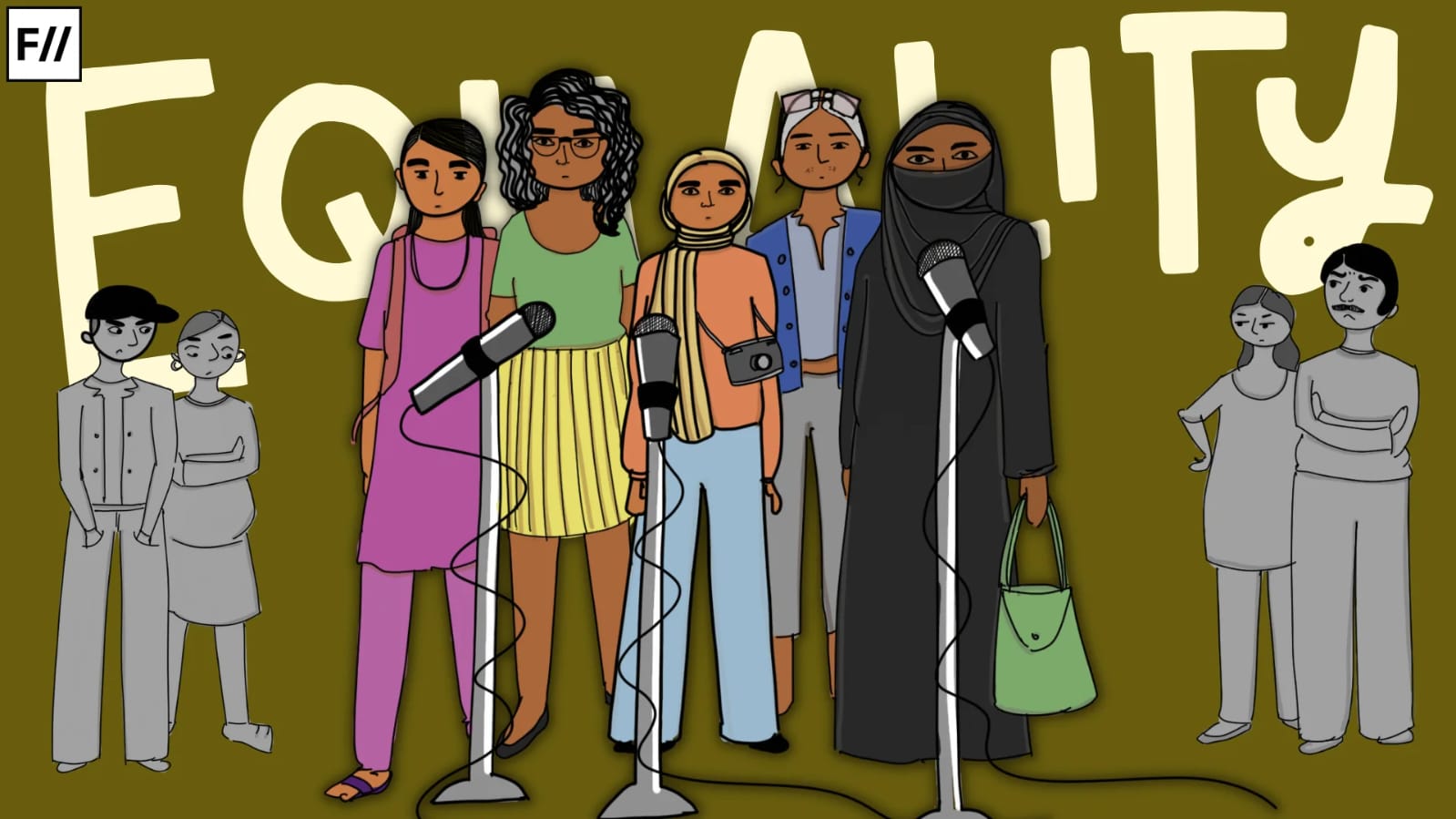
For some women, irrespective of religion, ghoonghat/hijab/purdah is undisputedly an imposition enforced upon them against their will by their community, culture, society and religion. Some women choose it out of their own will as a shield for their self protection against persistent male gaze that is often sneaky, creepy, and uninvited. Whereas other women look at it from a perspective of carrying forward a legacy, a tradition that their mothers and grandmothers lived with, associating it with dignity rather than subjugation.
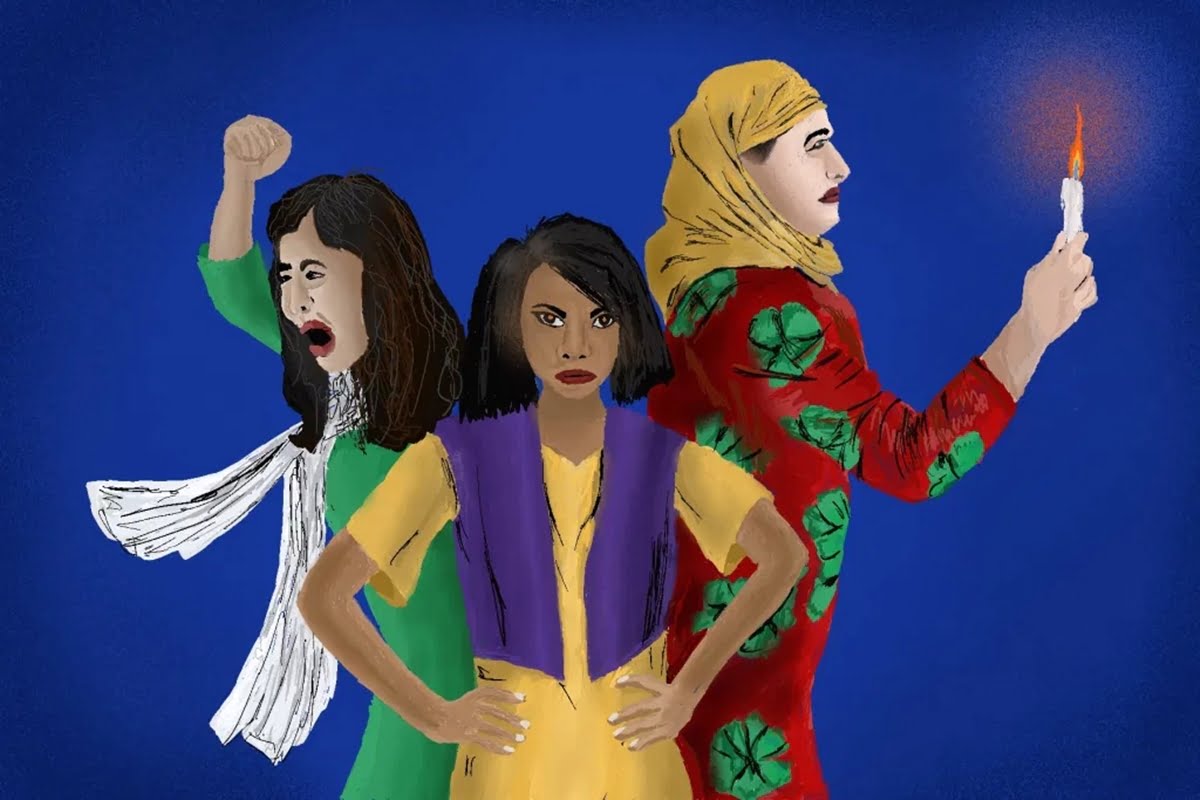
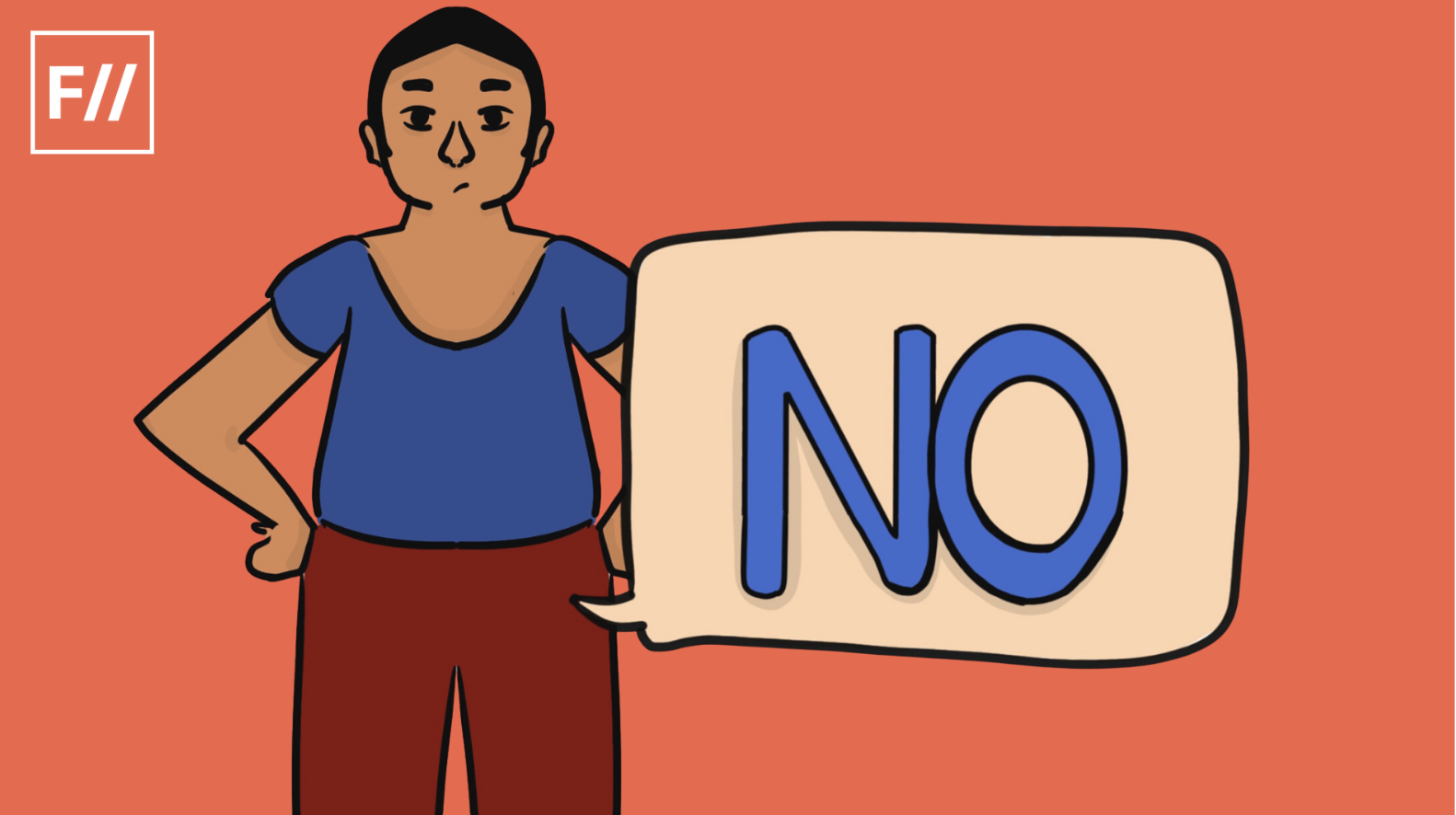
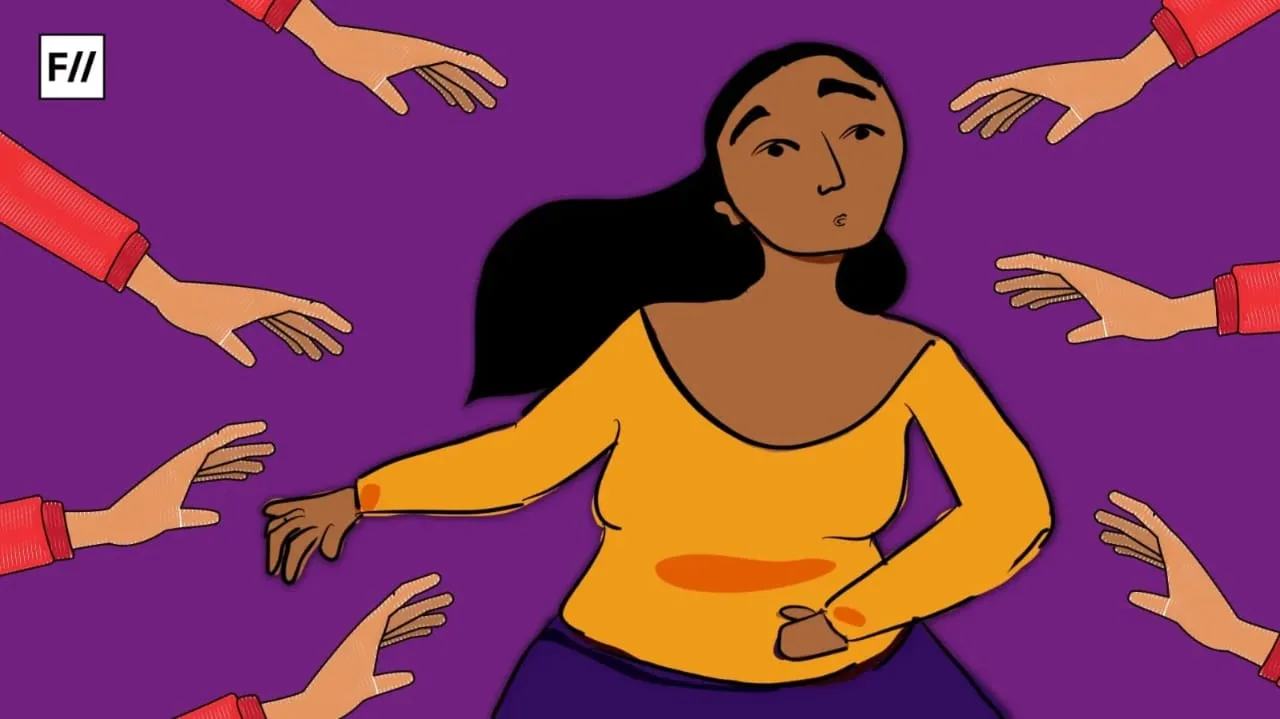
But none of these perspectives justify what lies at the heart of the present controversy as it is not about women’s clothing but men’s entitlement.
The question no one wants to answer: who gave him the right?
The question that those defending Nitish Kumar must answer honestly is:
If the woman in front of him had been a Hindu woman observing purdah, would it have been acceptable for him to touch and unveil it, even mockingly or jokingly?
Would any society justify a so-called “grandfather-like” figure publicly lifting a woman’s veil without her consent, under the garb of humour?
Irrespective of your religion, if your answer is no, then the defence collapses entirely.
But the more disturbing part of this incident was not only the act itself, but the collective reaction or lack of response by those present. Ministers and senior political leaders who stood beside Nitish Kumar laughed it off and chose to look away instead of acknowledging or apologising. This silence is not accidental. It is complicity.
The silence that enables: complicity is not neutral
The thing about complicity is that it thrives when power protects power. When those in proximity to power let misconduct slide away as humour, their signalling to society is interpreted as if the victim’s consent is negotiable if the offender is an influential person. The laughter that followed, showing it as a normal joke by Nitish Kumar, was not just harmful but also was an endorsement, conveying that a women’s dignity can be put on hold, weaponised or dismissed for political convenience.
The dangerous part of this complicity is that such public normalisation of misconduct creates a ripple effect.
The dangerous part of this complicity is that such public normalisation of misconduct creates a ripple effect. Putting the Bihar Chief Minister, Brijbhushan Singh, Giriraj Singh etc on the pedestal as the model examples, when they have been reported to mockingly violate women’s modesty without consequences, boys at every level legitimise their similar behaviour calling it humour not humiliation, learning that apology is optional, and consent is negotiable and women learn yet again that speaking up will be harder than staying quiet.
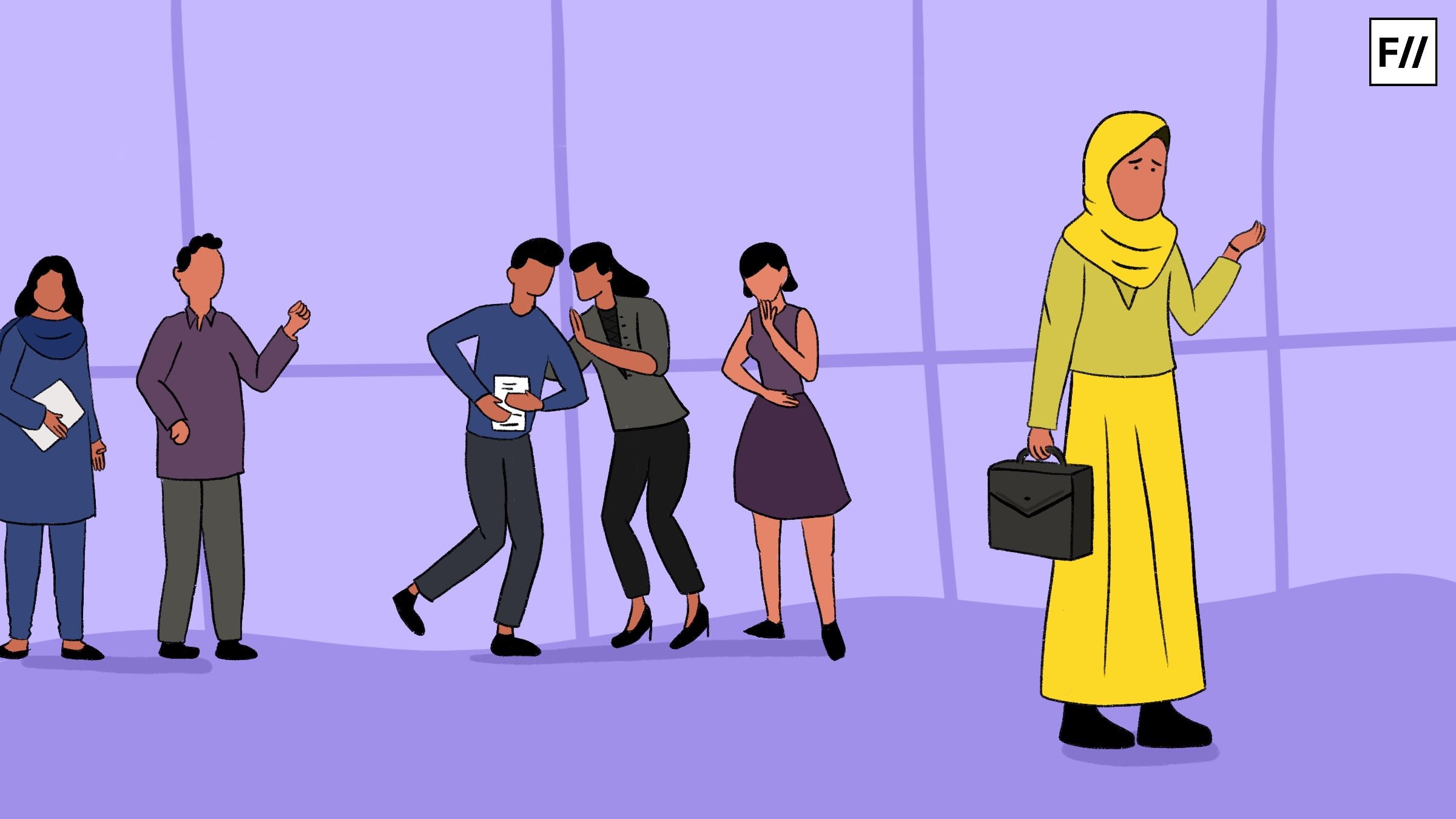
Accountability should not be triggered by analysing the amount of outrage the act is attracting but it should be triggered by principle. Political parties and leaders who claim to uphold women’s safety and dignity cannot outsource their responsibility to technalities and the ambiguity of intent so interpreted. They must understand that refusal to condemn, correct or even acknowledge the wrongdoings of such acts leading to such public incidents, does not reflect their neutrality but the silence shouts their approval.
The law is clear but society is not.
Indian law, however, is far clearer than public discourse. Our system recognise the concept of pardanashin women. In Mst. Kharbuja Kuer v. Jangbahadur Rai (1963), the Supreme Court acknowledged that pardanashin women live under social constraints that limit their free interaction with the outside world, and therefore the law must ensure their autonomy and consent are not compromised. Under criminal law, Bharatiya Nyaya Sanhita, 2023, Section 74 criminalises the use of criminal force or physical acts against a woman that outrage her modesty without consent, while Section 79 penalises words, gestures, or conduct intended to insult a woman’s dignity or intrude upon her privacy. The absence of consent itself constitutes the offence.
Our constitution guarantees the right to dignity, bodily autonomy, and privacy under Article 21 as interpreted by the Supreme Court in multiple judgements. A woman’s clothing, whether a sari, dupatta, veil, purdah, or hijab is an extension of that autonomy, and touching even her clothing without her consent counts as violation. Article 14 of our constitution states the concept about equality. However, equality is not contingent just on the absence of discrimination, but on the presence of accountability of actions for all men alike, irrespective of their status or stature. Else, equality becomes performative theatrics and does not result in real justice.
However, equality is not contingent just on the absence of discrimination, but on the presence of accountability of actions for all men alike, irrespective of their status or stature.
Indian legal jurisprudence has reiterated through multiple judgements that silence in the face of wrongdoing can amount to not just moral but legal failure too. In Vishaka v. State of Rajasthan (1997), the Supreme Court held that it is the duty of institutions and individuals in positions of authority to actively prevent sexual harassment, not merely refrain from committing it themselves. While the Vishaka judgement focused specifically on workplaces, its principle is broader and those in power have a positive obligation to intervene.
Beyond hijab: the real test of a constitutional democracy
The decision of the victim in this case to go ahead and file an FIR against Nitish Kumar is brave. She has also chosen not to take that government job, post how condescendingly BJP MP Giriraj Singh spoke about it, which also seems a necessary action. But the troubling part is that she had to go through it. She earned the appointment of being a govt. doctor because of her own merit and not charity. But powerful men displaying their machismo without any consequence is very unfortunate.
Therefore, the question before us as a society is that whether we are willing to uphold a woman’s right to bodily autonomy and her right to choose what she wishes to wear. The question before us is also about the complicity of influential people outraging the modesty of women publicly and not only getting away without facing any consequences, but endorsing and legitimising the culture where power feels entitled to touch, mock, and violate, because, if that is the case, it should concern us all.
About the author(s)

Yakshna Sharma, Advocate at the Delhi High Court and social activist working on issues of gender justice and public policy. She had also contested DUSU elections for the post of Secretary from NSUI in 2023.