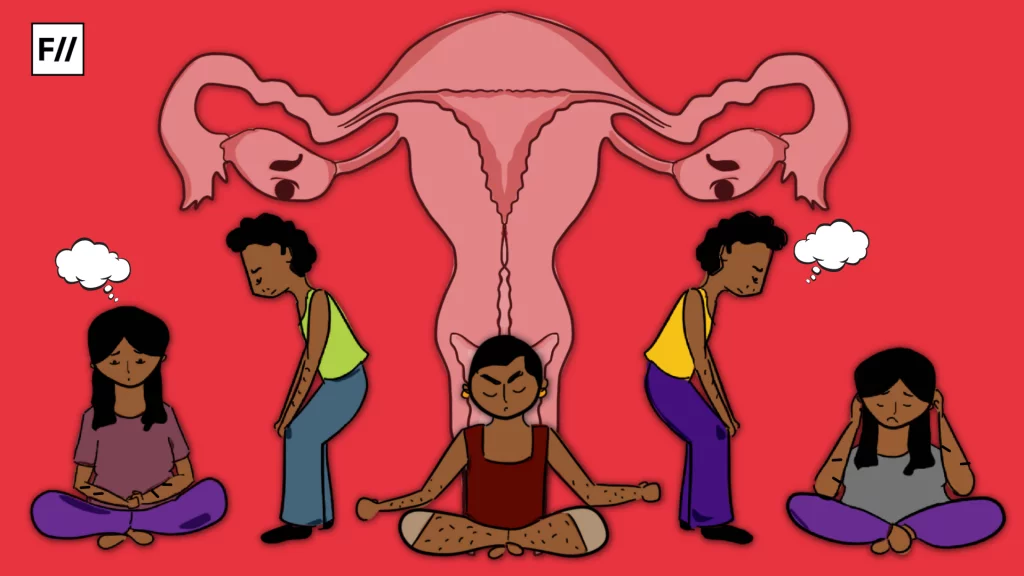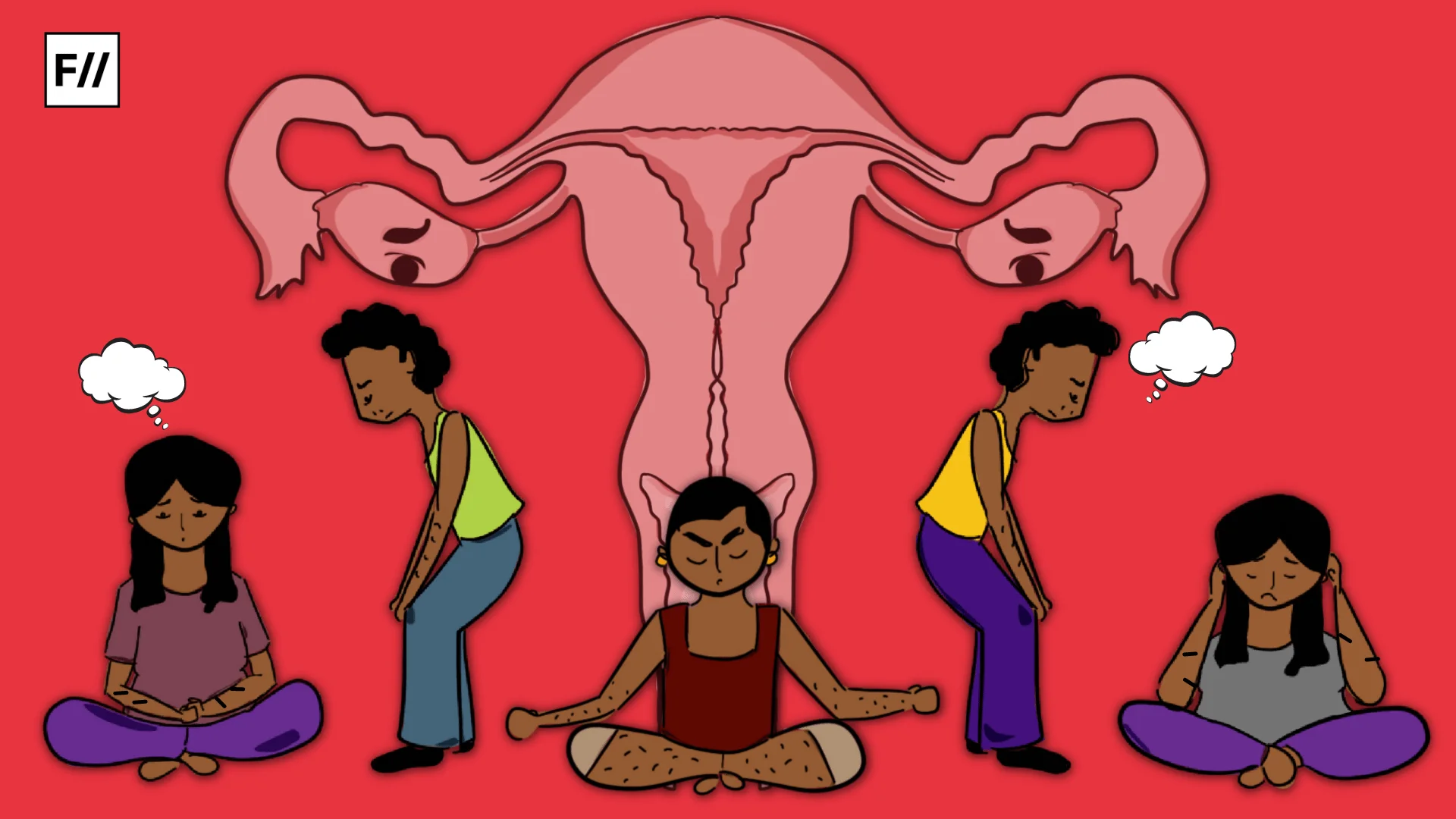
Social media platforms like Instagram, TikTok, and Facebook are turning menstrual wellness into a lucrative market by promoting an idealised “clean period” through influencer content. A clean period is presented as one where you use only organic cotton pads and tampons, specifically odour-free hygienic products, eat uterus-friendly food, and perform certain yoga poses to achieve a bleed that is supposedly without cramps, bloating, or smell.
This commercialisation is pushing premium products and routines to an audience for whom menstrual products, being basic necessities, already represent a recurring financial burden. They are practically used one week a month, 12 weeks a year. On average, a woman is supposed to change her sanitary pad every six hours, at least for the first three days during heavy flow, although this varies from person to person. Assuming a woman uses three pads for five days in a month, an average cycle takes up to 15–20 pads. On average in India, for common brands, one pack costs somewhere between ₹6 and ₹15 per pad. Therefore, the monthly expense comes down to around ₹150–₹200, depending on usage and brand.
Social media platforms further enable this through algorithmic amplification, where wellness content is pushed more aggressively, often tying engagement to affiliate links, discount codes, and influencer partnerships.
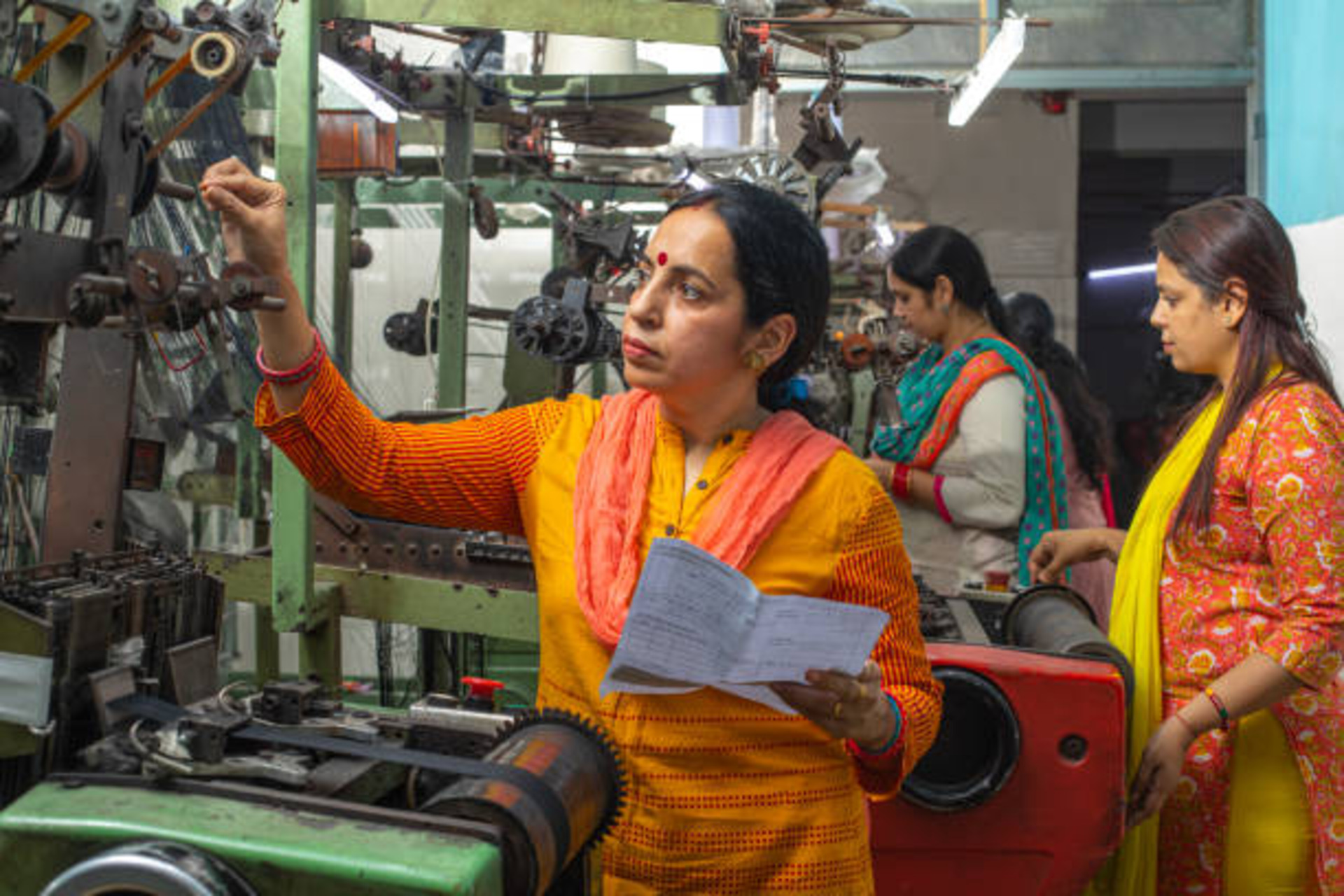
This must be viewed against the average monthly income of ₹4,907 of a self-employed woman in rural areas and ₹290 of a casual female worker in 2023–24. The monthly expense on sanitary pads itself constitutes a fairly significant percentage of their incomes. Apart from this, women spend a considerable amount of money on painkillers, heating pads, and other hygiene- and comfort-related products during periods.
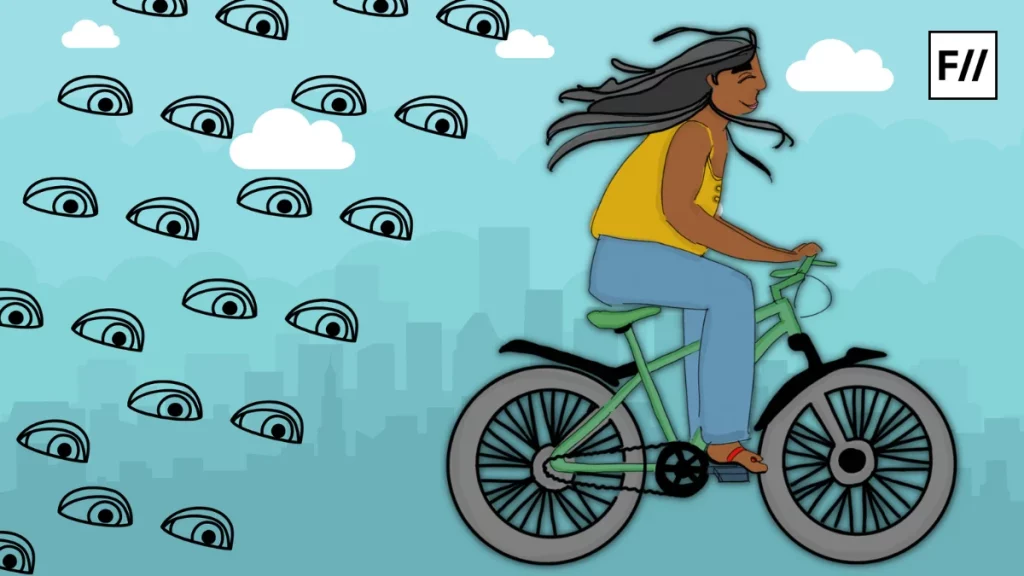
The Supreme Court of India has only recently recognized menstrual hygiene as a fundamental aspect of dignity and health. However, this right often exists only on paper. Reports indicate that despite visible progress, only about 30% of women in India have consistent access to sanitary napkins. Menstrual poverty continues to affect school attendance, workplace participation, and overall health outcomes, especially in rural and low-income communities.
Against this backdrop, when one opens social media and sees brands and influencers marketing organic cotton tampons, menstrual cups, and sustainable pads as essential for a “healthy” period, the inequality embedded in menstrual access becomes stark and deeply visible.
Commercial Tactics Employed By Brands
Influencers who market the idea of a clean period are backed by brands showcasing certifications like GOTS and eco-friendly claims. They pair these with “uterus-friendly” foodslike seed cycling, for example, flaxseeds in the follicular phase, and supplements, alongside yoga poses for pain relief, creating subscription models and affiliate revenue streams. Visual feeds in the “clean girl aesthetic” showcase glossy, minimalistic routines with high-quality images of these products, amplifying trends like #PeriodTok.
Social media platforms further enable this through algorithmic amplification, where wellness content is pushed more aggressively, often tying engagement to affiliate links, discount codes, and influencer partnerships. Menstrual wellness, therefore, becomes not just health advice but a monetised lifestyle category.
A few examples help understand these tactics better. Brands like Natracare and Lolahave promoted organic tampons through influencer reviews and sustainability hauls. They have pushed “chemical-free” positioning as superior, often implying that conventional options cause harm. Another trend is seed cycling and yoga routines that promise lighter flows. However, many such claims lack strong scientific evidence and add a routine burden in women’s lives, creating expectations that may have little to do with their actual health.
My stance is not against these brands or the marketing techniques they employ, but against the collateral damage they cause to those who are not their buyers and who end up feeling deprived of basic menstrual hygiene despite doing nothing wrong.
Impact of Clean Period Campaign on Young Women
What these perfect feeds foster is comparison. Young women begin to feel inadequate if their periods involve cramps, clots, or smells, which are extremely normal experiences that are now being pathologized as problems fixable with the “right” purchases.
There has been widespread discussion that some brands contain carcinogens while others claim to be carcinogen-free. It is often unclear what constitutes verified information and what is misinformation. There is limited regulatory clarity and inconsistent scientific communication around such claims, and their target audience is genuinely scared and anxious for their health and the products they have been using for years, all for what may ultimately be a marketing strategy.

Medically, periods vary significantly across individuals, and symptoms like cramps, fatigue, clotting, and odour can be entirely normal. However, wellness marketing increasingly frames them as abnormalities to be corrected through consumption.
Studies have linked heavy social media use, especially Instagram and Snapchat, to lower self-esteem and heightened anxiety among girls. These effects are amplified by curated menstrual success stories and “perfect routine” content. This pressure must also be viewed alongside broader clean-beauty and wellness trends, where Gen Z faces fear of missing out (FOMO) and perfectionism driven by idealised digital narratives.
Exposure to such content heightens anxiety, depression, and irritability, especially post-menarche when physical changes already amplify shame and social withdrawal. Girls perceive TikTok and Instagram as more negative for well-being than boys do, often citing pressure from appearance-focused algorithms and validation-seeking behaviours. Menstruation, instead of being understood as a biological reality, increasingly becomes something to be managed, optimised, and aesthetically presented.
Menstruation should not become another arena where women feel pressured to perform perfection
It is duly acknowledged that brands do collaborate with micro- and nano-influencers in women’s health to make relatable endorsements. Actress Mithila Palkar promoting Whisper Ultra pads via personal stories on cramps and comfort, for instance, reaches millions of viewers organically. Femtech brands like Clue and Elvie pair influencers with celebrities, such as Tejasswi Prakash for Proease’s #BadalKarDekho, to challenge taboos and highlight product benefits like leak-proofing. Encouraging user-generated content through campaigns like #KeepGirlsInSchool or #HaveNoShame helps normalize conversations and builds trust through diverse storytelling across ages and backgrounds.
Such initiatives have undeniably contributed to breaking stigma, encouraging dialogue, and increasing awareness about menstrual health, outcomes that are important and necessary.
However, the fact remains that the anxiety and manufactured unease that these clean-period narratives have caused among young women, against the background that a significant proportion of India’s population still lacks access to basic menstrual products, is deeply concerning. It risks deepening the divide between awareness and access, aspiration and affordability.
The only meaningful way to ensure menstrual dignity is by expanding access to hygiene products, education, and healthcare, not merely by creating awareness through consumer-driven narratives. The Supreme Court of India has taken a step forward in recognizing menstrual hygiene as integral to dignity and health, and it is time for sustained policy action. Just as the state once prioritized nutrition through initiatives like the Midday Meal Scheme, menstrual health must be treated as an equally critical public health concern, with subsidised products, school distribution systems, and stronger regulation of health claims in advertising.
Menstruation should not become another arena where women feel pressured to perform perfection. Health cannot be reduced to aesthetics, and dignity cannot be contingent on consumption.
About the author(s)

Mahi Agrawal is a B.A. LL.B. (Hons.) student at Hidayatullah National Law University, Raipur.