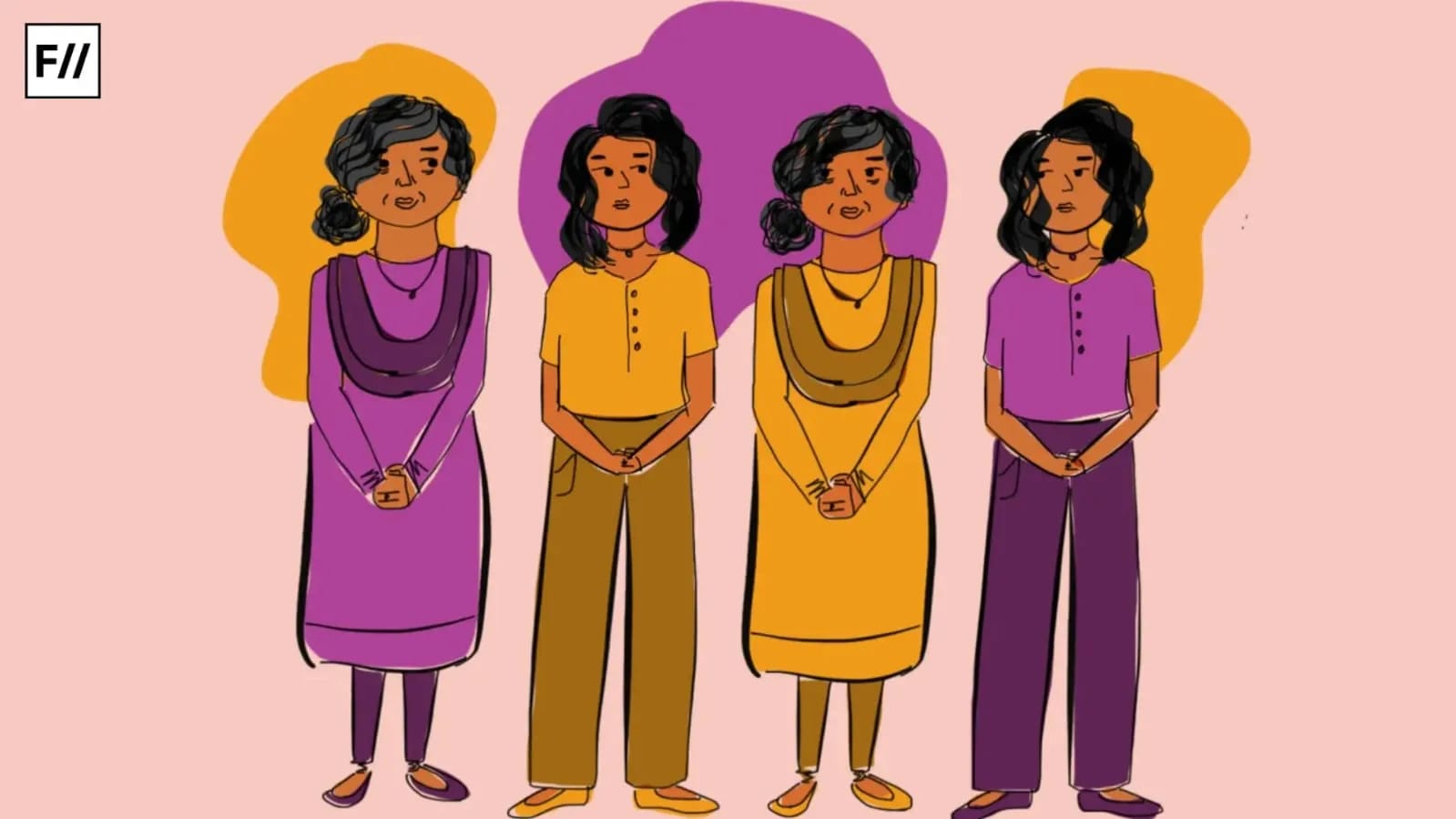
Samira was taking her 5-year-old son, Shaurya, into their house. A house they had newly moved into. Shaurya has autism and is non-verbal. He was struggling with the new house and surroundings, and Samira was trying her best to comfort him. However, Samira soon heard a voice from the floor below. An old woman asked her, ‘Aapke bachche ko koi problem hain kya (Does your child have a condition)?’
Samira paused for a moment and looked straight at the woman. She was not angry or upset, but was stunned by the audacity of asking such an invasive question of a stranger. She politely replied that her child was completely fine.
This is the world of an autistic child’s parent. This interaction is one of several moments that happen in the everyday lives of parents and caregivers.
She said this to give a clear message to the woman, and others like her, that it’s not their place to question or judge her child. Samira and Shaurya have a right to privacy. They do not have to share Shaurya’s diagnosis or their struggles with just anyone. However, this is the world of an autistic child’s parent. This interaction is one of several moments that happen in the everyday lives of parents and caregivers.
The gendered labour of parenting a neurodivergent child
Even in metropolitan cities, the primary caregiver of a child is the mother. And if a child is neurodivergent, then mothers are the ones who often take complete responsibility for caregiving. However, an obvious question that must be asked here is — why can’t the father also take care of a neurodivergent child?
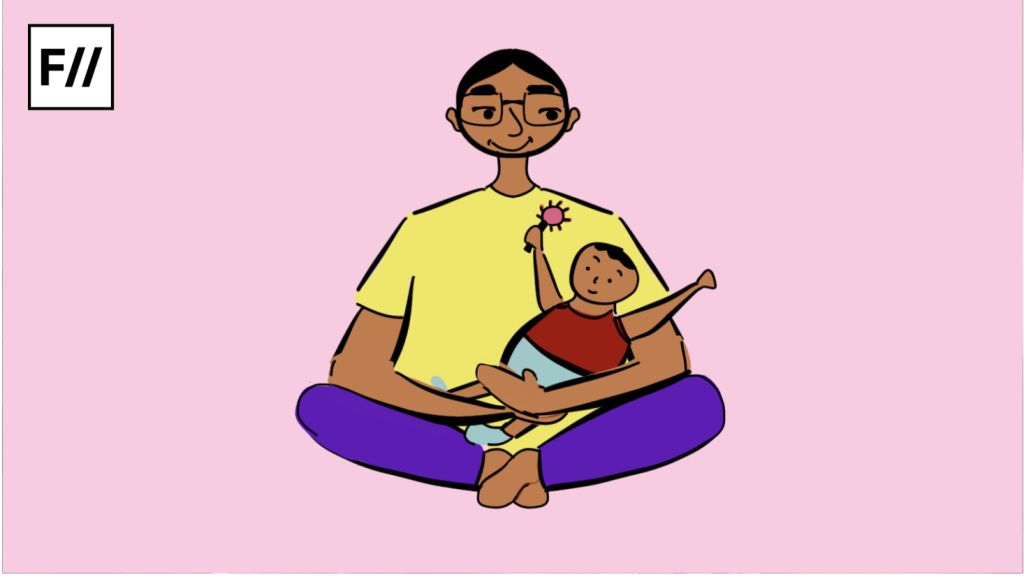
Oftentimes, this is because a child with neurodivergence requires more patience and compassion. And in most cases, fathers usually do not have the time or patience to understand a child’s struggles. Other people in the family also step away by saying things like, ‘Your child does not mingle with anyone.’ So the entire responsibility of raising a neurodivergent child, managing the home, and taking care of the rest of the family falls to mothers.
But who takes care of her? Mothers raising a neurodivergent child are not only raising a child and facing the everyday challenges of parenting, but they also have to keep up with regular therapy appointments, meltdowns, and the dietary requirements of their child. A neurodivergent child’s day is also filled with sensory issues with sound, people, textures, and issues with motor skills, all of which a caregiver needs to manage.
The emotional reality is that it pains mothers to see their child struggle to adjust to a world that is not easily navigable for those with neurodivergence.
For mothers who are the sole caregivers of a neurodivergent child, the toll isn’t just physical; it is also emotional. It is heart-wrenching for mothers to see their child struggling to learn everyday skills. The emotional reality is that it pains mothers to see their child struggle to adjust to a world that is not easily navigable for those with neurodivergence.
Indian families still operate within patriarchal frameworks that believe that raising and nurturing a child is only the mother’s responsibility. However, this is not only unfair to the mother, but to the child as well, because every child deserves the partnership of both parents.
A father’s role must be understood beyond just being a ‘provider’. Even in cases where a mother is the primary caregiver, fathers must at least become an anchor the mother can rely on for support while facing multiple challenges every day.
Navigating parenting in a world that doesn’t understand neurodivergence
Namita, a 38-year-old mother of a neurodivergent child aged nine, recalled a recent experience. Someone at the gym suggested she leave her child in an ashram (hermitage) because it is difficult to raise a girl with neurodivergence in India.
Varsha, a mother of a 3-year-old autistic child, shared another example. A medical professional tried to sell her supplements by making false claims that her child would start speaking and behaving in a neurotypical manner after taking them.
We live in a society where vulnerability becomes an opportunity to profit — even at the cost of exploiting people’s situations and emotions.
We live in a society where vulnerability becomes an opportunity to profit — even at the cost of exploiting people’s situations and emotions. And this is the everyday reality that the parent of a neurodivergent child faces in our country.
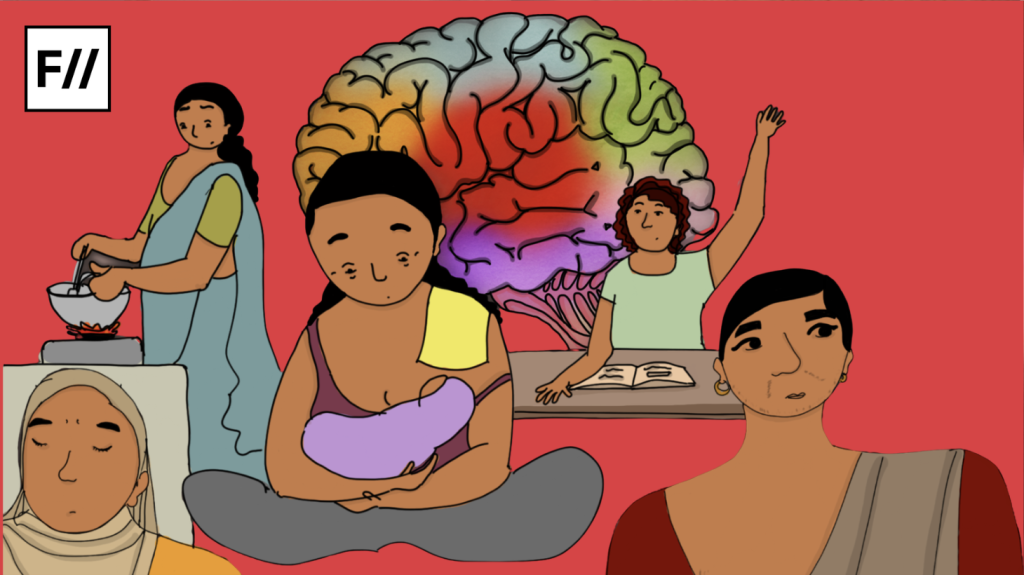
Mother’s raising a neurodivergent child in India go through a lot. Oftentimes, her own family questions her parenting choices and sometimes even goes so far as to blame her for her child’s condition. Apart from this, she faces added pressure from those around her to have a second child. If she refuses, she is reproached by her family members, and sometimes even her husband, for her refusal.
Through all these strains, lack of support, financial pressures, and stress, a mother continues with one hope — that someday her child will be able to address her as their mother.
Lack of social and institutional support
Our society and institutions are yet to understand or accept neurodivergent children wholeheartedly or support them adequately. In schools, there are hardly any trained teachers or therapists to support children with neurodivergence. And society responds with stares and questions instead of support and understanding.
A neurodivergent child may process the world differently, but they possess unique abilities, such as recognising patterns with precision, remembering fine details, demonstrating strong observational skills, and having the capacity to love deeply.
And to thrive, children need compassion instead of questions. Acceptance instead of avoidance.
Care instead of stares. And words filled with understanding and affection. Next time, when you come across a neurodivergent child, their parents, or caregivers, offer kindness and support, not judgment.




I get where the article is coming from, and it does highlight some really important challenges. But I do feel it’s a bit unfair to generalise that fathers don’t take on caregiving roles. From what I’ve personally seen, there are many families where both parents are equally involved and share the responsibility of raising and supporting their autistic child.
That said, I completely agree about the lack of social and institutional support—whether it’s in schools, colleges, or career opportunities. That’s a real gap. But I also think one way we can start changing things is by simply talking about it more. A lot of people aren’t deliberately insensitive—they just don’t know enough about neurodivergence.
When you actually sit down and explain things or have open conversations, it can really shift how people think. It’s honestly surprising how much people’s attitudes change once they understand better.