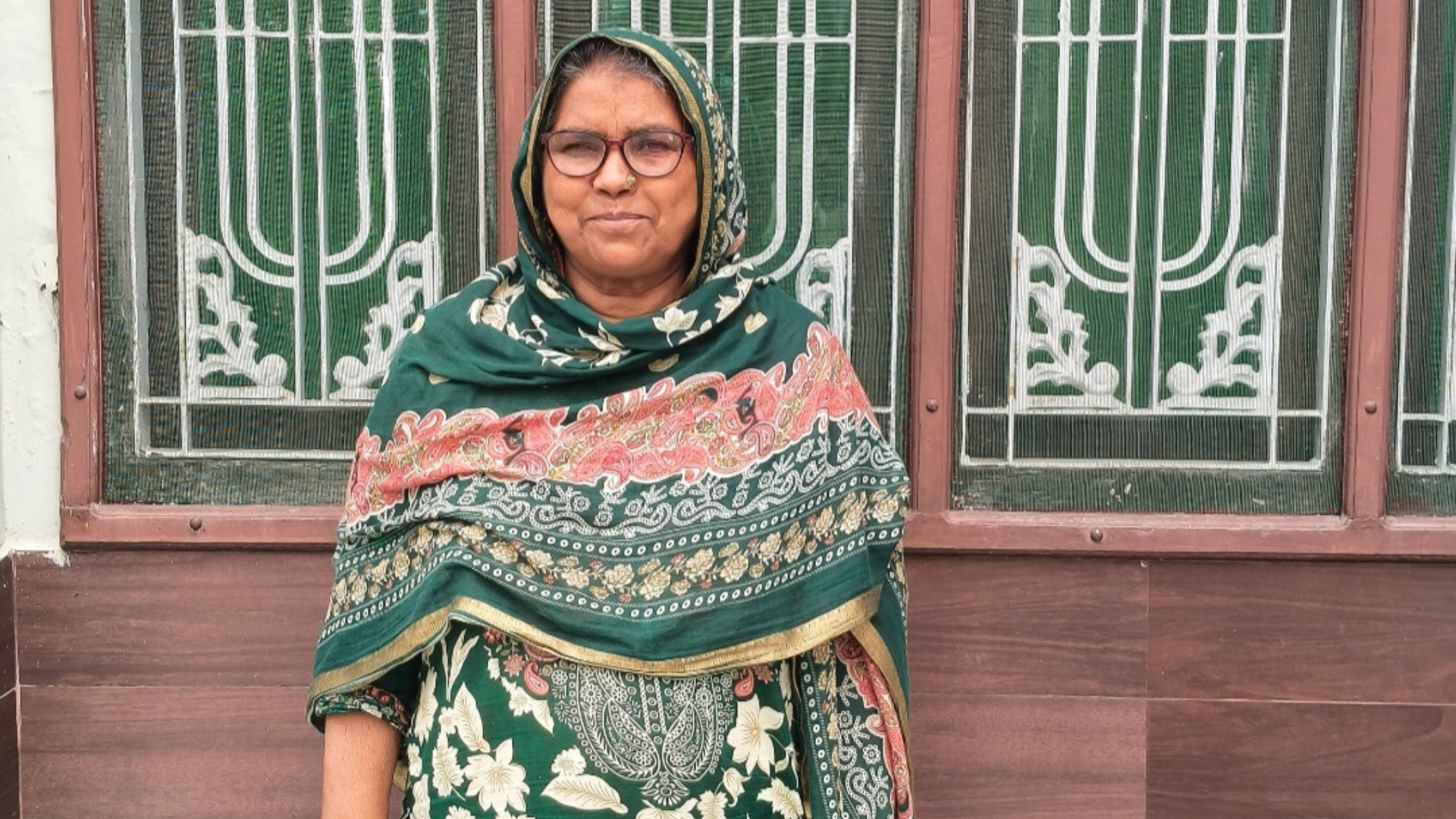
The baby was arriving faster than expected. Laado could see that much. Crouched in the back of an auto-rickshaw, somewhere between the village and the district hospital, she told the driver to pull over. Once the vehicle was parked away from the congested road, Laado immediately wrapped her dupatta around her hands and asked the relative accompanying the expectant mother to hold her and stroke her belly in gentle, rhythmic circles. Then Laado got to work.
Laado was doing what ASHA workers across the country do every day: improvising at the edge of their training, by drawing on whatever they have learned and observed.
Laado is one of the lakhs of ASHA (Accredited Social Health Activist) workers employed across the country, serving as a semblance of public healthcare in places where doctors are rarely found. Trained for a few weeks and compensated through an honorarium, they are expected to stand at the forefront in times of crisis. That afternoon in the auto-rickshaw, Laado was doing what ASHA workers across the country do every day: improvising at the edge of their training, by drawing on whatever they have learned and observed.
The first ASHA Bahurani
Around 22 years ago, Kaisar Khan, a neighbour who worked at the Block office, offered Laado an opportunity to volunteer in a government polio campaign. Laado was already known in the village for her outspoken, animated personality. The work required women to go door to door, convincing families to vaccinate their children, interacting with men, entering unfamiliar homes, and making regular visits to the Block office. This was not work people could imagine a daughter of the village doing. It could only be a bahu (daughter-in-law). Gradually, the role came to be known as the ASHA Bahurani (daughter-in-law).
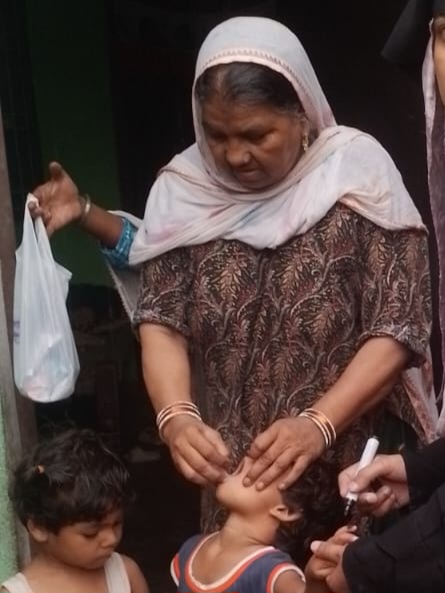
Coming from a family where she was given money only for groceries, the opportunity offered Laado a chance to earn her own money. ‘I was happy that I would finally have a little money of my own‘, she says. Adding that the desire to work also fuelled her. She pauses, before adding that she did it for the village too. By saying yes, Laado became the first woman in Tiliyapur, a small village in Uttar Pradesh, to work outside the home.
Changing a village, one house at a time
The world Laado stepped into operated by its own logic and carried its own dangers. Institutional deliveries were virtually unheard of. Vaccination was far from universal. Midwives commonly used sickles to cut umbilical cords and rubbed mud from earthen stoves on newborns to keep them warm, unaware of the infection risk. Diseases such as tetanus and diphtheria spread freely among children. Mothers often suffered through uterine prolapse or uterine inversion, and sometimes they died from incessant postpartum bleeding, often without anyone knowing why.
Knowing that reform begins at home, Laado decided to start by vaccinating her own family. However, her initial days as an ASHA worker were marked by fear, hesitation, and scepticism. She and other ASHAs were met with taunts, shooed away, denied entry into homes, and were the subjects of gossip. But Laado, belonging to the same environment, knew what it would take to convince people to listen.
She held regular baithaks (meetings) at the village government school, from 8 AM to 5 PM, bringing together village elders, women, and children to explain the benefits of polio and tuberculosis vaccination and institutional deliveries. She particularly emphasised the financial benefits: the same vaccines, she estimated, would collectively cost upwards of INR 20,000 in the private sector, and institutional deliveries came with a government incentive of INR 1,400. However, when such persuasion failed, she deployed the help of the pradhan (village head) or other influential figures in the village. That always worked.
When I ask how she would describe the cumulative change brought about by the work of ASHA workers over the years, Laado turns to me and asks if I have heard of any tuberculosis cases among my generation.
I haven’t.
Fighting for wages, insurance, and recognition
A few years ago, an ASHA worker was taking a woman in labour to the hospital when they met with an accident. The worker and her son were killed. No insurance or compensation was provided to the family. Laado says that the government has provided them with no real support or facility, not even an umbrella.
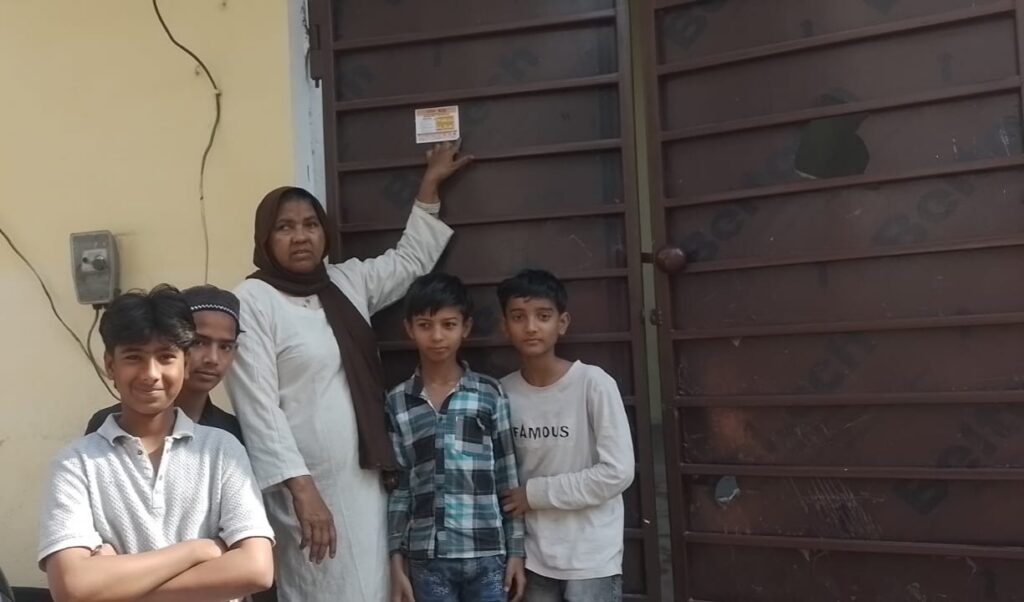
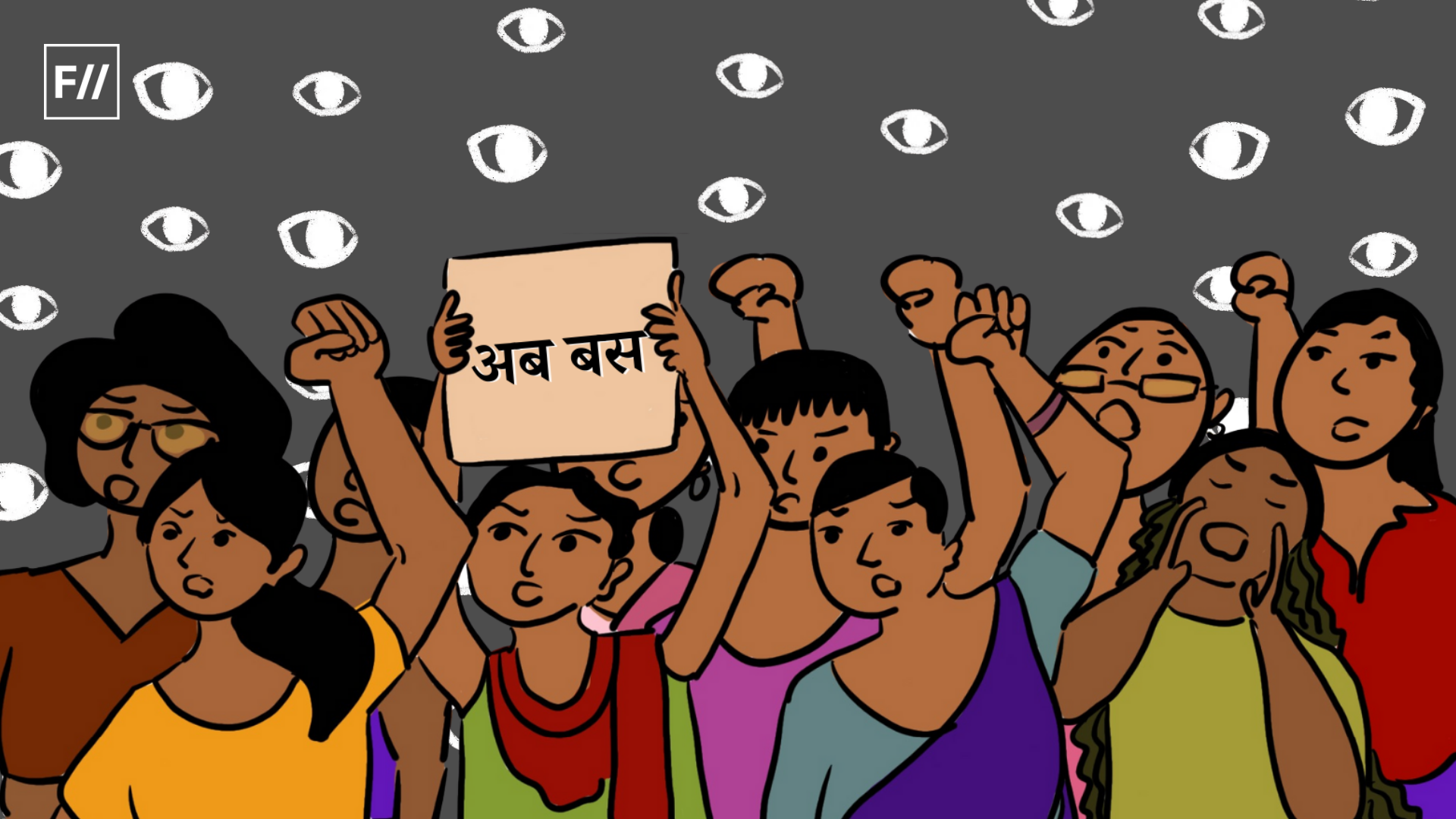
To ensure their grievances are heard, ASHA workers organise a protest every month at Shri Damodar Swarup Seth Park in Bareilly. I ask Laado if she participates in the protests. She says, ‘I don’t know how to give speeches‘. However, she adds that she has joined the protests on occasion.
They demand a wage hike and regularisation of their salaries, unpaid incentives from Ayushman card enrolment since 2018, 28 months of Sangini allowance (INR 750 per month), COVID-19 duty pay, and wages owed for years of Dastak and disease-control campaigns, along with action against illegal deductions from the little they were already owed.
Laado has stood at Damodar Park, witnessing state health workers being forcibly removed by the police. Their crime? Demanding a wage hike and regularisation of their salaries, unpaid incentives from Ayushman card enrolment since 2018, 28 months of Sangini allowance (INR 750 per month), COVID-19 duty pay, and wages owed for years of Dastak and disease-control campaigns, along with action against illegal deductions from the little they were already owed.
Earning her own money, living on her own terms
Laado’s first salary was INR 2,000. The following week, she went to the bank, withdrew her money, and treated herself at a nearby street food stall. Looking back, she recalls the days when a cart vendor would come to her village, and she had no money to buy anything. Now, Laado proudly visits the local parlour. Laado lives separately from her sons, buying whatever she wants and taking nothing from anyone. With pride, she tells me, ‘I don’t want to be a burden on anyone.’
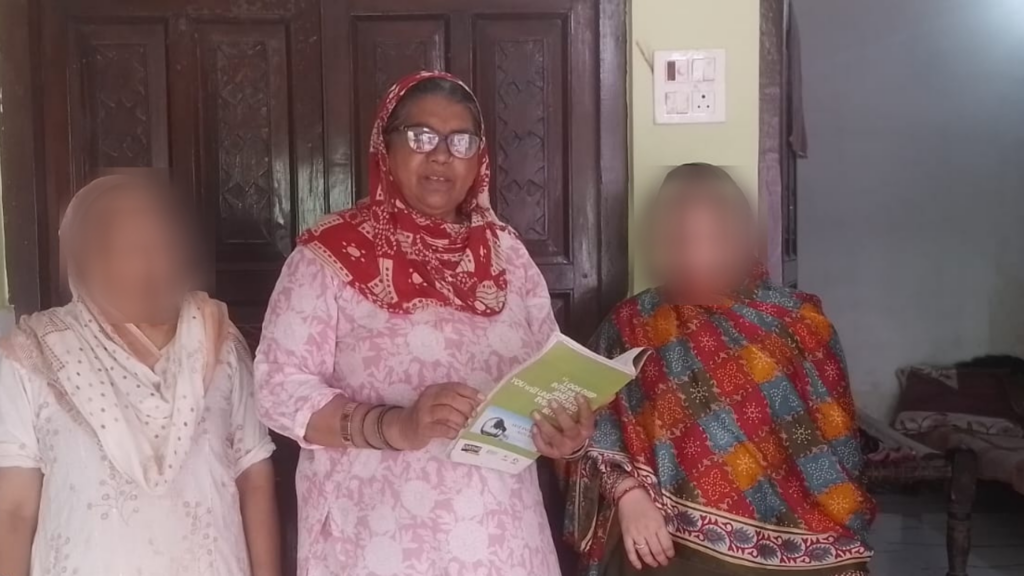
Instead, having her own money allows her to be generous toward those who need help. And her generosity extends beyond her own family: once, when a woman did not have enough money for the auto fare to get to the hospital, Laado paid for it out of her own pocket.
At one point during our conversation, her phone rings. She answers, discusses the schedule for next month’s camp, and then turns the screen towards me to show a photo: friends she has made at the Block office. She tells me that she can now speak to any officer without hesitation, she then gets up and acts out an entire exchange: herself, then the officer, then herself again, with the precision of someone who has learned through years of silent observation.
Laado is now considered an authority figure in the village. Women come to her seeking advice, even on marital problems. I walk her to the door and watch her leave. Laado heads home with her chest held high, receiving salaams (greetings) from at least three women before I turn back inside.
The quotes in this article have been translated from Hindi to English.
About the author(s)

Anam Khan is an International Relations graduate from Jamia Millia Islamia University, New Delhi. Her work lies at the intersection of gender, culture, and politics, understanding how these forces shape everyday experiences and dynamics of power.