2025 was a year when the country finally recognised the need to hear the stories of people with disabilities and saw some significant changes in the narratives on disability. The country seemed to recognise the urgent need for accessibility and the fact that immediate action is the need of the hour. However, needless to say a lot is yet to be done by both the government and society as a whole for true inclusion and accessibility.
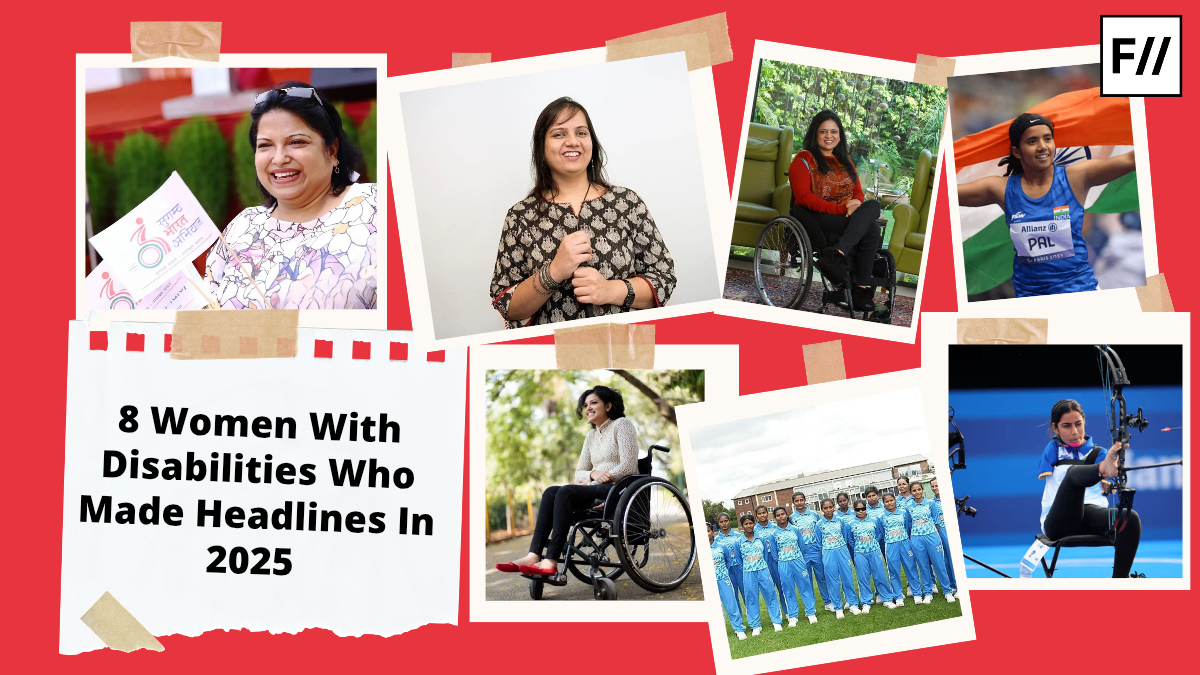
The year 2025 turned out to be one when women with disabilities not just made big achievements but broke many glass ceilings. They made news headlines in sports, innovation, and activism. From winning inaugural world cups to breaking records in able-bodied categories, the achievements of our female stars once again proved the fact that disability lies in the inaccessible infrastructure, in the binary systems and discriminatory attitudes and not the people themselves.
This list celebrates 8 trailblazers of India who with their resilience and spirit, have not only realised their own dreams and the dreams of a community long relegated to the margins of our country, but also sought a just and accessible living environment that would be built for every Indian citizen.
1. Sheetal Devi (Archer)

At the 2025 World Para Archery Championships, Sheetal Devi, 18, secured individual gold, but her glass ceiling moment was when she was selected for the able-bodied national team for the Asia Cup in Jeddah.
Born without arms, the archer began shooting using her legs and shoulders. By competing with 60 able-bodied sportspersons in the compound women category and securing the qualification, Sheetal Devi not only made a mark in the history of the country’s sports but also effectively dismantled the binary frameworks of the sporting world, which historically have prioritised able-bodied people and reduced disabled sports to secluded para sports.
At the 2025 World Para Archery Championships, Sheetal Devi, 18, secured individual gold, but her glass ceiling moment was when she was selected for the able-bodied national team for the Asia Cup in Jeddah.
‘Hume kisi ko jawab nahi dena… humara arrow jawab dega (We don’t have to explain, our arrow will do that)’ – her coach’s remarks became a motto for the young archer making her sporting journey in the world.
2. Nidhi Goyal (Comedian & Disability Rights Activist)
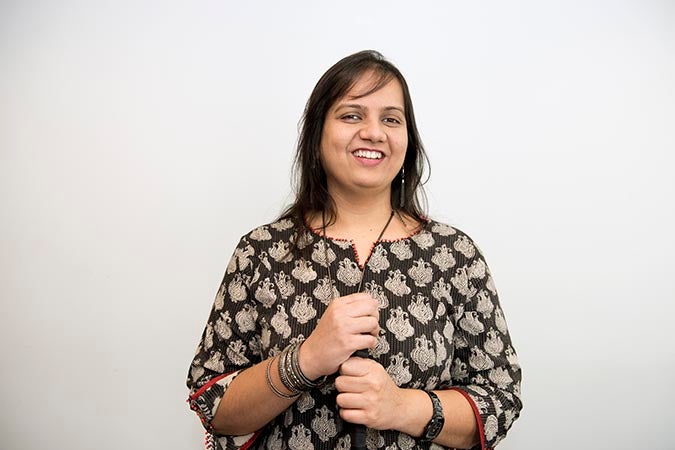
Nidhi Goyal is a pioneer female disabled comedian and a disability rights activist. Nidhi Goyal introduced her ‘Feminist-Disabled’ framework through the International Purple Fest and her leadership at Rising Flame in 2025.
She has shown the world that comedy can be an effective tool against ableist and gendered norms, can help us to reach out to people and build bridges that empower the people who have long neglected. By tapping into the gap between art and policies as a public speaker and comedian, Nidhi has opened up important conversations about consent, desire and leadership of disabled women.
3. Dr. Anjlee Agarwal (Policy Architect)
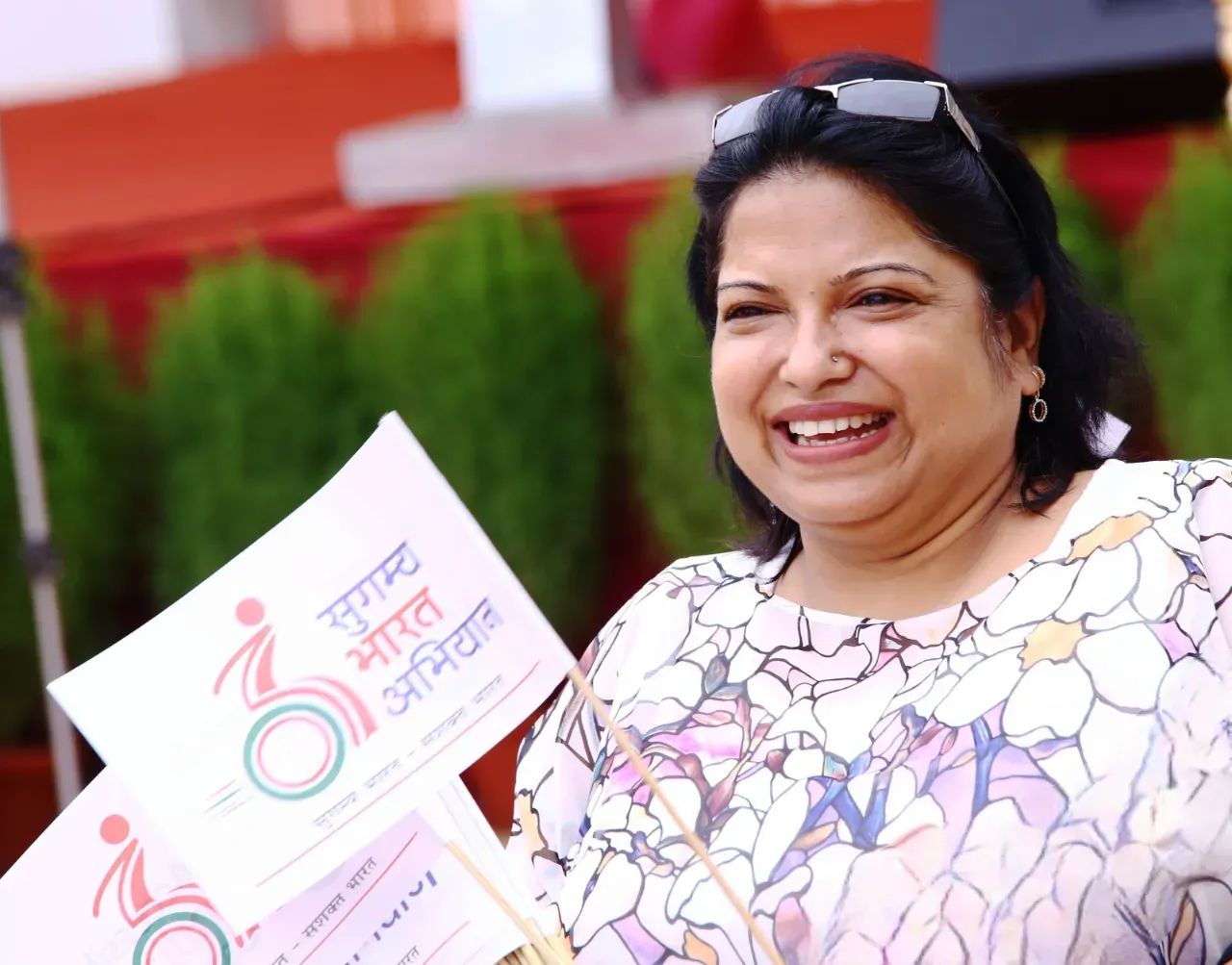
With her leadership at ‘Sugamya Yatra‘, Dr Anjlee Agarwal made efforts to incorporate disability inclusion in India’s urban transformation, by demanding that ‘Universal Design’ be the baseline for India’s rapidly growing cities.
As a member of the NITI Aayog CSO Committee, her work has focused on the disability laws’ ‘implementation gap‘ – a space where progressive legal protections often fail on the ground in making any significant improvements in disabled people’s lives.
As a member of the NITI Aayog CSO Committee, her work has focused on the disability laws’ ‘implementation gap‘ – a space where progressive legal protections often fail on the ground in making any significant improvements in disabled people’s lives. Through her advocacy, she has been trying to ensure that new infrastructure projects, from metro stations to government buildings, should be built aiming at providing dignity to all citizens
4. Virali Modi (Public Speaker and Model)
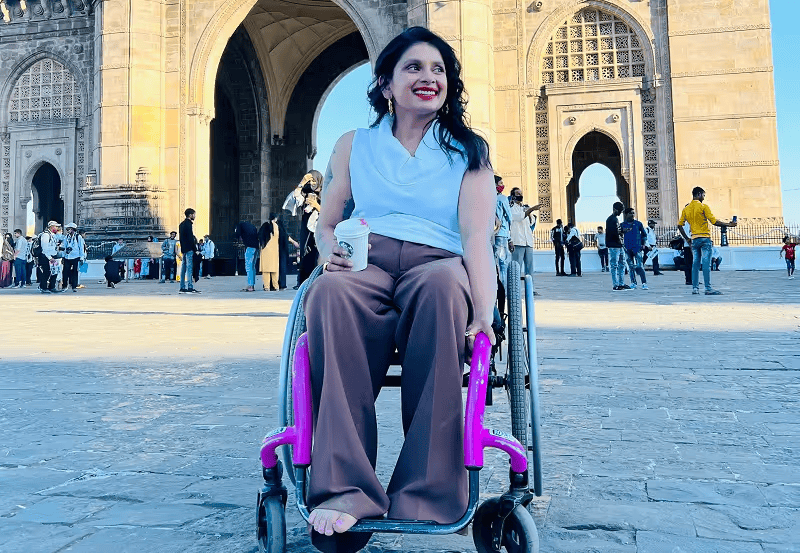
Virali Modi, a renowned motivational speaker, is making history by using her visibility to bring down the ‘aesthetic ableism‘ of urban cultural spaces in India. By her regular capturing of daily navigation of accessibility in a country rampant with new infra projects, she exposes the flawed foundations of modern development which totally ignores the basic needs of millions of citizens. In one of her reels, she put it effectively: ‘we don’t need your sympathy, we need ramps, accessible washrooms, and footpaths. Disability is not the problem, inaccessibility is.‘
Her activism on Instagram and social media this year promoted the right to the city – to exist, to access the essentials – as a non-negotiable political right.
5. Dr Rajalakshmi S.J. (Dentist and Pageant Winner)
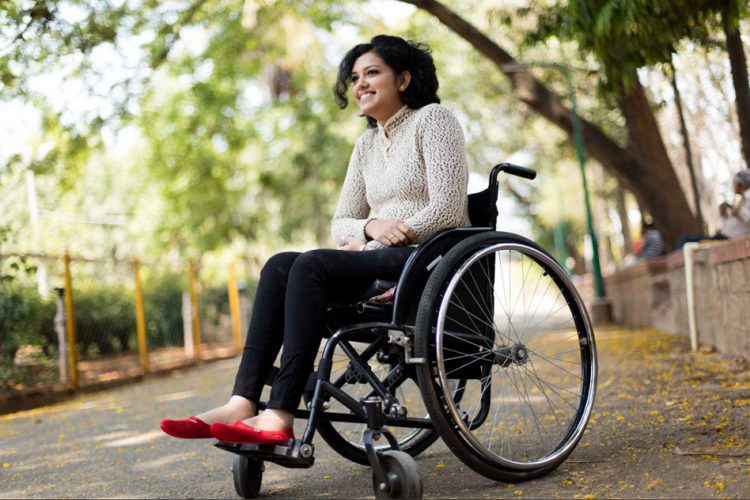
Dr Rajalakshmi S J is a dentist, educator, and wheelchair pageant winner. Her NGO, SJ Foundation works for the visibility and representation of persons with disabilities. Rajalakshmi personally brought down the ableism prevalent in medical fields that long barred disabled bodies from high-precision professions like surgery. Her work in 2025 has continued on her established path of disability advocacy and seeking further steps towards real empowerment.
6. Indian Women’s Blind Cricket Team (Cricketers)

The Indian Women’s Blind Cricket Team became the first world champions in November 2025 by winning the inaugural T20 World Cup. Their journey began with tough training days. Led by captain Deepika TC, India defeated Nepal by seven wickets in the final played in the Sri Lankan capital Colombo. This massive feat by disabled cricketers in an environment that is not accessible at all, is hoped to give visibility and the much-needed infrastructure to sportspersons with disabilities in the country.
The champion squad included 3 categories of players, which were: B1 Category: Simu Das, P. Karuna Kumari, Anu Kumari, Jamuna Rani Tudu, Kavya V. B2 Category: Anekha Devi, Basanti Hansdah, Simranjeet Kour, Sunita Sarathe, Parbati Marndi. B3 Category: Deepika T C (Captain), Ganga S Kadam (Vice Captain), Phula Soren, Kavya N R, Sushma Patel, Durga Yevle.
7. Sminu Jindal (Industrialist)
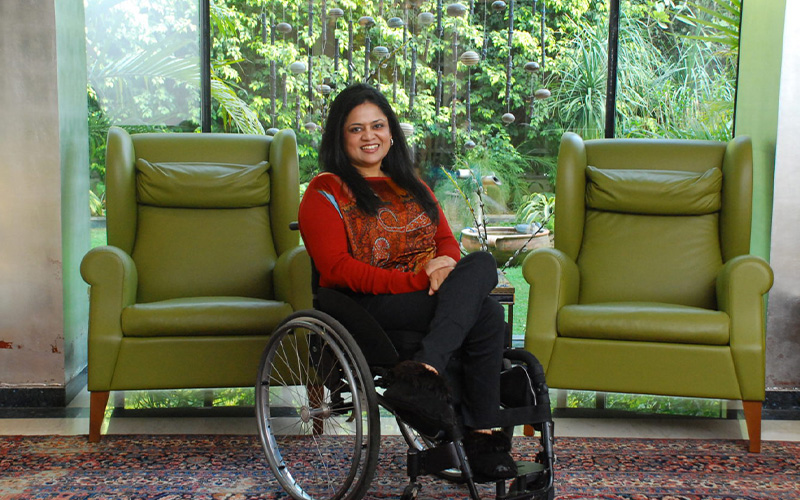
Sminu Jindal is an Indian industrialist and an economic architect of inclusion. She is the Founder-Chairperson of Svayam, an initiative for accessibility rights. In 2025, Sminu Jindal helped mobilise the National Summit on Accessibility, where she successfully shifted the discourse from “social welfare” to an economic imperative, identifying accessibility as a trillion-dollar growth driver for India’s future development goals.
8. Preethi Pal (Athlete)

Preethi Pal hails from a farming community in a village in Uttar Pradesh’s Muzaffarnagar. Now a star Olympian, Preethi, as a child, faced immense challenges since she could barely walk. She received the honour of becoming India’s flagbearer for the World Para Athletics Championships in 2025. A Paris Paralympic double bronze medallist, Pal faced and overcame barriers in her journey from battling cerebral palsy to becoming a sports icon for women in the country.
A Paris Paralympic double bronze medallist, Pal faced and overcame barriers in her journey from battling cerebral palsy to becoming a sports icon for women in the country.
With the outgoing year, these barrier-breaking stories dismantled the global frameworks that are ableist and exclusive in their very nature and called out India’s flawed development model. These pioneering women, with their resilience, have given encouragement to other women and made efforts to provide platforms to millions in the country. As is often said, their achievement came not because of the system, but despite the system. They are finally being heard and receiving the visibility that they deserve. The one thing common in all these stories is that accessibility is not a privilege, nor a request but a democratic and constitutional right which every single Indian citizen deserves and is a prerequisite for any modern and equitable society.
The spirit we need to adhere to for the approaching year should be: the right to move, the right to equal participation and above all, the right of accessibility, which cannot be conditional and negotiable for any citizen, no matter where they stand in the ableist social hierarchy.
This is by no means an exhaustive or representative list. Suggestions to add to this listicle are welcome in the comments section.