In 2025, FII continued its commitment to intersectional storytelling, publishing a diverse set of change-making narratives that brought to light the systemic injustices and opened ways for novel and radical thinking. FII published a total of 740+ articles for the English website. We went beyond simple awareness to deeply interrogate the shifting landscapes of technology with the rise of AI with our monthly MOTMs and brought to the fore the historical erasure of women through FII’s new column by Juhi Sanduja titled ‘Scripts of the Mothers’.
We wrote on a diverse variety of topics, ranging from social media and intersectional struggles, mental health, disability, queerness, and persistent caste discrimination.
This year, we wrote on the environmental and gendered costs of viral TikTok trends like Labubu and Stanley cups. We didn’t miss out on the importance of social media, examining how Instagram’s casteist aesthetics enable the further marginalisation of caste communities. On the pop culture front, our writer Mehvish exposed the sexualisation of young schoolgirls in Punjabi song Azul. Some stories of ours became everyone’s favourite, which included Why Can’t Women Just Be Still And Rest? and How Patriarchy Has Shaped Women-in-Laws As Rivals. We prioritised conversations aiming to bring the queer disabled stories into the mainstream through our collaboration with queer disability platform QAble.
Our writers, with their ground reports, covered the systemic issues impacting the huge swathes of population, often sidelined in the media landscape. Our coverage remained grounded and very local; we wrote on the indigenous forest wisdom of Soliga women and called out the silence surrounding the gang rape of an Adivasi woman in Khandwa. But it went global too when we spotlighted the ongoing genocide in Palestine and criticised the attacks on trans people worldwide.
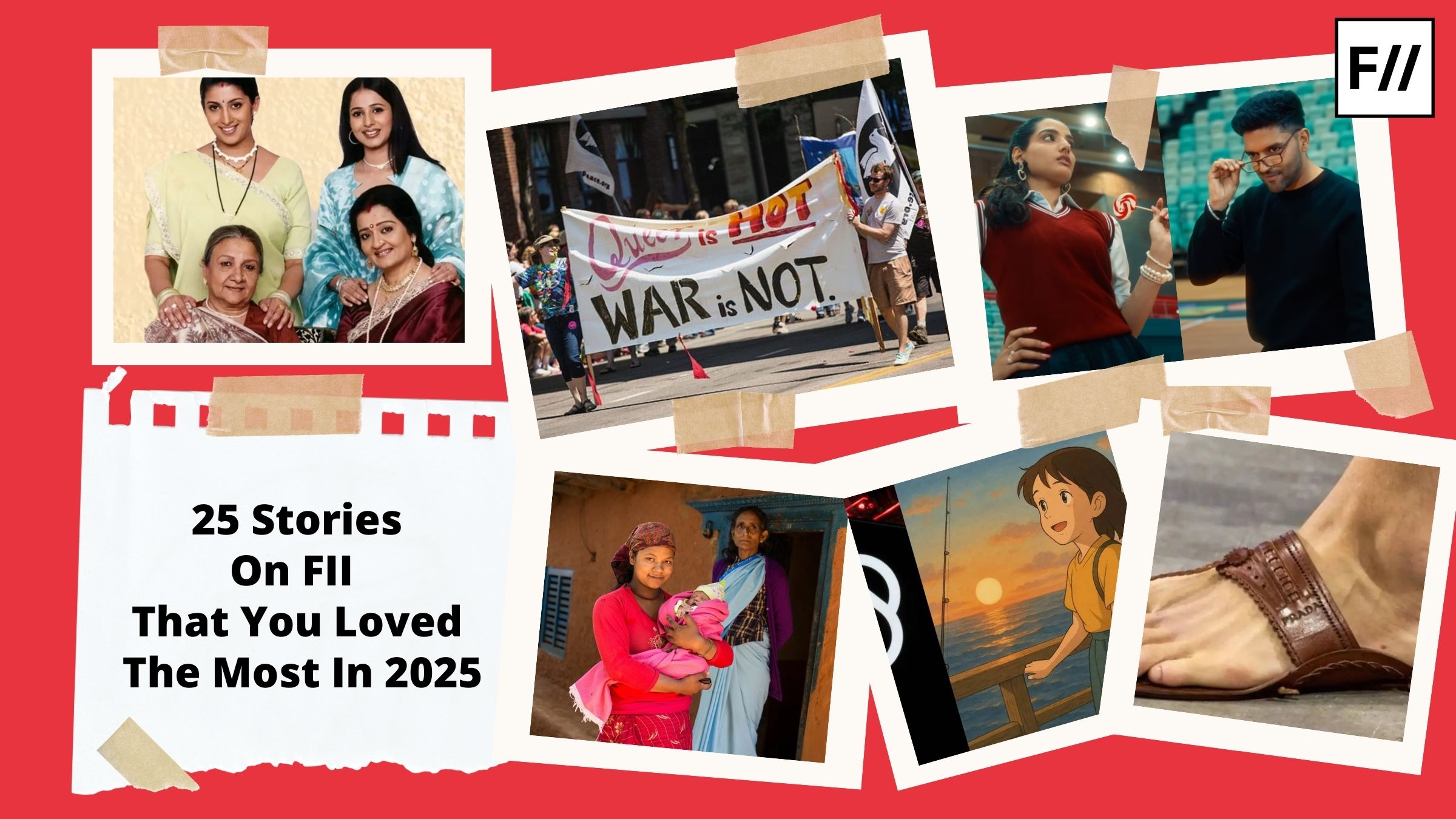
As the year comes to an end, let us look back at the 25 stories in 6 categories that resonated most with our readers in 2025:
I. The Digital Gaze, AI, and Pop Culture
By Shreya Kapoor
During the 2025 Kumbh Mela in Prayagraj, Monalisa, a young woman from a working-class background, became an unwitting sensation when her photo went viral on social media. Following the viral fame of Monalisa, this article discusses how the digital space often reduces brown-skinned women to objects of fetishisation under the male gaze.
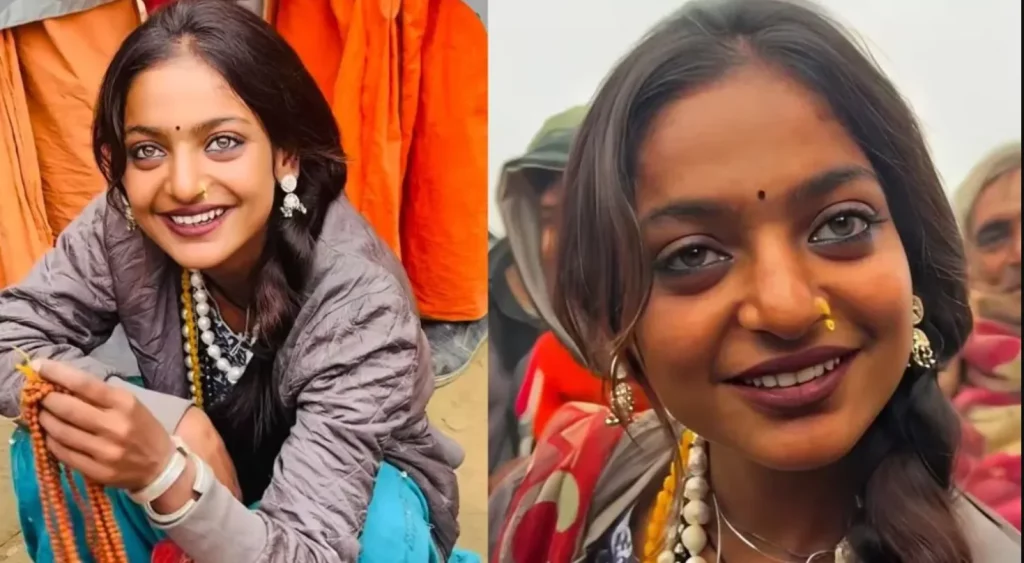
It interrogates how, instead of empowerment, Monalisa’s brief moment in the limelight led to harassment, surveillance, and, ultimately, a forced retreat into invisibility.
By Malavika Suresh
This article looks at the hyper-consumerist culture fueled by TikTok trends and practiced thoughtlessly by us in cases like Labubu dolls and Stanley cups. Trends promise empowerment through aesthetics but do so by tapping into insecurities around appearance, belonging, and having taste.
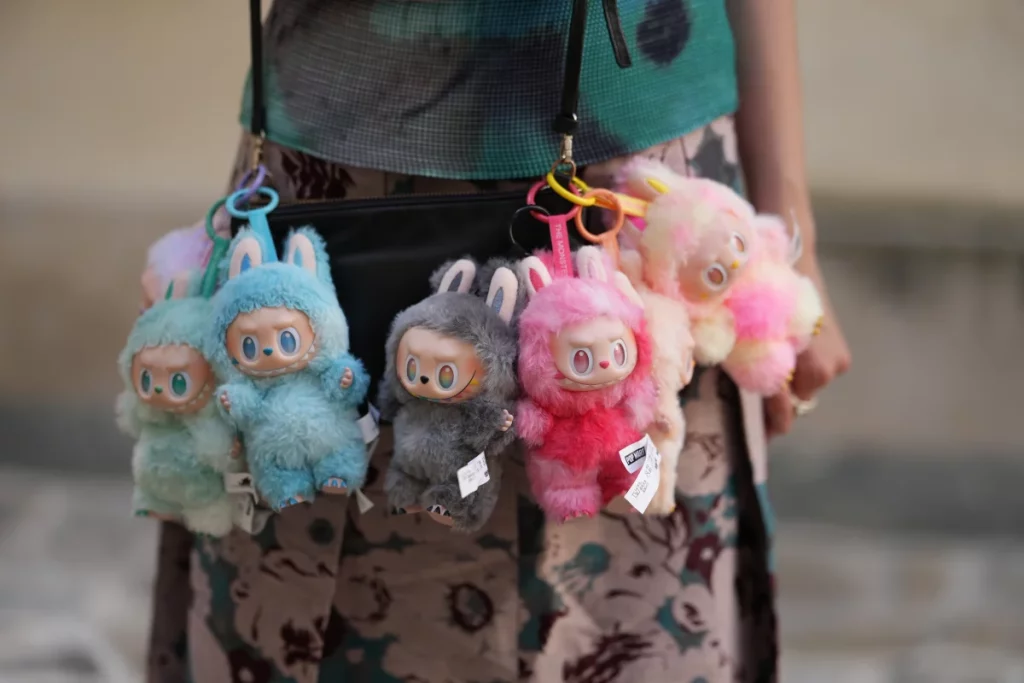
If you don’t follow an aesthetic or don’t have the trending products or the latest skincare, you are not performing ‘being a girl’ well enough.
By Mehvish
In this scathing critique of the Punjabi song Azul, Mehvish interrogates the disturbing sexualisation of minors within Indian pop culture. The piece exposes how the lyrics and visuals systematically reduce young girls in school uniforms to “consumable commodities,” equating them to premium alcohol brands for the adult male gaze.
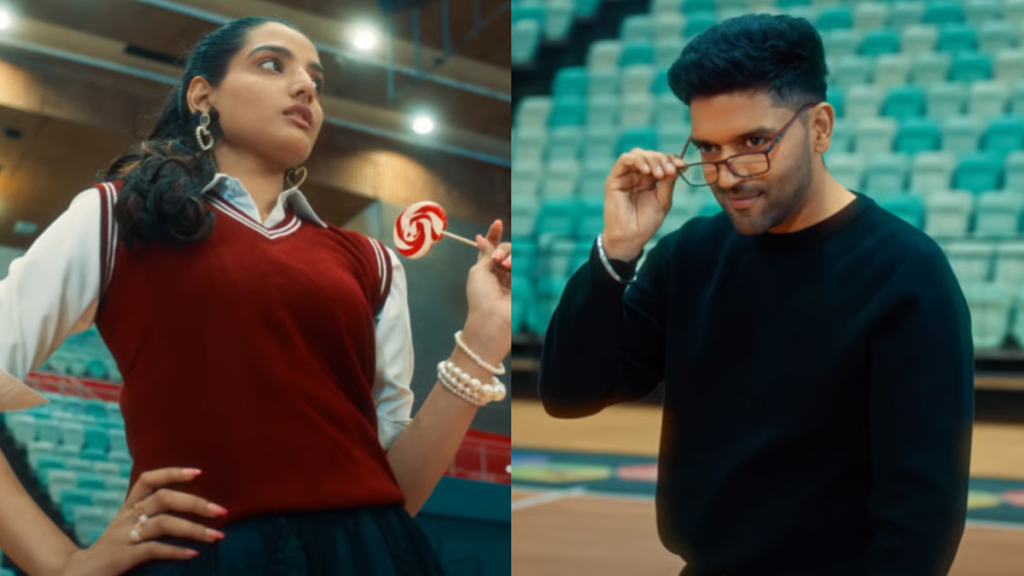
It asks a pertinent question: ‘Can India really afford this kind of content when our children, minors and school-age girls are already heavily exposed to violence and abuse?’
By Varsha Thulasi Pillai
In India caste discrimination refuses to disappear; it mutates and finds new fields to operate in. One of the newest of these fields is the digital world. In this article, Varsha Thulasi Pillai exposes the deep-rooted structures of caste hidden behind the superficial aesthetic culture of Instagram, now a visual archive of aspiration and belonging.
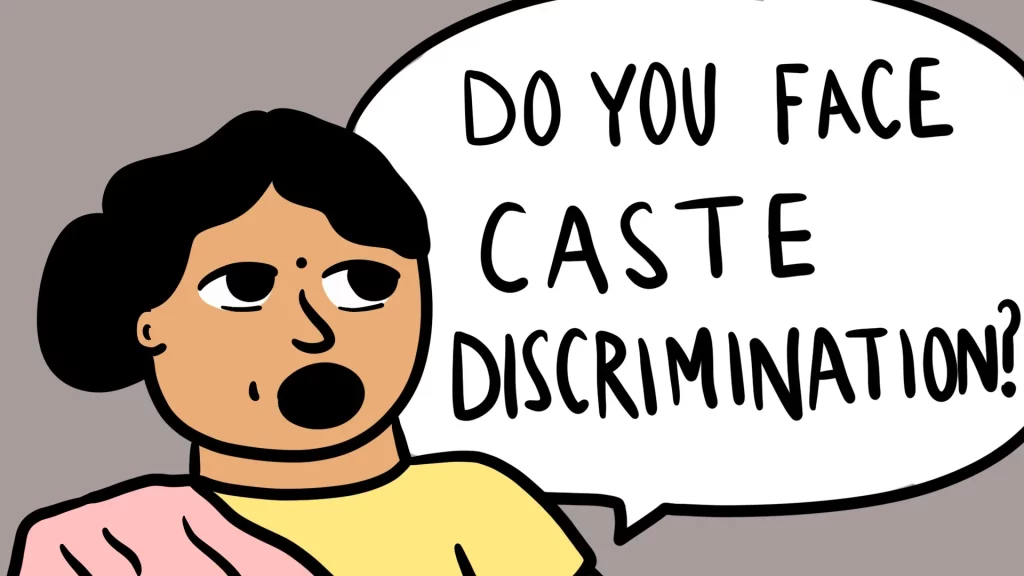
For Dalit content makers, the struggle is double-edged: they must fight for visibility in an algorithmic ecosystem that sidelines their narratives while navigating an ‘aesthetic’ that often functions as a tool of exclusion.
By Vishal Sharma, Assistant Editor, FII
The highly advanced version of image generation in GPT-4o caught everyone’s attention in early 2025 when its users started generating images in the style of Studio Ghibli. Under the shine and the buzz of its sophisticated quality, the new attraction of the AI town had some dark sides.

As AI-generated ‘Ghibli-style’ art flooded social media, this piece moved beyond the aesthetic appeal to expose the environmental cost of high-energy AI processing. It calls out the erasure of human artistic labour and the threat that generative AI poses to the authenticity of creativity.
II. The Domestic, Art, and Accountability
By Ananya Shukla
Womanhood, in many Indian households, is first rehearsed through labor—not only physical labor, but emotional vigilance as well. Ananya Shukla critiques how even feminist spaces often reproduce this glorification of busyness, applauding multitasking and survival exhaustion while turning resilience into an aesthetic.
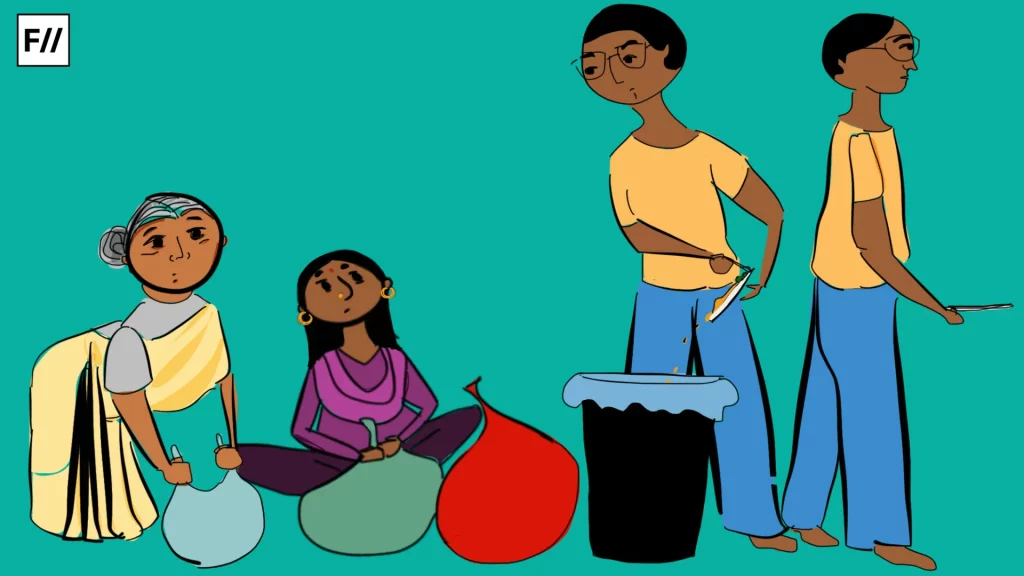
Rest is rarely championed as its own right; for feminists, the slow, quiet, ordinary act of doing nothing is a radical necessity that has yet to make it to the slogans.
By Khanjan Bhatt
Why do women often turn against each other instead of standing together? Why do women, who face similar forms of patriarchal oppression, end up becoming rivals within the household? This article argues that the answer lies in how patriarchy functions: by distributing power unequally and then forcing those with the least power to compete for scraps.
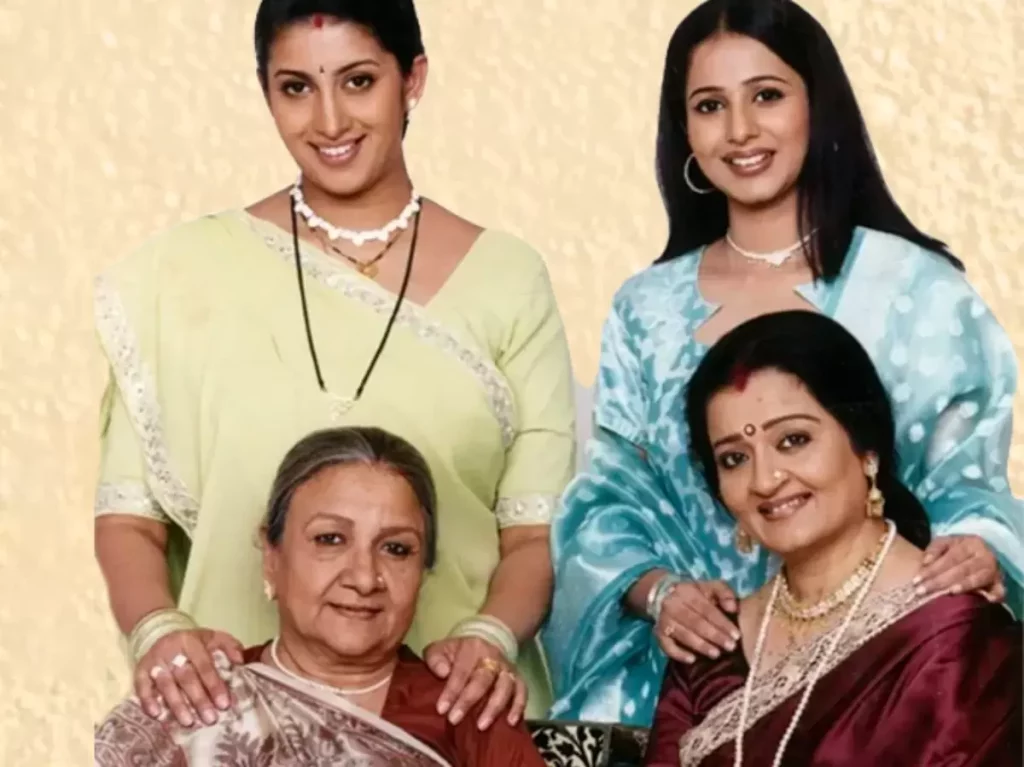
From childhood, girls become conditioned to believe that women’s friendships are fragile and shallow. They perceive that female spaces are full of jealousy, competition, and backbiting. It is not the personal rivalry, but structural conditioning.
By Khushboo Balani, Aanshi Gupta, and Mahima Sharda
India’s progress on maternal health indicators has been far slower and it is set to miss at least eight of its SDG targets relating to maternal health. This piece details that despite women making significant strides in traditionally male-dominated spheres, there remains a lack of adequate recognition of their unique biological and functional roles.
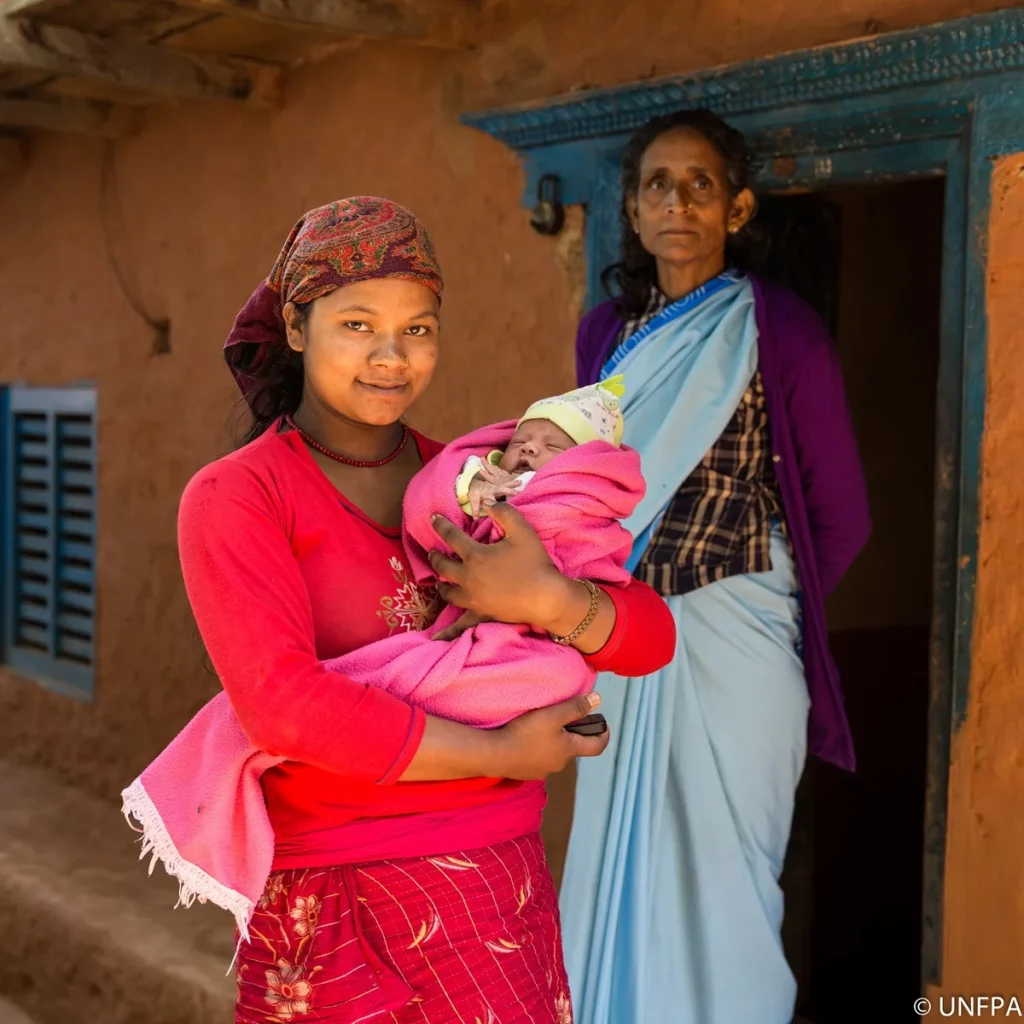
Motherhood, an important lifecycle event, remains under-represented in the broader gender theory and feminist discourse.
By Harshi
Haq movie entered the cultural space at a time when the Indian state has been aggressively curating stories about Muslim women—stories of suffering, betrayal, and patriarchal captivity. In this sharp film review, Harshi analyzes that Haq creates the impression that Muslim women need saving from Muslim men while facing competition with non-Muslim women.
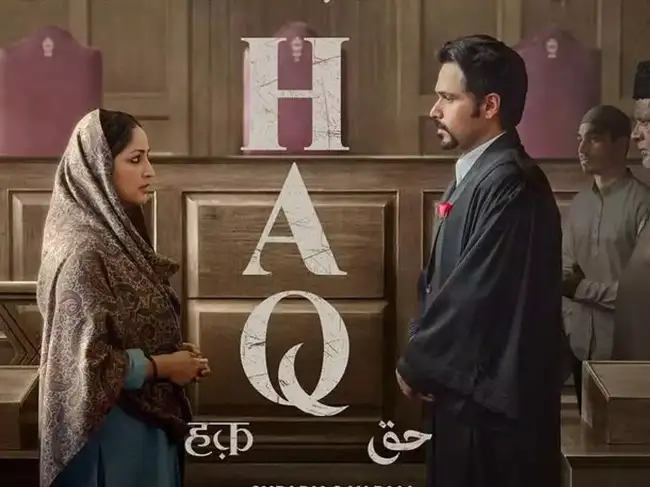
The Indian state—particularly the current political dispensation—is implicitly positioned as the saviour. The article argues that the movie reveals how Muslim women’s rights become political battlegrounds but avoids interrogating majoritarian co-optation of those rights.
III. Caste, Labour, and Reclaiming Space
By Saptaparna Samajdar
When global luxury brand Prada unveiled new footwear resembling the Kolhapuri sandals, social media erupted over the Western appropriation and cultural theft by the West. But this poignant article interrogated, ‘What if the cultural erasure didn’t start with Prada or with the West? What if the deeper, older story is not just about colonial appropriation but about caste-based appropriation from within?’
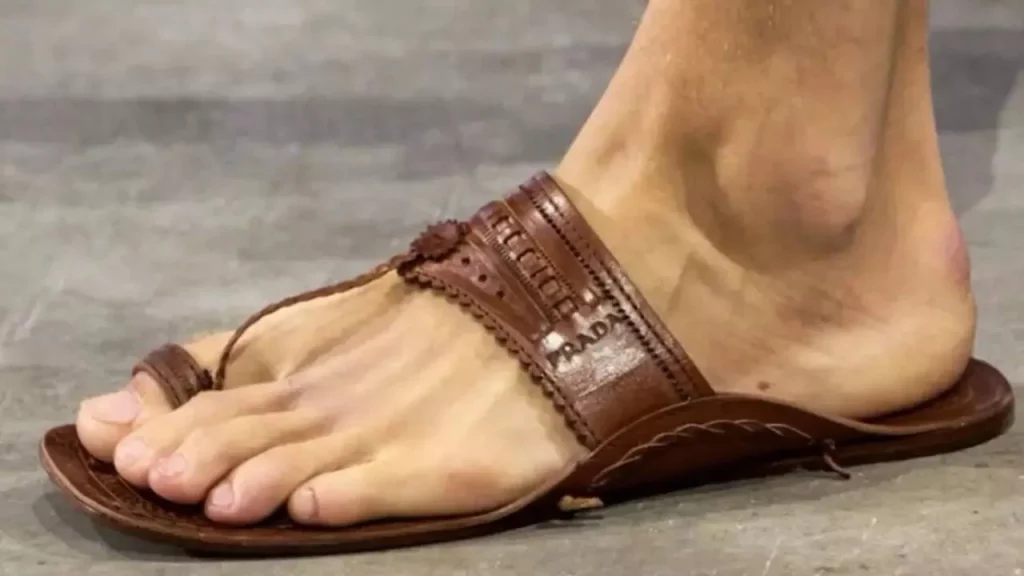
It argued that the Kolhapuri controversy exposed not only colonial legacies but also the casteist dynamics embedded within India’s cultural economy.
By Surbhi Ahirwar
This article sheds light on the toxic culture of family and social WhatsApp groups where casteist slurs are normalized through memes. It argues that this ‘humour’ is a deliberate tool for dehumanization and a way for dominant castes to maintain social hierarchies in digital spaces.
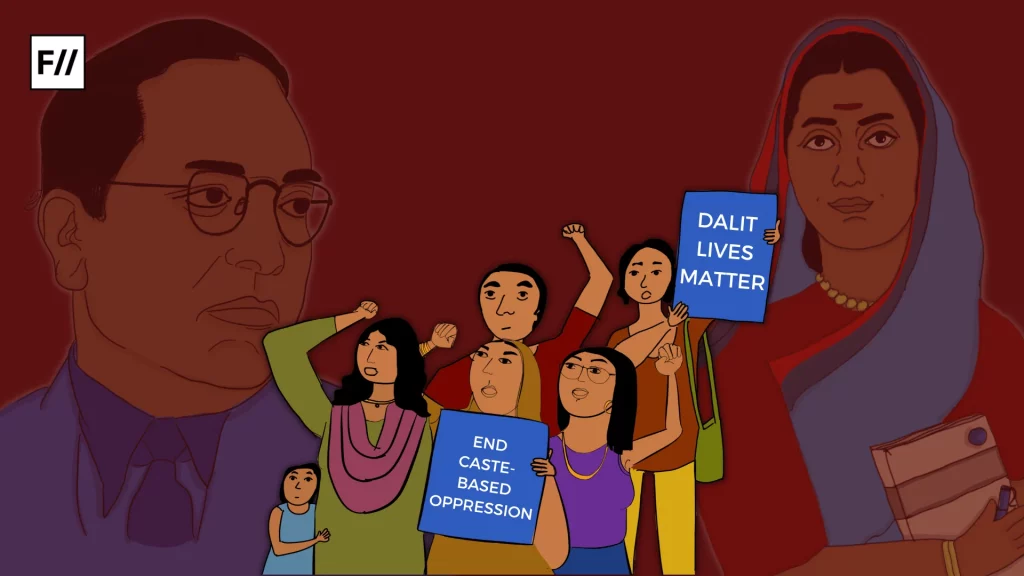
Such casteism dominates the online spaces, which is put out as “humour” but in reality is just dehumanisation of the marginalised communities.
By Dharanesh Ramesh
The mental health crisis among Dalit students is often a result of ‘hidden’ campus casteism. Dharanesh Ramesh documents the emotional labor of surviving in academic spaces that are structurally exclusionary, proving that the “sting” of discrimination is felt long after the classroom hours are over.
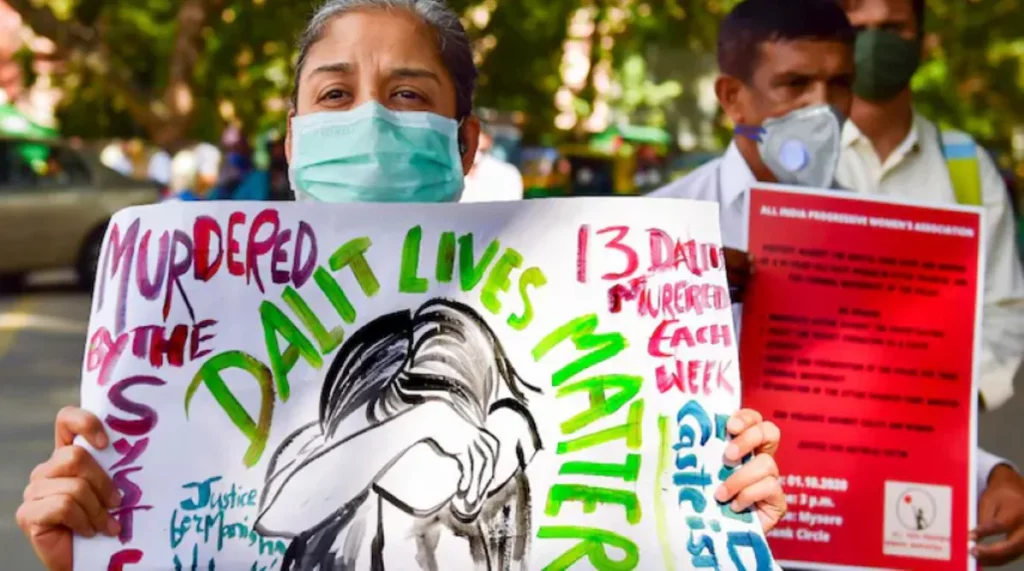
When the mind is burdened by constant exclusion, even the brightest students from marginalised dalit communities struggle to perform. Campuses that should be spaces for growth become places of quiet survival.
By Swati Bacharam Kamble
In India, Dalit women have historically been among the most silenced voices. Their stories have for so long been ignored and misrepresented—pushed aside by the weight of both caste and patriarchy. However, a new wave of Dalit women writers has emerged in recent years, reclaiming their space and forcing their voices to be heard. It highlights how their narratives are not just stories but radical acts of reclaiming a history that has long tried to silence them.
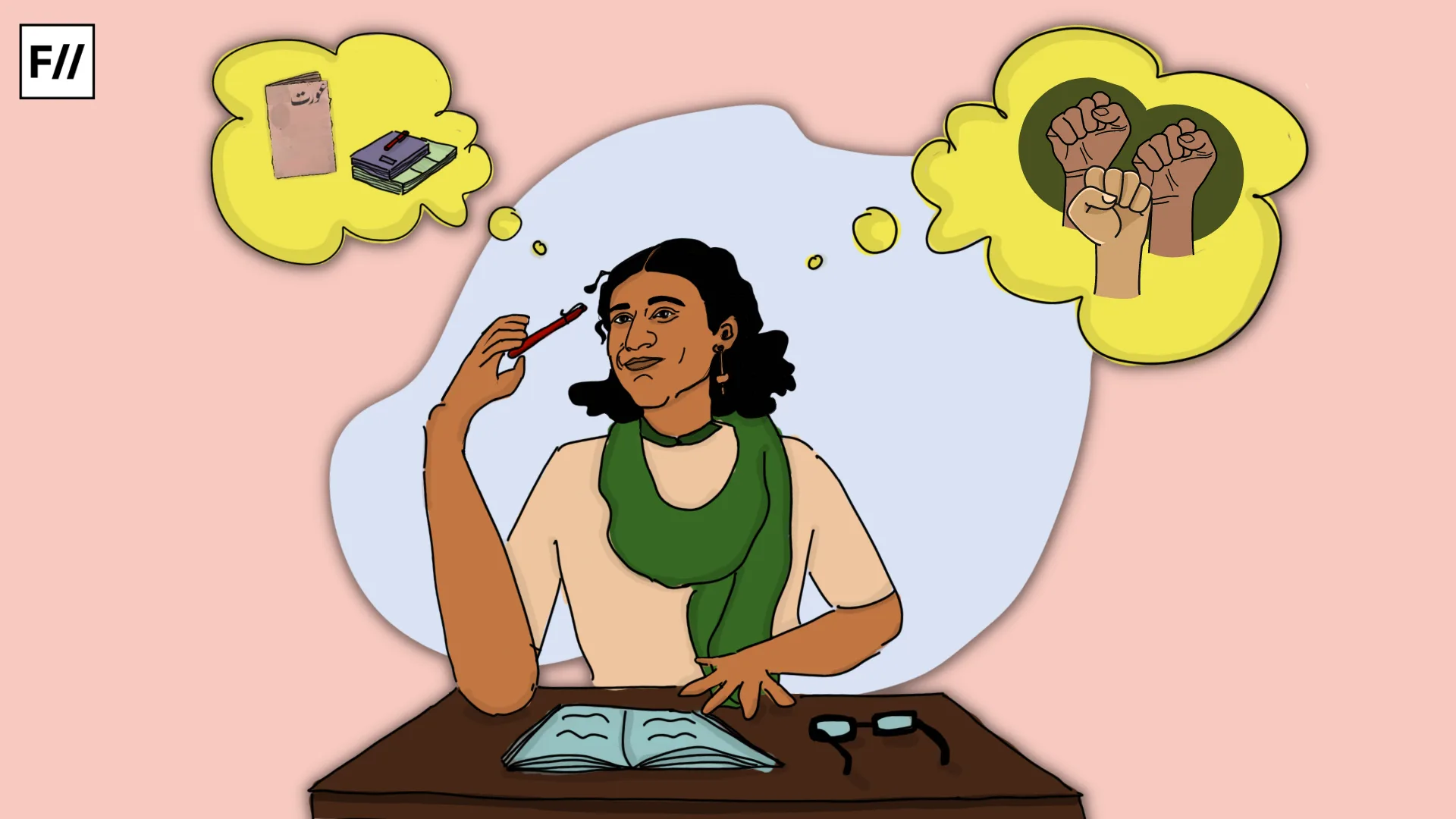
This piece celebrates Sujatha Gidla, Meena Kandasamy and so many other Dalit women writers who are at the forefront of destroying the caste patriarchy.
IV. Disability and Bodily Autonomy
By Shampa Sengupta
This analytical piece deals with the judgments of the higher courts of the country on issues of bodily autonomy of disabled women. It exposes the ableist as well as patriarchal mindset of the courts. The larger issue of reproductive rights of women with disabilities remains unaddressed even today.
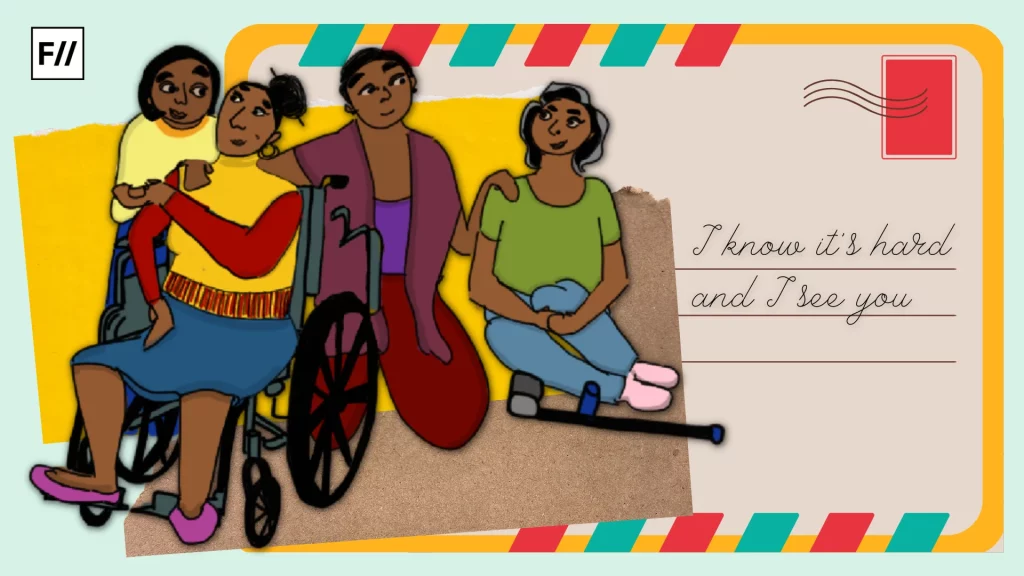
In a year focused on reproductive justice, Shampa Sengupta highlights the systemic barriers faced by women with disabilities whose bodily autonomy is often infantilized or ignored. The article demands a shift in policy that recognizes disabled women as active stakeholders in their own reproductive health.
By Dr Ishan Chakraborty
This powerful personal narrative explores the intersections of queerness and disability. Dr Chakraborty shares the intimate and personal but at the same time structural exclusion and a sense of being “uninvited” in social and familial setups because of his disability. As a gay deafblind person (the combination in itself is anyway quite “preposterous” to the ableist world) is going to be in the middle of a conversation where “adults” are smoking, drinking, and talking about sex—this is perhaps beyond imagination!
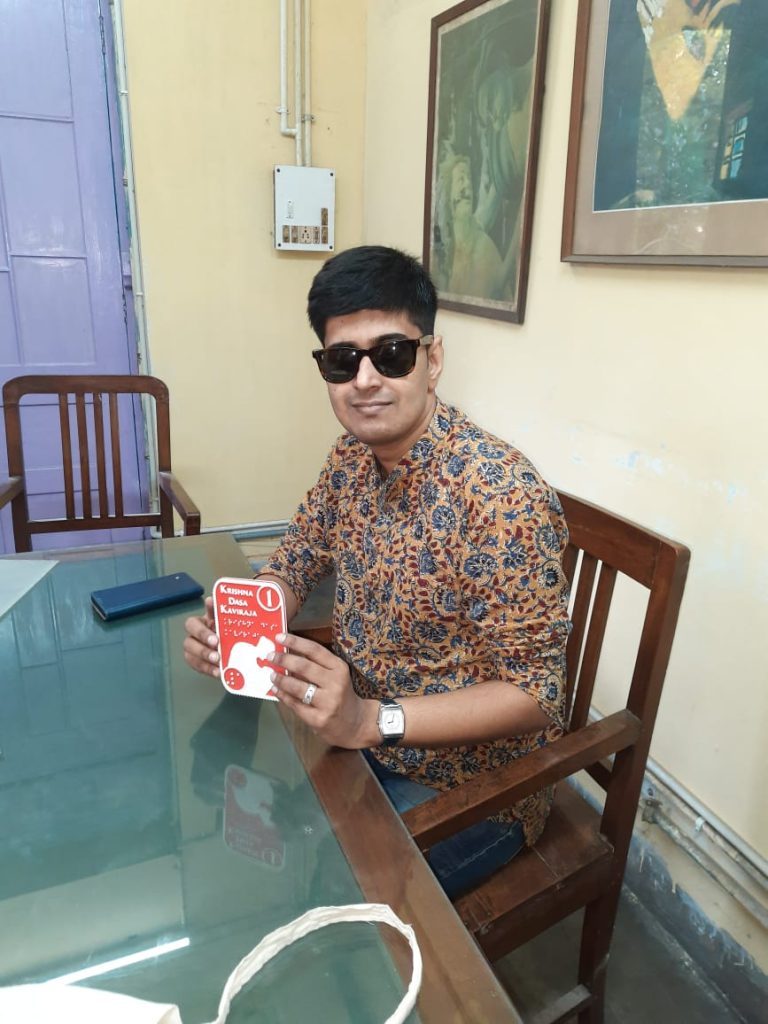
This invisibilisation of disability and disabled persons is something that the activists like him are constantly fighting against.
V. Ground Realities & Global Solidarity
By Urby Bhandary
While some cases of sexual violence spark national outrage, others receive a deafening silence. This article interrogates the selective empathy of the Indian public and media, calling out why the brutal gang rape of an Adivasi woman in Khandwa failed to trigger the same ‘candle-light’ solidarity seen in urban centers.
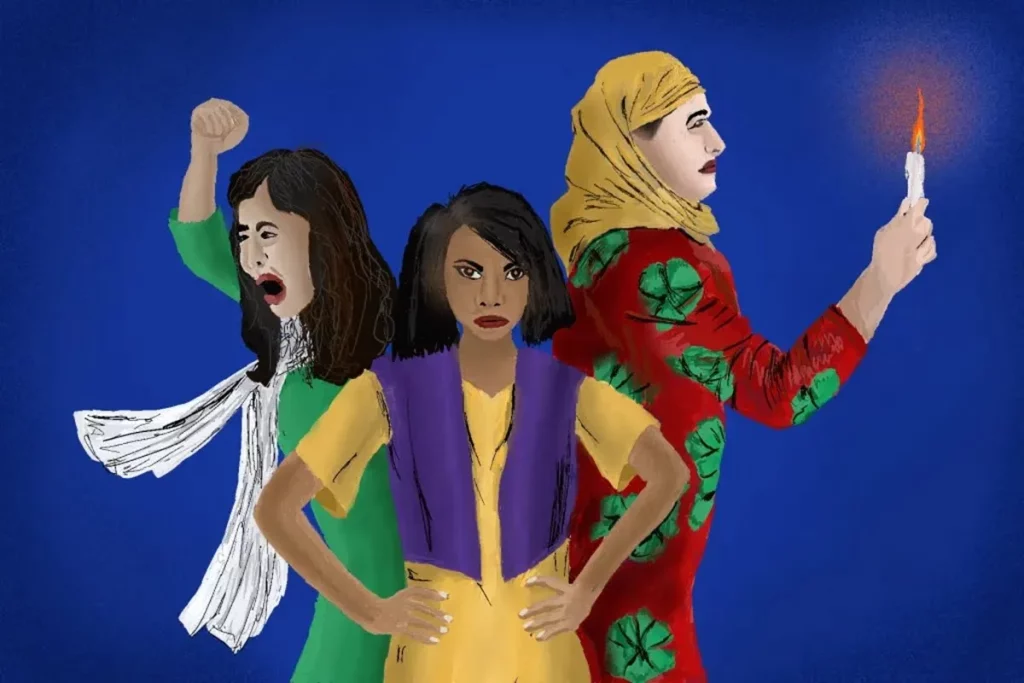
The piece asks, ‘When Dalit or Adivasi women are raped, what keeps our collective outrage stifled?’
By Akshita Prasad, Social Media Editor, FII
The separation of powers is essential in any democracy. In cases of abuses of power or institutional complicity in democratic norms’ violations, it is imperative that a country should investigate them with due process. In 2025, Rahul Gandhi made bombshell revelations of vote chori (theft) in Karnataka and Haryana during last year’s Loksabha and state assembly elections.
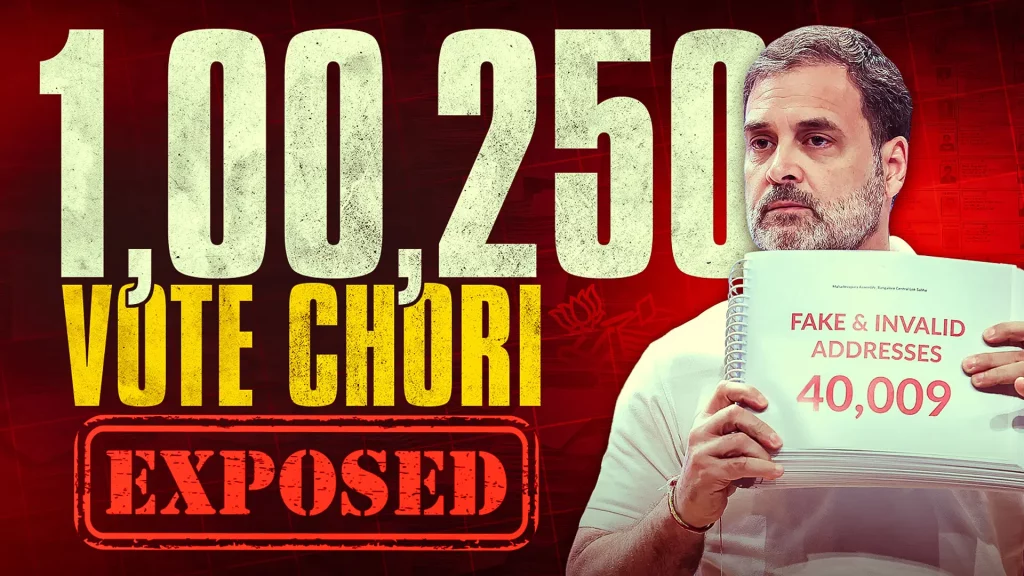
Accusing the BJP of systemic election fraud in collusion with the Election Commission of India, Gandhi alleged that over 25 lakh fake voters were created in the state to ensure a BJP victory. The piece argues that the country had nothing to lose by investigating Gandhi’s allegations, but everything to lose by shunning them without regard for their potential truthfulness.
By Mema Chongtham
Delhi attracts thousands of young people from the Northeast each year, who migrate to the city in search of quality education and better employment opportunities. Yet, the city has witnessed a string of racial attacks and abuses in recent years and attacks rooted not merely in xenophobia, but also in race, gender, and cultural prejudice.
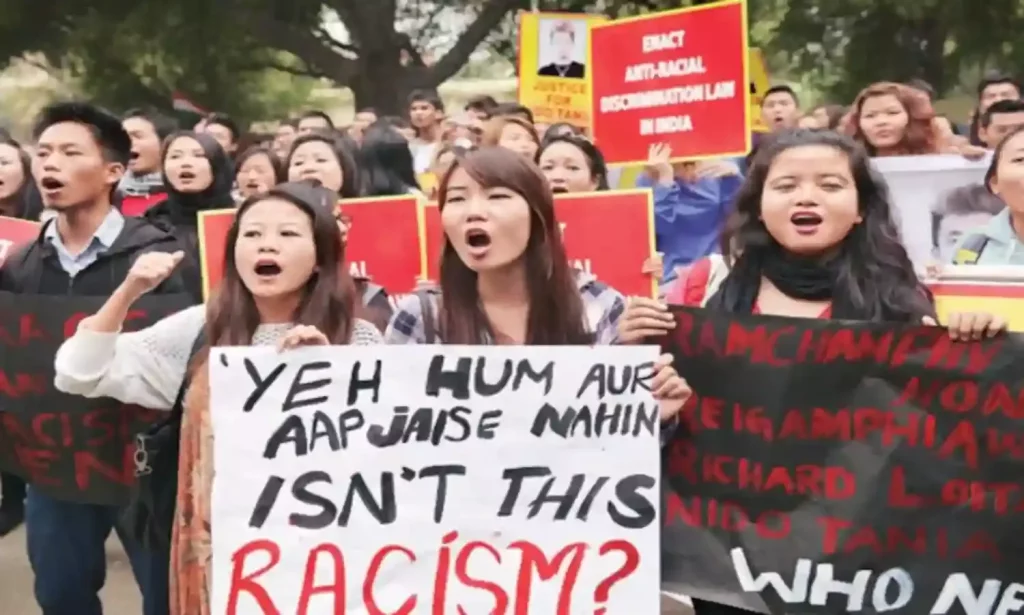
For Northeastern people, especially women, Delhi becomes a space where racism, sexism, and cultural alienation converge. Mema’s piece exposes this persistent “outsider” status and questions whether the national capital can ever be truly safe.
By Insha Hamid
Given the Adani Redevelopment Plan of Mumbai’s Dharavi, the article addresses the disproportionate impact, likely to come upon the already marginalised slum-dwellers of Dharavi. The article argues that the plan has no safety net for Dharavi workers to ensure the residents would be able to continue their vocations and earn their livelihoods in the way their families have been doing for several consecutive generations.
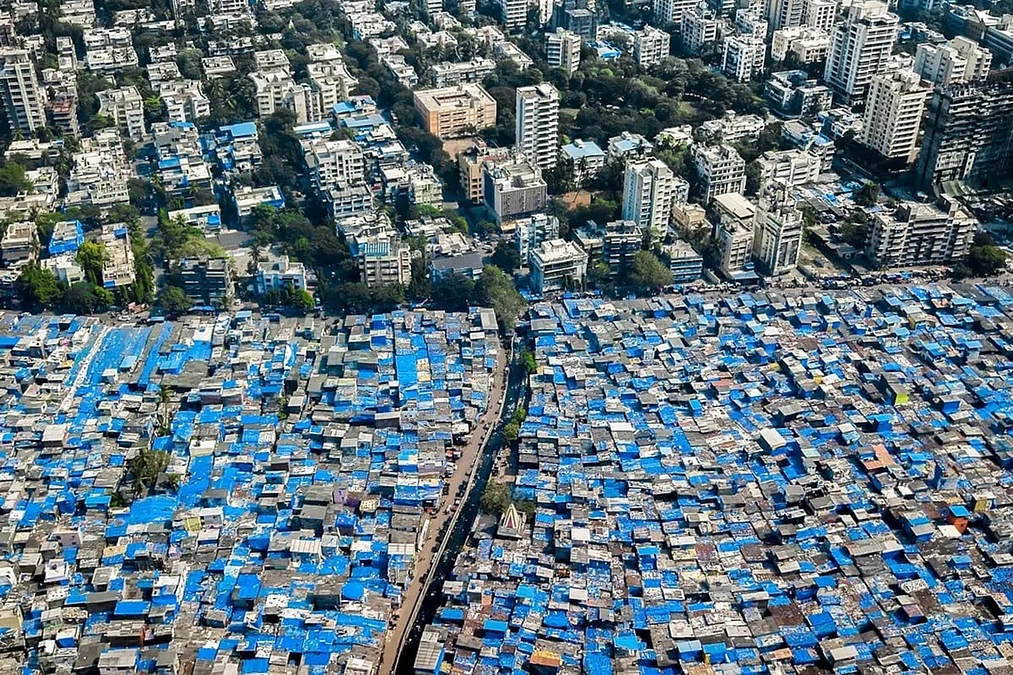
The Adani Group has already been facing allegations of receiving undue favours from the state government in awarding this contract.
By Ananya Ray, Associate Editor, FII
In the wake of ongoing assaults on queer people and imperialist wars, this article sheds light on queer people coming together in condemnation of such violence and colonial subjugation. It hopes for a future without war and persecution.
It deals with the fact that queer bodies are often left most vulnerable to an onslaught of social, physical and psychological brutality in an age marked by wars, geopolitical and social, as well as personal.
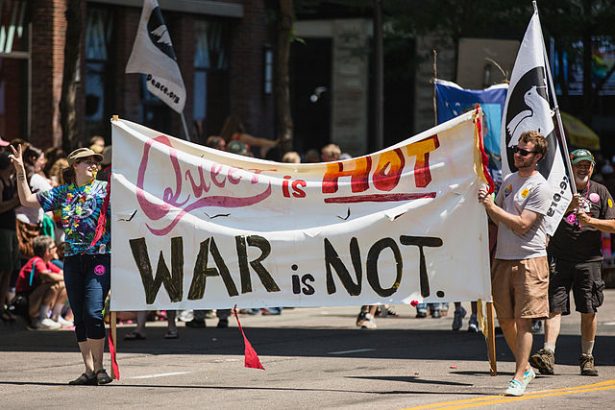
For long, war has been defined through a geopolitical parlance, focusing on the protection or formation of national identity. However, for queer people, their struggle for survival is a war itself.
By M Ushashree
The Malai Mahadeshwara Hills (MM Hills) of Karnataka are home to the Soliga community, an indigenous group that has long depended on a deep relationship with the land. Soliga women, in particular, play an essential role in sustaining traditional farming and ecological knowledge.
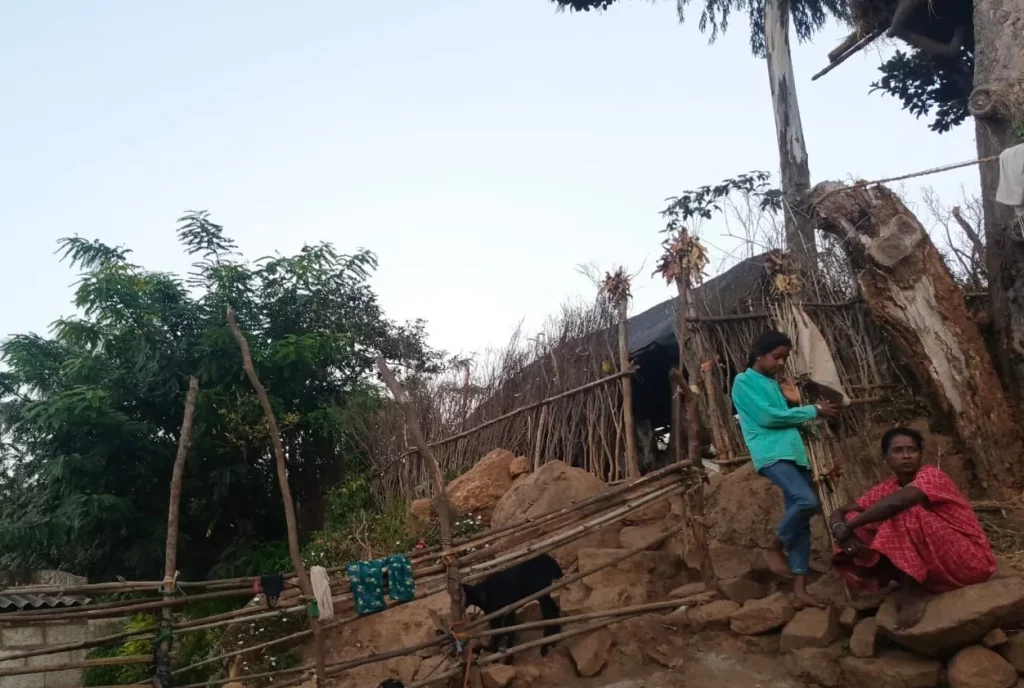
This feature brings to fore the Soliga women and their role as the primary keepers of biodiversity and forest knowledge. It highlights how their indigenous farming practices are not just a means of survival, but a radical form of ecological resistance against modern industrial devastation.
VI. Identity, History, and Radical Joy
By Jatin Chahar
In this evocative piece, classical Ghazals are reclaimed to express the queer loneliness and longing. Queer individuals go through isolation due to the non-acceptance of their identity. Classic ghazals serve as a home to many queer folks, the writer elaborates. Some of these ghazals are gender-neutral and often express the idea of isolation, which queers face and struggle to express.
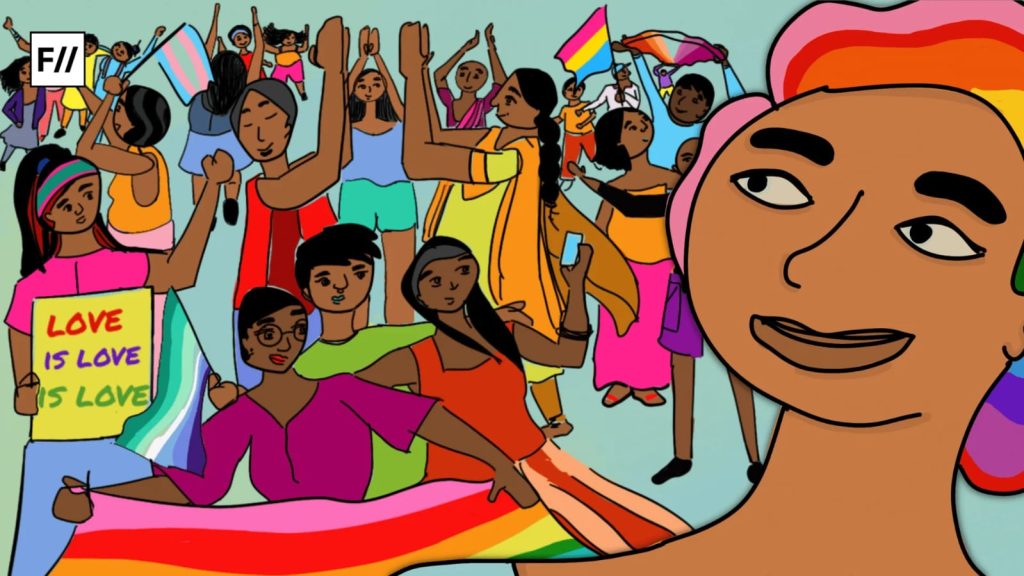
For many the ghazal Tum Itna Jo Muskura Rahe Ho by Kaifi Azmi beautifully expresses how so many queer people live a dual life where deep inside they are isolated and in pain but project being happy.
By Jocelyn Bell and Priyanka Samy
Moving away from the narrative of constant struggle, this article explores the political importance of ‘Radical Joy’. The Black and Dalit feminists walk parallel paths, inspired by each other’s scholarship and activism. A conversation between a Black feminist scholar and a Dalit feminist activist is the seed for this reflective essay. In speaking to each other across racial and caste lines, across continents and struggles, they found themselves circling the same truth.
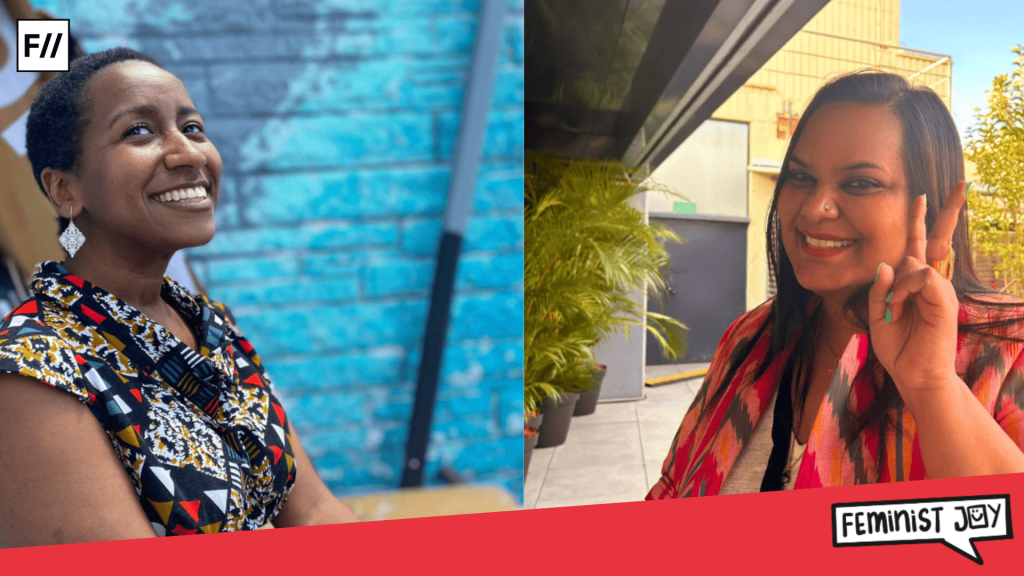
All these social justice movements echo across oceans, refusing to be confined to registers of grief. Together, joy and care constitute the very infrastructure of these struggles, sustaining both their resistance and their imagination.
By Sohini S
Mx Yashika’s story begins not with triumph, but with a tremor. One that cuts through the tattered jacket of solidarity in India’s trans rights movement. At stake here is more than one person’s dignity. It’s the erasure of Dalit trans voices from movements that claim to speak for all trans people.

It’s the reproduction of caste supremacy within LGBTQIA+ spaces that purport to be inclusive. And it’s the heartbreak of being ghosted (not just by dominant-caste-led queer institutions) but also by platforms dedicated to Dalit rights.
By Juhi Sanduja
This article in our new series “Scripts of the Mothers” explores the significance of goddesses throughout history, uncovering rituals, symbols, and the feminine divine’s impact. It is a column not just about nostalgia, but about confrontation. It traces the buried, burned, and rewritten languages through which women once remembered, goddess myths that became monsters, stitches that turned into screams, and scripts once whispered in secret.
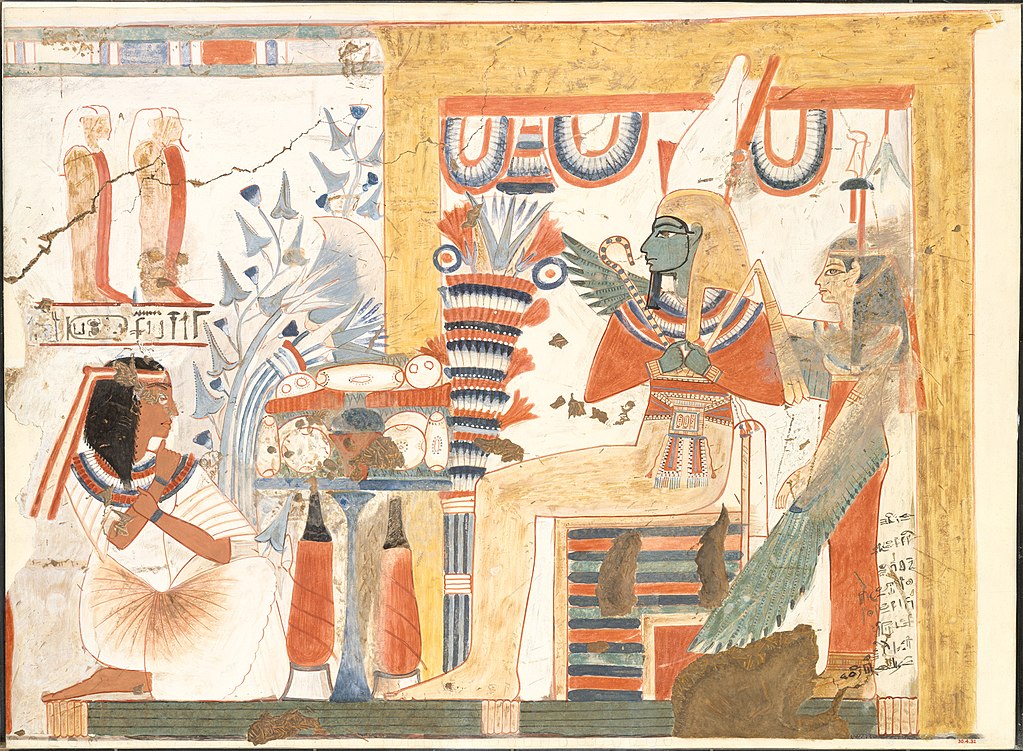
It asks: What did matriarchal knowledge look like before patriarchy named it myth, madness, or magic?
Conclusion
The year 2025 has been eventful for the FII’s English Editorial Team, who not only edited, published, and wrote some of these pieces but also learnt about diverse topics and ideas while reading and editing these pieces for publication. We thank our writers, whose contributions and perspectives have greatly enriched our platform.
Which was your favourite piece by FII this year? Comment and let us know!
About the author(s)

Feminism In India is an award-winning digital intersectional feminist media organisation to learn, educate and develop a feminist sensibility and unravel the F-word among the youth in India.