While the internet affords a degree of individual self-determination, even to those historically denied the agency to speak for themselves, this freedom is paradoxical. Online identities often carry forward the same notions of superiority inscribed offline. As such, the growth of digital platforms in India has not diluted the institution of caste. Instead, the everyday workings of caste have shifted from overt and explicit practices to covert, implicit ones.
The growth of digital platforms in India has not diluted the institution of caste. Instead, the everyday workings of caste have shifted from overt and explicit practices to covert, implicit ones.
To illustrate this shift, we can examine the mechanisms of caste across multiple digital platforms, focusing on its manifestations on quick commerce platforms, social media (particularly Instagram), and online matchmaking services.
As algorithms learn from existing patterns of behaviour, it is not a matter of surprise, then, that these technologies that exist in a society structured by caste continue to amplify historically dominant voices while suppressing those of marginalised groups. This ultimately creates digital echo chambers of caste, particularly in Savarna spaces.
The internet serves as fertile ground for the digital reproduction of caste through a dialectical process of continuity and transformation into new modalities. This process represents an extension of the offline social order, remapping caste into digital terms. Mechanisms involved in this process include algorithmic biases on online platforms and websites; digital identification systems; and the occupational segmentation that occurs as a direct consequence of digital capitalism, most notably in the form of platform-based gig work.
The curious role of caste in the gig economy
Quick commerce platforms such as Swiggy, Zomato, Urban Company, and Ola are heavily reliant on gig workers for their day-to-day operations. However, these gig-work-based digital platforms often mirror India’s caste-based occupational divisions.
Dalit labour has historically been attached to degrading or invisible work; this continues in platform-based labour. There is a growing body of evidence that lower-caste workers disproportionately perform delivery, domestic work, cleaning, and repair tasks. Gig workers also have to face unfair algorithmic ratings, customer caste prejudices, and opaque forms of platform control. These factors produce a digitised form of caste-based labour vulnerability. Platform-based gig work, then, assimilates caste into new labour forms, as opposed to dissolving it.
Instagram and the aesthetics of caste
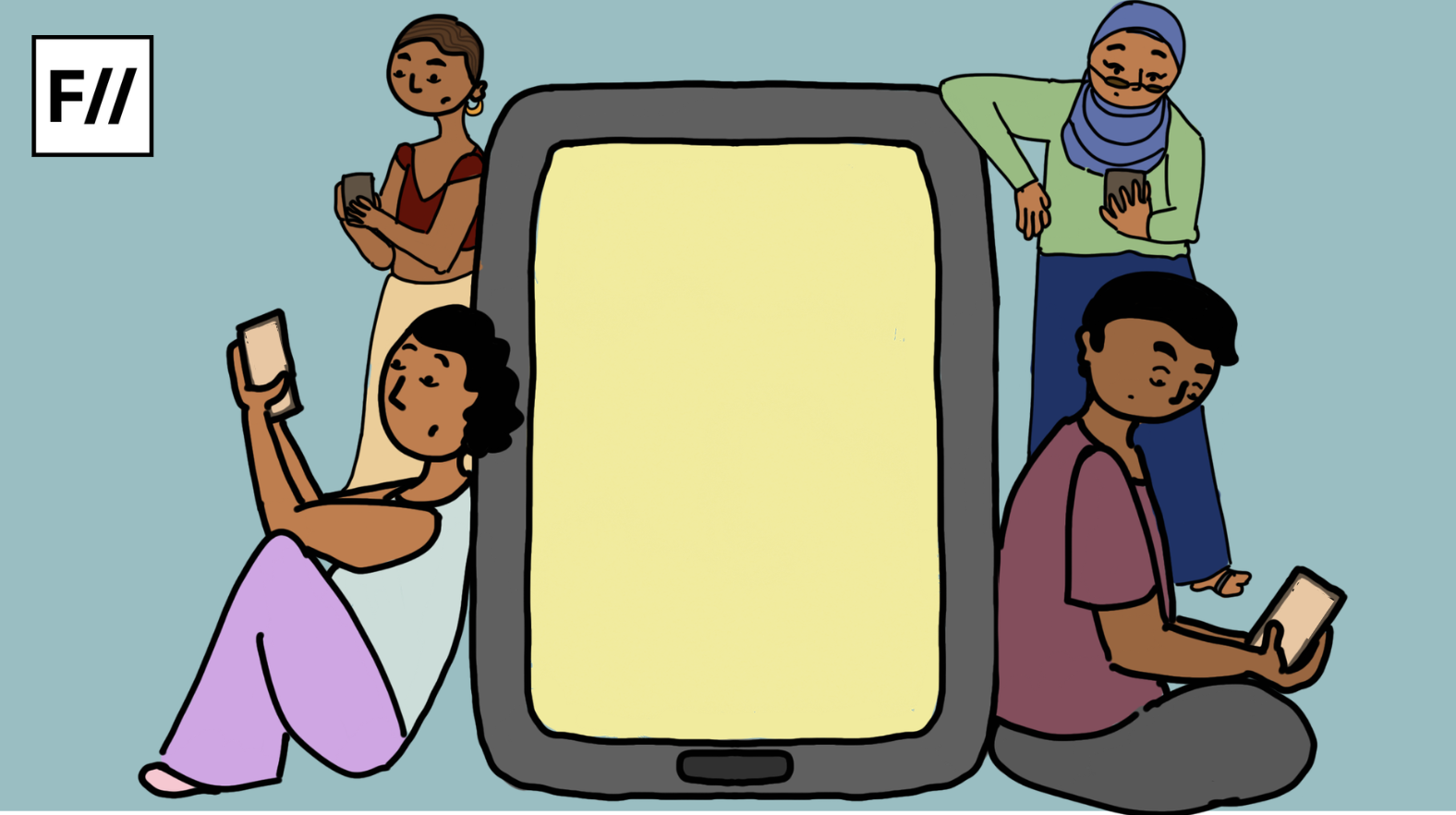
While digital spaces may appear egalitarian and casteless in popular culture, the reality of these spaces is far different. On social media, caste is constructed in multifarious ways — from expressions of caste pride in Instagram bios to the now relatively commonplace use of casteist insults when interacting with users on X (formerly Twitter).
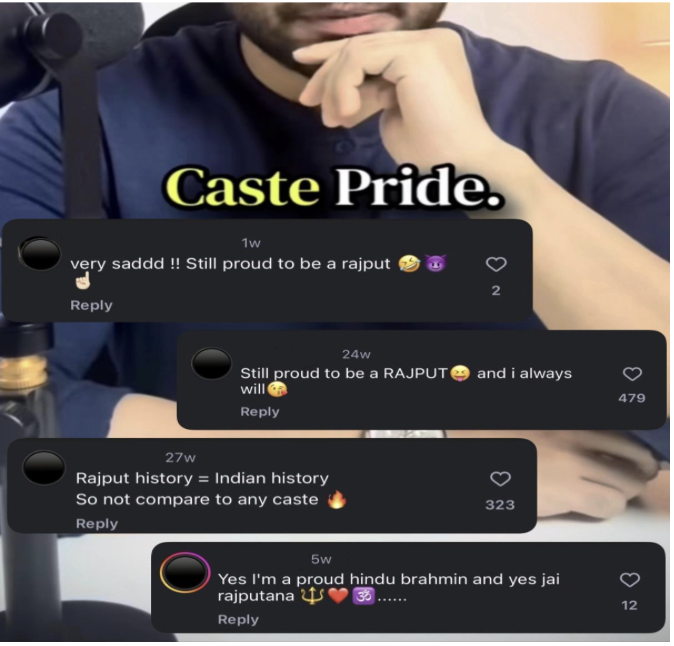
These constructions of caste identities on social media platforms illustrate the earlier argument that contemporary expressions of caste pride have shifted from visible, tangible, real-life displays of hatred that existed openly to ‘keyboard warriors’ hurling caste-based abuses at other users and taking pride in caste surnames, with such casteism now often hidden behind screens.
The visual logic of Instagram sets the stage for new articulations of caste through visual culture and aesthetic performance. Just like putting caste names on bumper stickers in real life, the showcasing of visual caste pride is key to reproducing caste inequalities, as is the portrayal of upper caste identities as superior.
The visual logic of Instagram sets the stage for new articulations of caste through visual culture and aesthetic performance. Just like putting caste names on bumper stickers in real life, the showcasing of visual caste pride is key to reproducing caste inequalities, as is the portrayal of upper caste identities as superior.
Dominant caste influencers, who have higher visibility and algorithmic reach, dictate the norms of beauty and desirability. The aesthetics of certain types of content come to be viewed as aspirational, whereas certain visuals and identities are branded as ‘chapri’ — a casteist term often used as slang to pejoratively label someone perceived as low-class, tasteless, or trying too hard with flashy, often gaudy, fashion and digital aesthetics.
The practice of digital endogamy
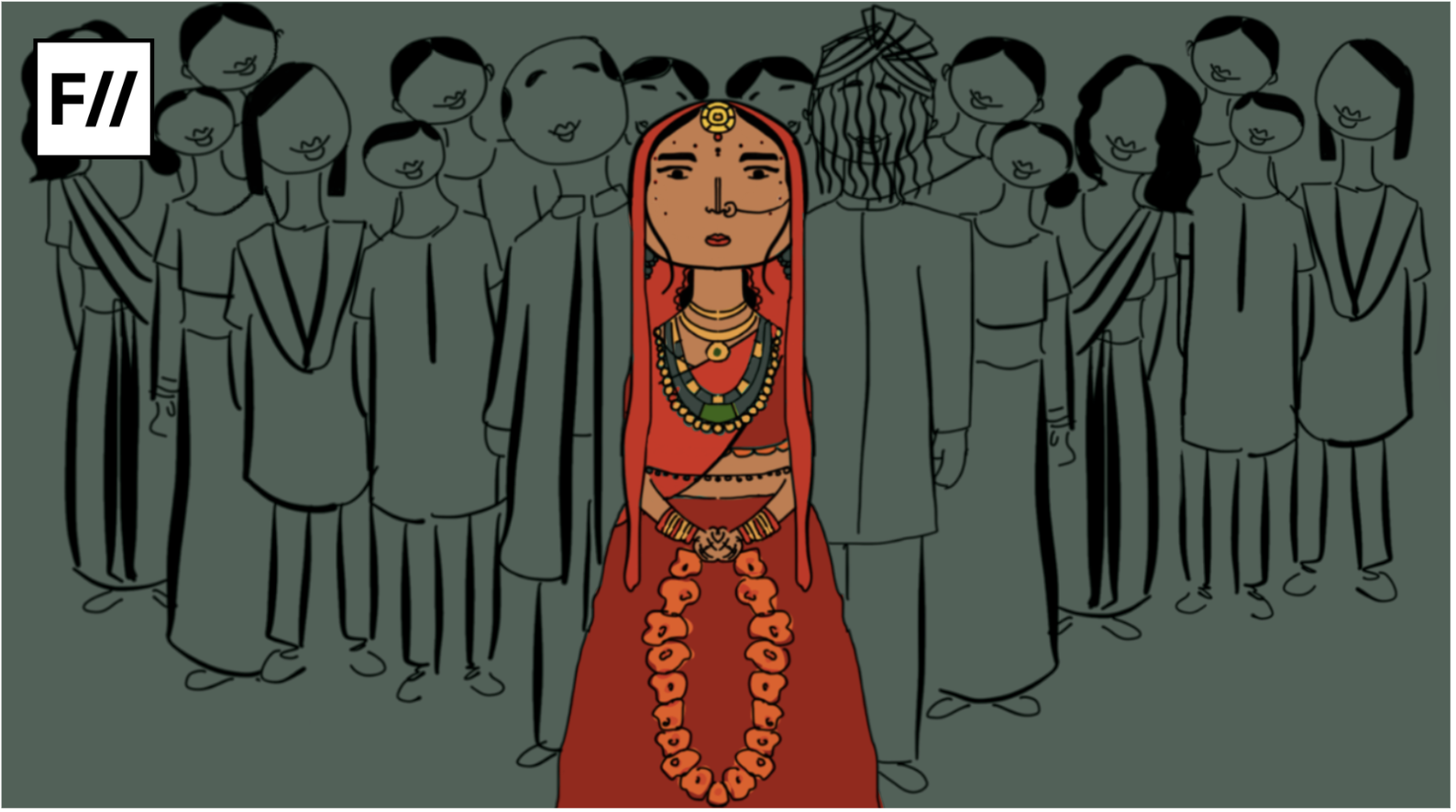
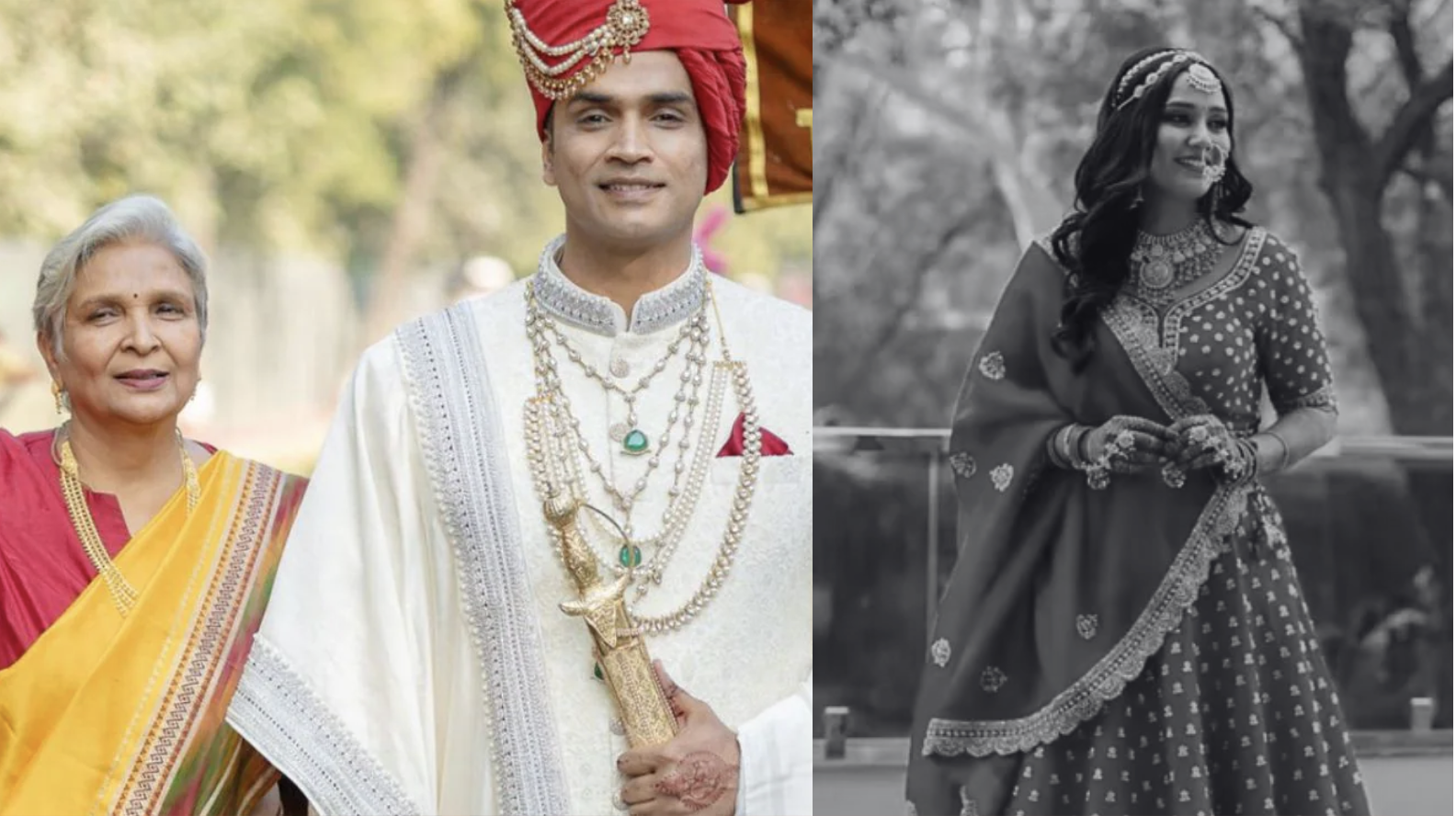
Digital marriage portals and matchmaking platforms are another key site in the reproduction of caste. Extending the idea of homogamy, the tendency of individuals to choose partners similar to themselves in social characteristics, from physical to online marriage practices, it becomes clear that these matrimonial platforms are structured along caste lines, and enable the practice of digital endogamy — a tendency to look for marriage partners of the same caste on online matrimonial portals.
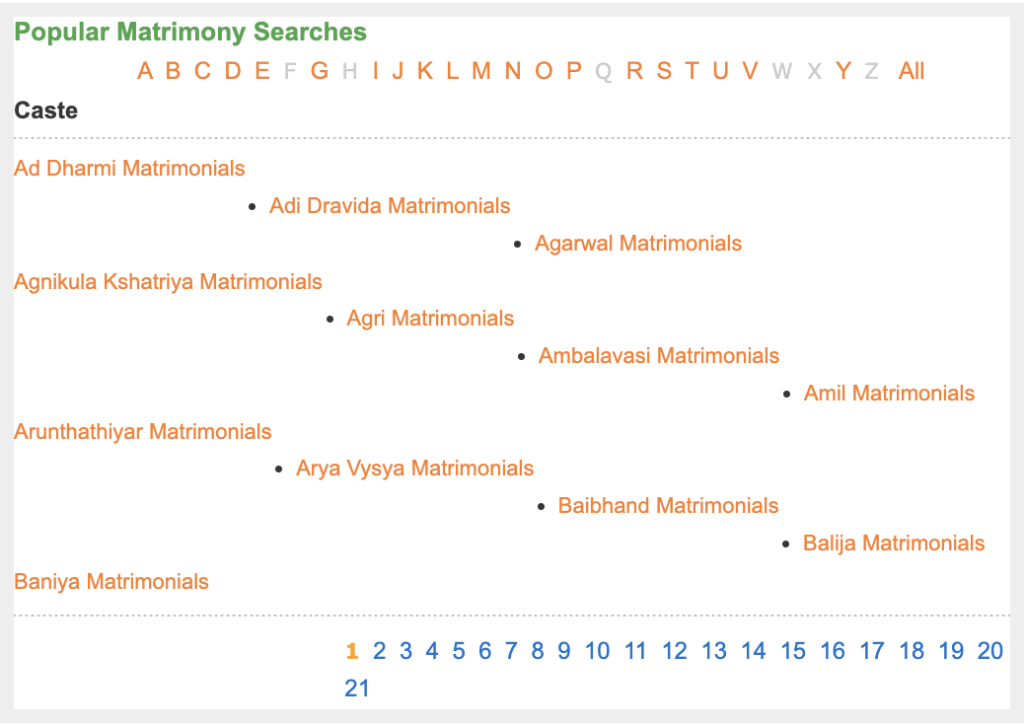
Dr B.R. Ambedkar identified endogamy as one of the most central features of the caste system. The fact that caste-based filters are widely available on online matrimonial portals indicates how traditional caste norms proliferate into, and are reproduced on, digital matrimony websites. Further, some websites consciously position themselves as ‘elite‘ matrimonial destinations.
Caste continues to be visible, and casteism continues to thrive across various digital spaces because the transition from physical to digital social spaces did not disrupt caste as the scaffolding that sustains power structures.
However, it is important to note that the reproduction of caste in digital spaces is not limited to the platforms discussed above. Caste continues to be visible, and casteism continues to thrive across various digital spaces because the transition from physical to digital social spaces did not disrupt caste as the scaffolding that sustains power structures. As Anand Teltumbde argued in his 2025 book, The Caste Con Census, this transition merely transformed the language through which caste is legitimised and the mechanisms through which it is reproduced.
About the author(s)

Abhijay Rambabu (he/him) is a sociologist with a keen focus on digital, urban and cultural sociology. He researches and writes upon these topics, in addition his writings on ecology, inequality and critical caste studies.