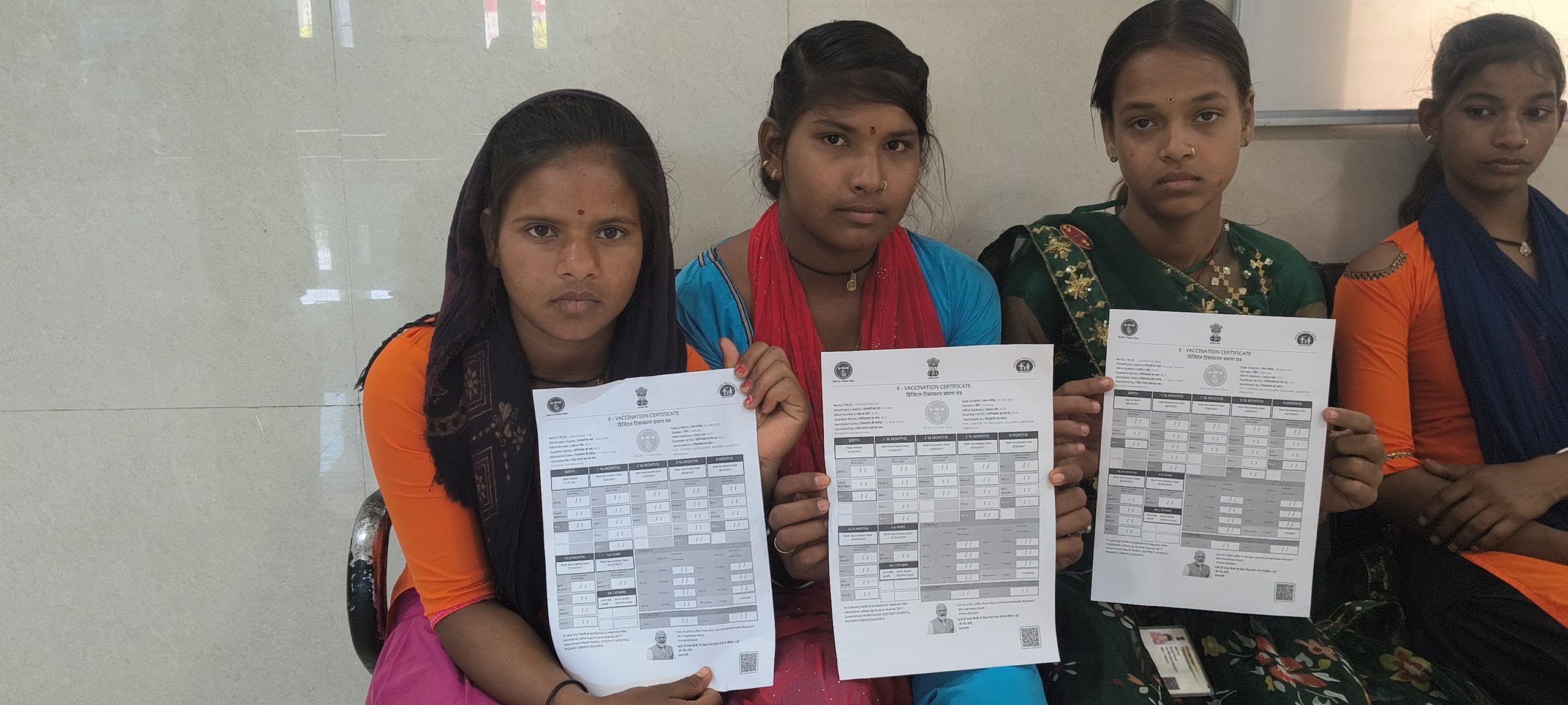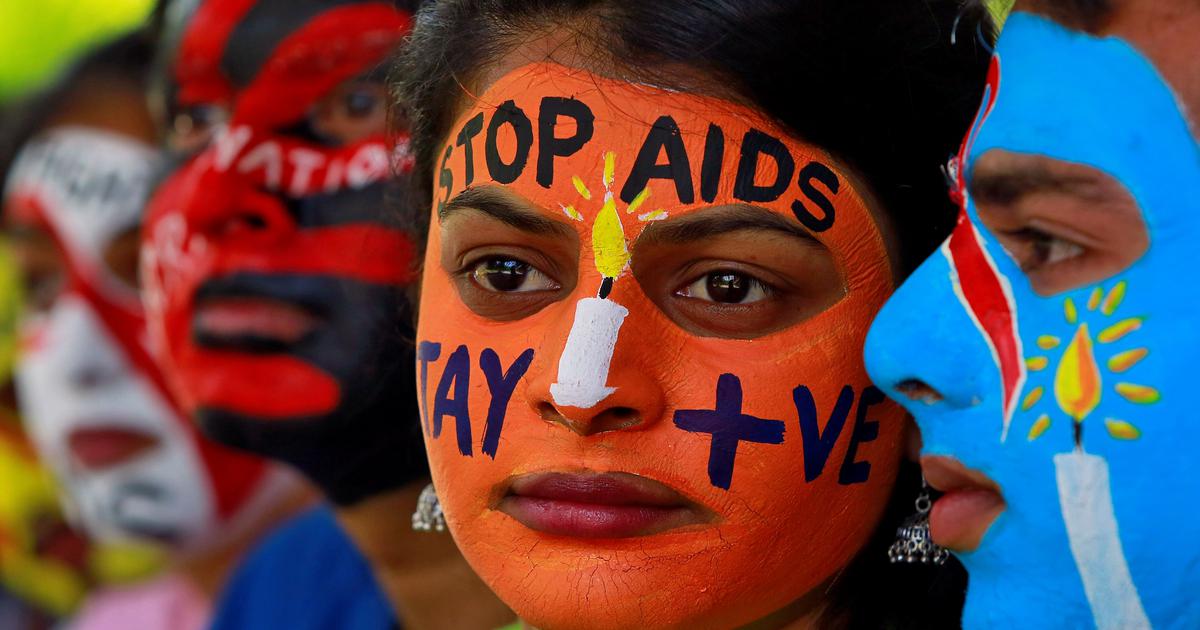
Healthcare in India has always been a contradictory issue; for a country that has a publicly funded healthcare system, is a sought-after destination for medical tourism, and provides access to some of the most affordable pharmaceutical options in the world, awareness of and access to affirmative, inclusive healthcare remain limited. Most of the vulnerable populations in India struggle to avail the healthcare options offered in the country, not just because of financial and legal hurdles, but also location, stigma, and lack of awareness; factors that keep essential services out of reach.
Queer and trans communities in India are some of the most vulnerable populations because there are intersections of stigma from varying identities; you are not only a queer and trans person, your caste identity, your geographical location, your religious identity, your occupation and financial position and much more play into the kind of healthcare you find yourself accessing. For Shubham Choudhary, Founder and CEO of Safe Access, a not-for-profit venture that focuses on breaking down healthcare barriers for queer and trans communities in India, “The Safe Access PrEP and PEP Locator is not just a map of services – it is a mirror to the gaps in our healthcare system. When we built it, we wanted to make access visible, accountable, and actionable.“
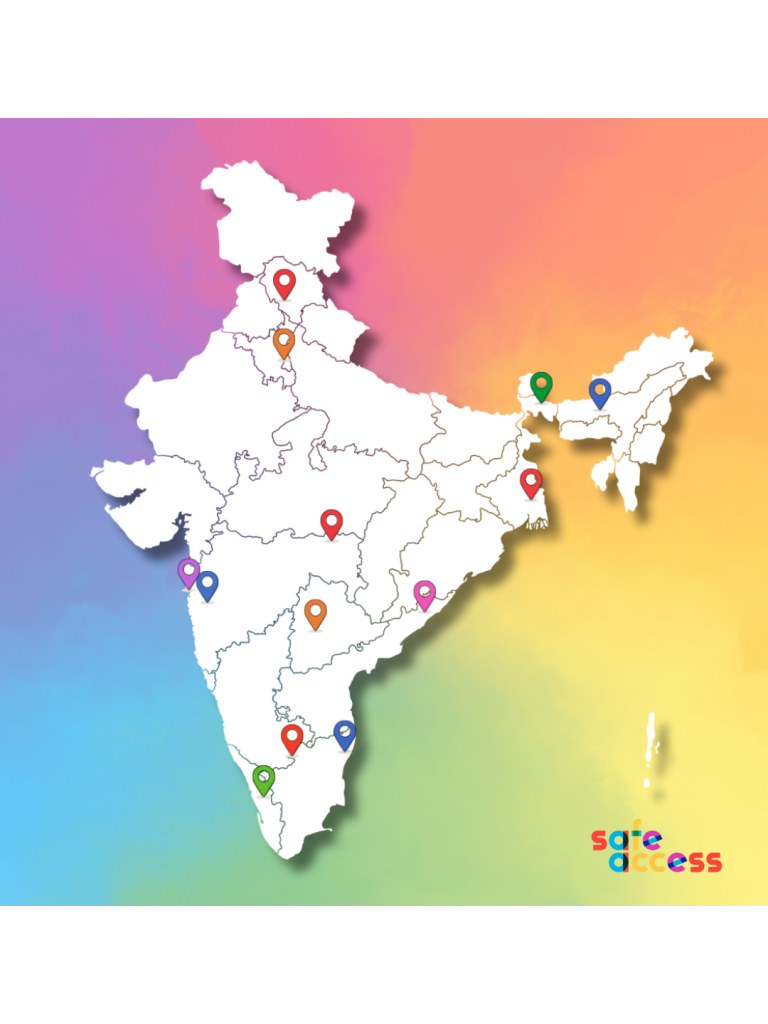
To understand why a community-led PrEP/PEP Locator matters today, we must revisit the long and difficult history of Human immunodeficiency virus (HIV) preventive care. It has been a path of pain, isolation, stigma, and finally, acknowledgement and a slow trudge towards amendments made, especially to the queer and trans communities who have suffered inordinately. World AIDS Day was first observed in 1988 to honour the millions of lives affected by Acquired Immuno-deficiency Syndrome (AIDS), but also to push governments, communities, and health systems to centre prevention and dignity.
While over the decades treatment and public understanding of HIV and AIDS have evolved, access to care continues to remain woefully inadequate due to a lack of awareness, a lack of inclusive and affirmative care, and prevailing stigma surrounding conversations regarding the subject. The following quote, revealing the personal experiences of a 34-year-old gay man from Delhi, highlights the dismal state of accessing even the renowned healthcare centres:
“I experienced intense anxiety after an incident of unprotected sex and sought urgent PEP at an internationally acclaimed non-profit clinic in Lajpat Nagar, Delhi. The counsellor and doctor there were judgmental and unsupportive, which only worsened my distress, and the first night on PEP brought disturbing, gory dreams. I used to get tested every three months at the same centre, but the staff’s intrusive and judgmental questions amplified the fear I already felt while waiting for my results.”
So what are these HIV prevention tools? In short, PrEP and PEP. Both of these are medicines which are used to prevent HIV, but they are taken in different situations. Pre-exposure prophylaxis (PrEP) is meant for those individuals who do not have HIV but are at risk of getting it; it is meant to reduce that risk. It can be taken as a pill, an injection, or a gel; however, in India, only the tablet format is currently available, and there are two ways to take it. It can be taken daily or in a 2:1:1 regimen, known as event-based PrEP. On the other hand, post-exposure prophylaxis (PEP) is for those persons who have possibly been exposed to HIV. It is a time-sensitive, emergency intervention, and it has to be started within 72 hours of possible exposure.
In the Indian context, PrEP received formal approval in 2016, but it remains within for-profit healthcare systems and as a part of NGO-outreach programmes. PrEP is not included within NACO’s prevention strategy, and while PEP has long been part of emergency HIV protocols, there are certain hurdles in place concerning how PEP is administered; awareness and availability of both also remain uneven. Uptake of PrEP in India is still low, but it is not due to a lack of willingness.
Several studies have indicated that vulnerable populations have a high willingness to accept PrEP, but knowledge of the same and lack of inclusive and understanding healthcare providers remain barriers in accessing the medicine. As stated by a 31-year-old from Delhi, “As a queer person, I find it really hard to access PrEP or PEP. Walking into a clinic and not knowing how I will be treated keeps me from seeking care that could protect me.” Where knowledge and awareness triumph, inclusion and affirmation fail, signifying that it is not just the existence of measures alone which are required but also fostering an environment where people feel comfortable accessing the same.
Many NGOs and private health providers have been working in this space for years, and their work has been essential to the launch of the PrEP/PEP Locator, which is meant to act as India’s first community-sourced, LGBTQ+ affirming directory of providers across the country offering preventive HIV care. The aspect of the Locator which was most important to Safe Access was drawing upon the community’s validation regarding affirmative and inclusive healthcare providers.
While the response to HIV and AIDS has been slowly evolving and the scenario is certainly less bleak compared to how it was when World AIDS Day was first commemorated 37 years ago, there have been increasing efforts made to cut funding for vital healthcare services by various governments across the world.
The Locator’s review feature was a non-negotiable facet; it was important for queer and trans individuals to be able to attest to the treatment received from the listed providers, as safety and care had often been compromised in the Indian healthcare system. This has resulted in a pan-India directory that not only lists inclusive providers but also price points, whether the services are available online or offline, and whether the medicines can be delivered directly to health seekers. Feedback from the community has also indicated that many individuals who used the Locator have reacted positively to having access to various online services, as they prefer using health services online due to multiple reasons, including safety and comfort.
This brings us back to World AIDS Day; in 2025, the theme is ‘Overcoming disruption, transforming the AIDS response.’ While the response to HIV and AIDS has been slowly evolving and the scenario is certainly less bleak compared to how it was when World AIDS Day was first commemorated 37 years ago, there have been increasing efforts made to cut funding for vital healthcare services by various governments across the world.
However, we are in a stronger position now to fight back and in India, we have it written into our laws from 2018 onwards that the “legal and human rights of persons infected with and affected by HIV and AIDS” will be reinforced. The team at Safe Access hopes that the Locator will begin to spark essential dialogue surrounding prevention and that it has the potential to influence healthcare policy to move on from a testing and treatment outlook to focusing more on preventive care. Ultimately, individuals deserve the autonomy, dignity, and access to choose the preventive care that keeps them safe and healthy. It is really as simple as that.
About the author(s)

Safe Access is a community-led organization working to enable equitable healthcare access by breaking down barriers for queer and trans communities in India.