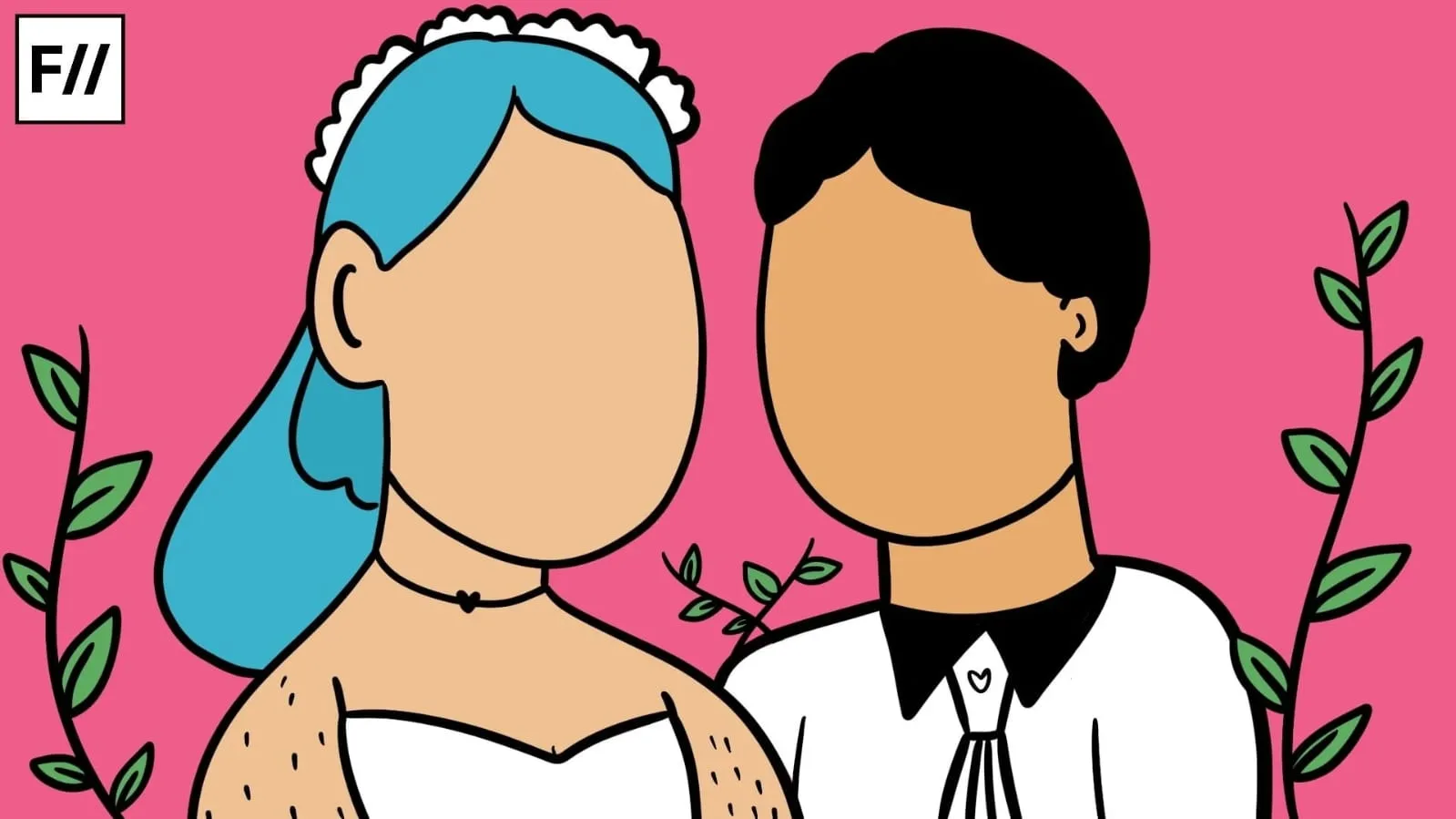
Online romance scams have evolved into a pervasive and damaging type of cybercrime, exploiting the emotional and social vulnerabilities of single women seeking connections online. These scams highlight the disturbing influence of patriarchal systems and misogynistic behaviours in the digital space, further entrenching harmful gender norms and stereotypes. In India, matrimonial apps – for caste or region specific – have now become interwoven in the very fabric of the marriage marketplace. Yet, at the heart of these potential profiles lies a darker reality. Fake profiles, morphed or AI-generated images, and identity theft are some of the growing tools of technology-facilitated gender-based violence, hampering women’s digital and social rights.
Rising threat of scams and fake profiles on matrimonial sites
In an alarming situation, 78% of Indian women using dating or matrimonial apps reported encountering fake profiles, raising privacy and safety concerns. The emotional and psychological toll in such a situation is significant for women using these platforms – nearly half of the respondents experienced “mental fatigue and burnout” stemming from these experiences. The survey by Juleo and YouGov also revealed the disconnect between online and real life interactions, as two-thirds of respondents had not even met their potential partners in person.
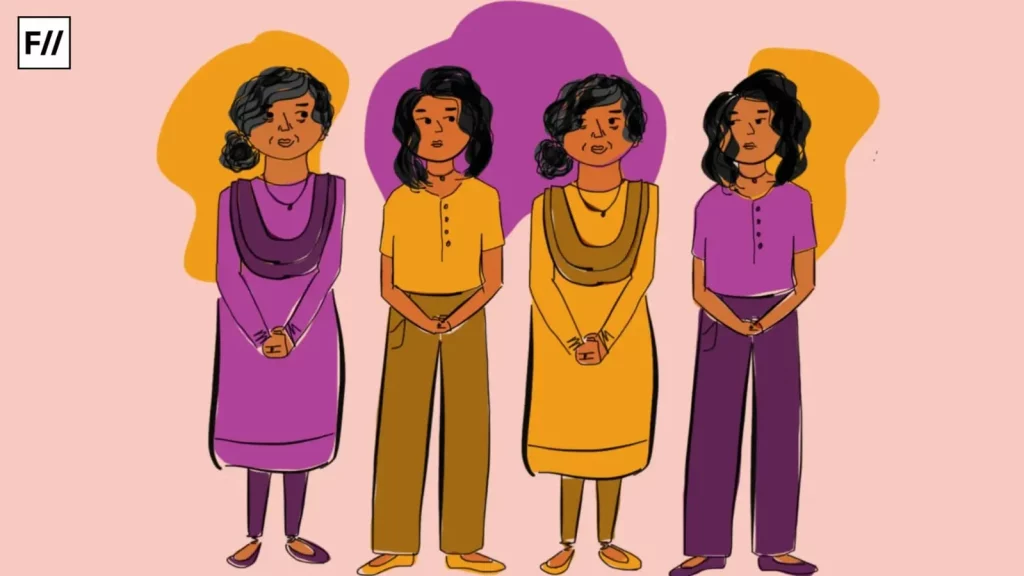
A study by Thumboo and Mukherjee titled Digital Romance Fraud Targeting Unmarried Women documents how these sophisticated scams manifest, as fraudsters preying on single women by posing as potential partners go on to manipulate and coerce them into emotional and financial exploitation. The fraudsters create a fake profile tailored to the targeted victims’ precise criteria; once they gain the victim’s confidence, they manipulate them through fabricated stories and requesting financial assistance. Rooted in feminist analysis, the research reveals that beyond the financial gains, these scams reflect deeply entrenched patriarchal dynamics as technology extends traditional forms of male control.
When identity isn’t yours: impersonation & morphing
Fake accounts are often just the tip of the iceberg of impersonation and identity theft; using a real woman’s pictures to create fraudulent matrimonial accounts is quite common. Recent scholarship underscores the complexities involved in the detection and legislation of digital violence. In her legal-academic analysis, Zala illustrates how these fake accounts are used as a tool to not only defraud but also shame and defame women into silence.
Things take a more sinister turn with morphing and AI-manipulated images in the mix. In many documented incidents women’s and girls’ faces are superimposed on pornographic content and widely circulated across social media – an act of defamation and revenge. This transcends to unsolicited messages and threats received from harassers.
Real women’s pictures and names are used to create phony matrimonial or social media profiles to defame, damage their reputation or facilitate extortion. A study by Equality Nowwarns of “deepfake technology and AI‑generated abuse” being weaponised not just against public figures, but also professionals, activists, and ordinary women. It also called out the insufficient cybercrime infrastructure and legal redress available to victims.
Things take a more sinister turn with morphing and AI-manipulated images in the mix. In many documented incidents women’s and girls’ faces are superimposed on pornographic content and widely circulated across social media – an act of defamation and revenge. This transcends to unsolicited messages and threats received from harassers.
A striking case came to public attention when a popular content creator, Swati Mukundcalled out BharatMatrimony which hosted her picture in a fake ‘elite’ profile. Despite being married and never having used the app herself, her pictures were used to create a fake profile and mislead people. She raised concerns about how a famous platform which claims to certify its users’ identities could enable such oversight. However, cases like Mukund’s are not isolated incidents. The Times of India reveals that matrimonial sites, which even allow family members or third parties to create accounts on behalf of the interested individuals, have come under scrutiny for enabling privacy violations. The unsuspecting victims’ pictures and personal information are being used with malicious intent to blackmail, stalk and leverage scams.
Why matrimonial platforms pose a risk to women
Halder and Basu’s study, Digital Dichotomies: Navigating Non‑consensual Image‑Based Harassment in India, sheds light on technology-facilitated coercive control (TFCC); the perpetrator tries to control the victim’s online freedom and liberty by digital coercion and preventing the latter from seeking help from the authorities, police and intermediaries. They propose that image-based abuse (IBA) in India goes beyond the scope of ‘revenge porn’ – it posits far more varied forms, including deepfake-style alterations and impersonation in a society where a woman’s dignity is deeply intertwined with familial honour.
In the Indian context, matrimonial websites are not mere dating apps; they are embedded in religious and caste networks, family reputation and community norms. Beyond online humiliation, the digital violence carries real-world consequences; AI-manipulated pictures can jeopardise a woman’s marriage prospects and warrant slander and ostracisation by the community. Consequently, the digital realm is entangled with intricate patriarchal filters; the matrimonial apps end up reproducing the same oppressive infrastructures of traditional matchmaking systems, highlighting the urgency to address deep-rooted cultural patterns which sanction control over women.
In the Indian context, matrimonial websites are not mere dating apps; they are embedded in religious and caste networks, family reputation and community norms. Beyond online humiliation, the digital violence carries real-world consequences; AI-manipulated pictures can jeopardise a woman’s marriage prospects and warrant slander and ostracisation by the community.
Women frequently avoid reporting cybercrime owing to fear of social stigma and apathetic, victim-blaming attitudes by police and law enforcement. India demonstrates painstakingly low conviction rates in cybercrime cases – only 29.6% according to National Crime Records Bureau (2022), highlighting the barriers faced by women in seeking justice. This underreporting undermines the scale of harm, adding to the difficulty in designing interventions.
What must change?
Fake profiles, morphed images and identity theft on matrimonial websites are not just fraud but technology facilitated gender based violence as women’s digital identities are exposed to defamation, exploitation and control. The current legal framework demonstrates shortcomings as neither sextortion nor image based abuse nor deepfake creation has been explicitly recognised by Indian law. Provisions such as Section 66E of the IT Act (violation of privacy), Section 67/67A (obscenity and sexually explicit material), and IPC Sections 354C (voyeurism), 354D (stalking), and 499/500 (defamation) fall short, as they were drafted keeping cognizance of conventional offences not AI-manipulated content. Resultantly, deepfakes do not come under the purview of “private”, “obscene” or “captured without consent”. Similarly, despite sextortion being rampant on matrimonial platforms, it is not an offence under the existing law; the cases are usually pursued under criminal intimidation (IPC 503/506), which falls short of capturing the coercive and gendered dynamics of the offence. The IT Rules 2021 also lack explicit obligations to take down the manipulated media content, thereby creating a legal vacuum, leaving victims more vulnerable. The reporting mechanisms by online platforms remain poor as well; even when women report impersonation or altered content, platforms merely treat it as a ‘technical glitch’ rather than gendered violence.
A multi-pronged, feminist centred response is needed to tackle these challenges. Matrimonial platforms must require identity and real photo verification, not just as an optional feature. The apps must implement dedicated safety and privacy teams to tackle cases of impersonation, image based abuse and have enhanced transparent reporting mechanisms. Platform accountability is essential; apps should publish reports on how they handle and resolve complaints and what preventive measures they ensure. As India’s matchmaking goes digital, platforms need to transform from sites of violence into safer, more accountable spaces wherein women’s agency and digital identities are robustly secure.
References:
Halder, Debarati, and Subhajit Basu. 2024. “Digital Dichotomies: Navigating Non-Consensual Image-Based Harassment and Legal Challenges in India.” Information & Communications Technology Law 34 (2): 163–86. doi:10.1080/13600834.2024.2408914.
Bureau, The Hindu. “T.N. Cyber Crime Wing Directs Matrimonial Sites to Verify User Ids.” The Hindu, March 23, 2025. https://www.thehindu.com/news/cities/chennai/tn-cyber-crime-wing-directs-matrimonial-sites-to-verify-user-ids/article69362155.ece.
“Experiencing Technology-Facilitated Gender-Based Violence in India.” Equality Now, November 4, 2025. https://equalitynow.org/resource/reports/experiencing-technology-facilitated-gender-based-violence-in-india/.
“Https://Ijirl.Com/Wp-Content/Uploads/2025/06/INVISIBLE-WOUNDS-IN-A-DIGITAL-WORLD-A-LEGAL-DISSECTION-OF-CYBER-VICTIMIZATION-OF-WOMEN-IN-CONTEMPORARY-INDIA.” Indian Journal of Integrated Research in Law V, no. III (n.d.).
“it follows you home”: Emotional and psychological impacts of dating-app harassment on Indian women – sciencedirect. Accessed November 27, 2025. https://www.sciencedirect.com/science/article/pii/S0277539525000780.
A legal dissection of cyber victimization of … Accessed November 27, 2025. https://ijirl.com/wp-content/uploads/2025/06/INVISIBLE-WOUNDS-IN-A-DIGITAL-WORLD-A-LEGAL-DISSECTION-OF-CYBER-VICTIMIZATION-OF-WOMEN-IN-CONTEMPORARY-INDIA.pdf.
Rahulpratyush. “Bharatmatrimony Faces Backlash after Married Woman’s Photo Feature in Fake ‘elite’ Profile: ‘More Acrimony than Matrimony.’” The Indian Express, November 6, 2024. https://indianexpress.com/article/trending/trending-in-india/bharatmatrimony-faces-backlash-after-married-womans-photo-feature-in-fake-elite-profile-9656451/.
Sivaraman, R. “In Search of a Partner to Defraud in Matrimonial Sites.” The Hindu, September 10, 2023. https://www.thehindu.com/news/national/tamil-nadu/in-search-of-a-partner-to-defraud-in-matrimonial-sites/article67289983.ece.
Thakur, Anjali. “78% Women Encounter Fake Profiles on Dating or Matrimony Apps: Report.” www.ndtv.com, September 5, 2024. https://www.ndtv.com/feature/78-percent-women-encounter-fake-profiles-on-dating-or-matrimony-apps-report-6498792.
Thumboo, Sharen, and Sudeshna Mukherjee. “Digital Romance Fraud Targeting Unmarried Women – Discover Global Society.” SpringerLink, December 10, 2024. https://link.springer.com/article/10.1007/s44282-024-00132-x.
Updated: Dec 29, 2023. “Matrimonial Sites under Scrutiny: Are They Safe for Women? – Times of India.” The Times of India. Accessed November 27, 2025. https://timesofindia.indiatimes.com/business/india-business/matrimonial-sites-under-scrutiny-are-they-safe-for-women/articleshow/106379470.cms.
About the author(s)

Simran Dhingra is a recent graduate from Geneva Graduate Institute. Her research interests lie at the intersections of gender, peace, and migration. Her work examines how digital infrastructures reproduce power hierarchies, shape vulnerabilities, and influence policy responses at multilateral and institutional levels.