New Delhi/Noida: Every year, Delhi drapes itself in rainbows. Connaught Place pulses with thousands marching in the Pride parade, college campuses hoist queer flags and university queer collectives throw open-mic nights where love is loud and fearless. For a few glittering weeks, the city feels like it has finally arrived: young, liberal, and accepting. Yet the moment a transgender person falls sick and walks through a hospital gate, the same city that cheered them on the streets suddenly forgets their name.
Inside those wards, rainbow stickers give way to staring nurses, mocking attendants, and doctors who refuse touch or demand triple the fees, as if the pride that painted Delhi colourful never quite reached the corridors where lives are saved. One world celebrates them; the very next door humiliates them. The parade ends, but the cruelty does not. Members of the transgender community allege discrimination and neglect in hospitals despite government initiatives promising inclusive healthcare.
Transgender healthcare: affordability and prejudice
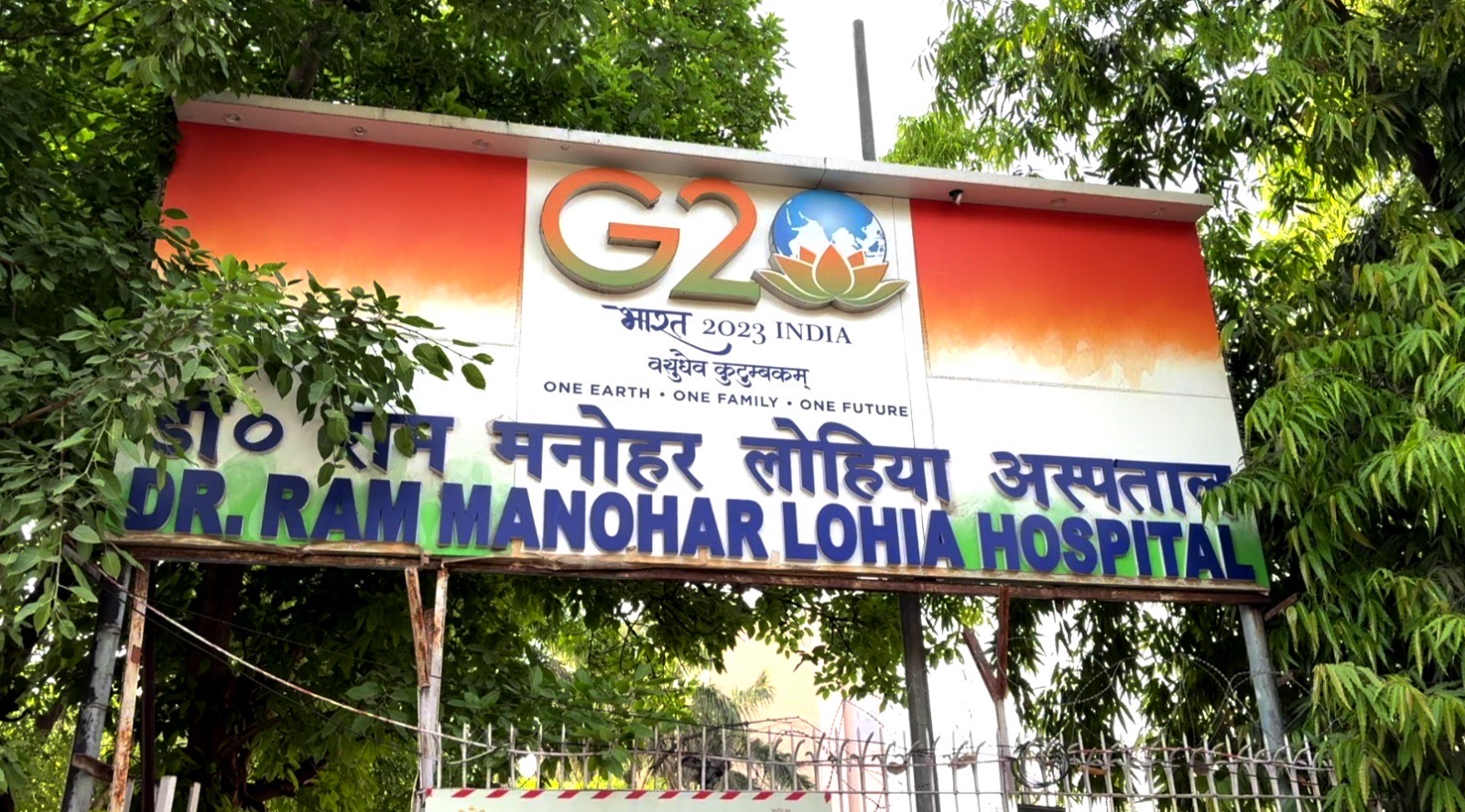
From affordability barriers to everyday prejudice in clinics, many say getting medical treatment in Delhi often comes at the cost of their dignity. While the specialized transgender clinic at Delhi’s Ram Manohar Lohia (RML) Hospital does offer hormone therapy and counselling, access remains limited. Some are unaware of it, while others fear facing discrimination.
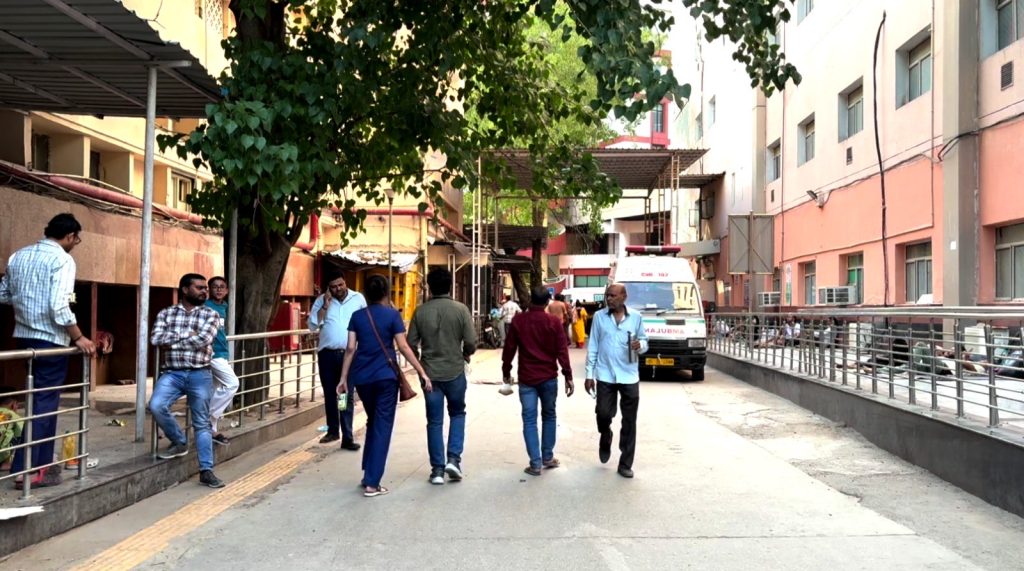
For Ruchchi, 29, a transgender woman and a dancer who performs at weddings and local events, accessing healthcare was filled with rejection and humiliation. “When I went to a private hospital after testing positive for Human Immunodeficiency Virus (HIV), they refused to advance my case, citing some gender identity issues. Then, at another hospital, they asked for an additional 90,000 rupees in the name of medicines and hospital equipment, money that I could never afford. I felt helpless and unwanted everywhere I went,” said Ruchchi, who goes by her first name.
With limited acceptance in mainstream hospitals, many from the community rely on alternatives for basic healthcare needs. For minor illnesses or hormone-related issues, they often visit RML’s transgender clinic or seek help from community-run spaces.
After being denied treatment at both these hospitals, she finally found help at RML Hospital’s transgender clinic. “Things were different when I visited RML Hospital. They treated me with respect, gave me free medicines, counselled me, and cared without any judgement, so to speak. They were not bothered about who I am in terms of my gender identity,” she recounted. “Furthermore, they have gender neutral toilets, which might seem like a small thing, but for people like me, it ensures a space which is safe and comfortable”.
The Intersecting Burden of Poverty and Stigma
Emmanuiel Francis, 33, a transgender woman who works in a private firm in Uttar Pradesh’s Noida, said affordability and stigma remain major barriers. “At one private clinic near my house, the doctor used an oxygen meter and blood pressure apparatus on me but refused to use the same on another patient, treating the equipment as if it were contaminated after being used on me,” she said.
Another transgender woman, Aasha, 39, stressed that discrimination becomes harsher when poverty intersects with gender identity. “When you are both poor and transgender, it’s even worse,” notes Aasha, who works as a dancer. “Hospitals see us as outsiders, not patients.”
To bridge the gap, many NGOs conduct free HIV testing, provide mental health support and run awareness drives in areas such as Mangolpuri and Sultanpuri in the national capital. But Maan believes these efforts can only go so far without institutional changes.
With limited acceptance in mainstream hospitals, many from the community rely on alternatives for basic healthcare needs. For minor illnesses or hormone-related issues, they often visit RML’s transgender clinic or seek help from community-run spaces such as the TWEET Foundation’s skilling centre, a non-profit organisation run by and for transgender persons, where free medicines and consultations are provided.
While a few hospitals have opened their doors to transgender persons, treatment often lacks respect and sensitivity.
“It’s not as if we don’t get treated at all. But at what cost? It is only after people humiliate us, make fun of us, and laugh at us. Most of the time, they don’t treat us like human beings,” said Kabir Maan, a transgender rights advocate associated with TWEET Foundation and Mitr Foundation, another organisation that works for the welfare of the transgender community.
To bridge the gap, many NGOs conduct free HIV testing, provide mental health support and run awareness drives in areas such as Mangolpuri and Sultanpuri in the national capital. But Maan believes these efforts can only go so far without institutional changes.
Doctors at RML say the clinic has helped change attitudes on both sides. “When we started the transgender clinic at RML two years ago, very few people came in because they were scared of being judged or treated badly. But things are changing now. More transgender people visit us, and they feel safer and more comfortable here,” said Dr S.N. Deshpande of the RML hospital.
Dr Deshpande added that the clinic has also aided medical practitioners’ understanding of issues specific to the transgender community. “We’ve also learned a lot. It’s not just about them opening up; it’s also about us understanding them better. We’re all humans, and everyone deserves care and respect,” he said.
Until every hospital in the city treats a transgender person with the same respect it shows any other patient, grand policies will remain mere ink on paper. The fight is not just for free medicines or a special clinic in Delhi; it is for the basic human truth that no one should have to beg to be seen as human while fighting for their life.

🏳️🌈 Delhi cheers for Pride, but transgender patients still face discrimination in hospitals 😔💔. Respect, dignity, and affordable healthcare must go beyond parades! 🏥✨ #TransRights #InclusiveHealthcare