There exist certain hierarchies in the human world, whether it be constructed, inherited or enforced. Humans believe themselves to have reason and progress, yet they developed a rather elaborate notion of superiority and inferiority. These constructed notions then manifest through the “isms” which seeped into our vocabulary; casteism, classism, sexism, racism, etc. Some humans are thus, quite simply, treated as more human than others.
This unequal order is, by no surprise, long occupied by women. Even when women form half the world’s population, within their own marginalisation lie deeper fractures as shaped by class, caste, creed, colour, geography and occupation. On 10th of January, 2026, news hit the Indian media that Jhansi’s 1st woman auto driver had been murdered, succumbing to a gunshot injury. Far from the privilege of economic security, legal protection, social prestige, and institutional visibility, informal women workers of India inhabit a space where their labour is indispensable but their lives are expendable.
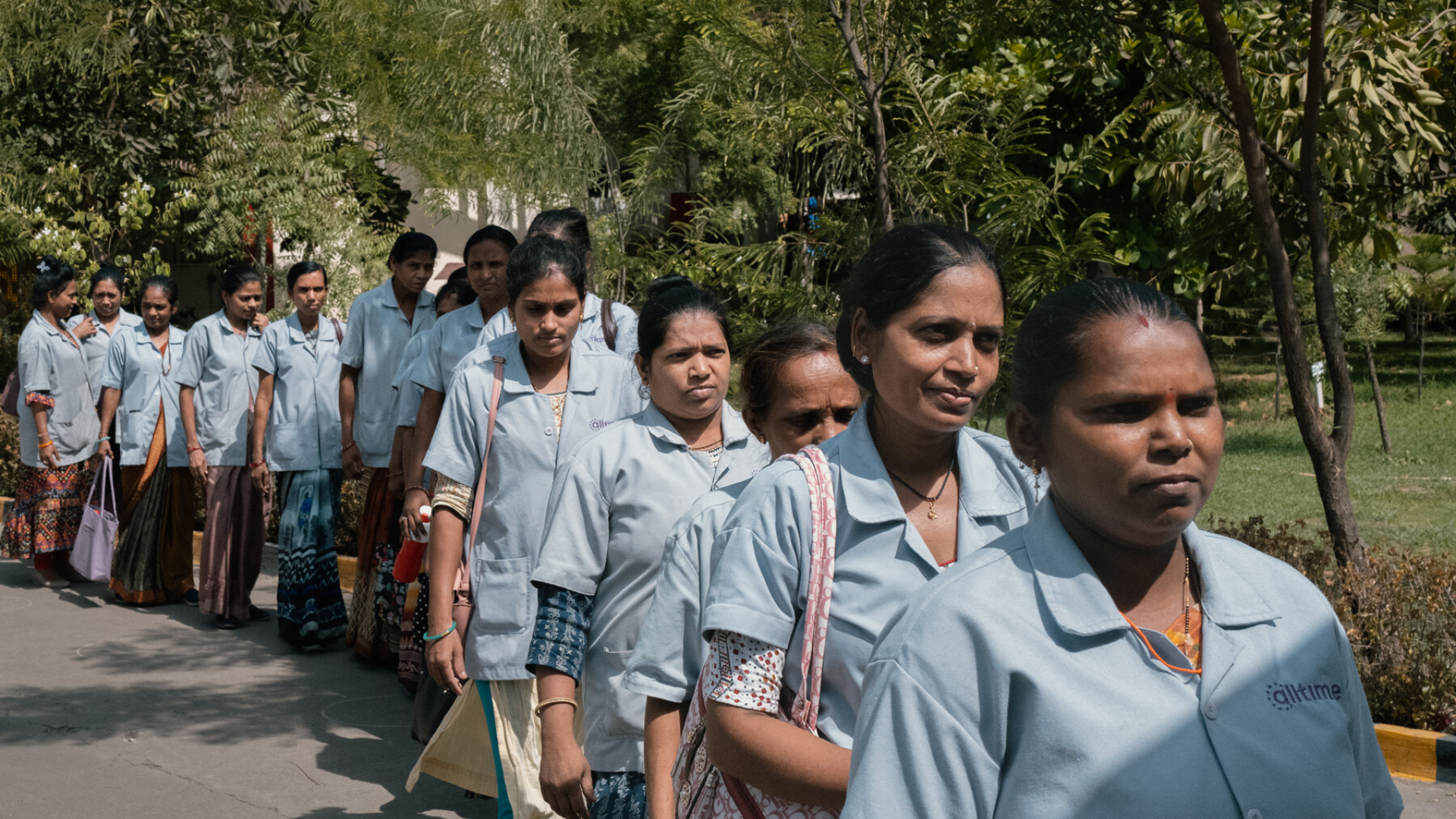
Women in the informal economy
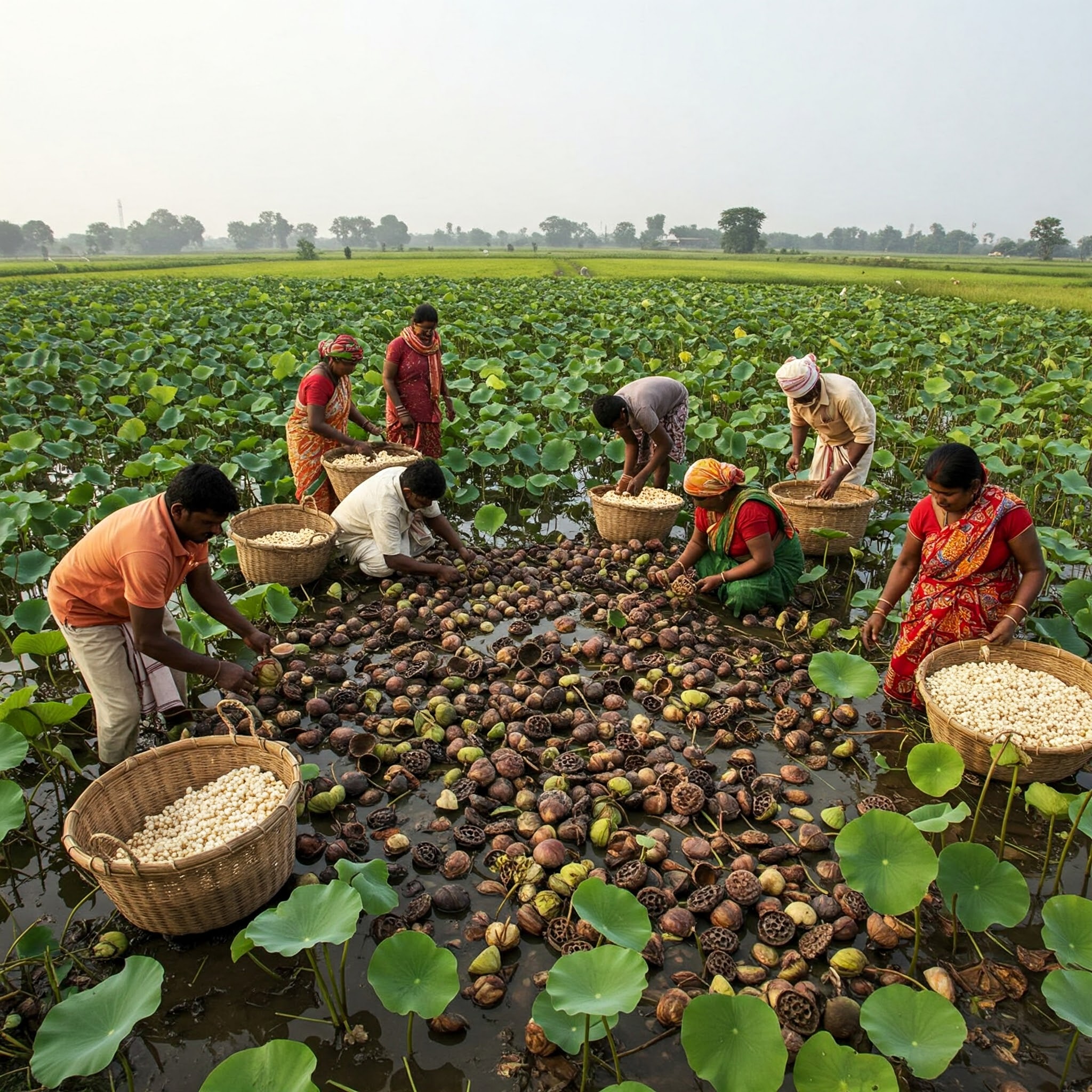
An editorial piece from UN Women reads; ‘From street vendors and domestic workers to subsistence farmers and seasonal agriculture workers, women make up a disproportionate percentage of workers in the informal sector. In South Asia, over 80 per cent of women in non-agricultural jobs are in informal employment.’ It, thus, establishes the fact that informal work was never a transitional stage but an essential feature of contemporary economy today, particularly in the Global South.
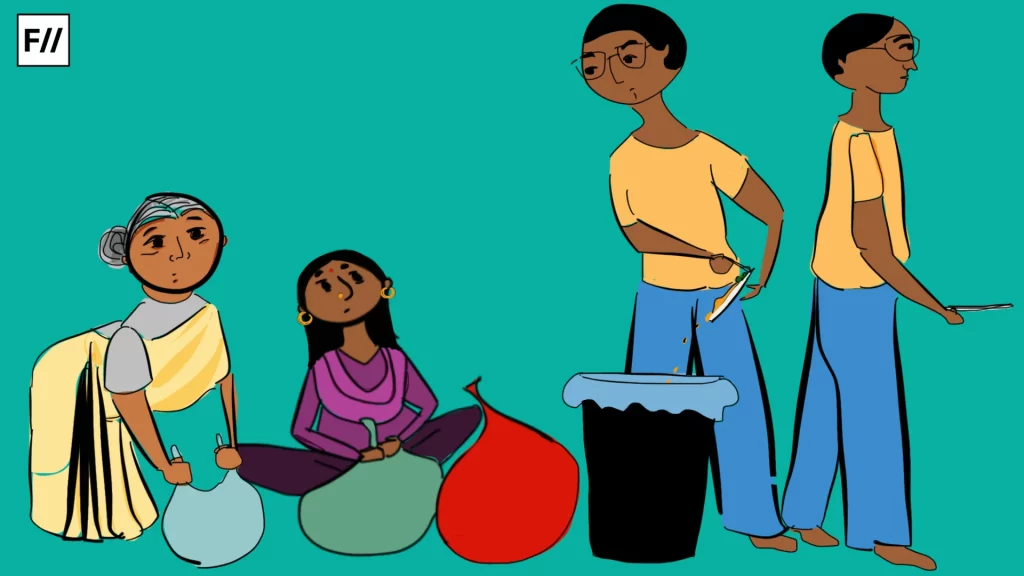
It is also important to highlight, here, the lack of labour laws, social benefits and the risk of working in unsafe conditions at an exploitative wage.
In India, women in the informal workforce, are involved in low-paying, precarious, and unprotected forms of work. In an article titled “Women in the workforce: What we know (and what we’re missing)“, IDR states ‘Women in India are predominantly employed in the informal sector, where protections such as minimum wage and workplace safety are often absent. Women also face higher levels of job security, making them more vulnerable to changing labour market dynamics and global shocks. For instance, with the onset of the COVID-19 pandemic in 2020, approximately 70 percent of working women lost their jobs, compared to 35 of percent men.‘, highlighting how women are disproportionately concentrated and affected in such sectors.
Women in the informal sector, thus, not only face and endure physical harm but also social and political de-prioritisation and structural harm.
Women in the informal sector, thus, not only face and endure physical harm but also social and political de-prioritisation and structural harm.
Gendered risks and mobility
Domestic workers of India, who are mostly women, commute across cities and in those cities, street vendors occupy public spaces, construction workers migrate, and transport workers navigate roads dominated by men. A report titled Mobility and Safety of Women: Interlinkages with Labour Force Participation as a part of Initiative For What Works To Advance Women And Girls In The Economy (IWWAGE) by Krea University, Andhra Pradesh, states, ‘One of the major factors limiting the participation of women in the labour force is concern for their safety (Chapman and Mishra, 2019). These include fear of sexual violence in streets, in and around public transportation, schools, workplaces and other public and private spaces.‘
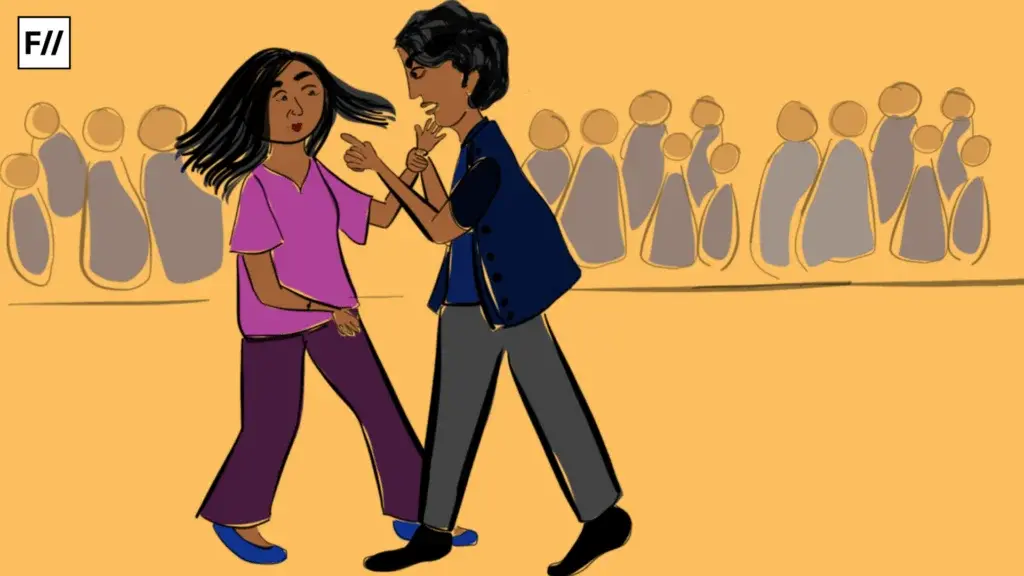
Further, they added. ‘It was found that 80 per cent of Indian women need permission from their husbands or other family members to even visit a health centre (Chapman and Mishra, 2019).‘ This is also reflective of how women are expected to modify their behaviour, limit their movement, or simply withdraw from participating in the work force entirely, just to stay safe. Thus, within this notion, safety becomes an individual burden than a collective or institutional responsibility.
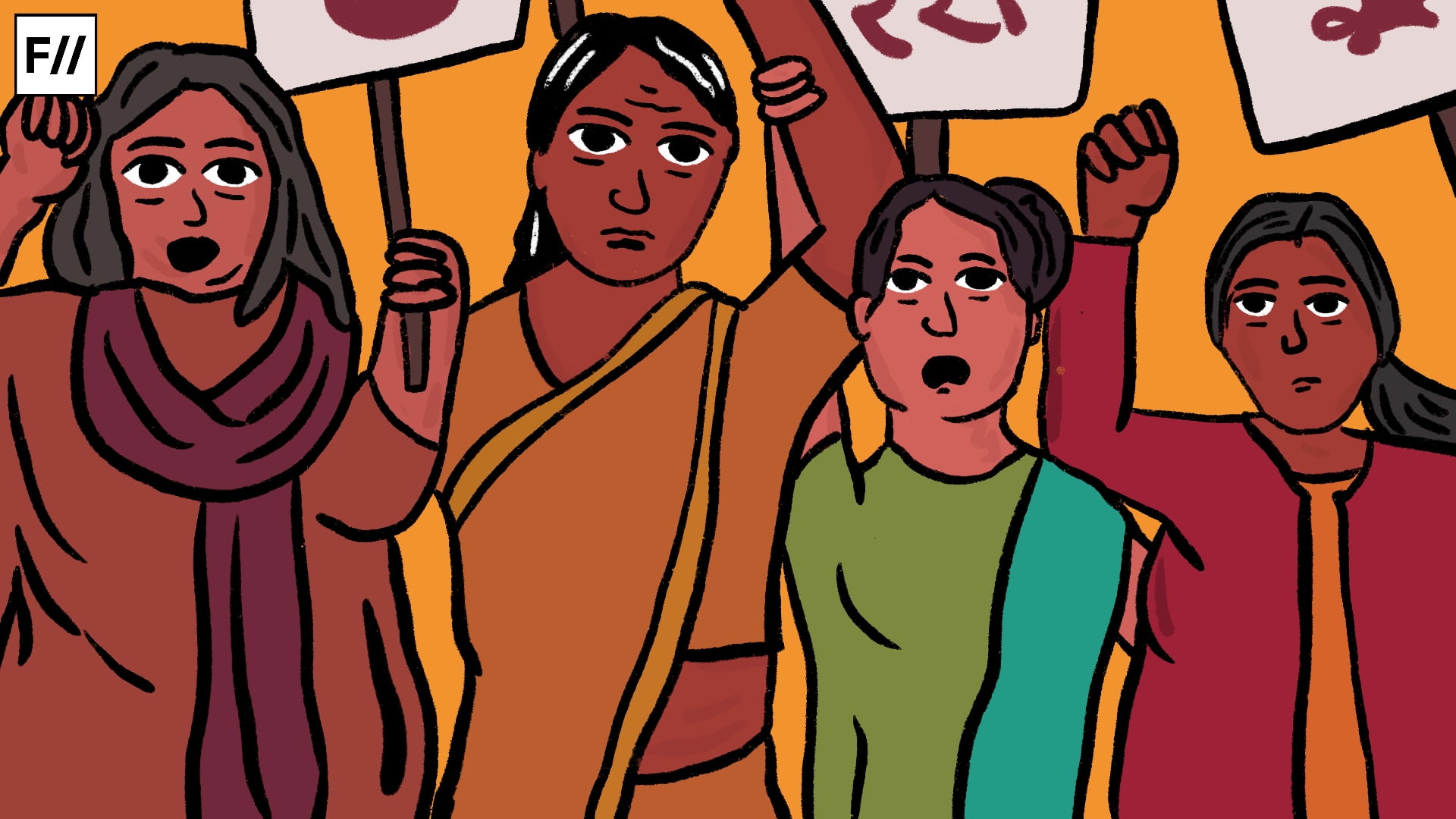
In ActionAid Associations’ study titled Gender-Based Violence on Women Informal Workers in India: Identifying Challenges and Mitigation Strategies, it is stated that, ‘An Oxfam report on [Gender-Based Violence] in tea plantations in Assam found that women workers faced various kinds of [Gender-Based Violence] including stalking, lewd comments, demands for sexual favours, and physical harassment (Oxfam, 2021: 39). Informal workplaces in the agricultural sector are usually governed by strict caste and gender hierarchies with male supervisors and female labourers.‘ The report emphasises that informal work strips women of bargaining power not only in wages but in safety itself, as abuse often threatens their livelihoods.
The Jhansi murder
Against this backdrop, the killing of Jhansi’s first woman auto-rickshaw driver assumes a significance far beyond individual tragedy. According to reports by The Times of India and The Indian Express, the victim was shot dead following a personal relationship fallout. Police later stated that the accused was killed in an encounter, but the victim’s family continues to demand justice and accountability.
Against this backdrop, the killing of Jhansi’s first woman auto-rickshaw driver assumes a significance far beyond individual tragedy.
Though it was a crime committed in the context of an individual relationship, one cannot be ignorant of the structural conditions. As a woman operating in a public, male-dominated, informal work force, often celebrated locally for her courage, she was also exposed to the risks stated above.
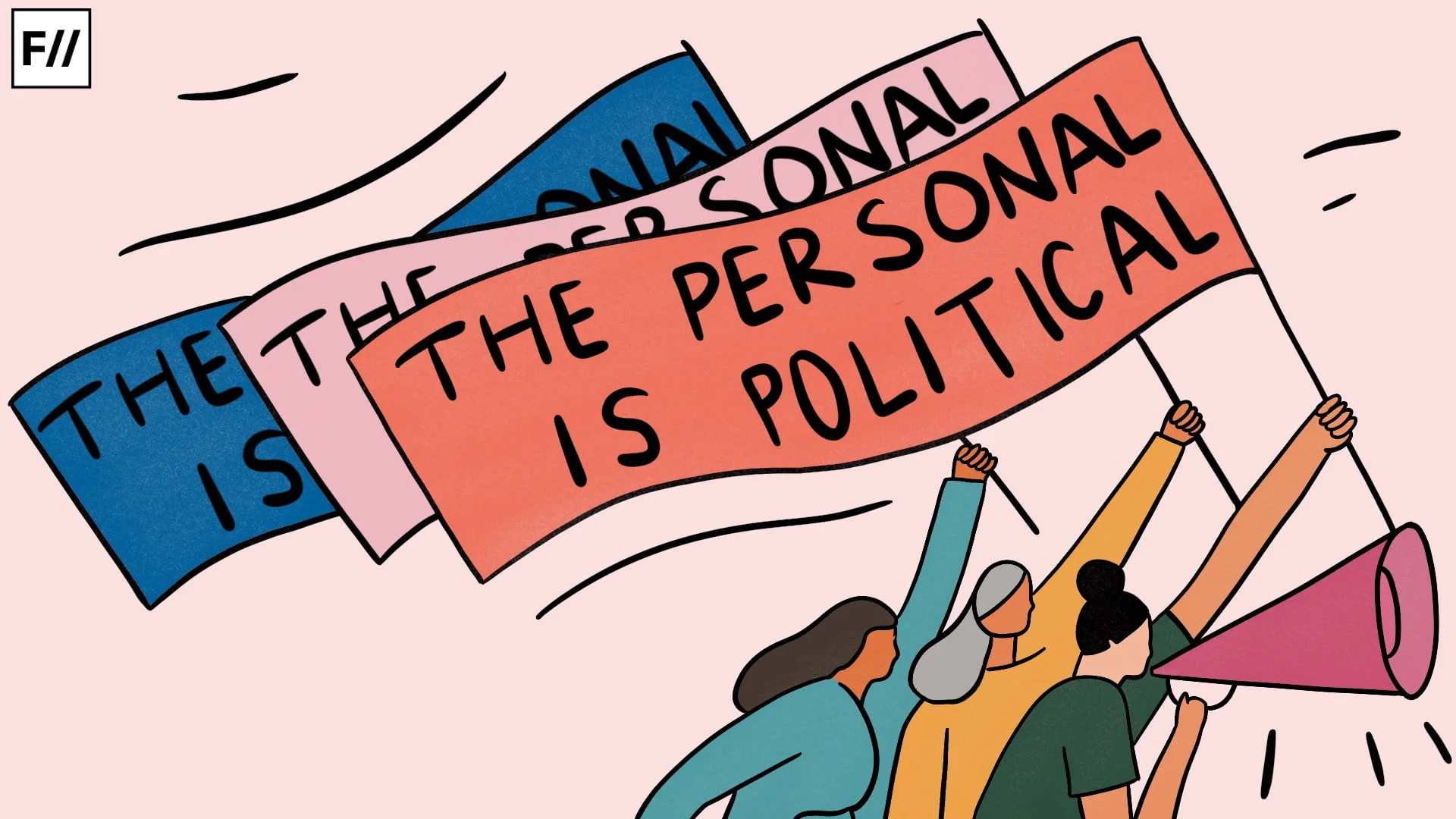
Feminist scholarship and studies repeatedly emphasise that one’s “personal” violence cannot be detached from the social context of the individual. Her economic independence and implications as well as a fair challenge to the gender norms also existed alongside her lack of institutional protection. The absolute lack of a formal workplace safeguards, job security and formal systemic protection made it all the more staggering. Justice, thus, becomes contingent than guaranteed. Empowerment without protection is indeed precarious. Being the “first” does not translate into being protected, as independence does not prevent violence.
As ActionAid India argues, addressing gender-based violence in informal work requires moving beyond criminal justice responses toward structural reform; legal recognition of informal workers, inclusion in labour protections, gender-sensitive urban planning, and accountable policing. The IWWAGE report similarly stresses that women’s safety must be integrated into employment policy, transport planning, and labour regulation, rather than treated as a peripheral concern.
Privilege, and also misfortune, is unevenly distributed along lines of gender, class, and formality. As multiple studies show, informal women workers remain largely excluded from legal protections, social security frameworks, and institutional mechanisms that might otherwise mitigate violence or ensure accountability. This exclusion has consequences. When violence occurs, justice is often delayed, diluted, or denied altogether. Families are left demanding recognition in a system that rarely acknowledges informal labourers as workers deserving of protection.
As multiple studies show, informal women workers remain largely excluded from legal protections, social security frameworks, and institutional mechanisms that might otherwise mitigate violence or ensure accountability.
Reports by UN Women, ActionAid India, and IWWAGE make clear that women’s participation in the workforce cannot be equated with empowerment unless accompanied by safety, dignity, and institutional support. Celebrating women who break occupational barriers without addressing the conditions under which they work risks turning empowerment into exposure.
If justice is to mean more than posthumous acknowledgment, it must extend beyond individual cases to structural reform.
About the author(s)

Mema is currently a Master's student at South Asian University (SAU). Hailing from Manipur, her lived experiences there have shaped a deep commitment to the feminist cause. She cares deeply about women and their future, which she tries to convey with her writing. She finds joy in reading, writing and cooking.