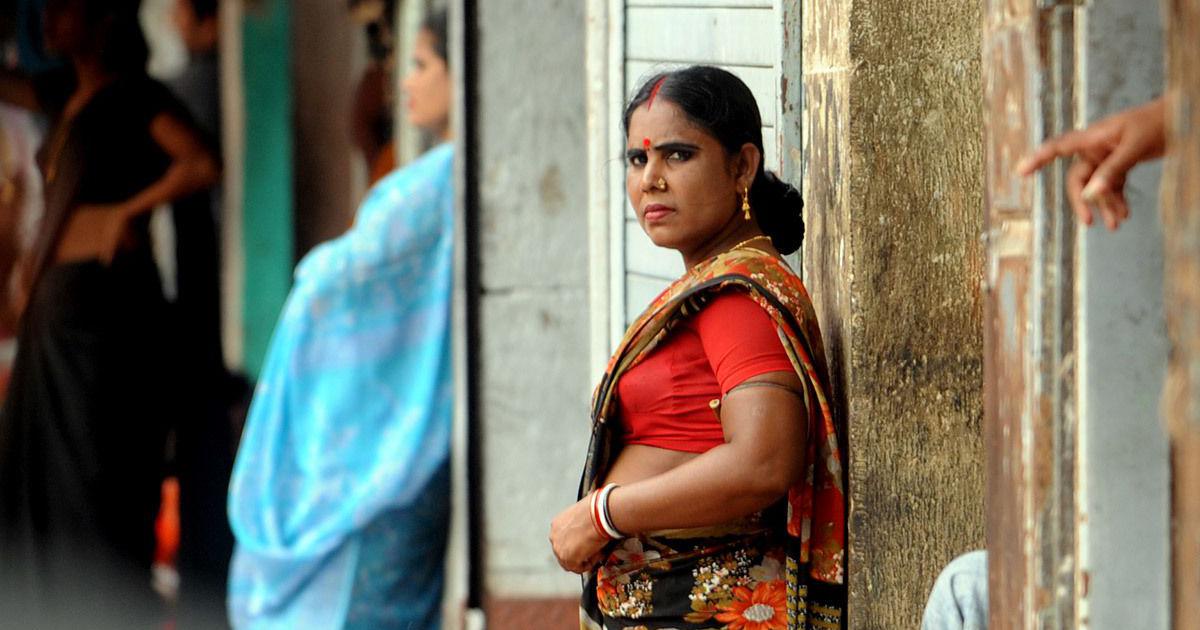
When a farmer in Vidarbha takes his own life, the sorrow doesn’t stop at the funeral. It hits hardest for his wife, who worked beside him in the fields, often from before sunrise to after dark. Unfortunately, she often gets overlooked. Her name isn’t on the land documents. To receive any compensation, she must navigate through a maze of paperwork, government offices, and male relatives who may not support her. By the time she realises what she is entitled to, she might already be losing the land she has tended for years.
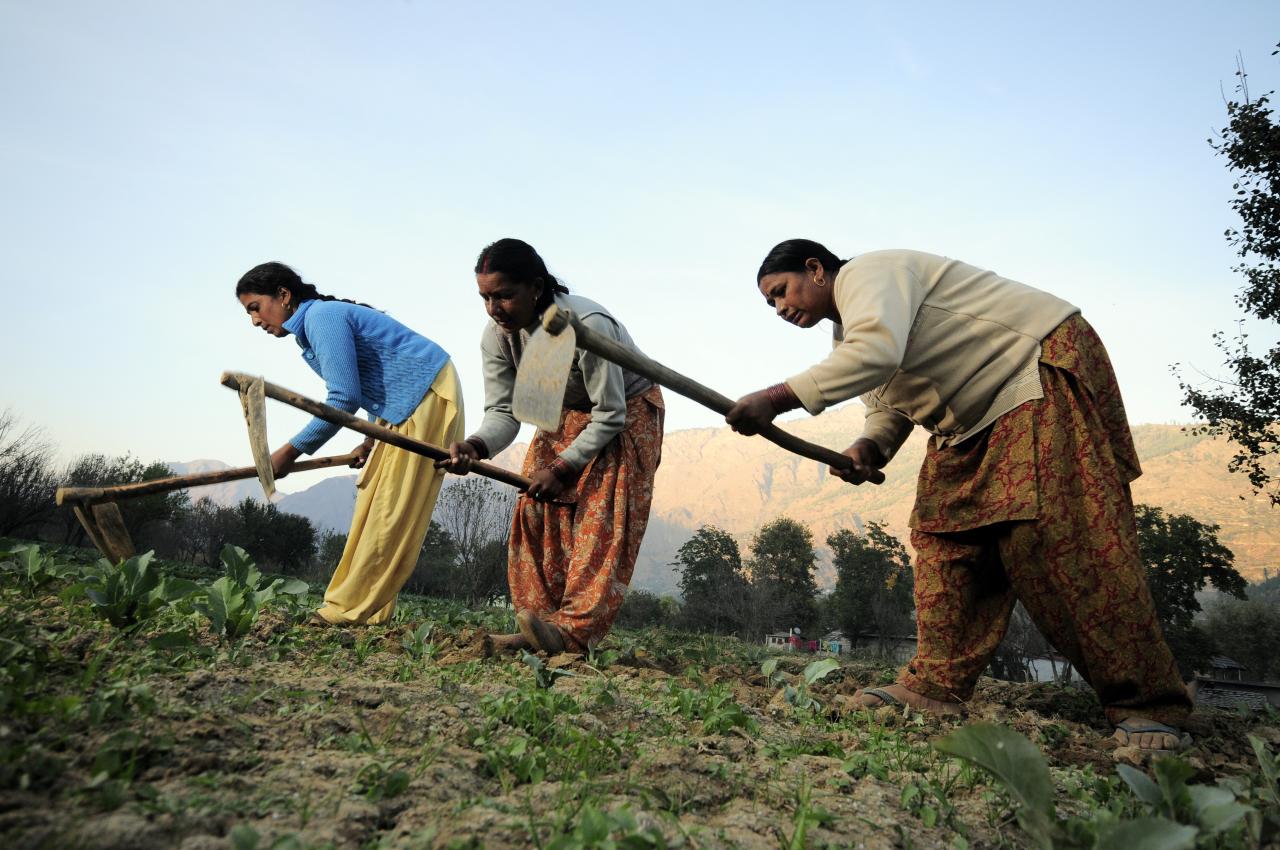
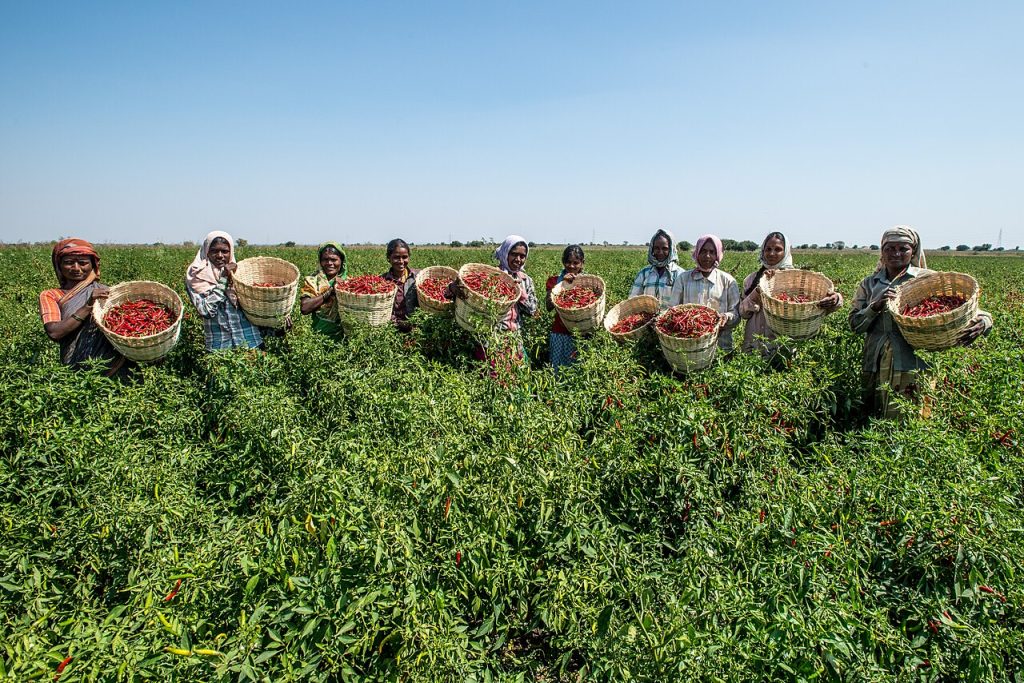
This is not just an individual story; it highlights a significant issue in Indian agriculture. Women perform about 75 per cent of all farming work in India, according to ICAR data from nine states. They are the ones sowing, weeding, harvesting, caring for animals, processing grain, and saving seeds for the next season. Yet, they own less than 14 per cent of agricultural land. The 2015-16 Agricultural Census recorded this figure as 13.87 per cent. A decade later, it has barely changed, even as women continue to do most of the labour.
They nourish the country, but they do not own any of it. This missing element, a land title in her name, excludes women from nearly everything else. Banks want land as collateral; without it, women are seen as risky borrowers and are often denied loans. PM-KISAN payments go to ‘landowners,’ which typically means men. Crop insurance under PMFBY requires land records to apply. When floods or droughts occur, relief money goes to those who are registered—not to the women who actually faced the challenges.
Recent reports suggest that although women’s access to credit has improved in the country, it remains significantly less. Then, a large section often borrows from local moneylenders at harsh interest rates. This system is often labelled as a credit system, but it operates more like a trap.
Between 1995 and 2023, more than 3.9 lakh farmers and agricultural labourers have died by suicide. Behind each of these statistics is a family, and too often, behind those families is a woman left to shoulder everything, with very little to her name.
Wives in these cases inherit the debt but rarely the land. Customary practices, sometimes formalised, sometimes not, typically mean that sons inherit property. State government compensation of Rs 3 to 4 lakh, where available, often gets stuck in bureaucracy or rerouted by male relatives. A 2017 study from the Housing and Land Rights Network on 157 farm widows in Vidarbha found that those who attempted to assert inheritance rights faced intense social and economic pressure from eviction threats, intimidation towards their children at school, and loss of food support from in-laws. The land was lost before the paperwork was even submitted.
The Hindu Succession Act, amended in 2005, granted daughters equal rights to family property. The Supreme Court in 2020 clarified that these rights are by birth, not through marriage or registration. This is a solid legal foundation, but it is largely disconnected from reality.
Over the years, several government efforts have spoken about increasing women’s ownership of land and assets. But on the ground, the gap remains stark. Women continue to make up a major share of the agricultural workforce, yet land records across many parts of rural India are still overwhelmingly in men’s names. Policies have promised inclusion, but ownership has remained largely out of women’s reach.
Climate Change Is a Women’s Land Rights Issue
When droughts occur, men often leave to find wage work, leaving women behind. Without land titles, these women have no legal claim to disaster relief. The World Bank has consistently reported that women farmers yield 20 to 30 per cent less than men, not due to a lack of skill but because they are systematically excluded from access to quality irrigation technology and agricultural extension services.
This issue extends beyond the current agrarian crisis because climate change will worsen these problems and impact women the hardest.
The term ‘feminisation of agriculture,’ used to describe this shift, sounds like progress. It is not. It means women are shouldering the risks of climate failure without the entitlements needed to manage those risks.
The Farm Protests: Women’s Role Hidden in the Shadows
The farmers’ protest in Delhi during 2020 and 2021 marked a pivotal moment for women’s involvement in agriculture in India. On International Women’s Day in 2021, around 40,000 women from regions like Punjab, Haryana, and Uttar Pradesh came together to stand up for farmers’ rights. These women played crucial roles, managing community kitchens that nourished tens of thousands of protesters and infusing the movement with energy and cultural strength.
Despite their significant contributions, women were noticeably absent from the key negotiations that led to the repeal of the contentious farm laws in November 2021.
The leadership of the central Kisan Sabha was mostly male, and important issues that mattered to women, such as equal pay, land rights, and maternity benefits for agricultural labourers, were not included in the final agreements.
This situation isn’t new. Time and time again, women rally during crises, but when it’s time to make real decisions, they often get sidelined.
Making Real Change Happen
The reasons women are often invisible in agriculture are deeply rooted in law, tradition, bureaucracy, and political indifference. To change this, we need to address these issues on multiple fronts.
One step could be to make joint titling mandatory, ensuring women’s names are included on land records, rather than making it optional. Kerala has successfully implemented this; now the question is whether other states can be encouraged to do the same. We also desperately need legal literacy campaigns for rural women to raise awareness of their inheritance rights under the 2005 Act.
Expanding access to Kisan Credit Cards based on documented labour contributions rather than just land ownership could open the financial world to many women who are currently excluded.
Additionally, diverting a significant portion of climate adaptation funding directly to women-led farmer groups could play a crucial role in bridging the resource gap that fuels various forms of exclusion.
Giving women access to land in farming communities can lead to significant improvements in various areas, including reduced poverty, improved child survival rates, reduced domestic violence, and increased agricultural productivity.
Women have been pivotal to India’s food security for years, yet they often miss out on compensation, credits, and relief efforts that flow through systems that overlook them. While farmer suicides present a glaring crisis, the struggles of the women who sustain farms and families often in silence represent a quieter but equally significant crisis that goes unnoticed.