Intersectional Feminism—Desi Style!
Home Authors Posts by Sivangi Dash

Sivangi Dash

4 POSTS 0 COMMENTS
Sivangi is a graduate in History from Ramjas College, University of Delhi. She is currently pursuing her Master’s in Women’s Studies from RCWS, SNDT Women’s University, Mumbai. She is passionate about pop culture, intersectionality, gender-based violence, sexuality and other contemporary issues.

What's Trending On FII?

Film Review: Kakasparsha—A Casteist Tragedy Of ‘Love’

0
Kakasparsha is the story of a Hindu-Brahman woman Uma confined in the shackles of Brahmanical patriarchy and subordinated throughout her widowhood.
Film Review: Roohi — Choosing To Be With The Witches Of Our Lives

Film Review: Roohi — Choosing To Be With The Witches Of Our Lives

1
Though the plot seems to predictably veer towards “saving” Roohi from the witch, there is an unexpected twist towards the end which makes Roohi such a different horror movie.
The 'Aunty' Body And All That Follows

The ‘Aunty’ Body And All That Follows

3
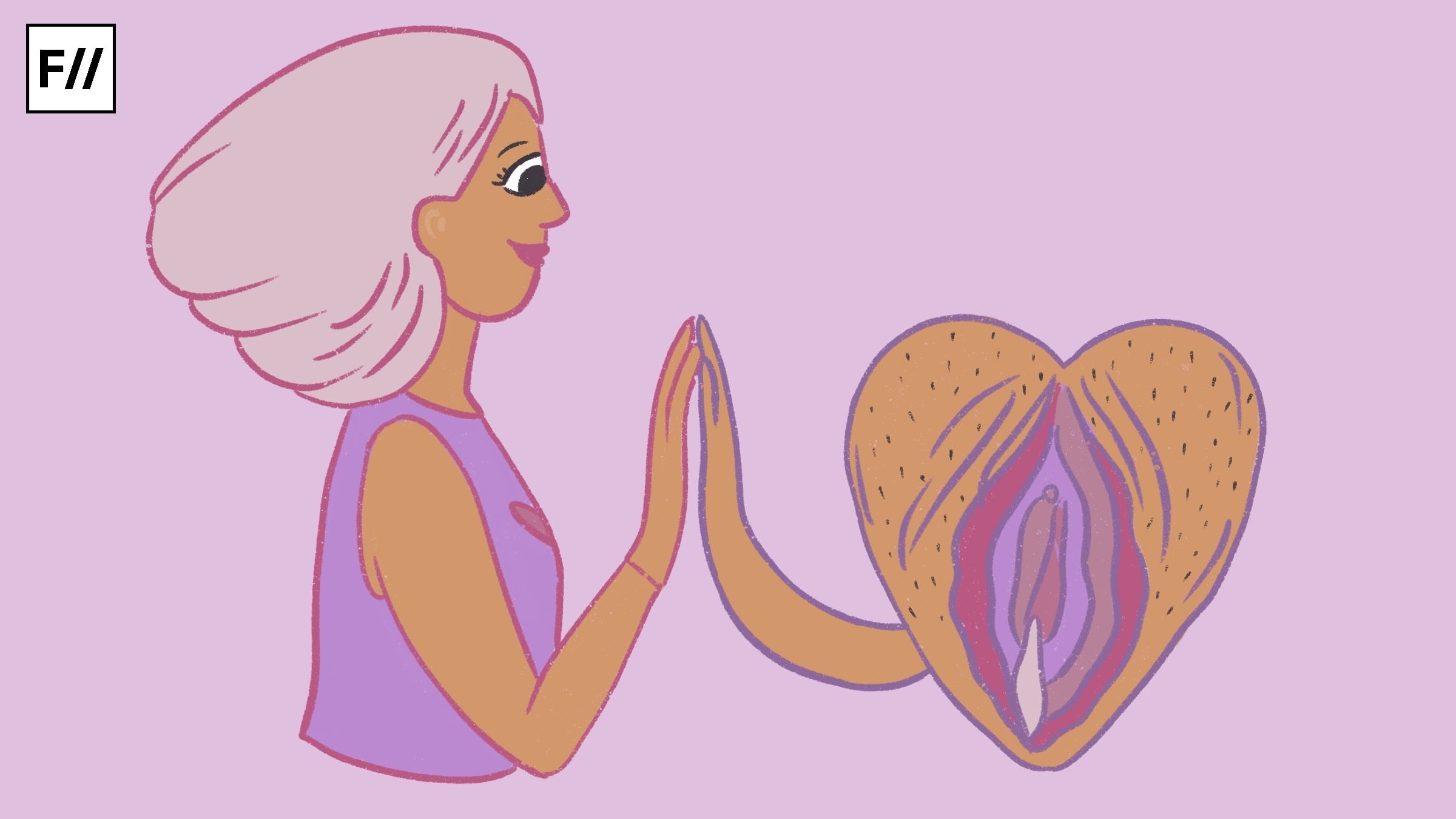
In the Indian imagination, an ‘Aunty’ is a middle-aged, usually fat woman who is married and has children. Young women, especially unmarried ones, either do not want to associate with the term or are expected to steer clear of it.

Most Popular Stories On FII

These Are The 15 Women Who Helped Draft The Indian Constitution/इन 15 महिलाओं ने भारतीय संविधान बनाने में दिया था अपना योगदान

These Are The 15 Women Who Helped Draft The Indian Constitution

50
On this Republic Day, let us take a look at the fifteen powerful women who helped draft the Indian Constitution.
To Kill a Mockingbird

Gender Roles And Stereotyping In ‘To Kill A Mockingbird’

2
To Kill a Mockingbird covers several themes that are often uncomfortable to encounter and explore, such as racism and loss of innocence.
Anaahat (2003): Niyog Pratha & Women’s Sexual Freedom In Amol Palekar’s Film

Anaahat (2003): Niyog Pratha & Women’s Sexual Freedom In Amol Palekar’s Film

1
Amol Palekar's movie Anaahat (2003), a Marathi film (Anaahat means Eternity), poses several questions about Niyog Pratha and emphasises on a woman's choice to explore her sexual freedom.