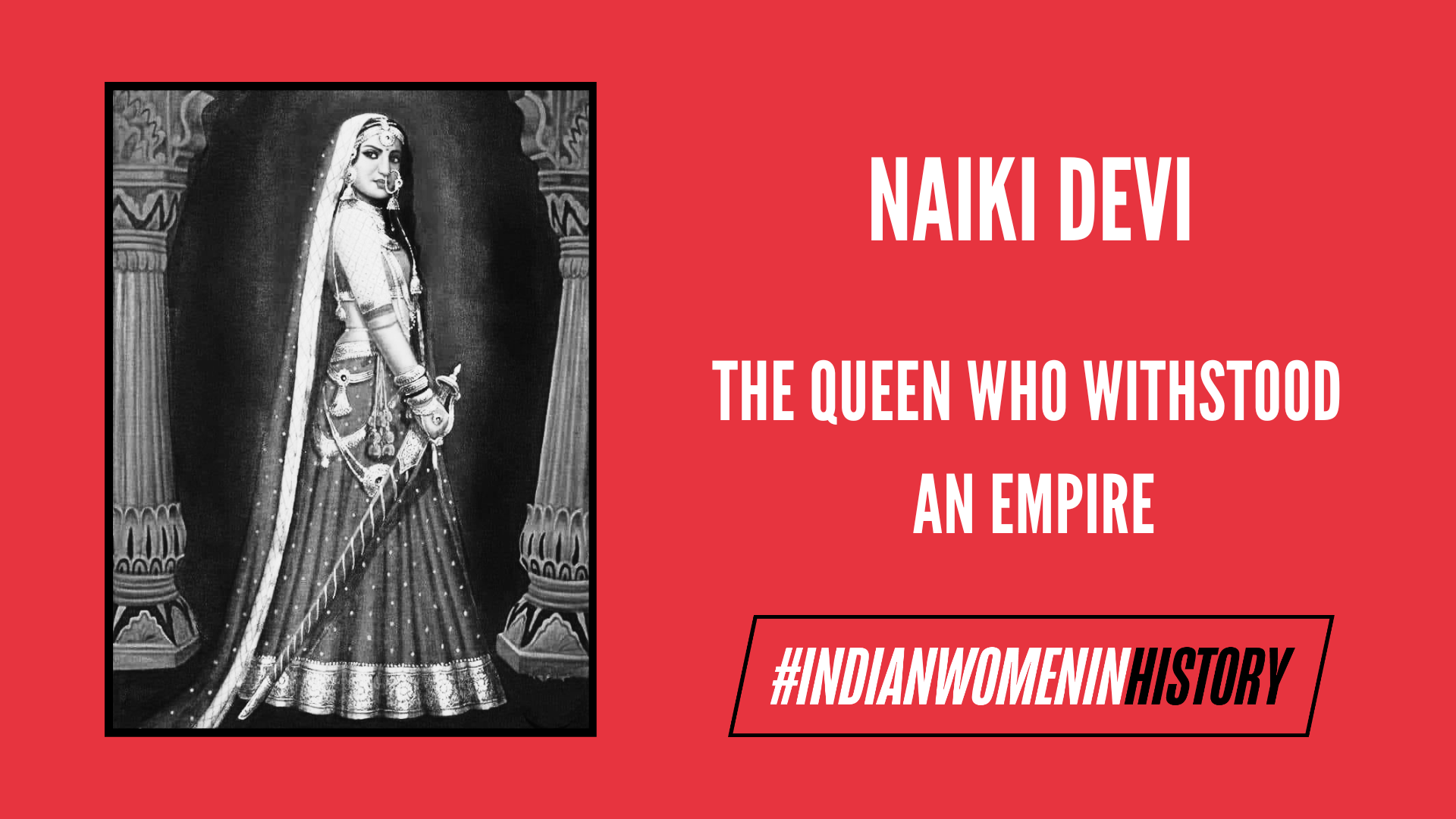
Historically, women’s achievements have often been ignored as male warriors, monarchs, and emperors have been celebrated as heroes. Naiki Devi’s story is one of those extraordinary women whose story doesn’t get the credit it deserves. She led the forces of the Chaulukya kingdom in Gujarat, defeating Muhammad Ghori’s army in the Battle of Kasahrada in 1178. Ghori’s defeat is scarcely mentioned in mainstream accounts, even though it was one of his earliest defeats on the Indian mainland. The silence on Naiki Devi is alarming because it provides an entry point into larger questions on how history gets recorded and remembered.
In writing history, the achievements of men have often been prioritized over those of women, especially pertaining to fighting and establishing an empire. Based on this, the roles played by women in positions of political or military authority have often been ignored. By attempting to reconstruct the era of medieval India, women have significantly contributed to Indian society and politics. Furthermore, it seeks to re-examine the reign and legacy of Naiki Devi, the queen who ruled over the kingdom of Gujrat and led the Solanki forces to victory in the Battle of Kasahrada against the invading army of Muhammad Ghori.
Women, Power, and Regency in Medieval India
Naiki Devi married Ajayapala, who was a monarch from the Chaulukya or Solanki dynasty, ruling Gujarat in the twelfth century. The Chaulukya monarchy was wealthy, and had flourishing trade links and artistic achievements. Gujarat’s position on the coast of the Arabian Sea made it an important centre of maritime trade, which connected the province to Asia and the Middle East. After Ajayapala’s death his son, Mularaja II inherited the throne at a very young age, which often created an opportunity for opposition parties to challenge the succession and seize power. This often led to political instability in medieval kingdoms, and its then that Naiki Devi became regent and ruled on her son’s behalf.
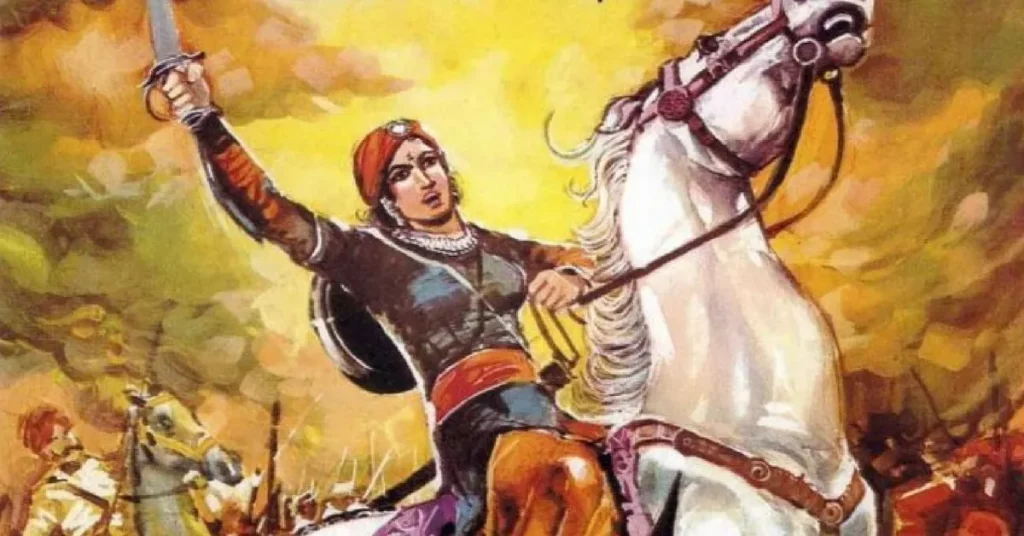
Regency was a rare but significant way in which women could hold power in medieval societies. While patriarchal conventions saw the role of women in the governance of medieval kingdoms largely as unofficial, the position of an adult male monarch was often vacant, and royal women were occasionally given responsibility for the administration of the monarchy. However, most histories of the past have described the regency of women as unique or temporary rather than recognizing it as a legitimate form of political leadership. Naiki Devi’s regency provides an example of how women could be political leaders, dealing with both external political challenges, and with administration.
Imperial Expansion and the Politics of Invasion
In the late twelfth century, the politics of Northern India underwent considerable change especially with the establishment of the Ghurid Empire by Muhammad Ghori, the power balance in the area changed. Ghori aimed at creating a permanent rule over sections of Indian subcontinent whereas other raiders were only interested in temporary expeditions. His military conquests were hence part of a bigger scale of expansion of his empire. Gujarat had a developed economy under the leadership of Naiki Devi and strategically located in the major trade routes and thus was a good example of the imperial expansion. The control of the state implied the opportunity to possess its riches and trading routes by sea.
An enlarged empire would enjoy both political and economic advantages of conquest of Gujarat. It was not just a mere military battle but a larger tug-of-war over territory, resources and power when the Chaulukya kingdom was invaded by Muhammad Ghori in 1178. Historians often present the history of these wars in the actions of the male generals and rulers. However, things are complicated by the fact that the woman was the leader of the Chaulukyas in 1178. Naiki Devi was the focal point of a major military and political battle as the regent.
The Battle of Kasahrada: Medieval Indian strategy and leadership
The key battle was between the Chaulukyas and the Ghoris which took place in and around Mount Abu at Kasahrada (also known as Kayadara). Naiki Devi is attributed to have been the head of the defense of the kingdom. According to some subsequent accounts, she was in command of the army and brought her young son with her, thereby, illustrating her motherhood, as well as royal right to rule. Although it is possible they were literary norms, these factors nevertheless present the symbolic meaning of her leadership. As queen and mother, she was the guardian who maintained the kingdom, and the face of the succession of the Chaulukyas. Her duality was a defiance of the Indian medieval concept of gender.
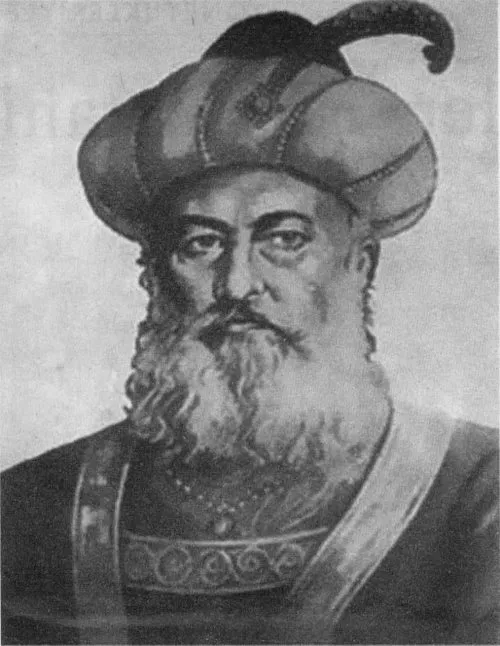
Photo Source
Eventually, the army of Muhammad Ghori was slain. The Chaulukya army resisted against the forces of Ghori and Ghori had to escape. The failure halted his progress to western India, at least temporarily, and he then focused on other areas of the subcontinent. Other than a protection against a strong invader, the Battle of Kasahrada historical consideration is that women were also capable of commanding armies in medieval India. Although the battle was generally seen as a male experience, the fact that she participated in it implies that women were and could directly engage in political and military affairs.
Politics of historical memory
The triumph of Naiki Devi was quite significant, but she is hardly known to the general readers of the Indian history of the Middle Ages. That is no accident, the fact that it was omitted is characteristic of the historical approach to women in historiography. This focus on historians has been on male emperors, generals and conquerors. The success of the military campaigns and conquests has been gauged by the actions of the male rulers, and the possibility to apply the efforts of the female rulers into the limelight has been usually overlooked. Women have even been treated as an exception when they have held power in positions, instead of being incorporated in the overall history of politics.
Another issue is unequal distribution of sources. Chroniclers, inscriptions, and court histories provide a great deal of information about medieval India. Most of these authors were male philosophers and most of their work is inclined towards the behavior of Kings and male aristocrats. The success of women has, thus, not been given as much attention. The consequence is that most of the strong women of the past have been almost invisible in the history. The story of Naiki Devi serves as an aide memoir of how easily those in influential positions are forgotten by the masses even when they have contributed immensely in the history of politics.
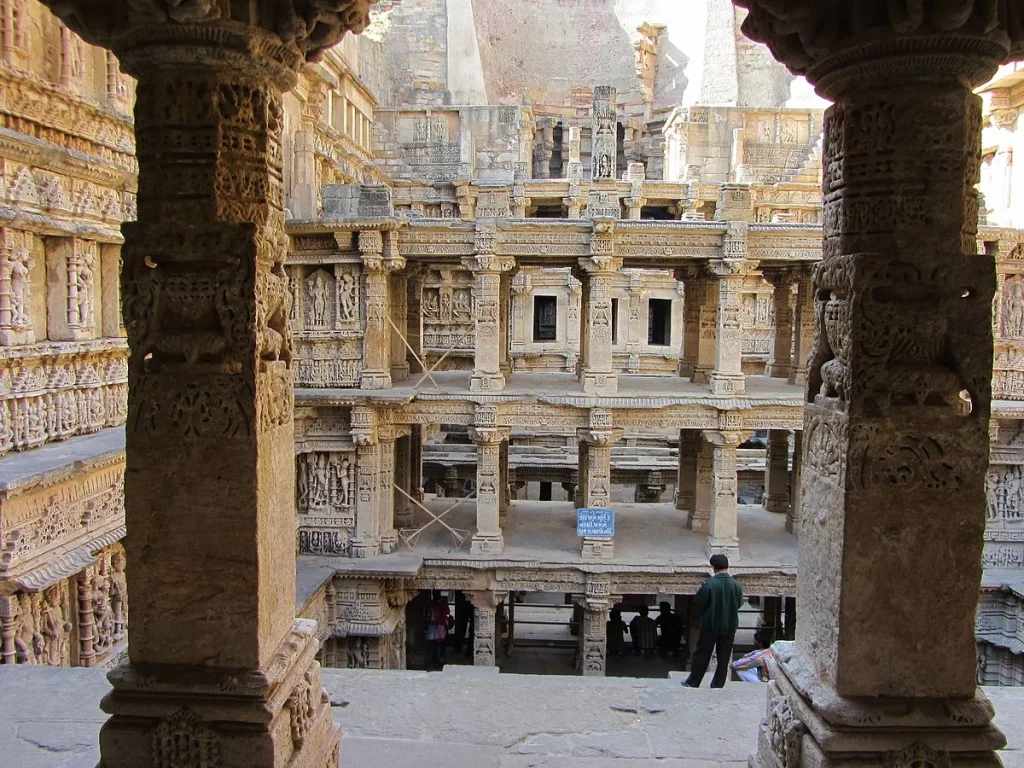
Histories of Women Recaptured
The recovery of heritage of women like Naiki Devi cannot be brought back through mere honoring of the few heroines: a reconsideration of the historical writing and memory systems that have been constituted must also be taken. Feminist historians have been asserting over decades that the historical narratives we learn and believe in are to be read with critical attention so that we can understand the influences that led to their creation. Scholars and writers can enhance past knowledge by rendering prominent the little-known individuals. The traits of leadership exhibited by Naiki Devi when she was going through a crisis proved that women could possess power in political and military spheres. Her life contradicts the idea that women were mere actors in history.
Reclaiming these histories is all the more significant in the present. This assumption that men have always held leading positions and positions of power is supported by the fact that the success of women is not recorded in the history books. By portraying the idea that there are always been women who contributed to the development of social and political processes, the mention of people like Naiki Devi contributes to the refutation of this myth.
The story of Naiki Devi attempts to bridge the gap in the existing historical narrative about the numerous kingdoms and empires which were ruled by strong women who played a crucial role in the governance of their respective. When we think about the women who were left out of history we can get an understanding of what really happened. The things that Naiki Devi did show us that women have always played a role in shaping history. Women like her have always been involved in making history even if people did not always notice what they were doing.