What happens when a modern, forward-thinking, and progressive family speaks the language of equality and empowerment but continues to practice patriarchy within closed doors? Chiraiya, a social drama on JioHotstar, explores just this.
The show follows the story of a newlywed bride, Pooja, who is a victim of marital rape. The core theme revolves around consent, especially consent within marriage. As the story explores the complicated intersection of marriage, consent, sexual violence, and women’s agency, it also mirrors the story of many Indian women who experience this reality but have few avenues to be heard.
The world of Chiraiya
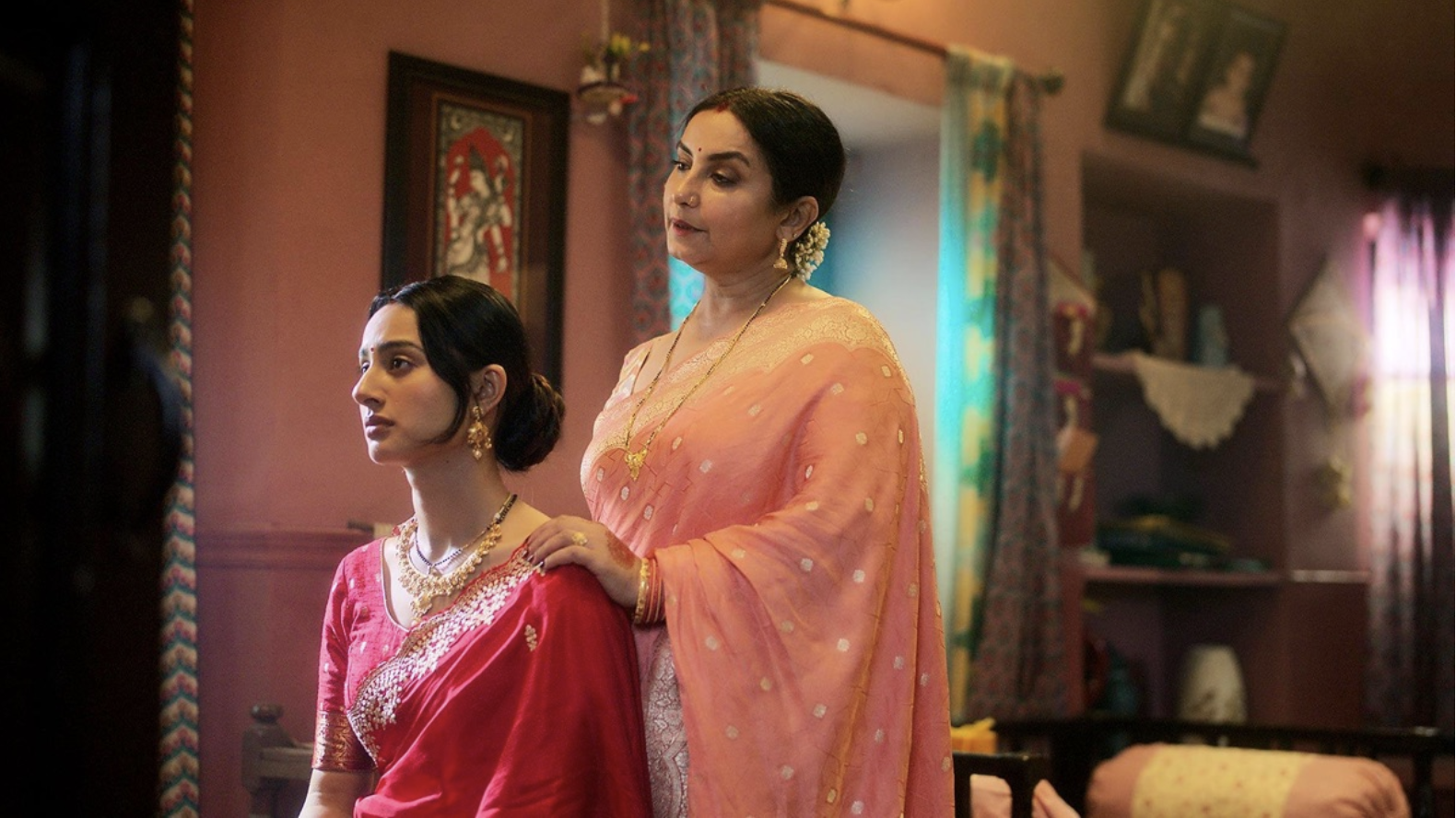
The story follows the lives of Kamlesh and Pooja, daughters-in-law of a traditional Indian household. Kamlesh (Divya Dutta) is a devoted housewife and an ‘ideal’ daughter-in-law, who has built her identity around her household. She firmly believes that her family can do no wrong and accepts everything they say unquestioningly. This reflects how deeply she has internalised patriarchy. On the contrary, Pooja (Prasanna Bisht), the younger daughter-in-law, is aware of her autonomy and seeks to exert it. The meeting of Kamlesh and Pooja’s words and the events that follow form the world of Chiraiya.
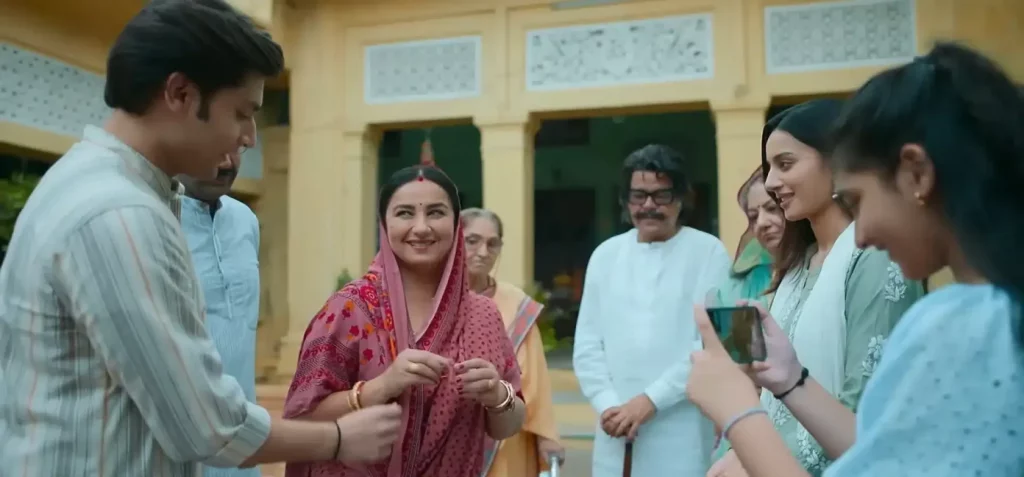
Their father-in-law (Sanjay Mishra) is the patriarch of the house and is an educated, well-respected, and influential man. He is often seen encouraging Kamlesh to read newspapers and participate in intellectual conversations. He even speaks of women’s empowerment through his poetry and by citing religious scriptures. Arun (Siddharth Shaw) is the younger son of the house and Pooja’s husband. Kamlesh raised Arun and is shown to be deeply attached to him. The family appears progressive on the surface; however, as the story progresses, their patriarchal mindset is soon revealed when Arun rapes Pooja on their wedding night and during their honeymoon.
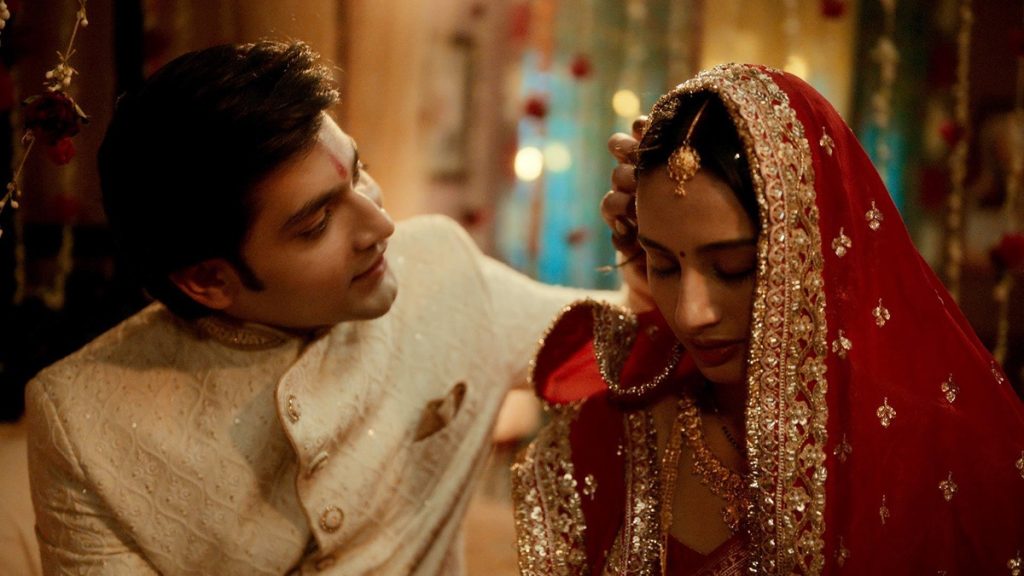
When the family learns of this, they choose ignorance over accountability. What makes this moment disturbing is not just the violence, but the collective denial and the refusal to acknowledge that a crime has been committed. The same educated, modern, and seemingly progressive family refuses to recognise that Arun raped his wife or that a husband can rape his wife at all.
Arun is not held to account; instead, Pooja is expected to remain silent. This mirrors a larger social reality where women are expected to protect the institution of marriage, even when they are victims of violence within their marriage.
When saying ‘no’ is unimaginable
Chiraiya gives us a clear view of Kamlesh’s conservative mindset. In one instance, she questions Pooja for reading the front page of the newspaper and being vocal about her politics. In another scene, she forcefully removes Pooja’s engagement ring after seeing her participate in a queer protest. These scenes raise important questions about how patriarchy sustains itself through social conditioning. Kamlesh’s attempts to control Pooja’s behaviour highlight how we view what constitutes a ‘good woman’, and how this idea of the ‘good’ or ‘ideal’ woman continues to shape our social reality.
When Pooja reveals Arun to be a rapist, Kamlesh refuses to believe her and instantly sides with Arun. Pooja struggles to explain the idea of consent within marriage to Kamlesh and even to her own parents. This tension becomes evident through the following conversation: Kamelsh questions Pooja, ‘Tum patni dharam ka matlab janti ho (Do you understand what a wife’s duties entail)?’ To which Pooja responds, ‘Aap consent ka matlab janti hai (Do you understand what consent means)?’
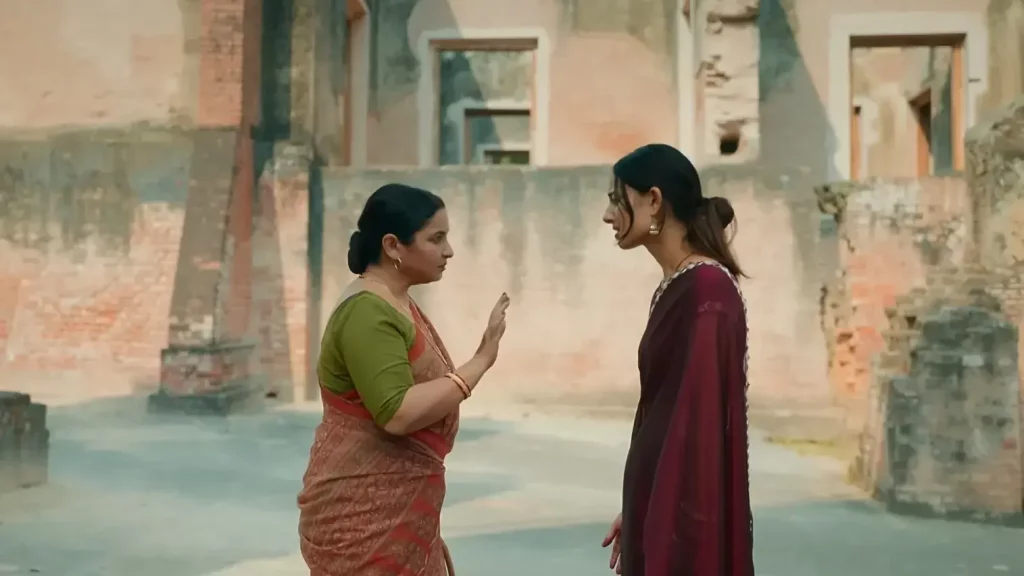
This exchange portrays a clash between strikingly opposite world-views, one rooted in traditional expectations to perform wifely duty and the other speaking the language of agency in an institution that has historically denied, and continues to deny, women their rights and dignity.
This conflict becomes more evident when Kamlesh is seen asking a counsellor if a wife’s ‘no’ means anything. This question not only reflects self-doubt on Kamlesh’s part but also throws light on the larger social reality where refusing sex within a marriage is seen as unimaginable. These scenes are particularly frustrating to watch, not because Kamlesh appears unreasonable, but because her character feels so familiar.
As a viewer, one cannot help but recognise this worldview in those around them and the Kamleshs of the real world.
As a viewer, one cannot help but recognise this worldview in those around them and the Kamleshs of the real world. This moment shows how society struggles to understand the idea of consent and how deeply ingrained patriarchy is within the institution of marriage, that we refuse to even recognise violence for what it really is.
When women begin to unlearn patriarchy
The title of the show is highly symbolic. Chiraiya means bird, representing the freedom associated with birds; however, it also represents the fact that birds are often caged. Chiraiya also reminds us that as long as a woman remains within her socially defined limits, she is accepted and celebrated. But the moment she begins to exercise her agency, she is seen as a threat to her family, even in progressive circles.
On the surface, the story of the show focuses on women exercising their agency and challenging patriarchy. However, Chiraiya also explores something deeper and far more revealing. The narrative exposes a broader social reality — how the well-educated, modern, and urban India struggles to understand and confront patriarchy. It challenges the common assumption that education automatically makes people progressive in their beliefs and values. As the story progresses, it is the less educated Kamlesh who challenges her beliefs and questions her assumptions to confront uncomfortable truths.
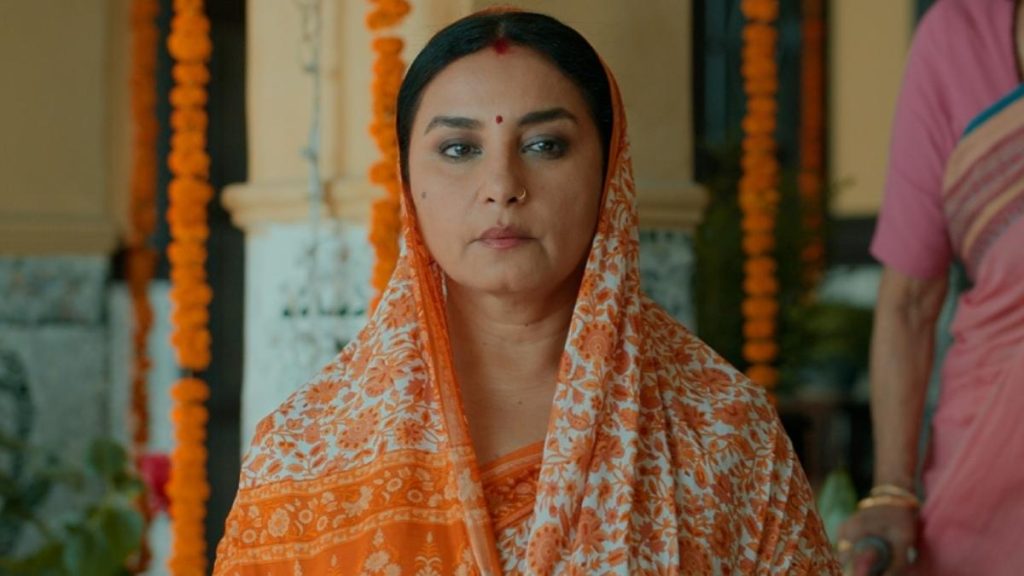
This transformation in Kamlesh’s character is a significant arc in the series. She stands for what is right and fights the patriarch of the house, her father-in-law, even when it risks her position within the household and her material security. Several exchanges between Kamlesh and her father-in-law reveal how patriarchy is preserved through social conditioning; however, the show goes one step further and reveals how patriarchy can be shattered by its upholders. The character of Kamlesh indicates that being progressive is beyond just education or status; it is about showing courage against injustice.
What works in Chiraiya
Chiraiya effectively highlights how patriarchy operates within households that appear progressive and preach equality. The way Kamlesh’s character is written, her transformative journey from being the ideal bahu to a woman who challenges patriarchy is important to the show. It quietly makes viewers confront uncomfortable questions – What does it actually take to stand up for one’s values? Is education enough to claim progressiveness? And how does one stand up for what is just despite their conditioning?
The show succeeds in opening up a conversation around marriage, consent, and silence that, as a society, we have long avoided.
While Chiraiya gives us a little hope, it still feels removed from reality. The solutions in the world of Chiraiya are idealised outcomes that cannot be easily executed in the real world. However, the show succeeds in opening up a conversation around marriage, consent, and silence that, as a society, we have long avoided.
Beyond the world of Chiraiya and into reality
Chiraiya may be a fictional story; however, the issue it raises reflects a reality that many women experience. In the last episode, a striking moment involving the grandmother breaks family silence. Her character is quiet most of the time, but she breaks her silence to encourage Pooja and Kamlesh to raise their voices. This also disrupts the code of enforced silence that protects family honour, pride, tradition, and status.
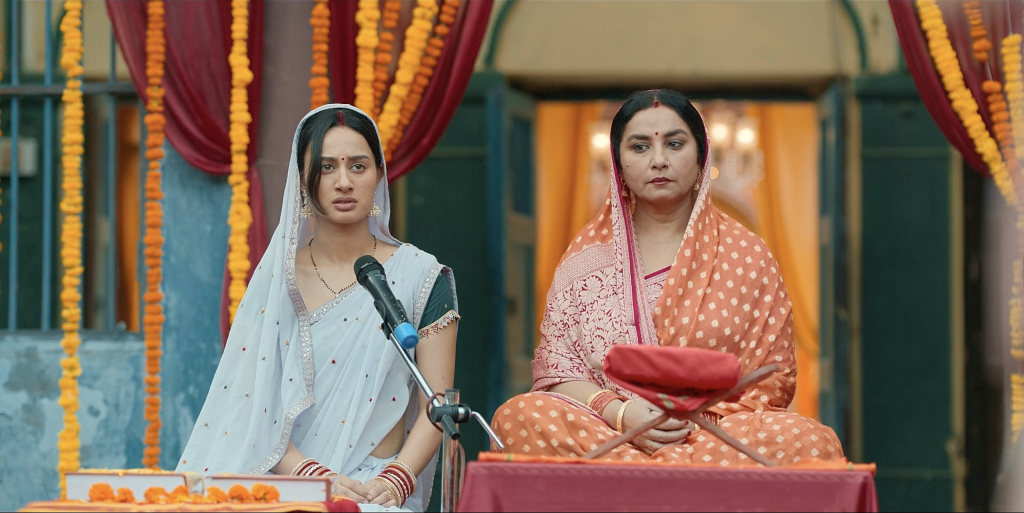
In the last episode, as Pooja narrates her story, viewers are invited to pause and reflect on women’s position within marriage, within society, and within patriarchy. In the end, Chiraiya offers some resolution. However, the real world is far more disappointing. Marital rape is not criminalised in India. This makes India one of 36 countries where raping one’s spouse is not considered a crime. The current legal framework presumes that a wife gives perpetual consent for sex after marriage.
However, in a society where rapists convicted of sexual violence are released and welcomed with garlands, is there any hope for the legal recognition of marital rape? When legally recognised forms of sexual violence are met with few legal consequences, the possibility of women who experience sexual violence within the institution of marriage receiving justice remains elusive.
About the author(s)

Dimple has a keen interest in history, cinema, and cultural studies, which fuels her curiosity. With an exploratory attitude towards life, she enjoys engaging in thoughtful conversations over a warm cup of tea.