Recently, a teacher remarked to me how she feels awful looking at girls in her classroom who have sagging breasts. She did not mean to comment on ill-fitting lingerie; rather, she was unhappy with, in her own words, ‘A generation of misshapen women who have large and hanging breasts with an overall distasteful figure.’ This sentiment, voiced by an educator, reveals how the developing body is constantly monitored. The female body becomes a project to be managed, where any deviation from a narrow ideal is met with social disapproval.
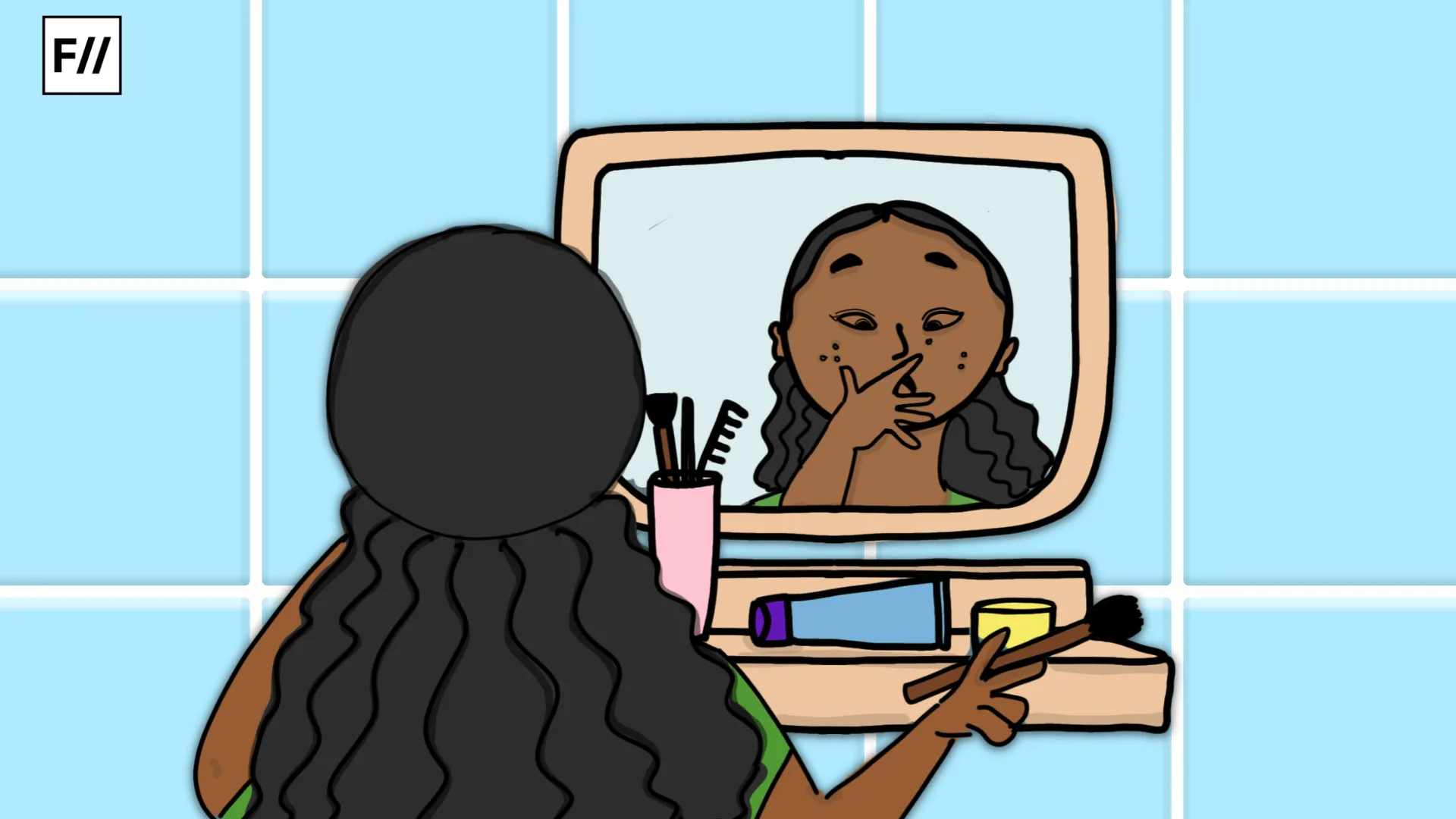
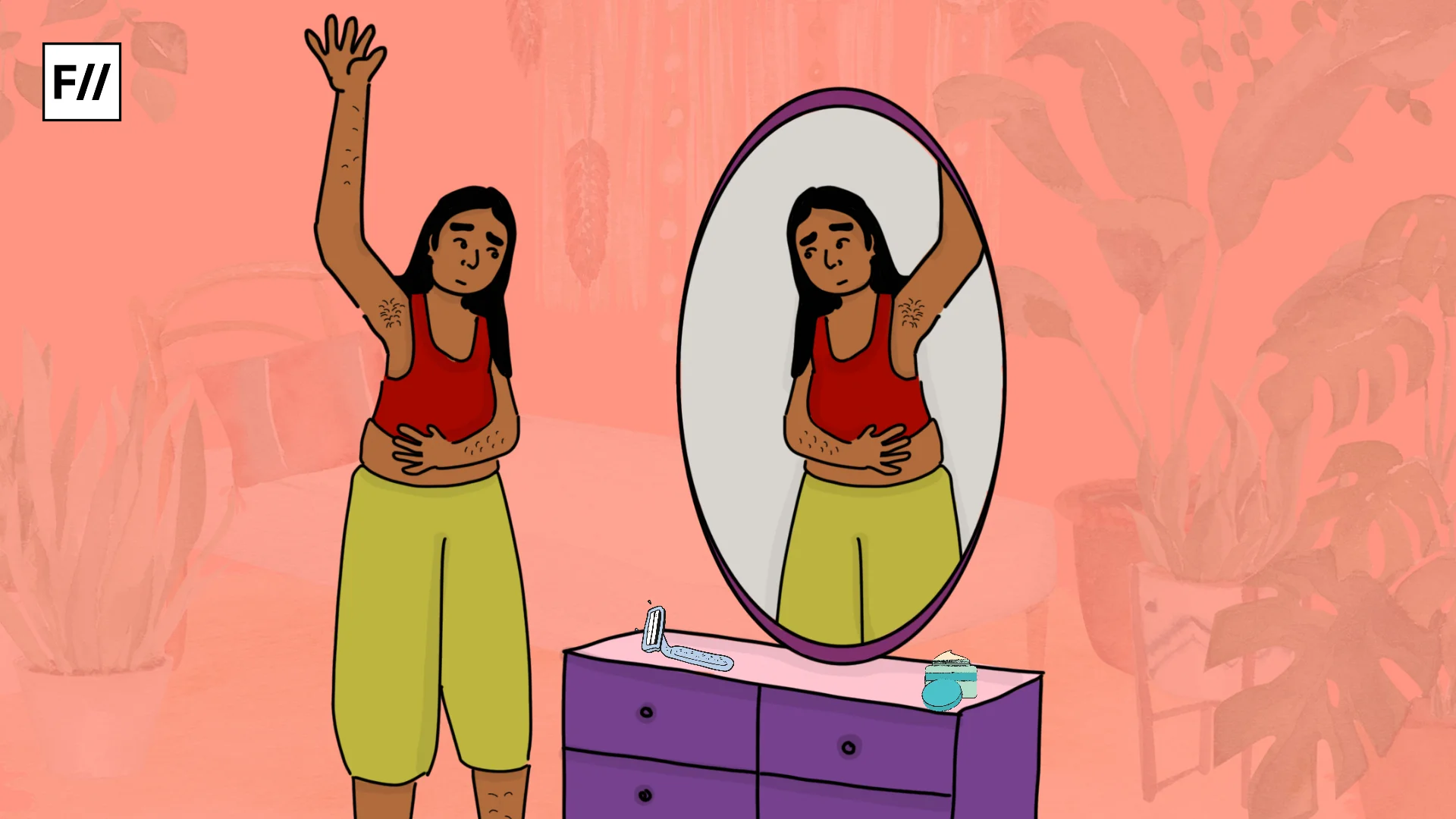
There is a rigid template of what the female form must look like. This strict ideal often leads to years of attempting to fit into society’s narrow perception of beauty for girls and young women — creating body dysmorphia, guilt, and self-loathing. This struggle is not merely personal; it is systemic, fuelled by a social environment that views natural physical changes through a lens of morality and aesthetics rather than health.
As global fashion trends increasingly romanticise a singular physique, the pressure to conform becomes a burden for girls who do not see their proportions reflected in stores or media narratives.
By pathologising the body, society and social institutions participate in a culture of surveillance that prioritises visual appeal over physical comfort or psychological well-being. This conditioning creates a lifelong rift between individuals and their own skin, making dressing an exercise in concealment rather than expression. As global fashion trends increasingly romanticise a singular physique, the pressure to conform becomes a burden for girls who do not see their proportions reflected in stores or media narratives.
The illusion of the global standard
Sizing in clothing remains a major issue. Even among luxury labels, the same size can vary drastically, making it frustrating to find well-fitting clothes. Another problematic practice is the use of EU or US size charts that fail to account for non-white body types, resulting in most individuals being categorised as ‘large’ under this sizing system. Recent data shows that 97.6 per cent of luxury runway looks remain ‘straight-size’, ranging from US 0 to 4. Whereas, plus-size representation has fallen to just 0.3 per cent. This exclusion creates the impression that bodies outside a narrow range do not deserve visibility in high fashion.
A notable comment from the aforementioned teacher on my body type was that it was ‘fit for European wear‘. As the skinny fit trend returns, the Eurocentric ideal of an athletic physique is romanticised across social media platforms. At the same time, the sexualisation of curvy bodies and the East Asian ‘porcelain doll’ aesthetic of extreme slimness are presented as alternatives, though they are equally restrictive.
The Victorian era introduced corsets that reduced waist sizes to as little as 10 inches. Marilyn Monroe’s hourglass figure represented the ideal of the 1950s. The 1990s embraced the ‘heroin chic’ aesthetic, where thinness became the norm.
Fashion trends may appear to evolve, but they remain rooted in catering to the male gaze and demonising the normal. Every era leaves behind a silhouette that tells women what they should look like. The Victorian era introduced corsets that reduced waist sizes to as little as 10 inches. Marilyn Monroe’s hourglass figure represented the ideal of the 1950s. The 1990s embraced the ‘heroin chic’ aesthetic, where thinness became the norm.
Y2K fashion glorified flat stomachs and exposed midriffs through low-rise jeans and cropped tops. Later, celebrity obsession with figures, such as those of the Kardashian sisters, intensified the pursuit of exaggerated curves and sculpted waists. The absurdity of these standards was visible when Hungarian model Barbara Palvin was labelled ‘plus size’ in 2019, despite being what would be considered conventionally thin.
Weight loss and the India story
Today, weight loss drugs are adding another layer of complexity to this issue. On March 20, 2026, Novo Nordisk’s patent for semaglutide expired in India. Semaglutide is the active ingredient in Ozempic, Wegovy, and Rybelsus; drugs used for diabetes and obesity treatment (Ozempic and Rybelsus are not FDA-approved for weight loss). Combined sales of these medicines reached $26 billion in 2024 and continue to grow annually at nearly 40 per cent. The patent expiry has opened the door for Indian pharmaceutical firms to launch affordable generic versions.
Previously priced at around INR 11,000 per month, semaglutide is expected to become 50 to 70 per cent cheaper with competition. Yet lower prices also create the risk of reducing semaglutide into a cosmetic quick fix.
The Indian case is distinct because generic semaglutide entered the market within a year of the launch of Eli Lilly’s Mounjaro (tirzepatide) and Novo Nordisk’s Wegovy. While this is being celebrated as a breakthrough in accessibility, it also presents a complex reality. The debate operates on two fronts. One concerns the tussle between Indian generic manufacturers and multinational corporations over ‘evergreening’ patents, and the other concerns the ethics of marketing a lifestyle drug in a country struggling with widespread metabolic disorders. Previously priced at around INR 11,000 per month, semaglutide is expected to become 50 to 70 per cent cheaper with competition. Yet lower prices also create the risk of reducing semaglutide into a cosmetic quick fix.
As a therapeutic necessity, weight loss drugs are critical in treating chronic diseases such as Type 2 diabetes and clinical obesity. Nearly a quarter of Indians are overweight or obese, while one in ten adults lives with diabetes, one in three with hypertension, and a third of adults and children live with non-alcoholic fatty liver disease. Childhood obesity is also rapidly increasing. Further, South Asians are particularly vulnerable to the ‘thin fat’ phenotype, where individuals appear lean but carry disproportionately high visceral fat and have low muscle mass. However, the pressure to conform to beauty standards can now be met with chemical solutions that may overlook deeper health concerns in favour of aesthetics. The pursuit of aesthetic weight loss goals, amplified by social media trends and influencers, can encourage dangerous misuse through self-medication and unhealthy dependence.
Last year, when tirzepatide entered the Indian market, there came troubling marketing trends. Since prescription medicines cannot be directly advertised, surrogate campaigns framed as ‘awareness initiatives’ promoted these metabolic drugs. Influencer marketing and sponsored content further blurred the line between medical advice and lifestyle branding, presenting GLP 1 agonists such as Wegovy and Zepbound as shortcuts to the fashion industry’s demands.
Reclaiming the Indian silhouette
The recent Vogue Business Spring/Summer 2026 Size Inclusivity Report found that runway diversity has barely improved over the years. Of 9,038 runway looks across 198 shows in major fashion capitals, only 0.9 per cent featured ‘plus-size’ models and 2 per cent featured ‘mid-size’ models, with 97 per cent of models still being ‘straight size’. The constant comparison to these standards fuels body dissatisfaction globally. Luxury labels have also been criticised for imposing 10 to 15 per cent surcharges on sizes above Large or XL, by justifying them as customisation fees. Boutiques frequently stock only sample sizes from XS to S, forcing customers outside these standards to place custom orders with long waiting periods.
However, not all developments are bleak. The INDIA Size Project launched by the National Institute of Fashion Technology (NIFT) aims to create standardised body charts for Indian body types and address the ‘fat tax’ imposed by luxury brands. A new generation of designer labels, such as Half Full Curve and Calae, have begun to offer contemporary styles up to 5XL and 10XL without additional charges.
True body inclusivity will not come from pills or expanding sizing alone, but from challenging the belief that bodies must constantly be corrected and policed.
Ultimately, the convergence of generic weight-loss drugs and restrictive fashion standards creates a dangerous precedent. We are being forced to choose a medical solution to achieve unrealistic beauty ideals, and being shamed for not fitting into imported sizes never created for us. True body inclusivity will not come from pills or expanding sizing alone, but from challenging the belief that bodies must constantly be corrected and policed.
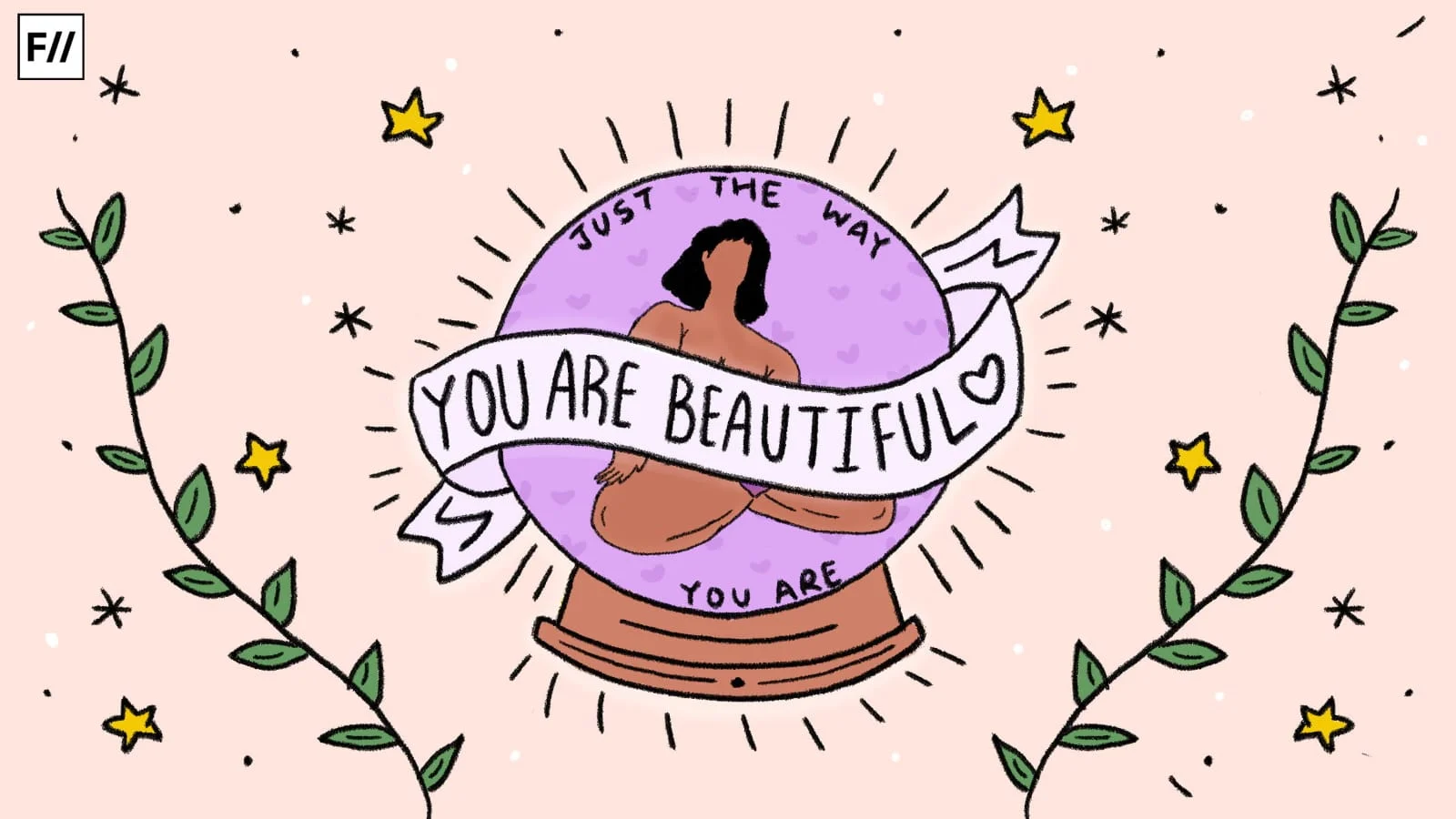
For the teacher in the classroom and the teenager on the playground, the goal should be a future in which the body is not treated as a site of display, but as an expression of self. The process of reclaiming the Indian silhouette from both the patriarchal gaze and dependence on pharmaceuticals consumed for cosmetic purposes can become an act of radical self-discovery.
About the author(s)

Second year student of Media Studies at CHRIST (Deemed to be University), BRC, Bangalore. A trained Kathak dancer, theatre artist and political nerd.