What does being queer in India today mean? If the answer is framed through the language of rights, then the queer experience in India is one marked by institutional violence. If it is framed through the lens of resistance and community, the answer is one marked by optimism and solidarity. If it is filtered through the lens of intersectionality, then there can be no singular answer, because such plurality of experience cannot be reduced to a singular story.
From queer persons living in small towns to those living in big cities and even outside the country, from those who experience various marginalisations due to their intersecting identities to those with caste and class privilege, the breadth of queer experience in our country is endlessly vast. What it means to be queer in India has no singular answer.
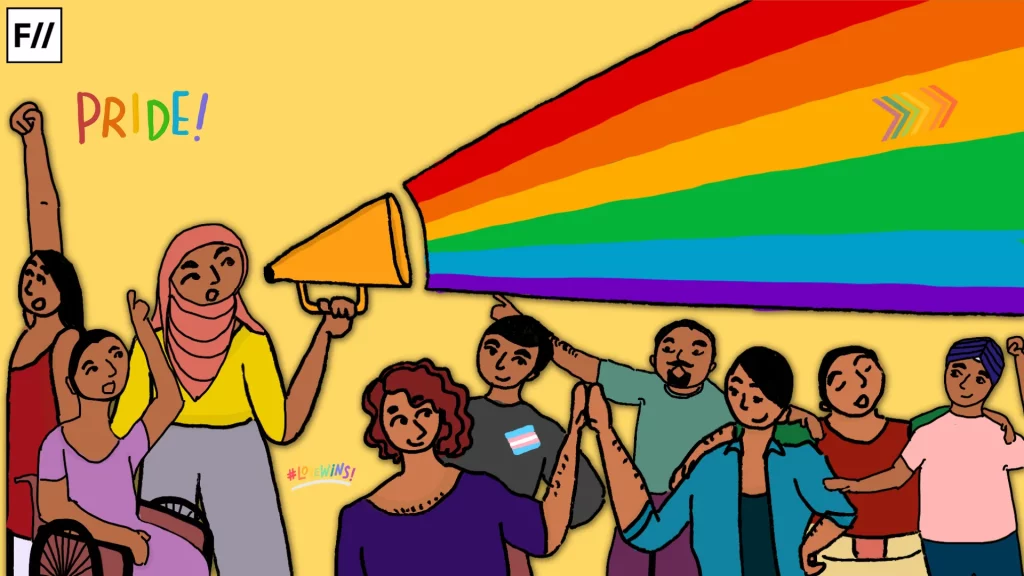
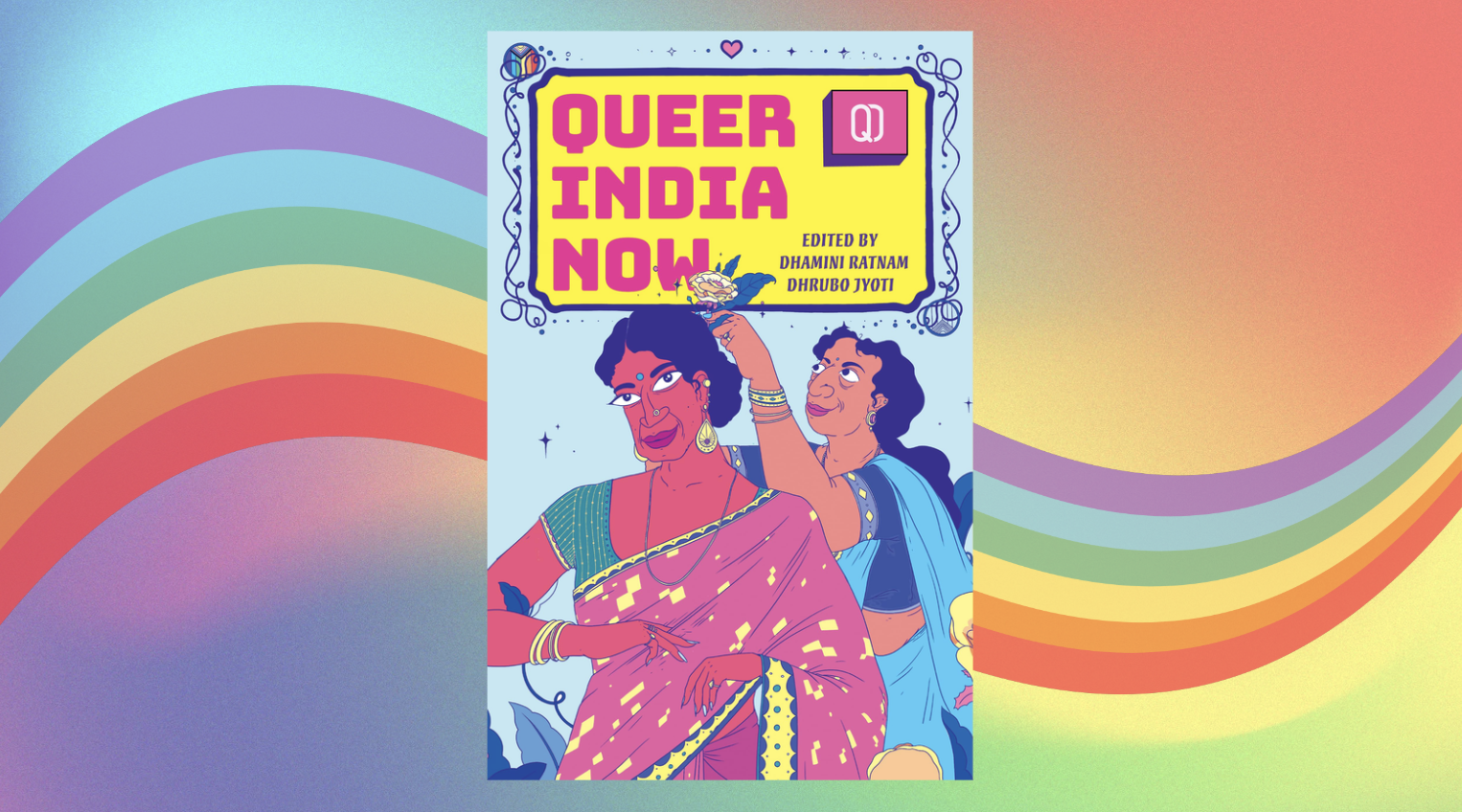
This is the question the anthology Queer India Now seeks to answer through portraits of tens of queer lives. It seamlessly weaves tales of invisibilisation, pathologisation, and violence with stories of quiet resistance, solidarity, and the radical power of community. Queer India Now is committed to diversifying popular understandings of queer identity and infusing much-needed intersectionality into conversations on queerness.
From the art form of the jogatis of Karnataka to drag parties off the coast of Colaba, from first forays into the world of queer dating to court cases where queer couples confront a system to which they are not legible, the book offers a vivid and textured account of the tumultuous experience of being queer today in our cisheteropatriarchal society.
From the art form of the jogatis of Karnataka to drag parties off the coast of Colaba, from first forays into the world of queer dating to court cases where queer couples confront a system to which they are not legible, the book offers a vivid and textured account of the tumultuous experience of being queer today in our cisheteropatriarchal society, with its far-right authoritarian government, yet where the spirit of resistance abounds and the zealous desire to build community and a more equitable world remains unflinching.
Beyond a singular narrative: the diversity of queer experiences
Urban, ‘upper’-caste, and ‘upper’-class queer voices and experiences often occupy a central space within queer spaces and in conversations surrounding queerness. However, the greater visibility of these experiences in society, institutions, and media does not imply that queerness is confined to urban life, nor that it ceases to exist beyond its concrete and metallic contours.
In revealing the extent to which everyday queerphobia is embedded in everyday architecture and permeates every aspect of personal, public, and political life, the book also explores how this structural and systemic violence is experienced unevenly across the community.
Queer India Now centres these often-sidelined queer experiences. In revealing the extent to which everyday queerphobia is embedded in everyday architecture and permeates every aspect of personal, public, and political life, the book also explores how this structural and systemic violence is experienced unevenly across the community.
The book begins with essays on the often invisibilised queer lives in towns and villages that most people have never heard of. Through stories of queer coming of age, as well as narratives of resistance and legal battles, the queer lives we don’t often see are brought to the fore.
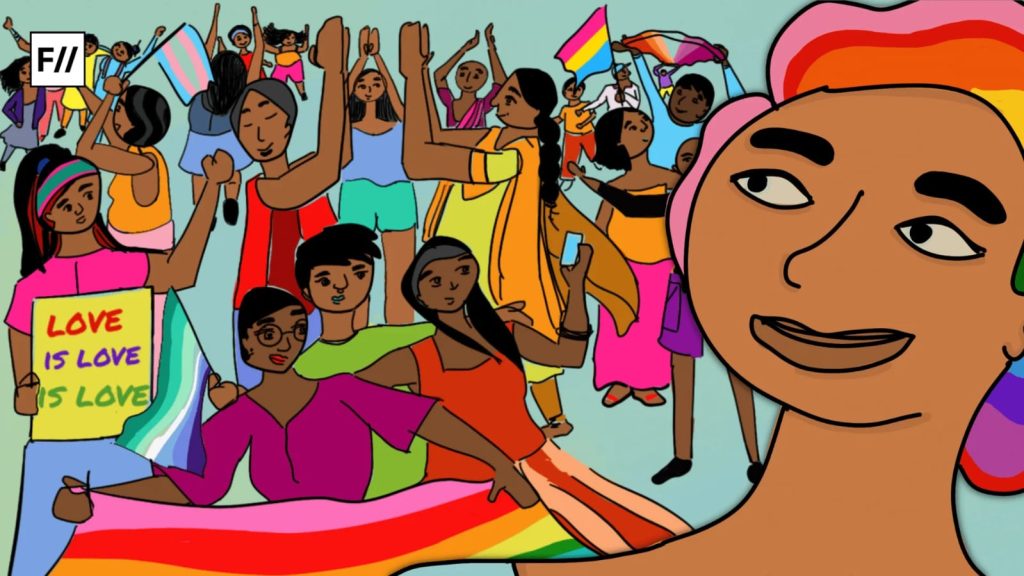
One essay, for instance, discusses queerness in Kashmir. In the popular imagination, the militarisation and conflict in Kashmir rarely allow for the recognition of queerness in the region or for an understanding of the conflict through a queer lens, one that examines how it impacts queer bodies and how it further invisibilises and marginalises them. However, queerness exists in Kashmir nonetheless, as do queer joy and resistance.
Queer India Now employs an intersectional lens to understand queerness. Through essays that explore caste and queerness, religious identity and queerness, and disability and queerness, the book not only highlights the importance of intersectionality within the queer community in making queer spaces more equitable, but also shows how, in telling a singular story of queerness, we risk fundamentally misunderstanding what it means to be queer today.
To understand the marginality of being queer is incomplete without understanding how other marginal identities interact with and inform queer experience. Caste, class, religion, and disability produce layered experiences of marginality that feed into the marginality produced by queerness.
To understand the marginality of being queer is incomplete without understanding how other marginal identities interact with and inform queer experience. Caste, class, religion, and disability produce layered experiences of marginality that feed into the marginality produced by queerness.
In the mainstream, intersectionality in queer experience is often overlooked, with queerness being understood as a monolith. Queer India Now is a timely reminder that such invisibilisation is not merely incidental, but by design. In sidelining some experiences and identities and disproportionately centring others, we are making a political choice, one that ascribes the right to visibility to some while withholding it from others.
Queer joy as a political act
Stories of queer lives, whether in the news, in films and television, or in books and popular narratives, disproportionately focus on the victimisation experienced by queer people. This is especially true for certain queer identities, such as trans identities. However, while it is true that the queer experience in India is often marked by familial, institutional, and political violence, queer bodies and lives are much more than sites where such violence is enacted.
Queer India Now looks at queerness beyond such a lens of victimisation and discusses queer joy — the joy found in community, resistance, and the mundane aspects of living a life one chooses and creates for oneself.
Through narratives of building community and solidarities, and the warm embrace of chosen families, as well as queer parties which offer a reprieve from the queerphobic architects of everyday life and urban spaces, Queer India Now repeatedly reminds readers that joy is a political act; that joy is an act of resistance.
Through narratives of building community and solidarities, and the warm embrace of chosen families, as well as queer parties which offer a reprieve from the queerphobic architecture of everyday life and urban spaces, Queer India Now repeatedly reminds readers that joy is a political act; that joy is an act of resistance.

While legal recognition of equal rights, the queering of public spaces, queer-affirmative healthcare, and the safety of queer children, among other social and legal struggles, are all essential to building a more just world, the small joys of sharing space with chosen families, going on a first date, making art, flourishing in a chosen career, and building community are equally essential to reclaiming space and visibility from a cisheteropatriarchal world. In such a world, merely existing as a queer person and experiencing joy becomes a revolutionary act.
Queer India Now can be read as an archive of queerness, a portrait of queer joy and resistance, or an account of the violence and structural failures embedded within the everyday architecture of our society and institutions. However one chooses to read it, or whatever one takes away from the book, one thing is indisputable — Queer India Now is an essential read.
About the author(s)

Akshita Prasad is a journalist and FII's Assistant Editor. She primarily writes about politics, law and policy, socio-institutional justice, gender, women’s health, and culture. Her work engages critically with how power structures and institutional norms affect marginalised groups and public discourse, and she highlights structural inequalities through her reporting. Her work has appeared in various national publications, and she is the recipient of a Jury Appreciation Citation at the Laadli Media and Advertising Awards for Gender Sensitivity 2025. Akshita is also a Laadli Media Fellow.