On 6 November 1986, in the faraway village of Sundhiya in the quiet Mehsana district of Gujarat, a girl was born who would one day challenge the world’s definition of ability. That girl was none other than Bhavina Patel.
Her early childhood looked no different from any other: warm mornings in a small home, narrow alleys filled with familiar faces, laughter echoing off mud walls, and the simplicity only a village childhood can hold. But at the tender age of one, polio struck.
Her early childhood looked no different from any other: warm mornings in a small home, narrow alleys filled with familiar faces, laughter echoing off mud walls, and the simplicity only a village childhood can hold. But at the tender age of one, polio struck.
And life shifted.
Mobility slowly slipped away; walking became impossible. By 12, she was dependent on a wheelchair. What came naturally to others— running, playing, simply moving—became a struggle for her. The neighbours’ views started changing; in their eyes, the child became a lifelong “burden to her parents”.
The word “burden” began to be whispered, sometimes muttered and at other times spoken aloud, until it became like a persistent shadow around her. It was not a word she chose or thought of, but one that society began to define her by.
Her father, who ran a small cutlery kiosk, had limited means but limitless determination. He tried everything he could. With those limited means, he even arranged surgery in Visakhapatnam, clinging to the hope of a cure. But that didn’t work out. Rehabilitation was difficult, the exercises painful, and lasting improvement did not come.
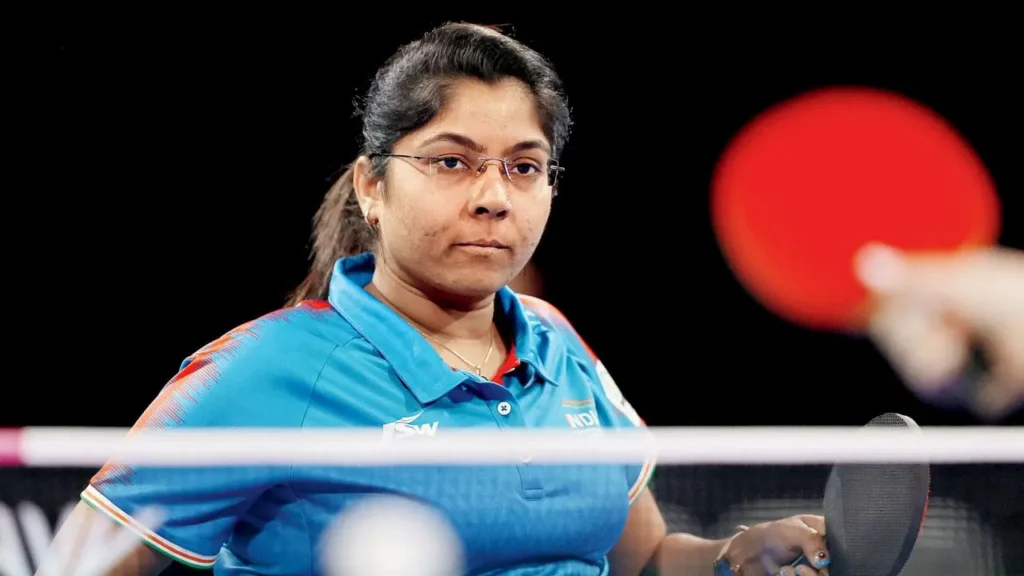
From then on, the wheelchair became part of her reality. Yet Bhavina insisted on attending school—a regular school—in her village. The uneven paths, the cramped classrooms, the curious stares, the occasional pity, she pushed through it all. She wheeled herself in every morning, quietly determined to claim her own place in a world that often seemed unsure where—and whether— she belonged.
Inside her, however, something stronger was slowly taking shape: a quiet resentment towards the word “burden”. There was a growing refusal to let pity become her identity.
Ahmedabad: a new path, a life-changing encounter
In 2004, when she was around 17 or 18, her father enrolled her at the Blind People’s Association (BPA) in Ahmedabad. It was a practical decision—computer training, vocational skills, a path towards financial independence.
But BPA was more than a training centre. It was a world where disability did not equal limitation. People studied, worked, debated, teased one another, and lived with a sense of agency she had rarely witnessed. It was the first time Bhavina saw an ecosystem where disability did not shrink dreams—it expanded them.
What began as a casual diversion soon felt different. The bounce of the ball, the thwack of the paddle, the demand for focus—it awakened something inside her. The paddle did not feel like an adaptation; it felt like a ray of sunshine on a cloudy day.
During this time, she met a table tennis coach at BPA. He handed her a paddle and pointed to a table. What began as a casual diversion soon felt different. The bounce of the ball, the thwack of the paddle, the demand for focus—it awakened something inside her. The paddle did not feel like an adaptation; it felt like a ray of sunshine on a cloudy day.
The sport gave her something she had long been searching for: a sense of control. Not over her disability, but over a craft— over her reactions, her strategy, her improvement. This wasn’t about movement; it was about mastery.
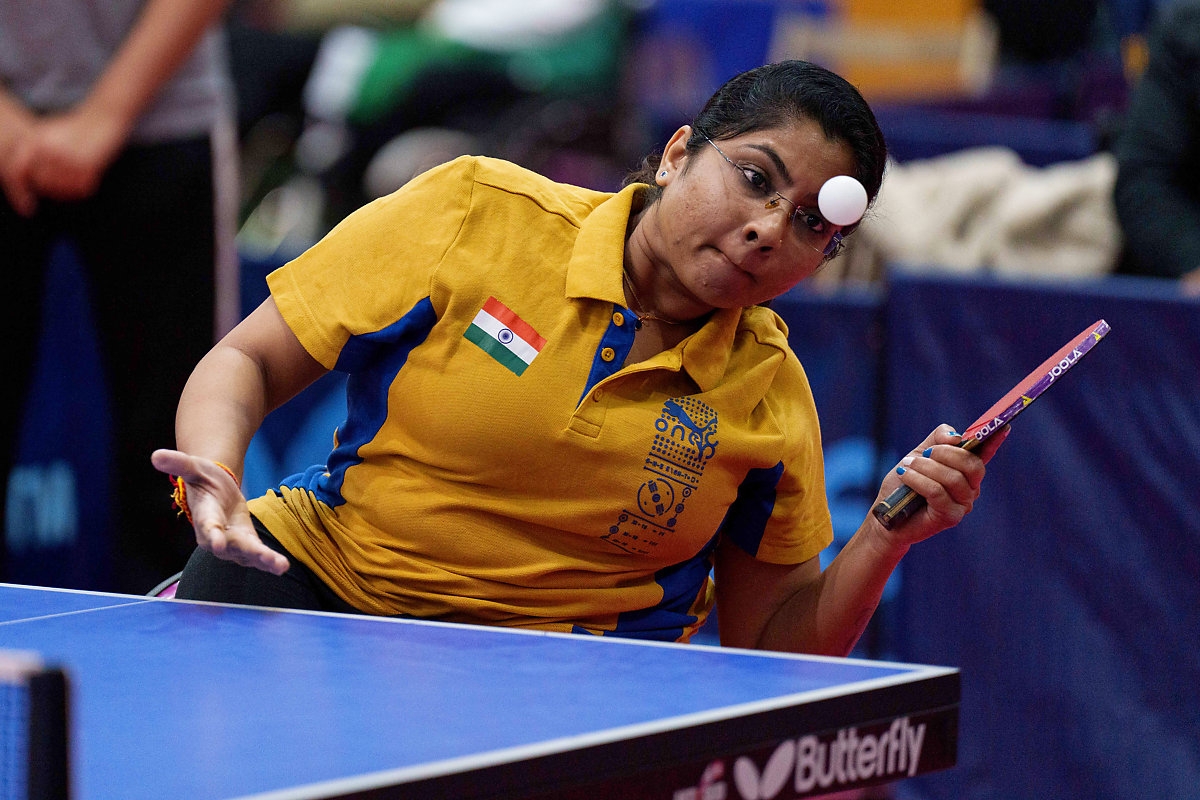
She began to train seriously. Under her coach’s watchful eye, in the creaky halls of BPA, she worked on grip, spin and anticipation. She learned how to read the game, how to hold her nerve in tense moments, and how to stay present.
Most importantly, she learned to believe. To believe that her wheelchair did not dictate the boundaries of her life—she did.
In 2007, after three years of intense training, she made her mark by winning her first national title at the Para Table Tennis Nationals in Bangalore. That medal was more than a victory; it was the beginning of a historic journey.
In 2007, after three years of intense training, she made her mark by winning her first national title at the Para Table Tennis Nationals in Bangalore. That medal was more than a victory; it was the beginning of a historic journey. The girl once labelled a burden was now a national champion.
From there, her world began to widen. Local tournaments turned into national ones; national meets into international events. In 2011, at the PTT Thailand Table Tennis Championship, she won silver and reached world rank number two. That moment changed her. She no longer saw herself as “the girl with polio”. She had become “the paddler”.
The grind: sacrifice, doubts, persistence
But success did not erase struggle.
Every training session meant long commutes—two buses, shared autos, and the last mile wheeled independently through Ahmedabad’s chaotic streets. Money was tight. Equipment was expensive. A good paddle or wheelchair felt like an indulgence. People murmured that sport could not lead anywhere. Some dismissed her ambition; others simply pitied her.
Yet Bhavina persisted. Her resilience, shaped by years of being underestimated, became her anchor. She accepted that her journey would not be easy; it would be full of triumphs and heartbreaks, breakthroughs and setbacks.
She began travelling to international tournaments in Jordan, Thailand and the Asian Championships. Not every trip brought medals, but every match became an important chapter in her journey.
In 2013, she won silver at the Asian Para Table Tennis Championships in Beijing (Women’s Singles, Class 4), cementing her rising stature globally.
She learned more about patience, tactical clarity and emotional discipline. In 2013, she won silver at the Asian Para Table Tennis Championships in Beijing (Women’s Singles, Class 4), cementing her rising stature globally.
Meanwhile, she did not stop studying. She completed her ITI course at BPA and pursued higher education through a correspondence course at Gujarat University, balancing academics with elite sport.
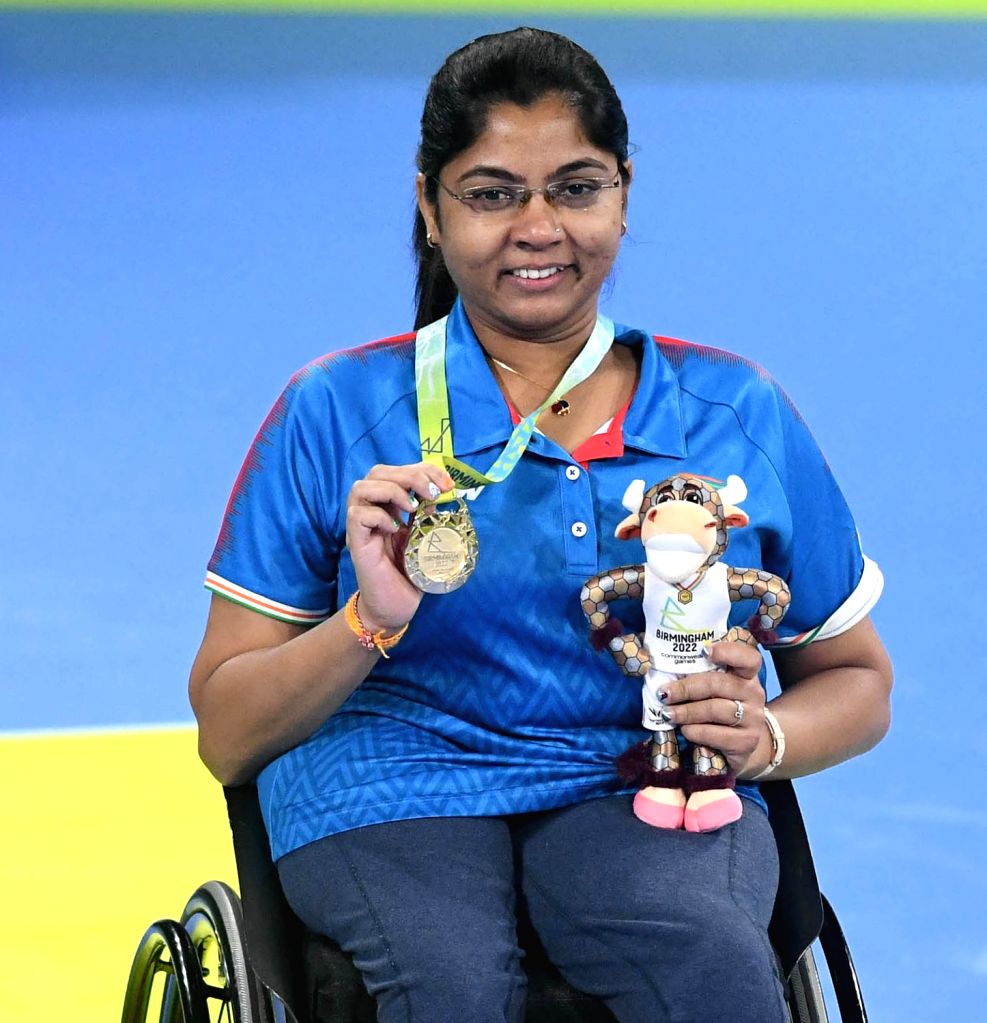
Years later, after winning the Commonwealth Games gold medal, she articulated this philosophy perfectly: “It is about not giving up. You need to believe that you always have a chance. That’s what the years of hard work have taught me.”
Of course, there were nights when doubt crept in—quiet, unnerving and familiar. But she would think of that village girl, the one labelled a “burden”, who had not given up on herself when others had—and who had carved this path.
Years later, after winning the Commonwealth Games gold medal, she articulated this philosophy perfectly: “It is about not giving up. You need to believe that you always have a chance. That’s what the years of hard work have taught me.”
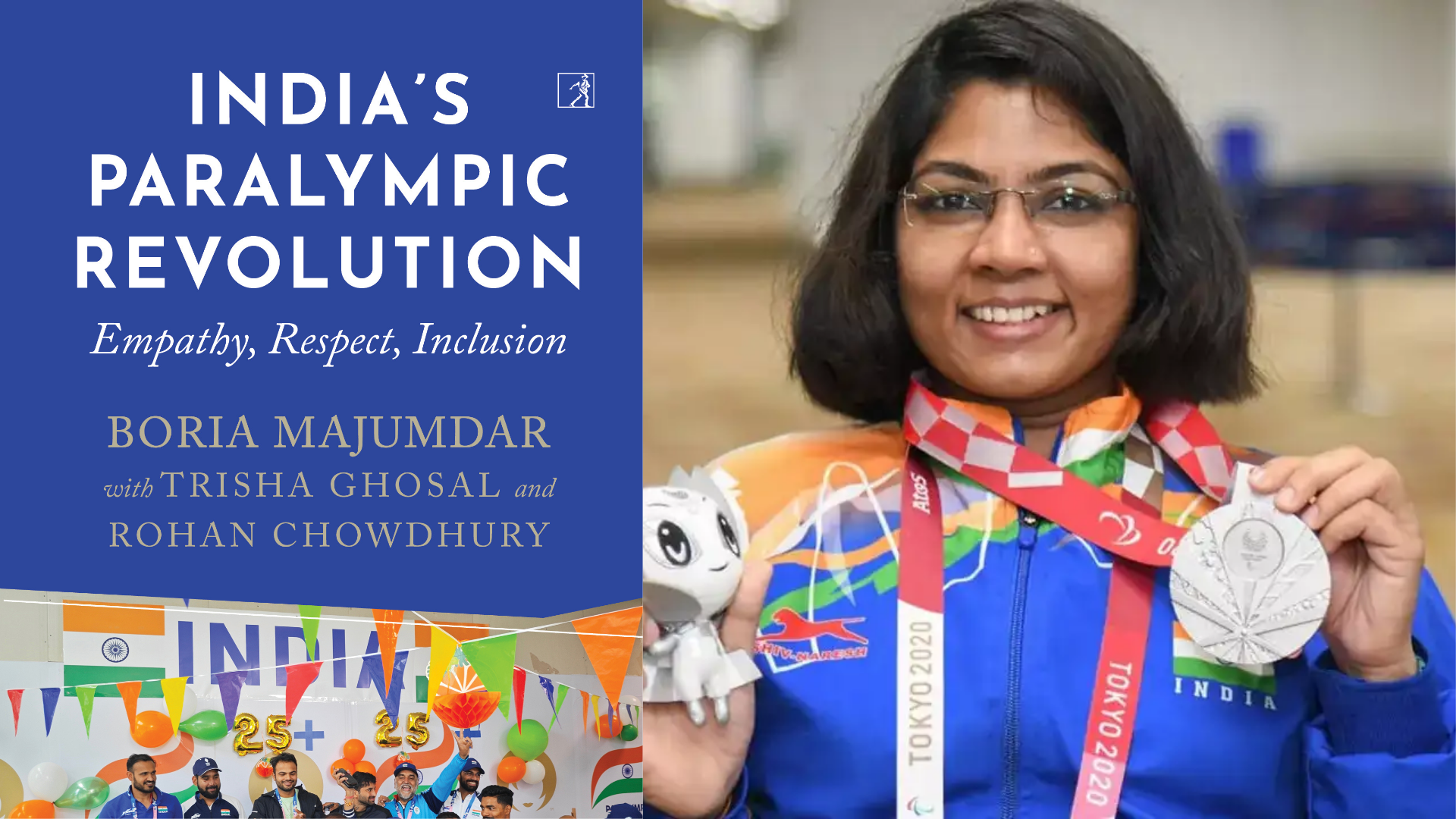
Excerpted with permission from ‘India’s Paralympic Revolution: Empathy, Respect and Inclusion’, by Boria Majumdar, Trisha Ghosal, and Soumyajit Das Chowdhury, Simon & Schuster.
About the author(s)

Feminism In India is an award-winning digital intersectional feminist media organisation to learn, educate and develop a feminist sensibility and unravel the F-word among the youth in India.