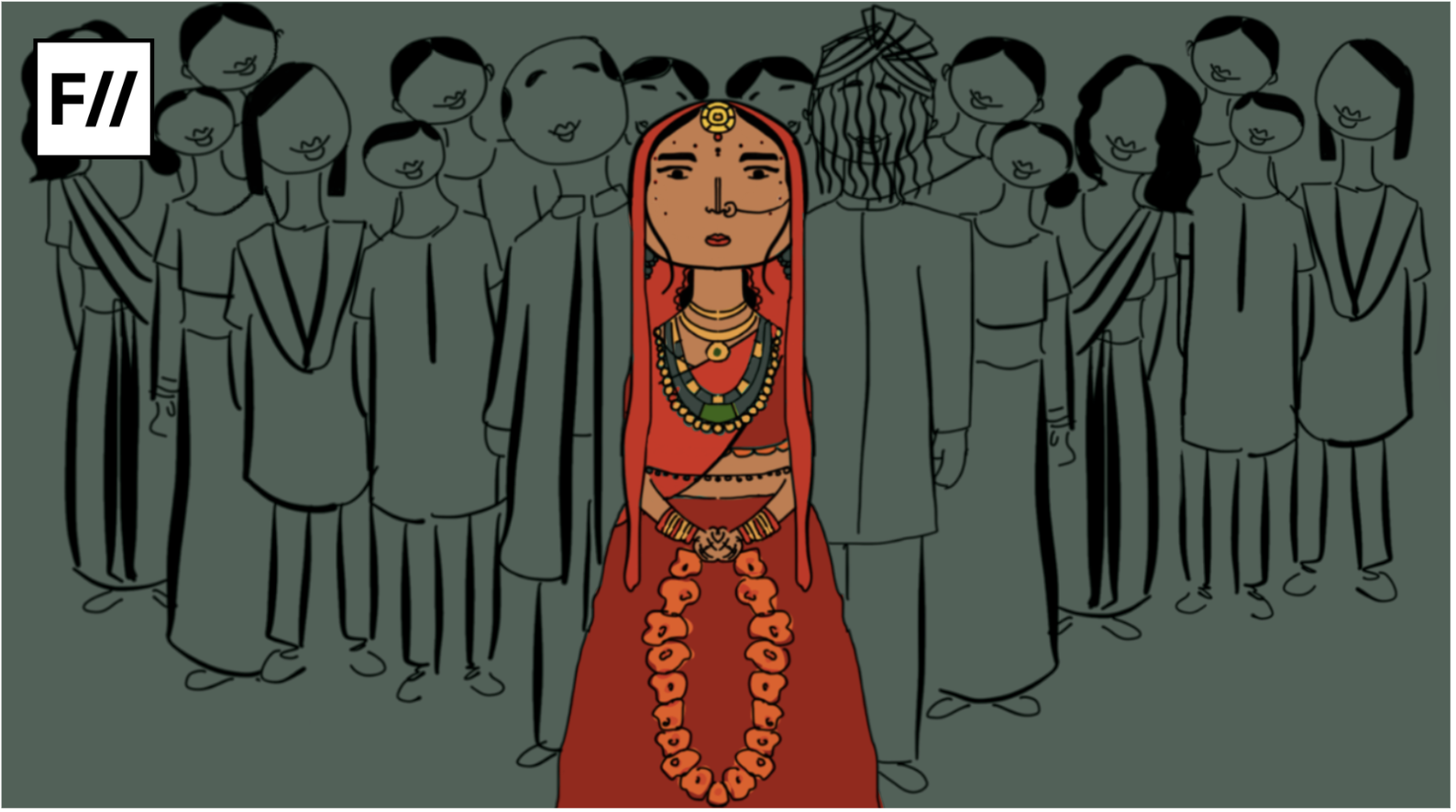
Despite the constitutional rights that guarantee equality and the decades of anti-discrimination legislation, caste remains a crucial factor that decides access to education, civil space, dignity, whom one can marry or love, what one practises as a religion and even in death when it comes to India. The wave of strong anti-caste movements and events that the country experienced in 2025 forced it to deal with its daily systems of exclusion. Resistance erupted on a wide spectrum of social locations, from student-coordinated demands of legal reform to community demonstrations of roads, temples, burial locations, and honour killings.
This list brings together eight anti-caste movements and anti-caste personalities who have become headlines in 2025, proving that caste oppression still exists and how a mass movement is altering and challenging the issue.
1. Demand for a law against caste prejudice in colleges
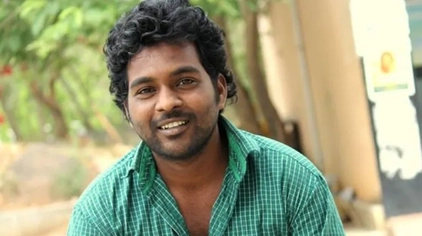
Activists, students, and civil society groups gathered in Bengaluru to demand the enactment of the “Rohith Act”, a proposed law specifically addressing caste discrimination in the higher educational institutions, with an aim of eradicating caste discrimination on campuses. The need has been informed by the caste-based discrimination that resulted in the death of Rohith Vemula in 2016. Dalit and Bahujan students are still socially isolated, academically prejudiced, and mentally strained. Their desire is for greater accountability than what the existing SC/ST laws provide and to ensure that learning spaces are inclusive and comfortable for all.
2. Ambedkarite talks cancelled on campus
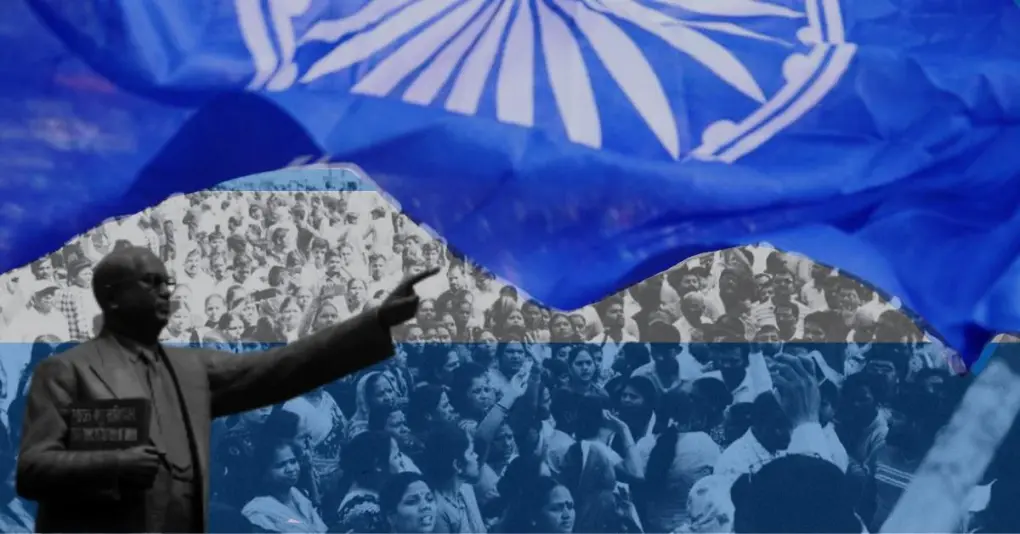
The cancellation of Ambedkarite anti-caste talks at IISER, Pune, sparked widespread criticism when the institute called off the events following objections raised by a student organisation, citing procedural and administrative concerns. But the students, faculty members, and anti-caste activists viewed the move as an act of censorship and an attempt to silence Ambedkarite thought and discussions on caste discrimination in academia. The incident reignited national conversations around academic freedom, institutional casteism, and the shrinking space for anti-caste discourse within elite higher-education institutions in India.
3. Tamil Nadu Dalit families protest against segregated roads
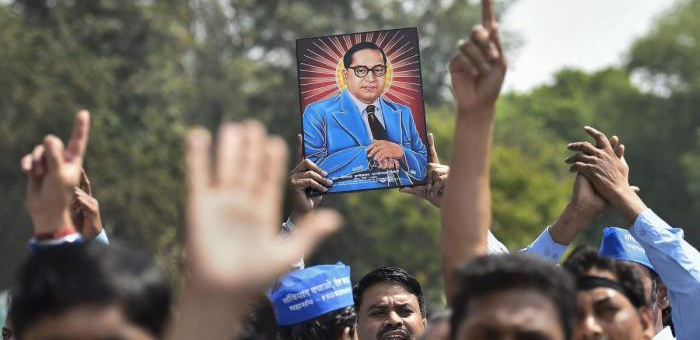
In Tiruvannamalai, some 200 Dalit families were in a protest against a new road that had distanced them from the principal public road used by the mainstream castes. They claimed that the road was an intention to divide them in the name of development. They required equal access to the social areas instead of being marginalised. The problem demonstrated the continuation of discrimination by space, planning, and daily mobility, and the presence of dignity and access with a caste mark even nowadays.
4. Dalit groups struggle to be dignified with burials
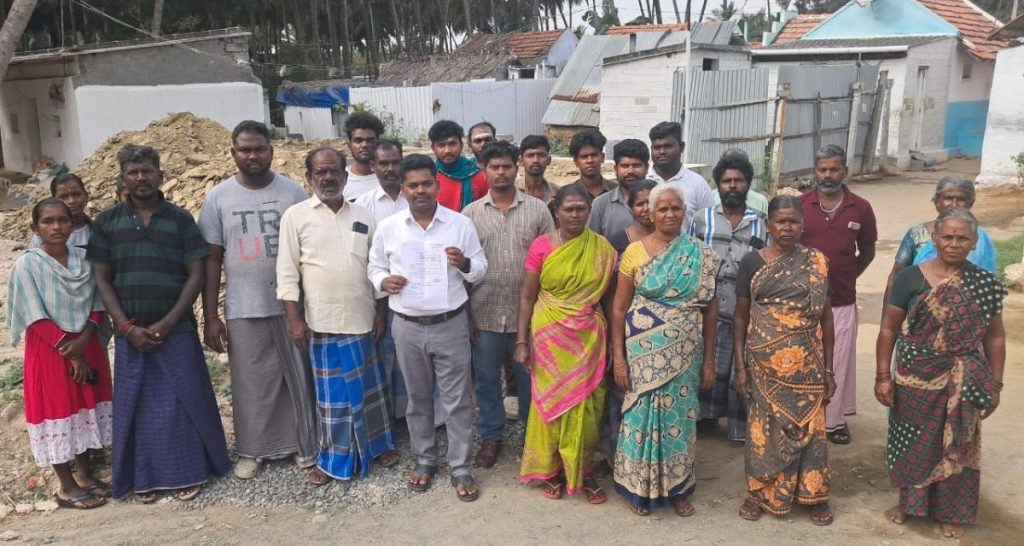
Dalit communities in some sections of Tamil Nadu protested that they were denied the right to common burial and cremation sites in 2025. They had to walk miles to bury their loved ones or bury them in different and segregated areas. The members of the community went on hunger strikes and filed legal petitions claiming they have been discriminated against since they were born and even after death. According to activists, denial of burial space is one of the greatest forms of caste violence.
5. Temple entry still denied in 2025, High Court denounces discrimination
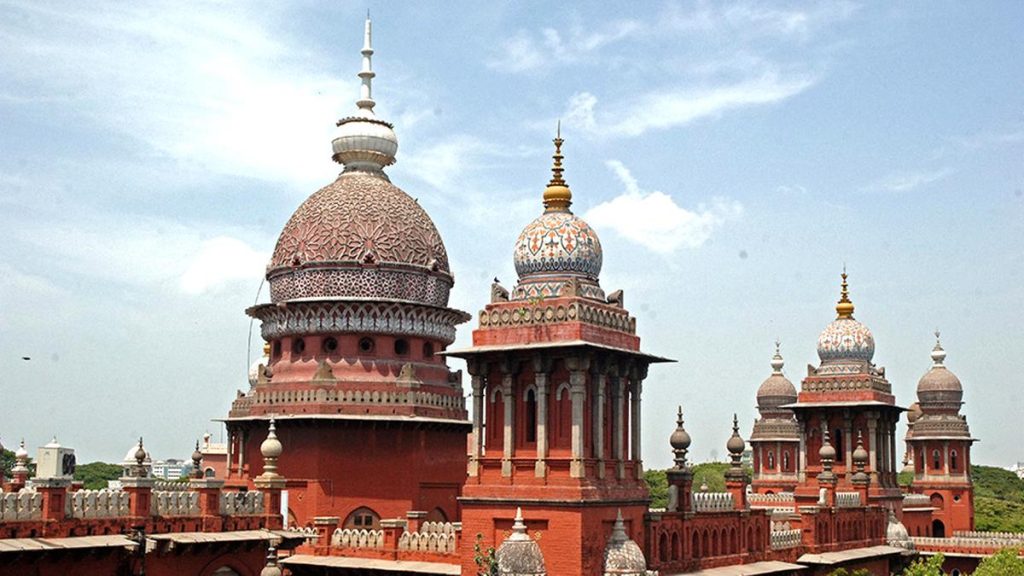
In May 2025, the Madras High Court denounced the rejection of entry to Dalits into the temple in Pudukkottai, Tamil Nadu. Dalits had not been allowed in a Mariamman temple by their dominant castes. The court was reminding them of the fact that all religious spaces are publicly under the Constitution. Local protests erupted and the incident raised awareness about how caste exclusion is practised in ordinary worship, even decades after gaining independence.
6. Anil Kumar moves the caste census back into the limelight
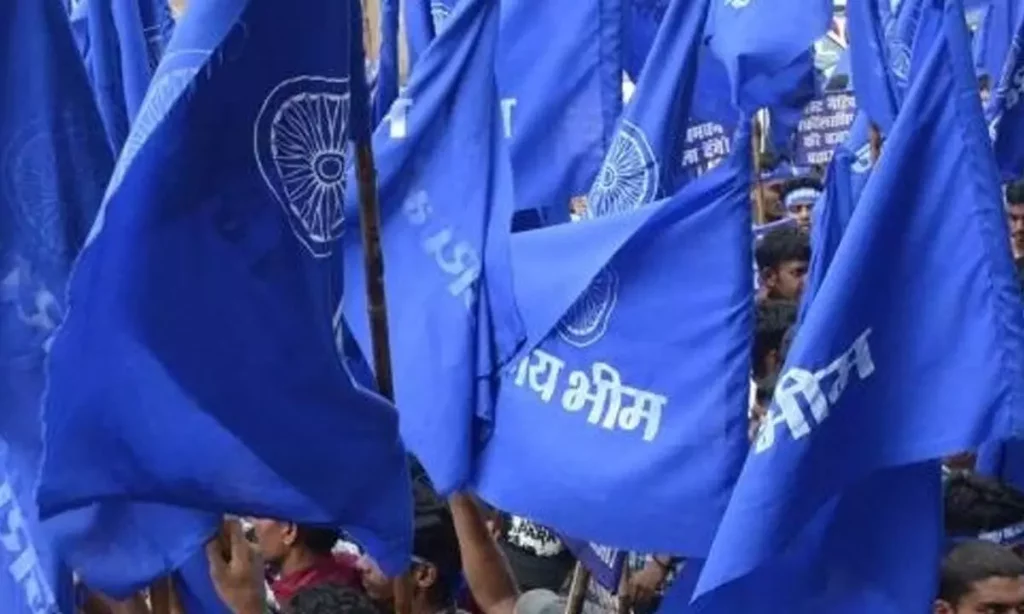
A young Bhim Army leader (also an Azad Samaj Party leader), Anil Kumar, of Rajasthan became a powerful personality in the caste census and Dalit rights in 2025. He organized demonstrations in Jaipur, submitted memoranda to the government and talked about day-to-day caste violence with concerns like water supply, land rights, and dignity. His leadership demonstrated the emergence of a new generation of Dalit politics: a fearless, well-organised, and unaffected one. His work brought the caste and justice debate back into existence.
7. The killing of Thamaraiselvan creates anti-caste fury
The assassination of a young Dalit man, B. Thamaraiselvan, in Tamil Nadu turned out to be one of the key events of the 2025 anti-caste movement. On 10 November, Thamaraiselvan, a supervisor of a real estate site, was shot down by an armed gang in front of a special sub-inspector and his family at their home. It was immediately perceived by activists as a crime that was caste-based. Demonstrations compelled the police to use the SC/ST Atrocities Act. His assassination demonstrated the way in which the daily disputes can swiftly escalate into the caste killing. The case was turned into the call to increase the anti-atrocity laws.
8. The effect of inter-caste love revealed by Kavin’s honour killing
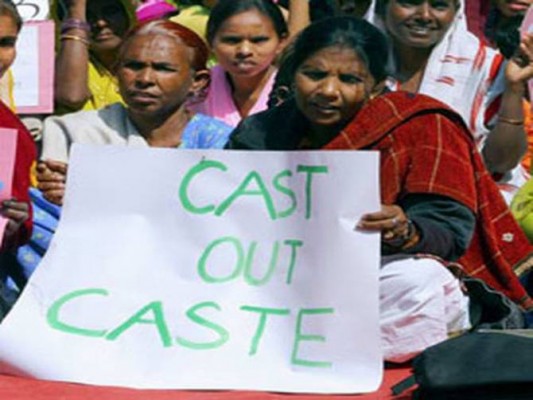
In 2025, Tamil Nadu was stunned by the killing of Kavin in an alleged honour killing. Kavin had been in an inter-caste relationship and his murder showed the degree to which caste regulations remain inflexible and violent as far as love and marriage are concerned. Demonstrations were taking place throughout the state that the accused should be punished. The story of Kavin turned into an image of how following love without caste differences may make young people lose their lives even now.
Collectively, these scenes in 2025 indicate a very sinister fact: that caste discrimination is not an issue of the past but is a working organism that dictates institutions, infrastructure, religion, family, and state authority. At the same time, these struggles are a form of resistance. In the pressure to have a Rohith Act, burial and access to roads demonstrations, temple exclusion opposition, or murder and honour killing agitations, anti-caste assertion is becoming more visible, organised, and aware of politics.
Social justice cannot be delivered by laws only, as we are being reminded by these movements, but it is attained by means of the courage of the masses, their collective memory, and mass resistance.
This is by no means an exhaustive or representative list. Suggestions to add to this listicle are welcome in the comments section.
About the author(s)

Dharanesh Ramesh is a native of Coimbatore and a postgraduate student of Gender and Development Studies at the Tata Institute of Social Sciences, Hyderabad. Rooted in the belief that stories shape structures, his study and work explore the intersections of gender, caste, and public policy through an intersectional feminist lens. He is particularly drawn to understanding how power, privilege, and policy weave together to define inclusion and equity in everyday life. Inquisitive by nature, Dharanesh often turns to drawing, painting, photography, and writing as extensions of his reflective practice. His work seeks to bridge thought and experience, analysis and art, in the pursuit of justice and representation.