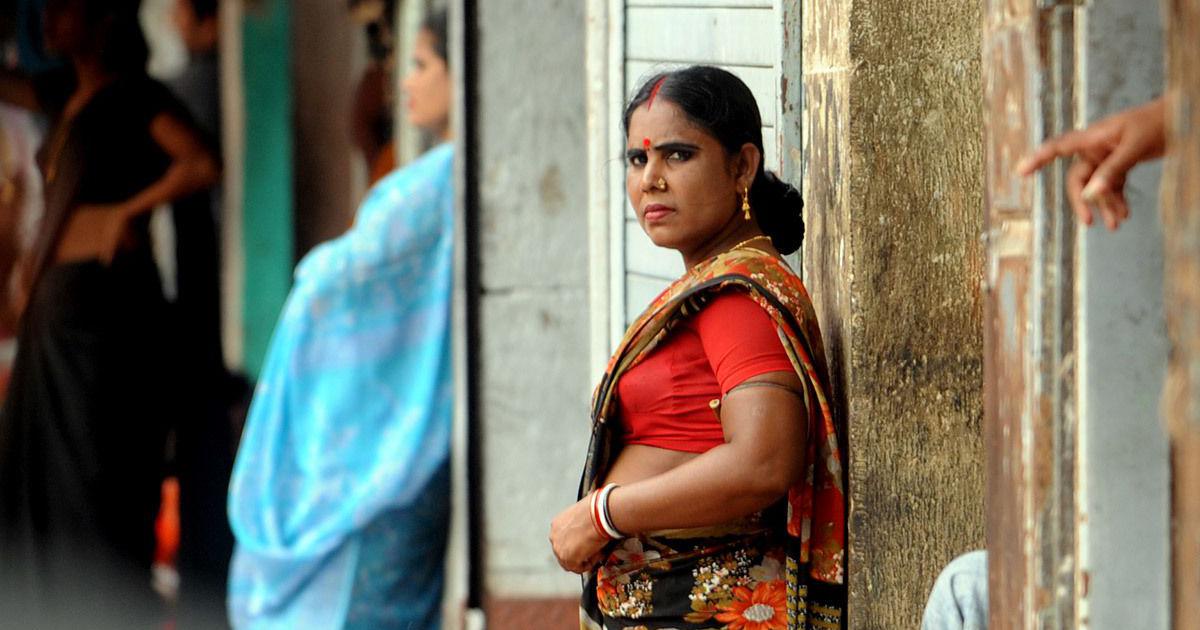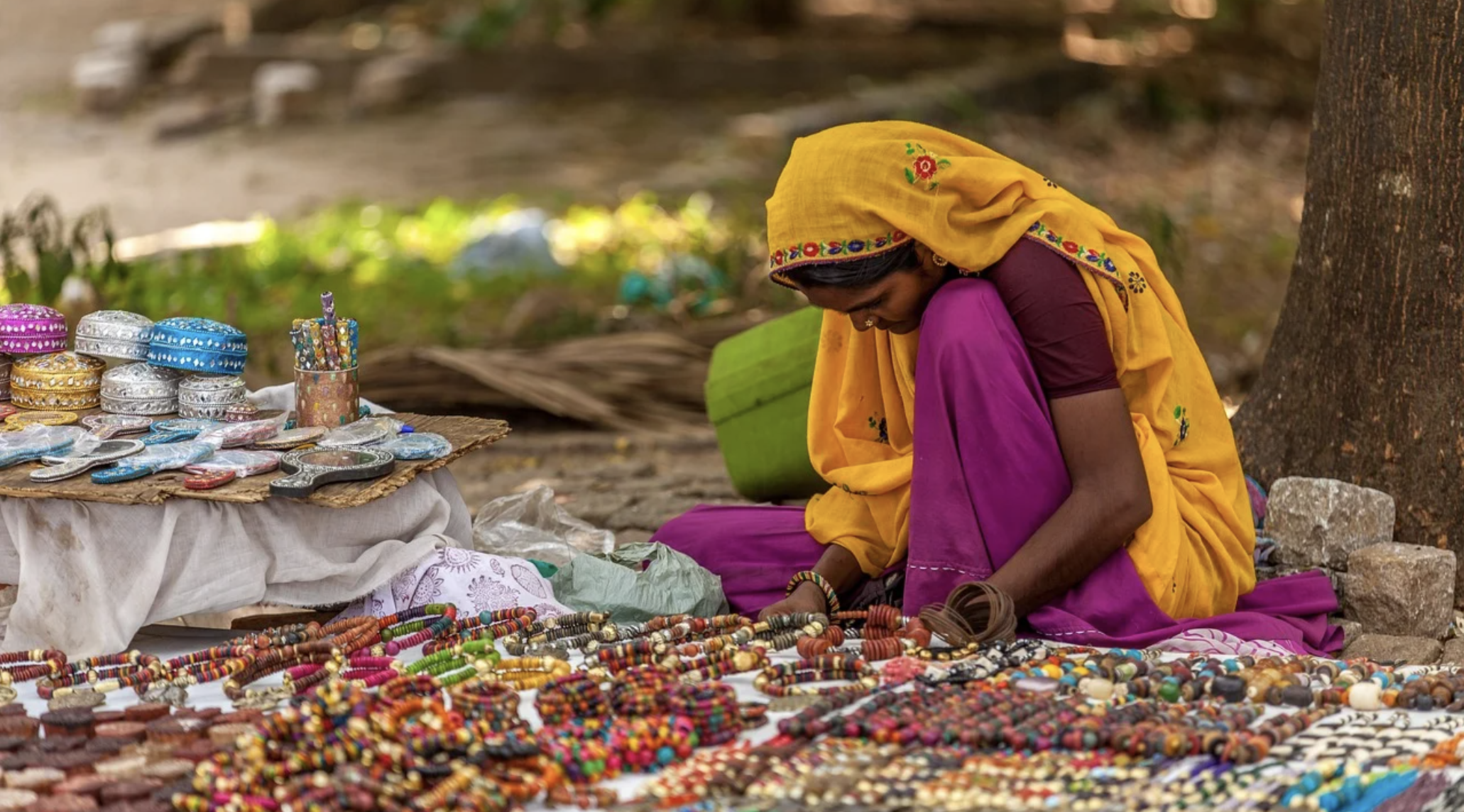
On the first day of 2026, as the news flashed pictures of Zohran Mamdani taking oath as New York City’s new mayor, we were caught with the usual flashing cameras, the jubilant headlines, and the sense of witnessing historic change in the United States. But for many of us from Northeast India, another detail stood out quietly: the tie around his neck. Woven from Assamese eri silk, it shimmered in the light – a thread of Indigenous women’s labour stitched into a new chapter of global political imagery.
Delhi-based designer Kartik Kumra has already been celebrated across hundreds of media outlets for designing that eye-catching tie. But few paused to ask: who wove the threads of that very fabric that made this moment possible? And in which circumstances? Behind that fragment of cloth lies the painstaking artistry of Indigenous women from the northeastern state of Assam, who tend to the small, living ecosystem of eri silk production, which is rooted in an ecology of patience, care, and intergenerational memory.
The slow craft of ‘peace silk’
Assam accounts for 65% of India’s eri silk production, amounting to 5,420 tonnes of raw silk each year. Eri is often called “peace silk” or ‘Ahimsa silk’ because, unlike other varieties, the silkworm is not killed during the process. Weavers wait for the silkworm to complete its life cycle from egg to an adult moth before harvesting the cocoon. This practice reflects Indigenous ecological ethics, which calls for production that honours life rather than extracting it.
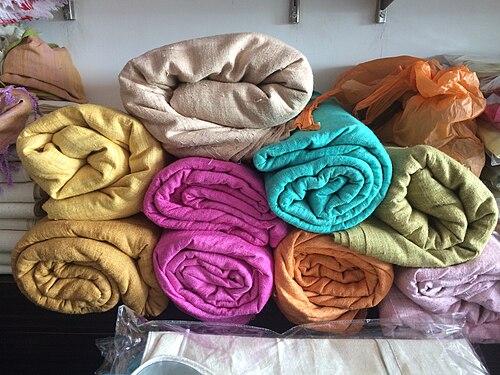
The process of producing eri sericulture is slow, deliberate, and intimate. Because we wait for the moth to naturally emerge from its cocoon, the fibres are shorter than other varieties of silk, which is why it demands for sower and more intentional care. Therefore, in many households, women still hand-spin the fibre. Instead of forcing the fibre into an industrial standard that might waste or discard its unique texture, the women weavers tend to the irregularities of the fibre in real time. Fingers pull and draft the fibre in small, steady motions, then twist it using a spindle or a simple hand‑cranked charkha, building the yarn layer by layer rather than reeling it off in one continuous, factory‑smooth filament.
These techniques are instilled in the muscle memory of the indigenous weavers – a labour of touch and rhythm that has passed over generations to daughters shared through perceiving, practising, and perfecting alongside their mothers, aunts and grandmothers – lessons unfound in manuals. They know by feel when the yarn is ready for dyeing, when to soften it with natural sericin, and how to produce the creamy texture that makes eri distinct. Each scarf, shawl, or tie begins in the courtyard under the winter sun, where women gather, stretch, and test threads on spinning wheels worn smooth by their hands.
Many of us from Northeast India, another detail stood out quietly: the tie around his neck. Woven from Assamese eri silk, it shimmered in the light – a thread of Indigenous women’s labour stitched into a new chapter of global political imagery.
Sualkuchi alone has 6,872 female weavers, most working from home-based or cluster settings. For many, this is both livelihood and legacy — but one rarely acknowledged beyond the local cooperative. Only 8% of the silk produced in India today is eri, owing to this slower, more ethical method. In the language of global sustainability, this means a low-carbon, low-waste, high-dignity fabric. In the language of Indigenous women, it simply means, “We don’t harm what feeds us.”
The unseen authors of political art
Mamdani’s tie has already been read as a statement – one of South Asian representation, sustainability, and anti-imperial ethics. But if we read between the threads, the deeper authorship is feminine and Indigenous. It is these women who wrote the textures of “peace” into the cloth, who created the very material that allows a politician to make a silent statement on ethical identity and for the media to make millions out of.
In a global economy where men dominate design labels and political symbols, women’s artistry – and at that, indigenous women’s artistry – is often anonymised, reduced to craft, not art; to tradition, not intellect; to a position of being passive artisans, not active meaning-makers. The viral image of Mamdani in eri silk reinforces this paradox: the designer and politician are named; the women weavers are not. Yet, every thread on that tie carries signs of their feminist authorship – a labour that embodies resistance to extraction, ecological violence, and capitalist haste.
Textile historian scholars have long argued that folk art and women’s domestic labour constitute political art. The weaving of eri, for instance, does not just produce fabric; it produces meaning. It tells stories of reciprocity between land and labour, moth and woman, thread and time. In that sense, the eri tie becomes both a political symbol and a feminist archive: proof that Indigenous women’s work continues to shape how power looks, often without ever being seen beside it, much rather acknowledged for it beyond the pages of research papers.
Feminism, ecology, and recognition
To acknowledge Indigenous eri weavers is not just to correct a footnote in history; it is to expand how we define representation itself. ‘Ethical fashion’ and ‘political aesthetics’ have become buzzwords in media, yet they often erase the very women who sustain their ethics. Their work is slower because it listens to land; it is sustainable because it refuses violence in any shape or form.
As global demand for “ethical fabrics” grows, these indigenous women weavers face precarious wages and exploitative intermediaries who profit from the vocabulary of “conscious fashion.” The feminist task, then, is to recentre their agency, to treat their artistry as authorship and their processes as philosophy.
As global demand for “ethical fabrics” grows, these indigenous women weavers face precarious wages and exploitative intermediaries who profit from the vocabulary of “conscious fashion.” The feminist task, then, is to recentre their agency, to treat their artistry as authorship and their processes as philosophy.
So when we see a public figure like Mamdani take an oath in “peace silk,” let us remember that the threads of that symbol were spun in courtyards where women wait for moths to live. They have always been weaving a politics of care long before power learned to wear it. So, it is our duty to not only acknowledge but also empower our very own Indigenous women weavers from Northeast India who have brought accolades to the consciousness of the new mayor of New York City and call – nay, demand – for better wages, fairer value chains, and naming practices that place them not at the margins of ethical fashion, but at the centre as the artists, thinkers and co-authors of the future their fabric is helping us imagine.