Art is not merely for decoration. It consists of histories, identities, struggles and resistance. When talking about India’s visual culture, art has long been shaped by the patriarchal and masculine gaze, whereas queer and women artists craved for such space for expression. The lens through which these women artists were looked at were usually blurred, between tradition and innovation.
It is important to explore how artistic practices, ranging from phulkari embroidery to digital graffiti, act as sites of reclamation. We need to insist that voices which were historically sidelined, should not only be seen, but heard, felt and respected in today’s age.
Phulkari: embroidered voices in threads
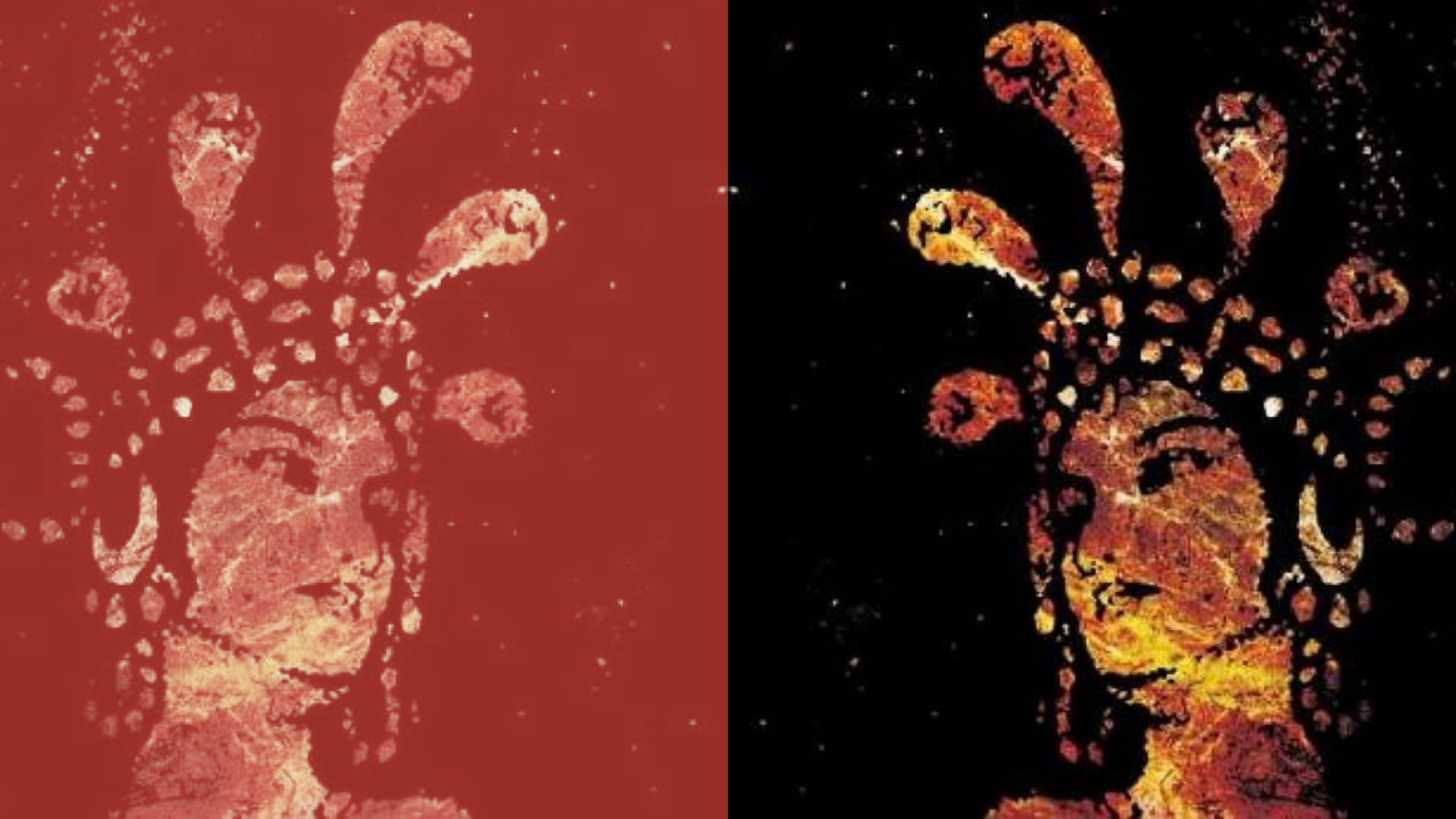
Phulkari means flower work (phul-flower; kari- work). It is a century old embroidery technique traditionally practised by Punjabi women in rural homes. When one looks at a phulkari dupatta, at first, they see geometric patterns and vibrant colours, which can be regarded as a folk craft. But phulkari is much more than that. It can be called a visual language of lived experiences. It houses women whose labour and imagination have long been kept away from formal art history.

Traditionally, Phulkari was made for weddings, births and social rituals. The motifs are not merely decorative, but they document lifecycles, emotional worlds and community aesthetics. This craft is passed down through generations, where women were allowed to inscribe their presence in pieces of clothing. It is the perfect example of transforming mundane textile into cultural testimonies. For a very long time, art historians regarded phulkari as an “exotic craft”, stripping it of its context.
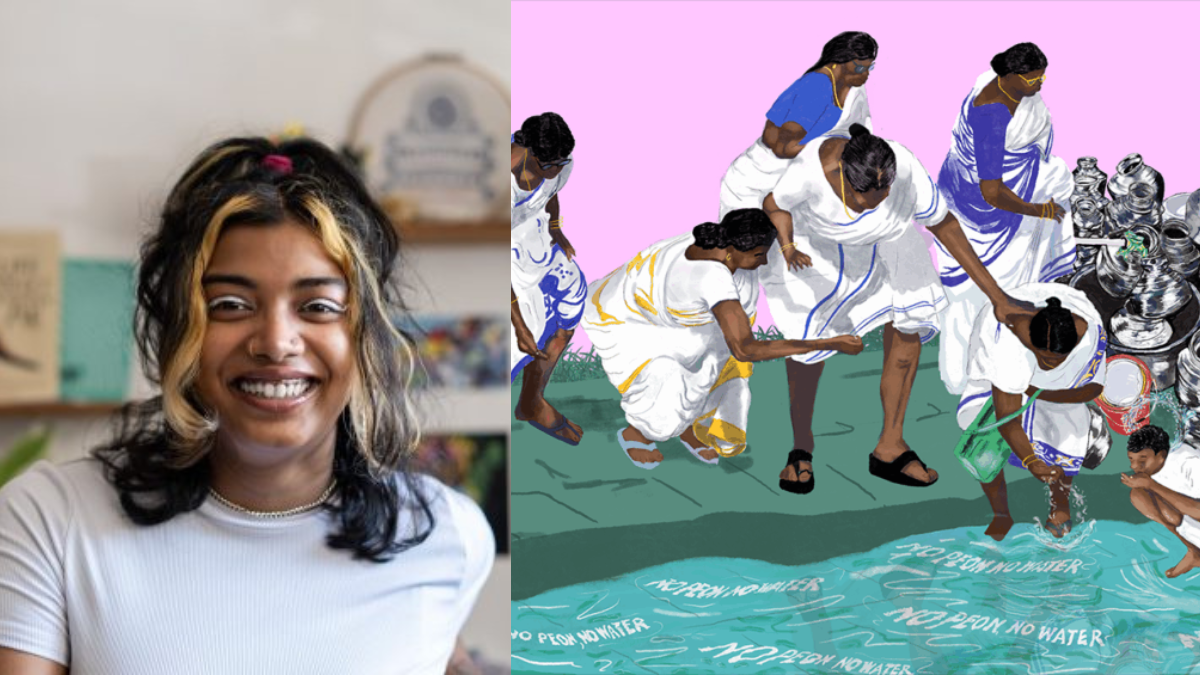
Recently, the world has witnessed new artists who are not diminishing the light of phulkari. They are making sure that this art moves above marginalisation. Feminist theorists foreground phulkari as an art, and not craft. The contemporary artists configure its forms, in new media to interrogate gendered labour, tradition and authorship. In such a way, Phulkari becomes a starting point for challenging hierarchical distinctions that have long denied women’s labour and aims to provide this labour with its rightful cultural validation.
Street art and graffiti
Street art and graffiti have come out as a contemporary social tool for change. This is important for those artists whose voices have been pushed to the margins. Public art is very important, as it changes the face of urban spaces, it transforms blank walls into places for dialogue, protest and community identity.
Public art is very important, as it changes the face of urban spaces, it transforms blank walls into places for dialogue, protest and community identity.
In countries like India, murals by women and queer artists capture themes ranging from body autonomy, to caste justice, to queer pride or ecological concerns. These works boldly declare that art, especially street art, rejects the notion that streets are neutral. Instead, they declare boldly that walls can be a sight for both creativity and dissent.
But public art also makes artists vulnerable to backlash. Recently, in Gwalior, Madhya Pradesh we saw street art being tragically underscored. Murals which were depicting silhouettes of women performing yoga, were crudely defaced. There were scratches on the private parts of the woman’s body, which showcased the perverted mindset and disrespect towards women. We saw a spark on social media against this incident, where captions claimed that ‘women are not safe, even in graffiti‘.
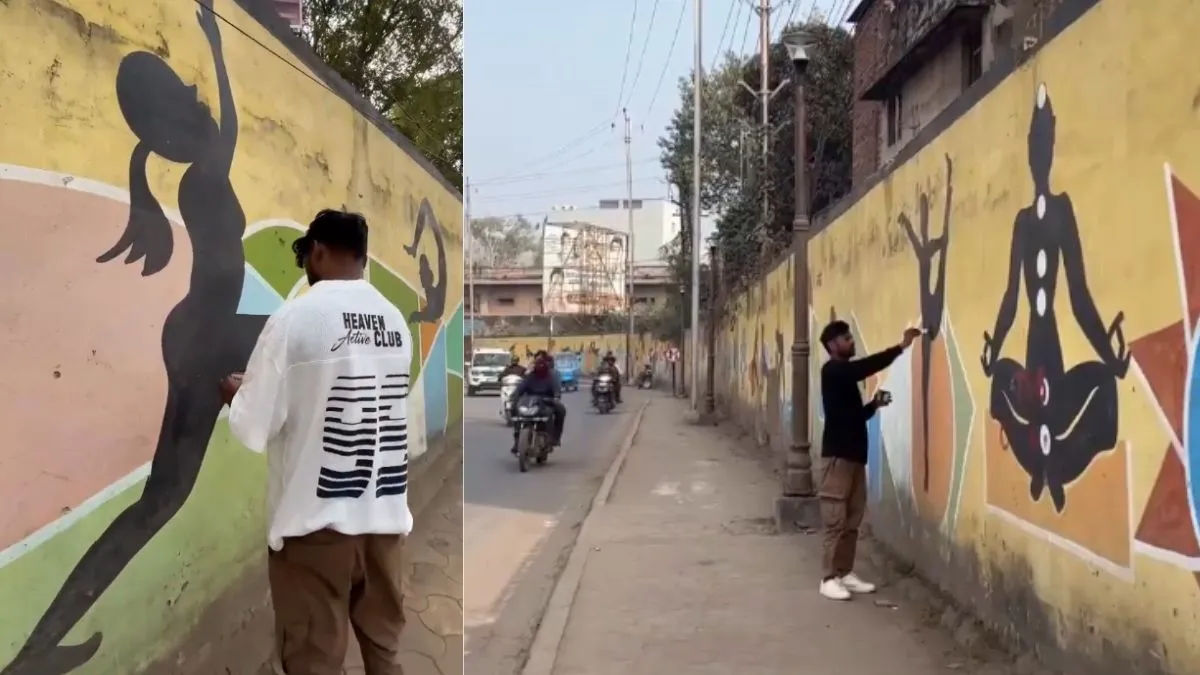
These silhouettes meant for promoting a healthy body were defaced, and it also showed how women are sexualised without consent even on walls. We not only saw online condemnation of it, but also in news where gendered disrespect and women safety were discussed.
This incident raises questions about women and art. Who feels entitled to deface representation of a woman’s body in public? What does such vandalism speak about civic sense? And how can an artist reclaim their art, not just visually, but also from the toxic ideas that persist.
Digital graffiti
Beyond street walls, art on social media has come a long way. Digital realms offer new panoramas for women and queer artists. We live in an era when social media shapes public discourse, and digital art, graffiti. GIFs and animations have become a potential tool for resistance.
We live in an era when social media shapes public discourse, and digital art, graffiti. GIFs and animations have become a potential tool for resistance.
The best part about digital arenas is that it’s open to all, and a person does not need any institutional validation. Hashtags and online presence welcome doors for collaborations, and features. During the Covid-19 pandemic, when physical gatherings were restricted, social media became a space for cultural renovation. One can argue how algorithms have the tendency to make digital spaces congested, but good art can carve its space in the digital arena. For such artists, digital spaces can be affirmative, and rewarding.
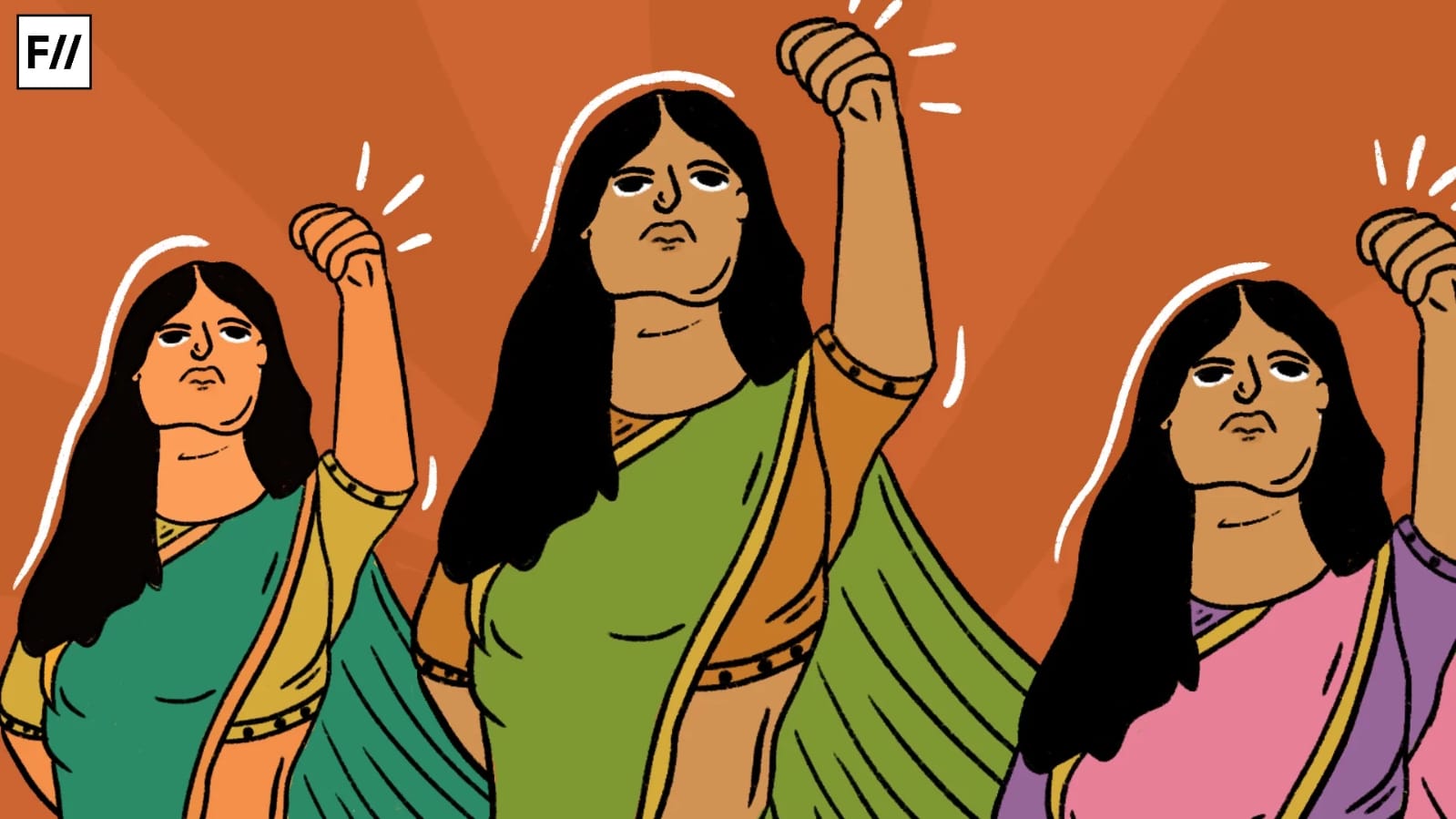
From the delicate threads of phulkari, to VFX on social media, art has been a part of our lives for a very long time. We all can agree how art has been there, is here, and will be there in the future as well. Therefore, one should not diminish the human behind the art, who can be a man, a woman or a queer or non-binary person. We should let their talents speak for themselves and not diminish them on the basis of prejudices. Their artworks confront exclusion, narrate untold stories, and refuse to be confined by normative aesthetics. We should understand that the most crucial feature of art is that it does not exist in a vacuum, but reflects the social values, anxieties and conflicts of the times.
About the author(s)