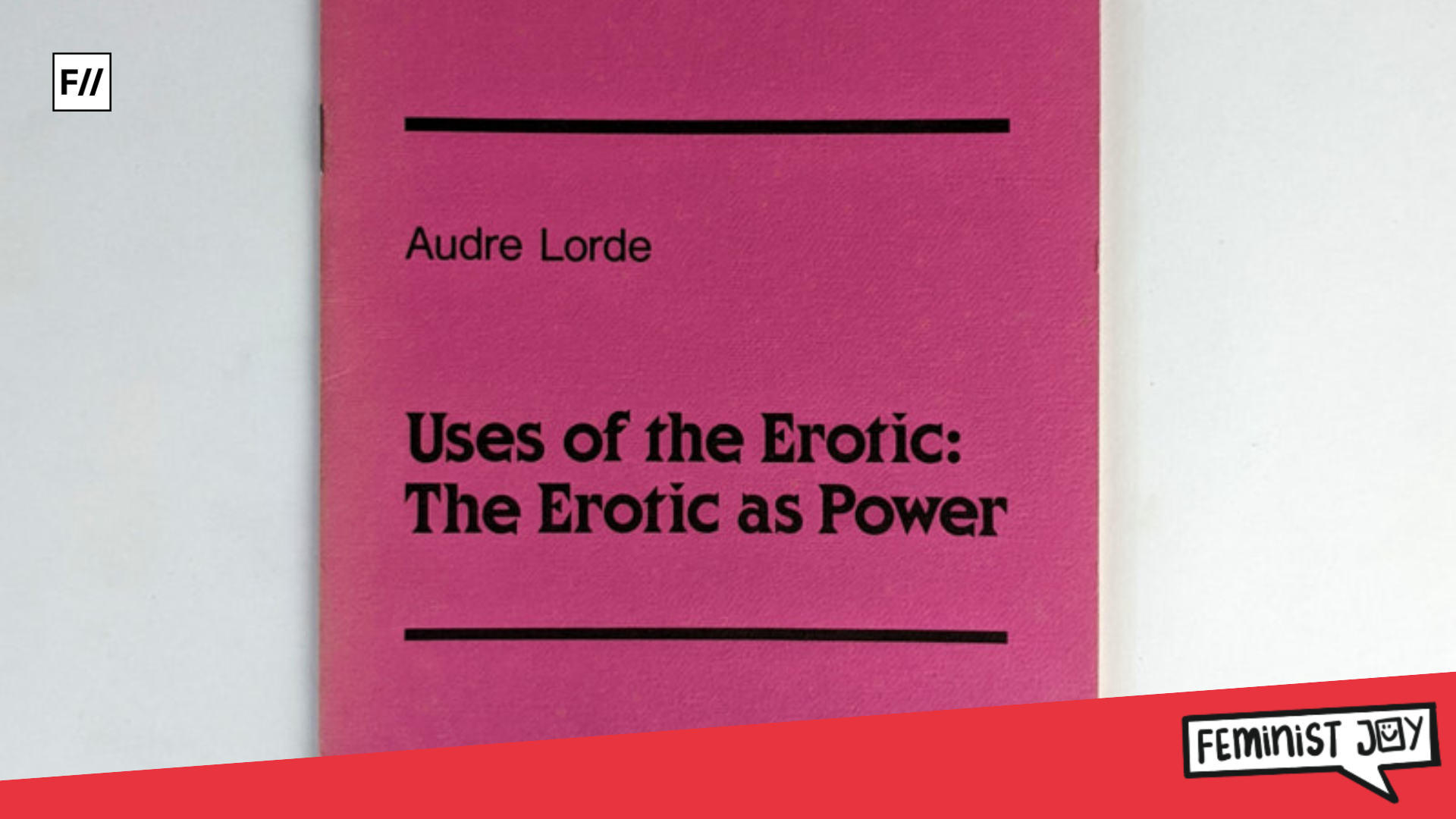
I begin with great reverence for an essay that nourished my senses and introduced me to the infinite possibilities within me. I read Audre Lorde‘s Uses of the Erotic at a time when I was weighed down by concepts of joy, freedom and fulfillment in life. The essay serves as a foundation in understanding the erotic not as a fleeting feeling belonging only to designated moments but as a tool through which we experience the world. I understood that the erotic was an everpresent state that could be felt in all aspects of life and not merely within the confines of sexuality. This, albeit having occurred in many moments, only reached my consciousness when I read Lorde’s essay.
To derive power from the erotic, ‘a resource within each of us that lies in a deeply female and spiritual plane‘ as Lorde explains it, was a contemptible idea within societies operating under the male model of power. This understanding of the erotic to be as much about female liberation as it is about sexuality marked the beginning of a paradigm shift, a sort of an awakening in me which led me to view concepts such as happiness, satisfaction and joy differently.
Women are not taught to understand the erotic as an infinite feeling rather, the erotic is attributed to a vulgar state of indulgence, only relating to the body and very little to the mind. However, the erotic is above and beyond mere carnal desire. It inclines more towards an intellectual pursuit that women, historically, were barred from.
The Erotic demand as more than sex
To me, incorporating the power of the erotic in practice means living life with a sense of ownership and desire, to seek more and absolve of all self-negation, to not subscribe to notions of sacrifice, exhaustion and exploitative labour, both physical and emotional. Erotic, its source and its power is tied inexplicably to the liberation of women. It is through the continued suppression of the female erotic, that patriarchy has thrived. By suppressing the erotic, women were coerced into accepting exhaustion, emotional numbness, and diminished lives as the norm.
However, a new kind of joy has emerged through the realisation of the erotic as a powerful weapon. It has enabled me to act with self-authority and discern with decisions, powered not by performance but by the innate feeling of joy. Further, this realisation enabled me to reassess and reconfigure the conditions for satisfaction and self-fulfillment. One such condition is courage. Often faced with the question of shrinking or expanding my world, it is courage that has answered the question in the affirmative. To chase and seek more from life as opposed to what is taught or imposed upon me. Lorde in the uses of the Erotic argues that states of being such as resignation, despair, self-effacement and self-denial are not native to us and by being in touch with the erotic is how we become unwilling to accept being thrust into such states.
Lorde in the uses of the Erotic argues that states of being such as resignation, despair, self-effacement and self-denial are not native to us and by being in touch with the erotic is how we become unwilling to accept being thrust into such states.
During times when I have been riddled with the heaviness of everyday life, wherein even subjects of passion become an act of labour, Lorde’s essay comes to my mind. And it is through the existence of such literature and through my own rediscovery of the erotic have I been able to emerge through otherwise troubling times. When finding novelty in an otherwise mundane everyday life was difficult, Uses of the erotic came to my rescue as a reminder of my capacity for feeling.
Being in touch with the erotic and its knowledge has reiterated that joy and satisfaction in life need not hinge on societal predispositions such as marriage, motherhood or religion. Joy, therefore, to me, emerges from within, from the erotic, in everyday acts and choices and continues to replenish itself, privately and also in shared spaces, memories and interactions.
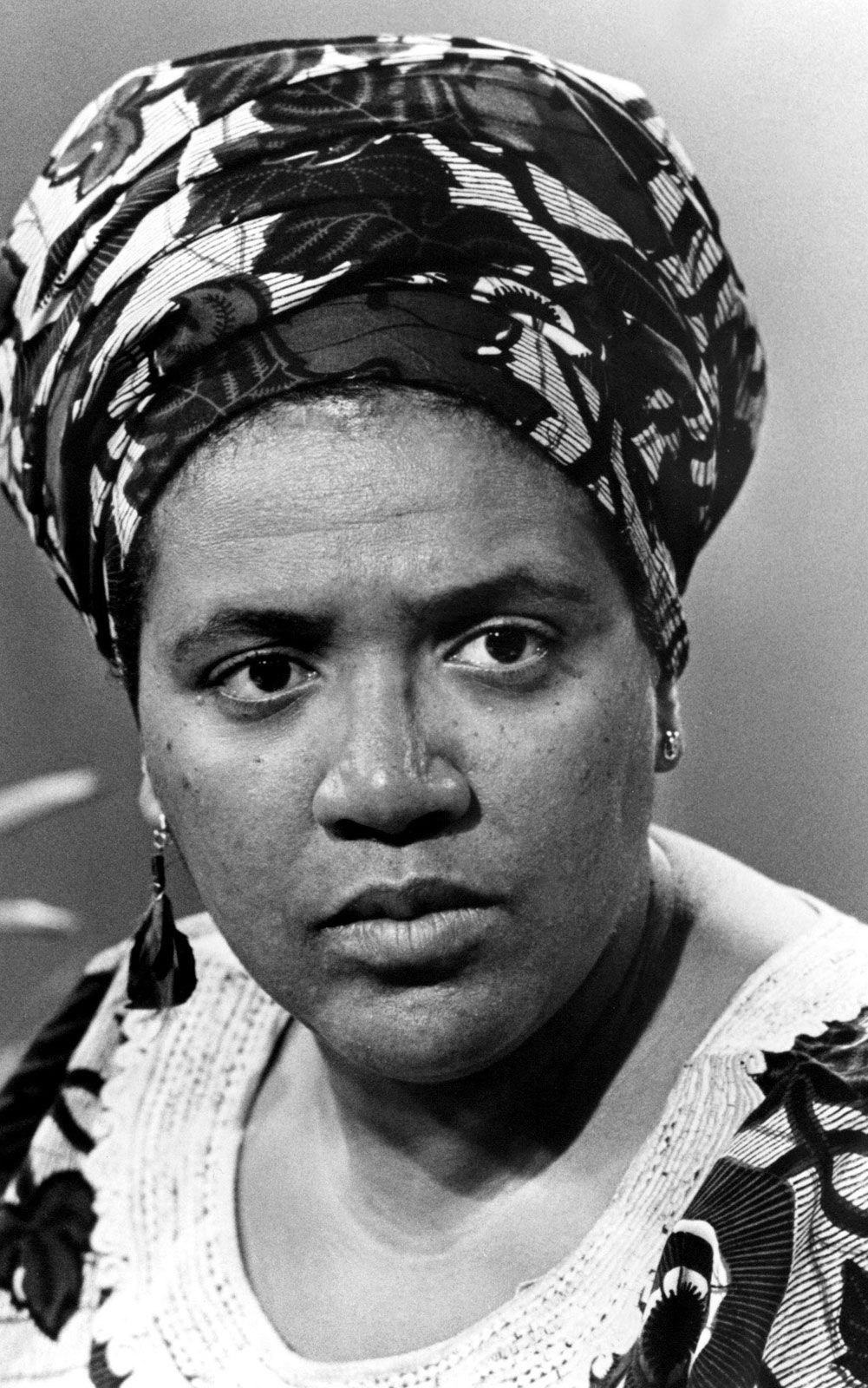
By extension, the practice of living from ‘within outward‘ has allowed me to be responsible for myself entirely and to conduct myself with respect for my own choices and desires.
Revisiting resistance through the Erotic
This understanding of the erotic has reframed the idea of resistance as well. Resistance, to me, once again has come to mean something deeply personal, beginning from within, through one’s innate knowledge of having known joy. It is through knowing what brings me joy that I am able to resist what diminishes me.
It is through being in touch with my erotic that I have been able to access the knowledge that flows from it. Thus, acts against oppression, both private and in the larger sense of the word, do not stem from moral correctness or performance but are created as an extension of myself.
Once I reached this state of consciousness, powered by my own innate erotic, it demanded vitality in all aspects of my being, in thinking, and most importantly, feeling.
Once I reached this state of consciousness, powered by my own innate erotic, it demanded vitality in all aspects of my being, in thinking, and most importantly, feeling. It taught me to create a measure and meaning against which everything else was weighed, such as sentiments, spaces, choices and decisions. It is through the “self” that I arrive at larger truths, that resistance to oppression is invariably a form of self-expression.
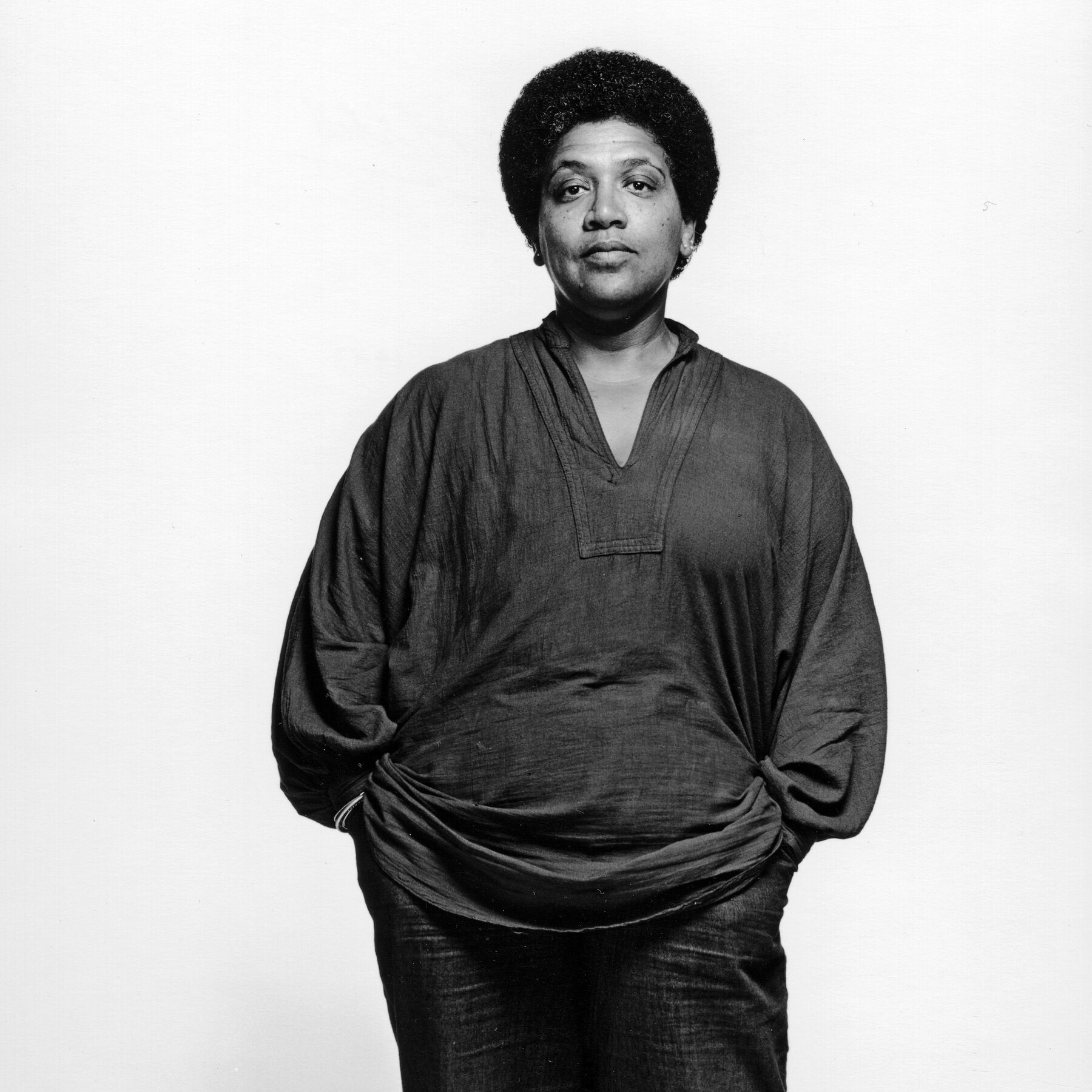
Resistance does not occur because we are being told to do so, it is in fact flowing from the joy that we have known and experienced. It is the inward joy that ripples outward and takes a new form. It is through the erotic, the life force, that my senses and capacity and the ability to love and create flows and renews itself everyday. It is to me, the primal source of power.
About the author(s)

Shreenithi Annadurai is a lawyer based out of India. Her areas of interest include art as political expression and questions of representation and resistance, drawing on rights-based perspectives and feminist media practices.

Comments:
Comments are closed.