As February draws to an end, one is reminded of the long-drawn celebration of love, in all its myriad forms, in the past month, centred around Valentines’ Day. Our cultural conversations around love have always primarily focused on heterosexual couples; we celebrate such pairings as the most legitimate and valid manifestation of the hitherto chimeral affect of love. It seems that the performances of romantic affection and conjugal bliss in relationships, catering to a heteronormative gaze, legitimises love and mandates loud celebration, replete with roses, chocolates and heart eyes.
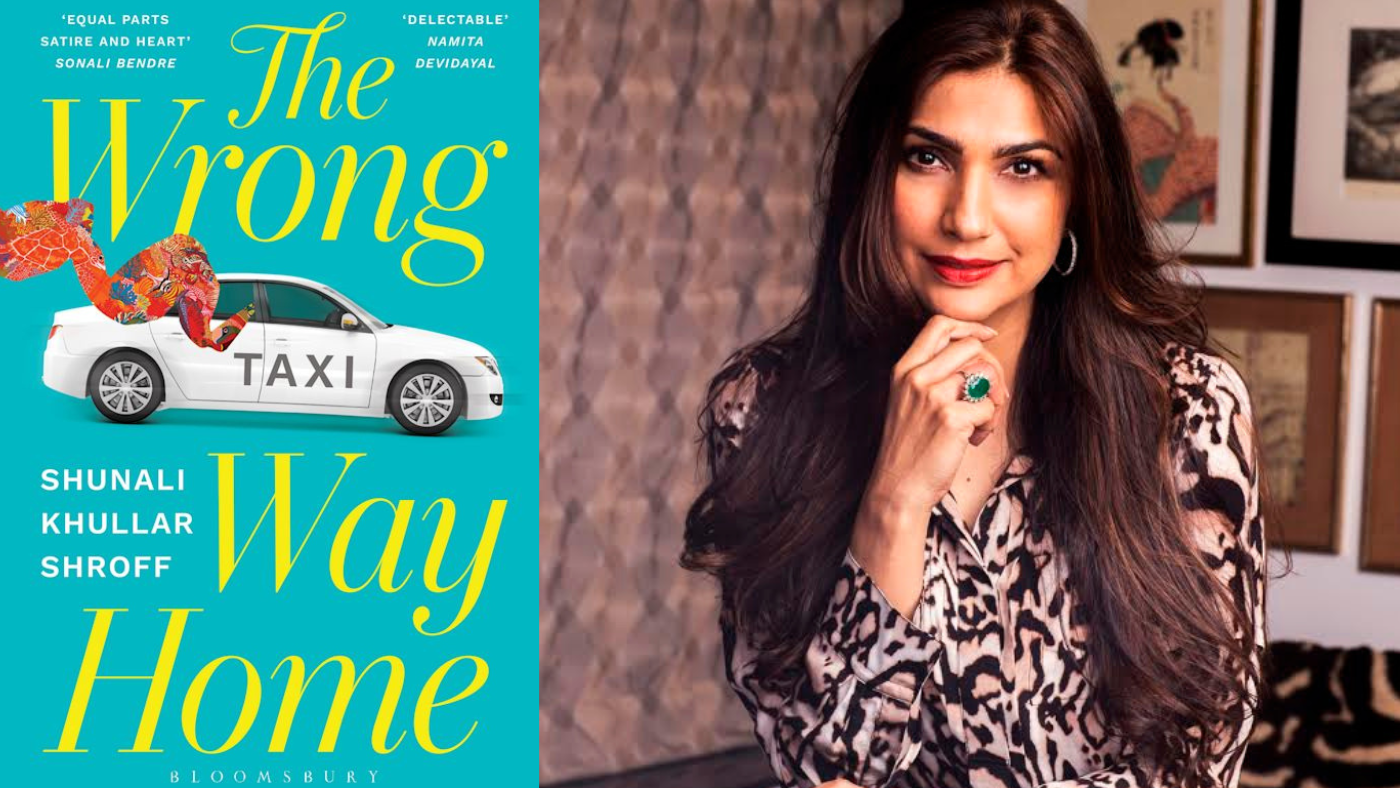
Shunali Khullar Shroff’s The Wrong Way Home, published by Bloomsbury India, comes to readers as a refreshing break from the done-and-dusted tropes of traditional romance novels. Shroff’s most recent book is witty, sensitive and honest. The narrative centres the experiences of the recently divorced Nayantara, a PR professional who deals with heartbreak, social exclusion and insecurities after her marriage with filmmaker Jay Sarabhai fails.
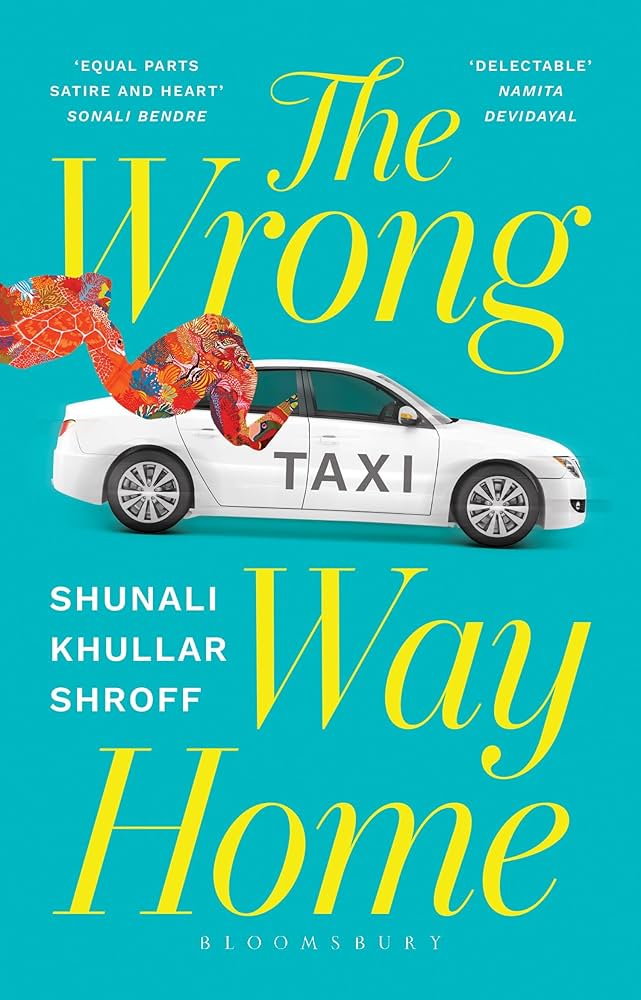
Nayantara is left to pick up the pieces of the past, as her ex-husband shows off his destination wedding with a new, much younger wife, reducing Nayantara to an object of ridicule and pity in Mumbai’s elite social circles. Although we first encounter Nayantara when she is struggling to keep her agency afloat, her time in PR has taught her that image is everything. As she chooses between optics and personal contentment, we see her struggles in the workplace, facing hiccups along the way. At the end, however, Nayantara is a changed woman, undergoing an impressive character arc and finally getting her priorities right.
De-centring men and romantic relationships
The recent Vogue article, the title of which reads: “Is having a boyfriend embarrassing now?” has received mixed reviews from women online. While most women feel that de-centring men and relationships is crucial for women to finally be acknowledged as complete human beings, some critics view the opinion piece as a personal attack. It is undeniable, that despite mixed reception, the article struck a chord (and a nerve) by deprioritising romantic relationships and calling out male centred women who have always sought validation and fulfillment from being coupled.
In Shroff’s book, the protagonist Nayantara’s friends, Anjali and Sagari are perpetual male centred women. Anjali, who derives her sense of self from the fair that she is married to Kabir, with whom she claims she is absolutely ‘in sync‘ with. In fact, Nayantara, who starts off in the narrative as a male centred woman herself, is always jealous of how effortlessly magical Anjali and Kabir make their relationship look. Anjali, who has given up her personality and career to raise children with Kabir, cannot imagine a life beyond him. To her, marriage is the crowning glory of a woman’s life and she tries to reiterate that opinion again and again to her single friend Nayantara, who she seems to be in perpetual competition with.
While Anjali is too blinded by love to look beyond it, Sagari, Nayantara’s socialite friend and PR client, gives far too much importance to optics, to leave a loveless marriage.
While Anjali is too blinded by love to look beyond it, Sagari, Nayantara’s socialite friend and PR client, gives far too much importance to optics to leave a loveless marriage. Coming from humble beginnings, Sagari marries rich and is thrust into Mumbai’s social scene which initially mocks her, but later is ruled by her. Having once been scrutinised by high society, Sagari dreads social ostracisation and remains in an unhappy marriage, solely for PR points.
Nayantara, who manages the public lives of people in the city’s elite coteries and exists within these social settings as well, is naturally influenced by her peers. After her divorce with Jay, a man who belittled her and trivialised her work despite her efforts having launched his career, she is treated as a social pariah. After being conveniently cast out when she loses authority, Nayantara desperately wants to regain relevance, even if it means settling for crumbs.
For Nayantara, appearances matter over real connection. Her desperation to date is a tell tale sign of her male centredness throughout most of the narrative. Realisation comes to her after repeating patterns of mistakes and getting hurt in the process. But the Nayantara in the final few chapters of the book is a far cry from the insecure woman we meet at the beginning. Shroff’s decision to focus on Nayantara’s transformation, instead of predictably pairing her up with a man at the end, comes as a breath of fresh air, in a culture where a happy ending always involves the woman finding a romantic partner at the end.
The Wrong Way Home explores the very real experiences of singlehood, refusing to reduce it to a sad, pitiable or transitory stage. Nayantara’s experience of being single is not always empowering and fulfilling; in a society obsessed with marriage and couples, it takes a long time for her to unlearn the shame and insecurity around singlehood. At times, she feels jealousy, frustration and desperation. She struggles with extremely low self worth, body image issues and constant self-pity. But, ultimately, for Nayantara, singlehood becomes liberating, allowing her agency, choice and scope for self love.
Nayantara: the disillusioned girlboss
As she languishes in the aftermath of her divorce, Nayantara vows to rebuild her PR career, not to achieve personal contentment but to prove to her ex and his world that she can be successful. Much to the disappointment of Nayantara’s mother Kalpana Swarup, an ecofeminist activist working with locals in Landour, Vikram, a non profit founder who quits his life in San Francisco to start a school in Landour, Rishi, Nayantara’s best friend and even some of her own employees, Nayantara takes up shady clients: a corrupt politician here, a dubious arms dealer there. To grow her company, Nayantara accepts client organisations with questionable ethics and takes flawed PR decisions which reduces queer political activism to photo ops for her flashy clients and exploits the poor to make her client look like a saviour.
With her penchant for mishaps, her impulsive actions, her lack of foresight and her often annoyingly self pitying disposition, she comes off as an entitled, self centred, yet extremely real protagonist.
Nayantara is hasty in decision making, which often lands her in serious trouble, when her PR moves backfire and the image she tries to build for her clients is severely maligned. Nayantara has several major flaws that make her less likeable but definitely more relatable. With her penchant for mishaps, her impulsive actions, her lack of foresight and her often annoyingly self pitying disposition, she comes off as an entitled, self centred, yet extremely real protagonist.
At the end of the narrative, Nayantara is redeemed: she lets go off shady clients and prioritises ethics. Her initial obsession with the speed and hustle culture of Mumbai gives way for a quiet and mature acceptance and appreciation of her roots as she starts spending more time with her mother in the hills of Mussoorie, grounding herself in the slowness, stillness and simplicity of the natural world.
What it means to love oneself
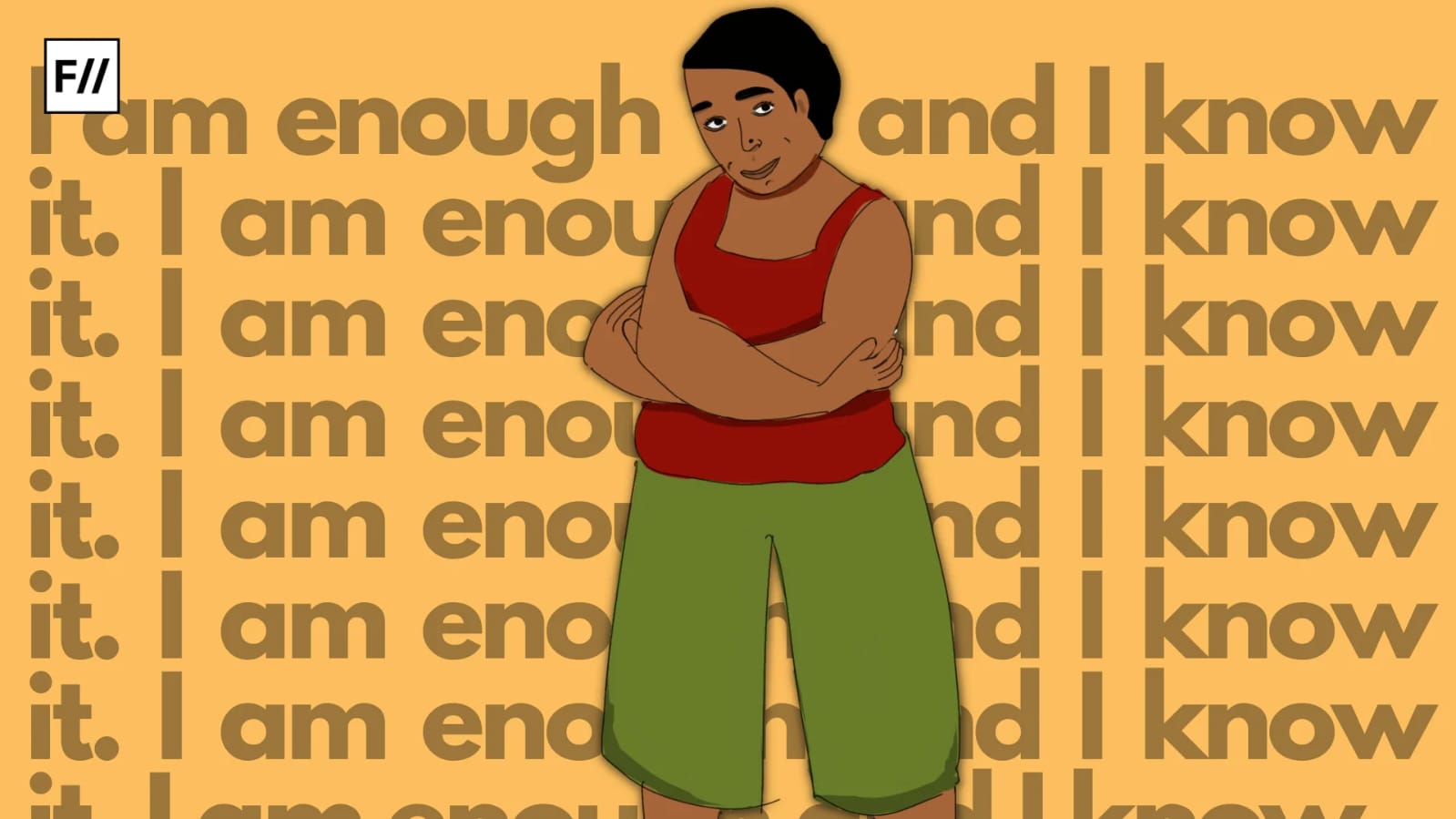
The biggest strength of The Wrong Way Home is that the narrative never makes Nayantara’s transformation seem perfect. Although she prioritises her sanity and self worth, she still struggles with setting boundaries as a chronic people pleaser. She struggles with cutting off toxic friends like the male-centred Anjali and regulating feelings like jealousy and insecurity. But this imperfect transformation makes Nayantara seem all too real. She never pretends: her voice is candid, honest and raw. She takes baby steps and finally starts falling in love with herself.
Derek Walcott in his poem “Love After Love” assures the reader: ‘You will love again the stranger who was your self.’ In the concluding lines, Walcott urges the reader to ‘take down the love letters from the bookshelf, the photographs, the desperate notes, peel your own image from the mirror. Sit. Feast on your life.’ In The Wrong Way Home, Nayantara follows Walcott’s manual, though it takes time, a lot of learning and even more unlearning to love her own self again.

In a time when our media, culture and literature overwhelmingly paints singlehood as an aberration, villainising and mocking women who are single by choice as incomplete creatures, Shunali Shroff’s The Wrong Way Home feels extremely relevant, showing readers that another world is possible, where women exist freely on their own terms, unbothered by patriarchal social obligations and norms.
About the author(s)

Ananya Ray has completed her Masters in English from Jadavpur University, Kolkata, India. A published poet, intersectional activist and academic author, she has a keen interest in gender, politics and Postcolonialism.