Chief Justice Surya Kant rejected Shailendra Mani Tripathi’s petition for introducing nation-wide menstrual leave policy for working women and female students. This has stirred public debate interrogating whether the verdict is fair or indifferent towards the plight of women in the country. The conversation, however, remains narrowly framed, often presenting leave as a singular, sufficient solution. This article intends to argue for a broader, more nuanced intervention: the right to care facilities at the workplace, educational institutions and home. ‘Right to Care’ has been recognised by the Human Rights Council as significant for an individual’s respectful existence in society. Drawing inspiration from it, this article will demand menstruating women’s access to infrastructural support and an empathetic environment in India.
Menstruation shrouded in secrecy and shame
Menstruation has long been a taboo subject in the country, often leading to confinement and restriction of the girl/woman’s movement within or outside the premises of the home. Her existence ‘during that time of the month’ is shrouded in secrecy and shame, making it difficult to share her discomfort, pain or ‘lived experience’ with peers or family members. The period even involves usage of unhygienic methods of containing bodily flow, leading to severe health issues in the long run. Access to products like sanitary napkins or menstrual cups gradually did pave the way for better management of the cycle. However, the procurement of hygienic goods by women of all classes is not satisfactory in states like Assam, Bihar, Gujarat, Karnataka and Madhya Pradesh as late as in 2025.
Menstruation has long been a taboo subject in the country, often leading to confinement and restriction of the girl/woman’s movement within or outside the premises of the home. Her existence ‘during that time of the month’ is shrouded in secrecy and shame, making it difficult to share her discomfort, pain or ‘lived experience’ with peers or family members.
A number of health schemes introduced by the Government of India, like the ‘Scheme for Promotion of Menstrual Hygiene’ under Rashtriya Kishor Swasthya Karyakram, have been implemented to educate adolescent girls and simplify their access to sanitary pads. These policies and the awareness programmes have transformed the way menstruation is perceived in contemporary India. It’s no longer a woman’s private problem but a nation’s responsibility to provide adequate facilities to the adolescent girls so that they can go on with their normal life ‘during that time of the month’. Menstruating women/girls’ respectful presence in public life, however, can not be ensured only by their access to hygienic products; fighting the age-old, regressive rules of society and the shame associated with the physiological fact is a reality that they confront, more explicitly in the rural belt.
The trajectory from isolation to public attention, mismanagement to healthy containment of bodily flow, shame to medical intervention is a long one, involving the lifelong struggle of feminists, common women, school-going girls and other sympathisers. In a country like India where the fight for the dignity of menstruating women is still at a nascent stage, granting leave risks relegating the matter again to the private sphere. That is why granting nationwide paid menstrual leave may not be the best solution.
An invisible epidemic
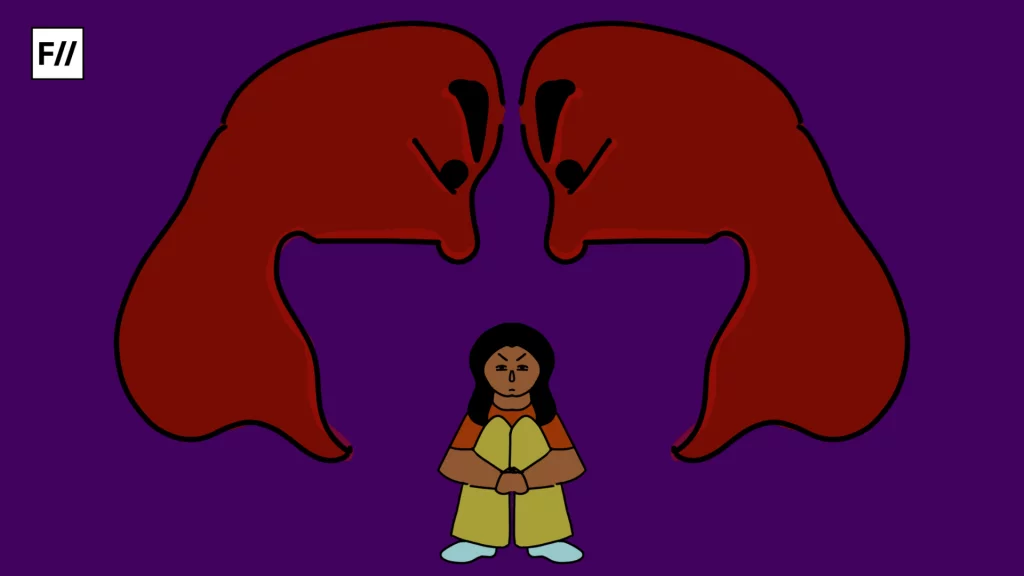
With adequate access to sanitary products, a break from regular life is said to be needed due to dysmenorrhea (the medical term for severe menstrual pain). In recent years, dysmenorrhea has spread rapidly among Indian girls, often triggering the situation of an ‘invisible epidemic’. Many argue that earlier, the pain was stigmatised or normalised and hence, silenced. It is important to delve deeper and highlight other causes as well. Severe pain or secondary dysmenorrhea often is a symptom of some gynaecological problem like endometriosis, polycystic ovary syndrome (PCOS) or adenomyosis. This is not a normal condition that can be relieved or cured through rest, as the menstrual leave policy intends. This requires medical intervention and treatment. Rather than leaves, it is recommended that the government or recruiting agency work on increasing awareness and the accessibility of proper medical care.
Primary dysmenorrhea, though not a disease, is not a permanent condition and can be cured through medication, lifestyle changes and physical activity. In either case, more involvement with menstrual experiences is necessary on the part of medical practitioners and recruiters. Furthermore, discomfort and mild pain that accompany the cycle are not a two- or three-day matter; they vary from person to person and are also common during the premenstrual week. Leave, in this case, is not a feasible option. Consequently, it is more important to demand a menstruation-sensitive work environment. It is very unfortunate that many men of the country are still ambivalent towards the prolonged physiological phenomenon and its corresponding experiences of their fellow workers or friends.
Workplace infrastructure, particularly clean restrooms, should be prepared to provide necessary support to the working women. Granting leaves, therefore, won’t solve the problem of period pain; it is to be dealt with with empathy or cured through medical insight. Women are not supposed to render their biology invisible to be ‘at par’ with men, as the Chief Justice remarked. It falls within the corporate’s responsibility to ensure the welfare and dignity of its employees, in this case, menstruating women. The focus should shift from entitlement to absence (leave) towards entitlement to presence (care).
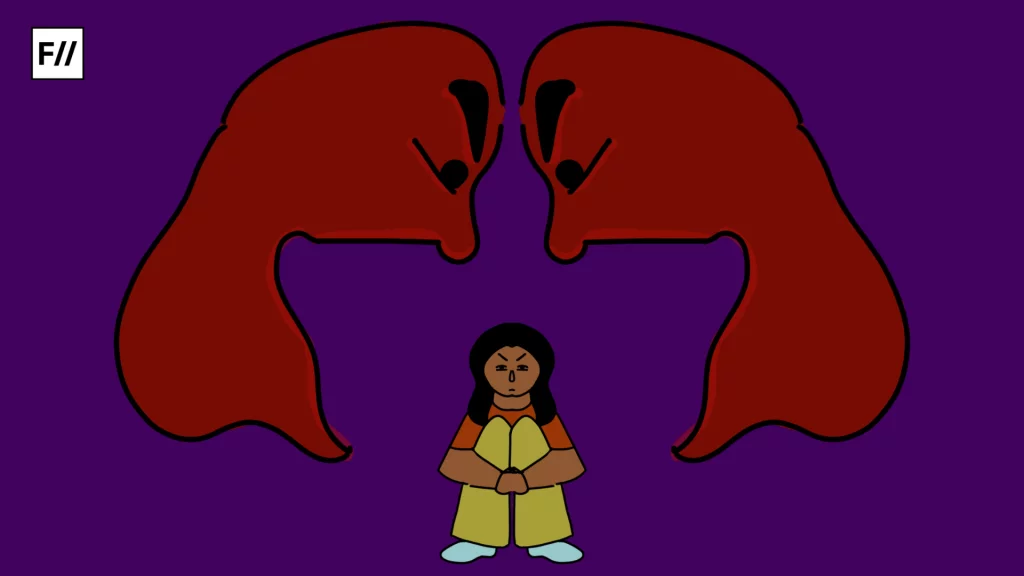
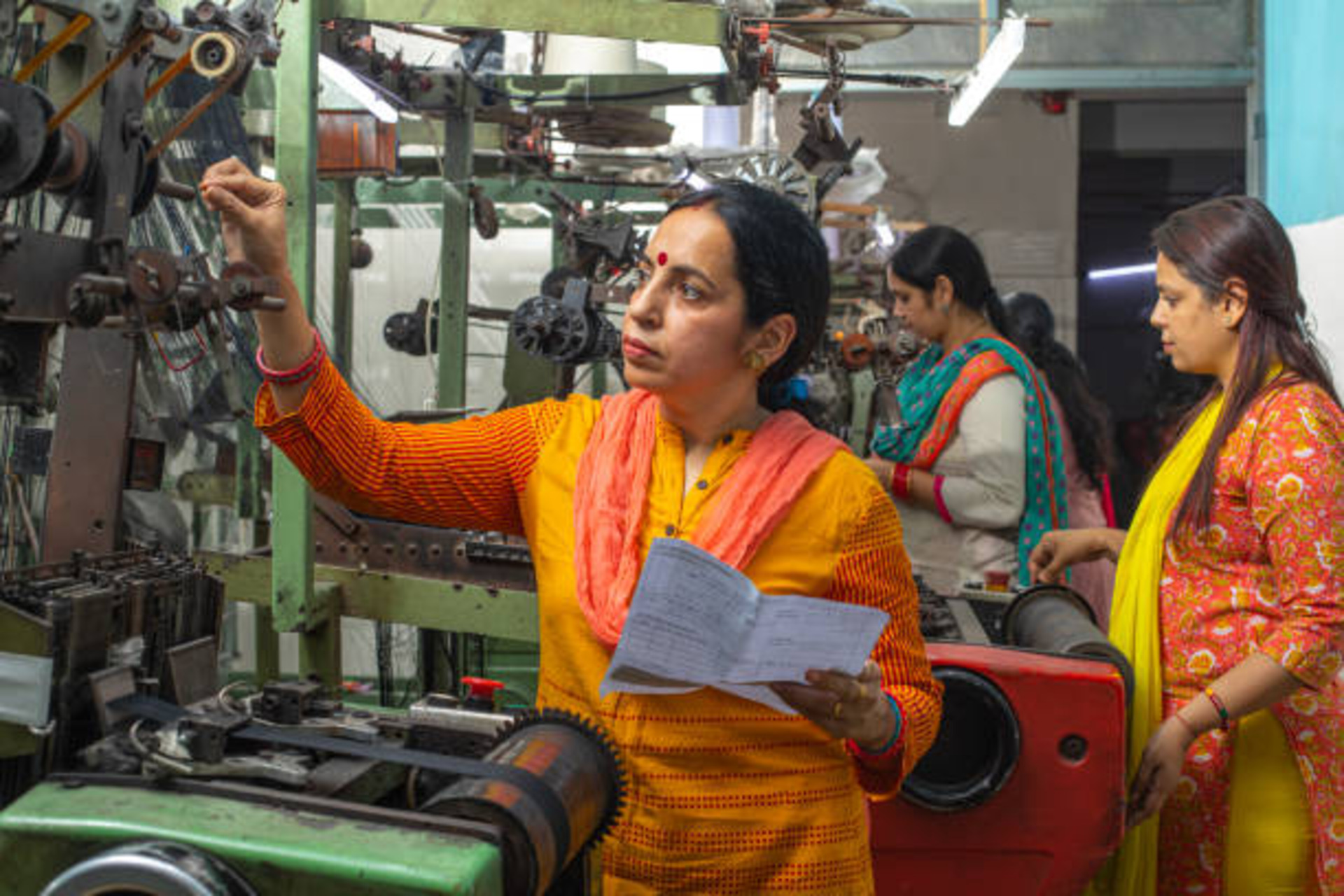
The nationwide menstrual leave policy is insufficient due to two other reasons. One, due to the gendered division of labour prevalent in most Indian households, staying home during menstruation will not necessarily provide rest or relief to the women. Domestic responsibilities persist, and the workload is compounded by a lack of emotional recognition. Leaves won’t apply here, and hence, there is a need for supportive home spaces where discomfort can be articulated without stigma and workloads negotiated accordingly. Secondly, the situation is even more precarious for working-class women engaged in informal or daily wage labour, for whom leave is neither accessible nor economically viable. Their exclusion from mainstream discourse highlights the urgent need for an intersectional framework that accounts for class, labour conditions and domestic dynamics. Thirdly, school-going adolescent girls or college-goers will miss lectures and lessons if they remain absent during their menstruation cycle. That will hinder them from unfurling their full potential in their careers. Leaves are not feasible for a considerable section of Indian women, and, as has been argued, neither is it necessary by policy. Policies and environments should be designed to ensure the presence of healthy menstruating Indian women with dignity in public life and at home.
Lastly, we should give our attention to the Chief Justice’s callous remarks: “No one will hire women.” Menstruating women of India have come a long way by overcoming centuries of shame, dishonour and marginalisation; still, there is a farther path ahead towards a healthier, supportive, respectful destination. At this crucial juncture, the remark implicitly poses menstruation as an inconvenience, to be managed by women privately. Such a view not only reinforces stigma but also shifts responsibility away from institutions and workplaces that must accommodate embodied realities. We as country should condemn such subtle bias and reiterate that management of menstruation is a social responsibility. Additionally, this statement shows apathy towards the young professionals working in the corporate context amidst minimal work-life balance, arbitrary lay-offs and lack of welfare schemes. All professionals need humanitarian recognition and a viable environment, so do menstruating women.
Women require additional care and support due to physiological reasons, pregnancy and motherhood. In order to promote a harmonious, ordered society, it’s the responsibility of the recruiting agency to perpetuate a conducive environment for women. It is important to see through the insufficiency of menstrual leave and to prioritise the need that women deserve an empathetic society to tread through, a healthy work environment to shine through and a supportive home to confide in. Dignified, healthy existence is a humanitarian right of menstruating women.
About the author(s)

Ushasi Banerjeeis a Research Scholar in the Department of History at University of Kalyani. She is a Guest Lecturer in the Department of History at Women’s College, Calcutta. Her research focuses on the social and cultural histories of marginalised populations in India, with particular emphasis on women, children, Dalits and refugee communities.