In my first year of college, I found out that “exposure” is just another word for compromise. I was 19, working two internships at the same time, since everyone told me that the sooner I did an internship, the better off I would be. One of my internships was a three-month long unpaid internship on content and scriptwriting. It was unpaid, but I kept telling myself it would be worth it to be close to the industry.
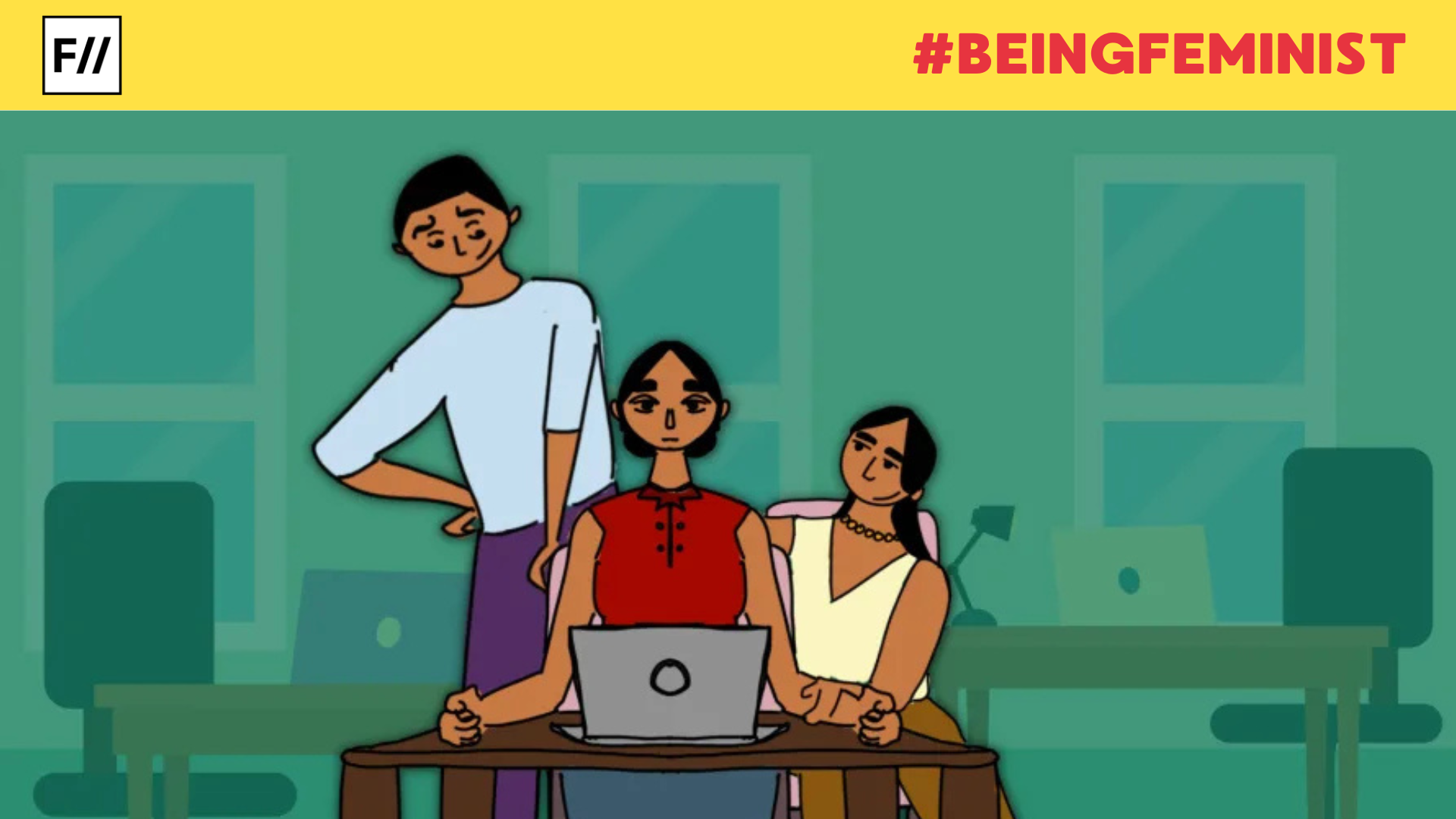
In the beginning, my manager seemed supportive of me and my ideas, and once he and I discovered our common interest in anime, we talked about creative ideas to design anime t-shirts for his side business. Finally, for the first time, someone was treating me seriously and professionally in the “real world.” But as the weeks went by, I started to notice a difference in both the tone of our conversations and in the nature of my internship.
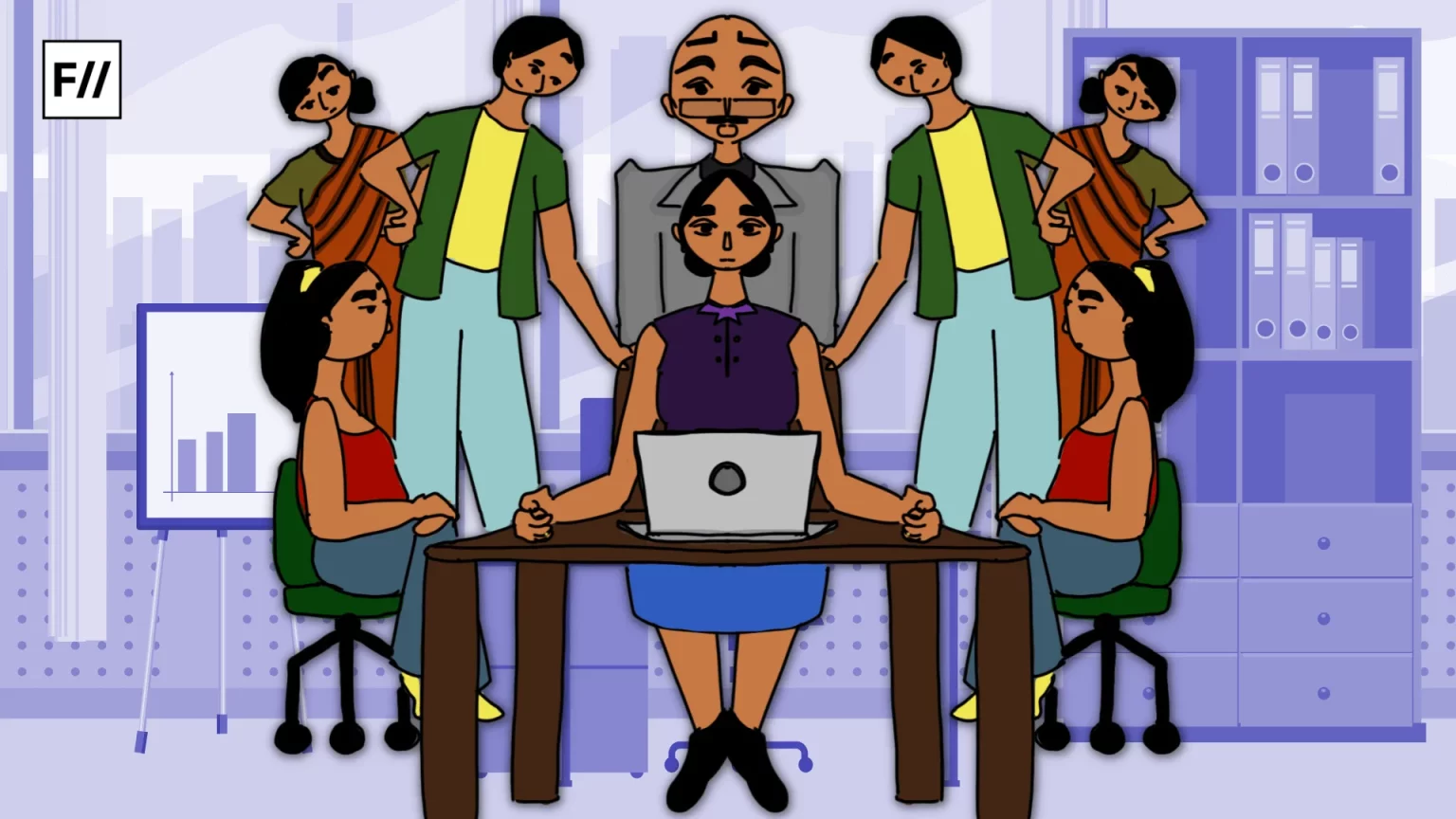
I was first told to ‘stay behind after the meeting.‘ I assumed this was in order to provide me with additional assignments. At some point in time between 10:00 p.m. and 11:00 p.m, late-night calls asking me for an update that I could have given them the following day became a regular occurrence. Fortunately, I avoided those calls as best I could. While I’ve always believed that maintaining a line between my professional and personal lives is important, unpaid interns didn’t have the luxury to appear “difficult.”
When boundaries are violated in the name of “networking”
‘Can I get your social media account?‘ asked my manager one day. This seemed like a perfectly fine request, based on the notion of making connections through networking. However, when someone sends a shayari to you via DM, it doesn’t seem like professional networking. Also, responding to private messages after hours is not networking either. And lastly, receiving notifications and having my stomach tighten to each one caused me to wonder whether I was overreacting or if that level of relationality was just the norm in creative job fields.
Once again, confusion surrounded me the first time I opened up about my experience with my friends who shared an interest in the arts. Sitting down together in the campus canteen, I thought I could laugh off the experience but was met with confusion about why I was overreacting, as this was the usual way of developing a professional relationship, and I was being a naive idiot.
Patriarchal prescriptive systems rarely outwardly declare their intent upon a female apprentice. They don’t usually do it in the way that would be ordinarily expected. Instead, they often show up in sheep’s clothing as mentoring-type experiences or, at the most, through a fabricated contradiction. Because of this seeming conflict, I was confused and frustrated. As I wanted to become a professional writer, receiving the required certification or having the experience documented on my resume was important.
Why I quit
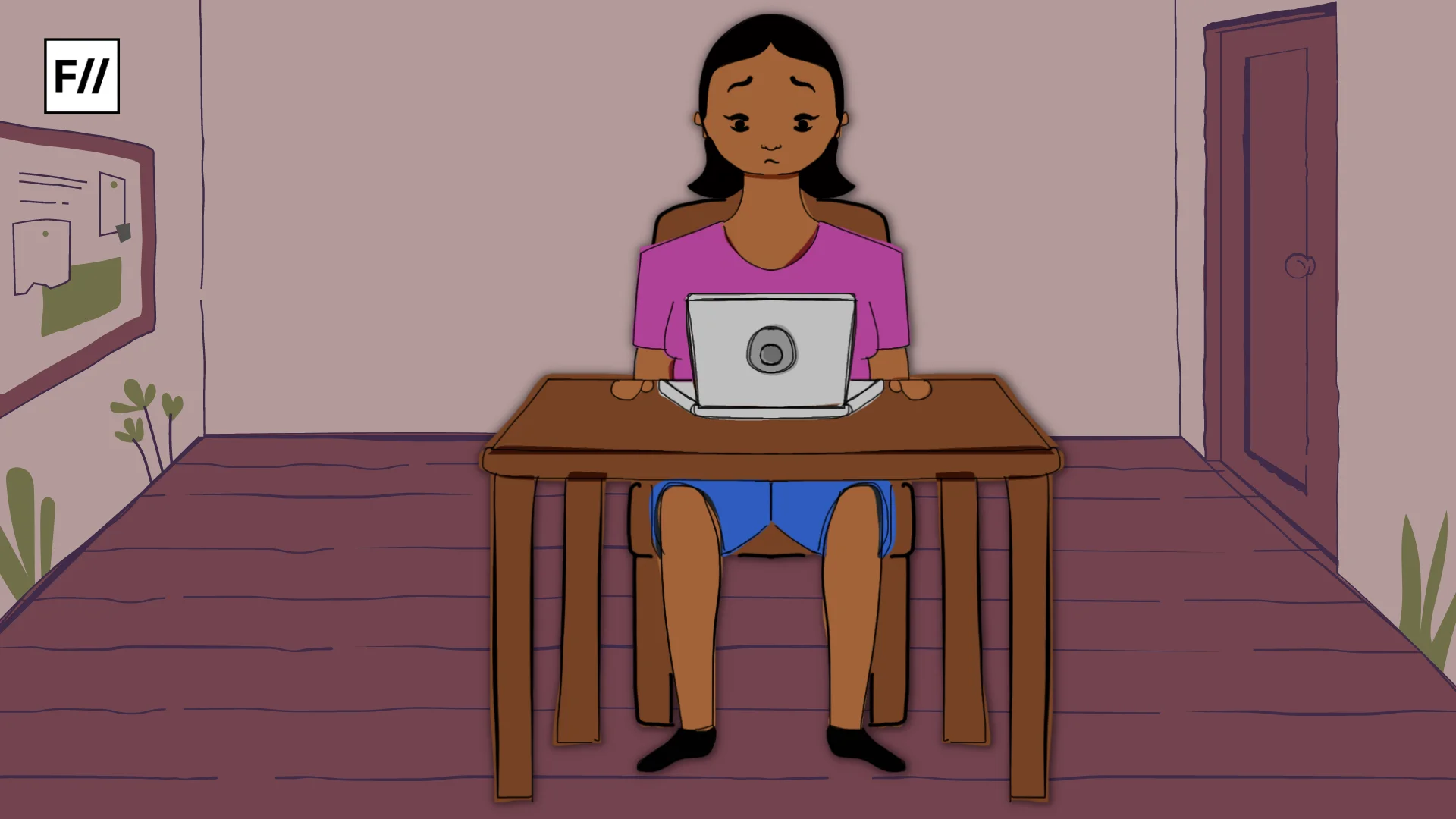
However, that does not mean power will disappear when you do not cooperate with it. Around the second month of my internship, there were two new interns who started working. I was asked to train them. That also began at a time when I was pressured heavily to extend my internship by my supervisor, to whom I had previously communicated my decision to not extend my internship. My expectation was reiterated, he continued to provide reasons supporting the idea that i should extend my internship, as if to say there was potential.
He asked me about my ambition(s) again, although my ambition(s) had been expressed to him during the first month of work. My ambition is that I want to be able to publish my writing in major international magazines and platforms like The New York Times or Vogue. He told me he’d help me through this process because he had “contacts.” Though there was a lack of conviction in his voice and mannerism while he stated this, the intent behind his words and how important he considered networks and connections to be, assured me.
Though there was a lack of conviction in his voice and mannerism while he stated this, the intent behind his words and how important he considered networks and connections to be, assured me.
That was the point when my internal equilibrium teetered. Although there was no outward sign that he was taking advantage of me, I felt trapped by the fact that my past aspirations, which he had carefully documented could lead to my future successes. This is often the experience of navigating patriarchy as a woman in the workplace.
Choosing dignity over success as a young intern
Eventually, I told him a lie, that I had accepted another internship starting in September that I was committed to. I was also lucky enough to connect with another female intern who had gone through something similar at this workplace. I noticed the mental and physical effects that prolonged uneasiness could have on someone. My experience was buffered by a collective sense of girlhood and solidarity that made me feel secure.
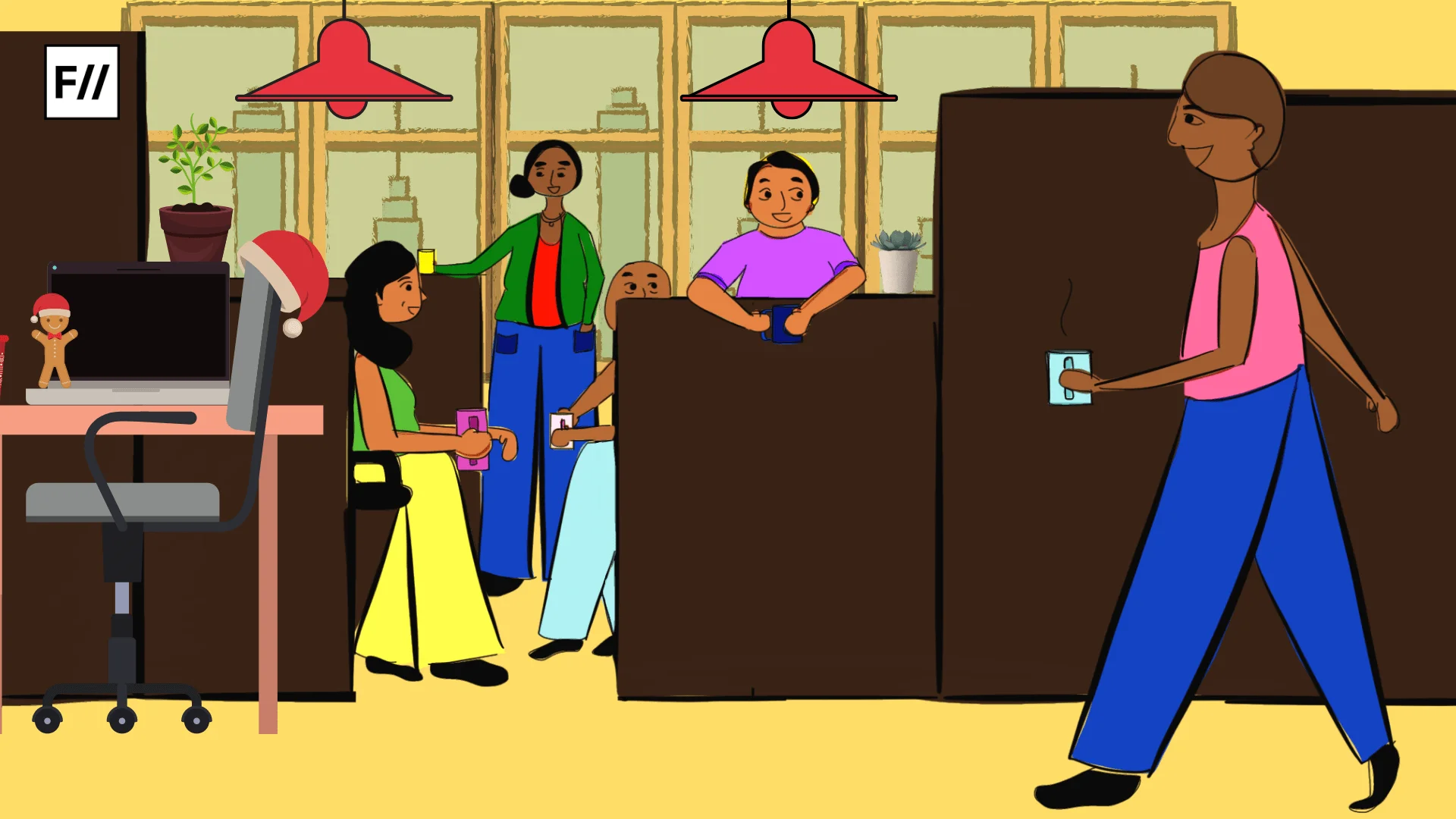
Internships are based on ambition. As many industries are reliant on networking for opportunities, young women are socialised into believing that gaining access to these environments requires them to be agreeable. However, agreeability does not necessarily result in equality. I was taken aback by how normal it is for us to compromise our beliefs. I was told: ‘That’s the way the industry is.‘, ‘Don’t burn bridges.‘ and ‘Think long term.’
This advice usually carries subtle implications that women are expected to tolerate discomfort and pursue opportunities without naming the cost of those opportunities. I am proud that I did not cross my boundaries, although it was a significant challenge for me. Yet, the most damaging aspect of the patriarchy is that it often leads us to doubt ourselves. While I originally intended to gain work experience/skills, my final lesson was that we should never sacrifice our dignity for the sake of achieving success.
About the author(s)

Swastika Chakraborty is a third year student of Media studies. She has a keen interest in feminist perspectives of womanhood, loves questioning the norms and is eager to learn how identity and power are negotiated within social or cinematic spaces.