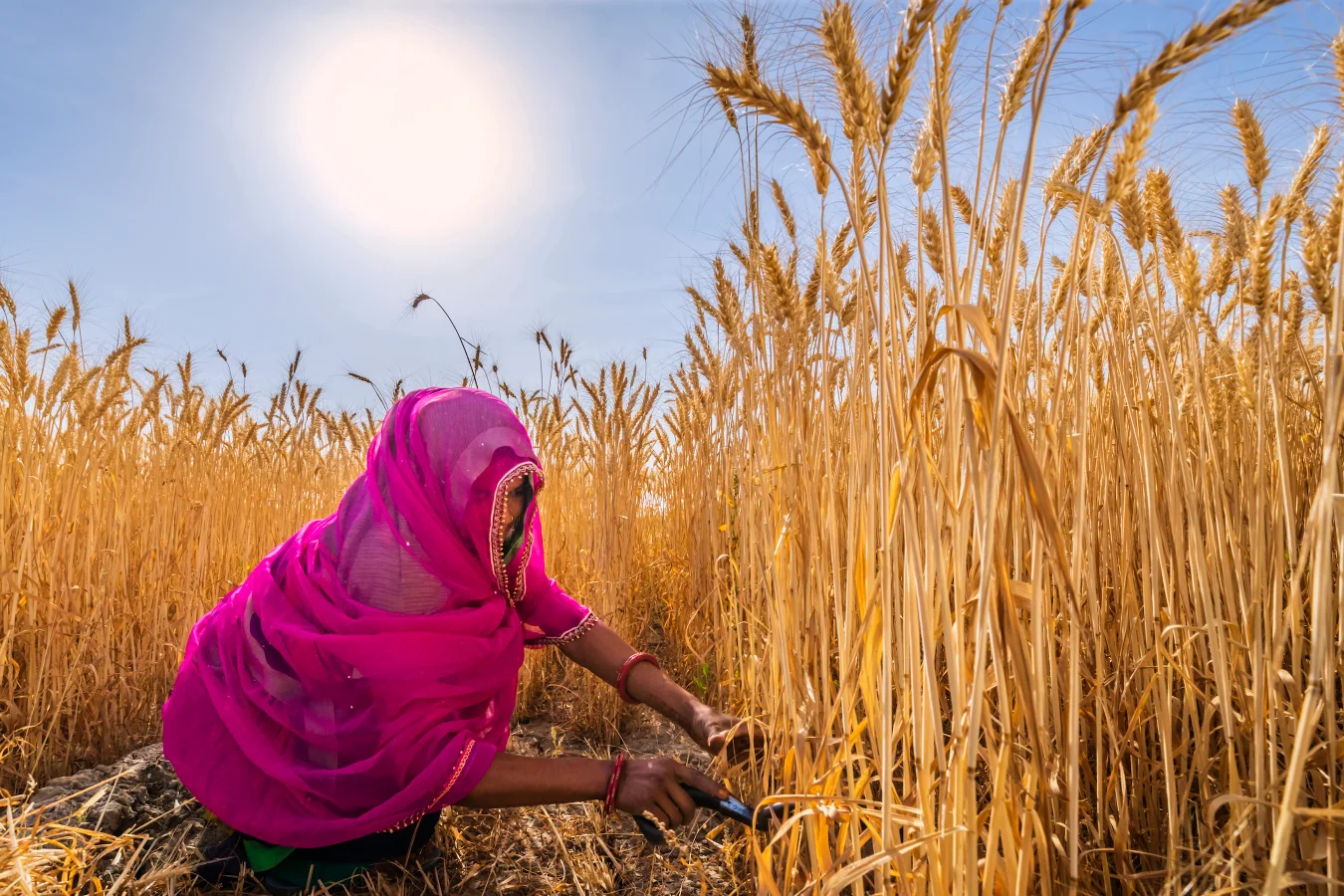
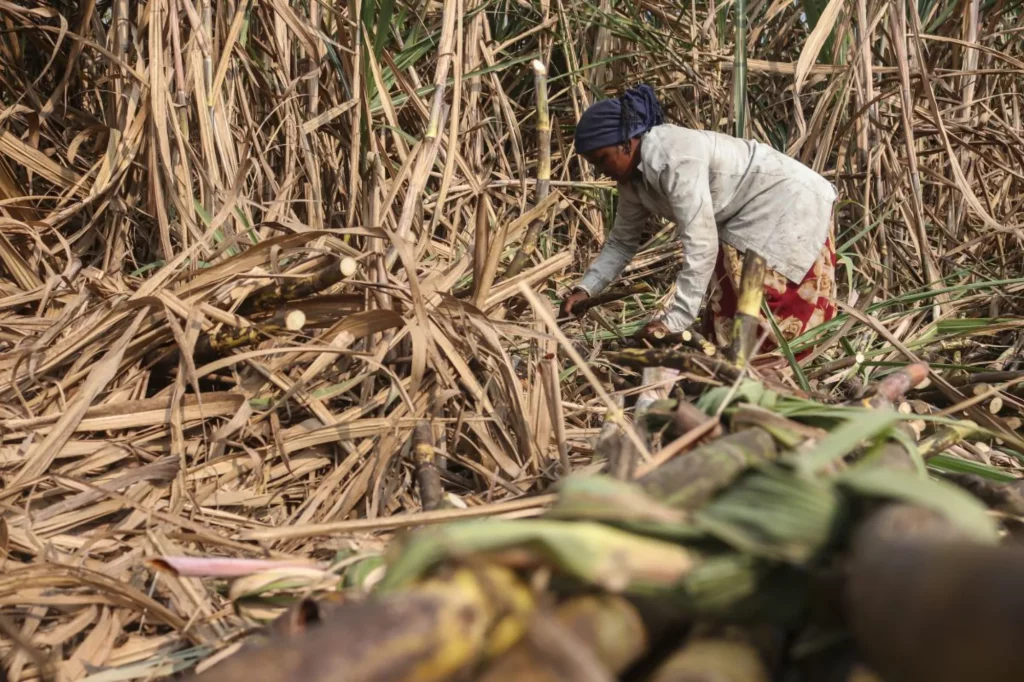
Somewhere in the sugarcane fields of Maharashtra’s Beed, a woman is working in temperatures as high as 44°C. She has consumed little water throughout the day, not because she isn’t thirsty but because she does not have anywhere safe and sanitary to relieve herself. When she returns home after an extremely long day of work, she continues to contend with the heat even inside her home. However, this is not the story of one woman or of women from a particular region.
Across India, a brutal heatwave has set off government warnings. As the heatwave spreads across the country, temperatures continue to spike and stay high. There’s no let-up in sight, with most of the country receiving heat advisories. Uttar Pradesh’s Banda reached temperatures of 47.4°C at the end of April, with several parts of northern and central India hitting the 45°C mark. Nighttime temperatures also continue to remain quite high. Climate models sounded the alarm ages ago. But who pays the price for this?
Those who pay the price
Men and women don’t handle heat the same way. Women have more body fat and a lower body water percentage than men, so their bodies don’t shed heat as easily. Less water means less sweat, which means internal temperatures rise, driving up the risk of heat exhaustion, heatstroke, and chronic fatigue. However, despite this increased vulnerability, when people talk about heat, they usually think about men.
Women suffer the brunt of extreme heat in unique ways. Studies show that higher temperatures interfere with hormone levels, including cortisol and estrogen. This impacts mood, menstrual cycles, and even fertility. Women working long hours in the heat also experience intense PMS symptoms. For pregnant women in the fields, things only get worse: preterm births, birth complications, an increased risk of miscarriages and stillbirths, among other maternal and foetal health risks.
For pregnant women in the fields, things only get worse: preterm births, birth complications, an increased risk of miscarriages and stillbirths, among other maternal and foetal health risks.
On top of all that, working in these temperatures with barely any water can cause dehydration, urinary tract infections, muscle cramps, and dizziness. Heat waves also impact mental health. High cortisol levels caused by extreme temperatures also lead to an increase in stress and raise the likelihood of sleep disturbances. Studies show that women are more vulnerable to high temperatures and heat stress than men: for numerous reasons and in several ways.
What rising temperatures mean for women
While heat stress disproportionately impacts women, among women, the worst affected are migrants, daily wage earners, and farm workers. Working outside has gotten harder every year. Between 1980 and 2020, the temperature in the country has risen, especially in western and southern India. In the past 40 years, outdoor productivity has dropped by about 10 per cent due to heat stress. Major cities like Delhi, Mumbai, and Kolkata have temperatures that are impossible to work in outdoors. International standards dictate that outdoor labour should stop during periods of intense heat; however, for millions, stopping isn’t an option.
This situation is further worsening. If global temperatures rise by 4°C (which isn’t far-fetched at this point), the average person will see their wealth reduce by 40 per cent. Needless to say, for workers whose incomes are reliant on performing physical labour outdoors, the impact will be much more devastating.
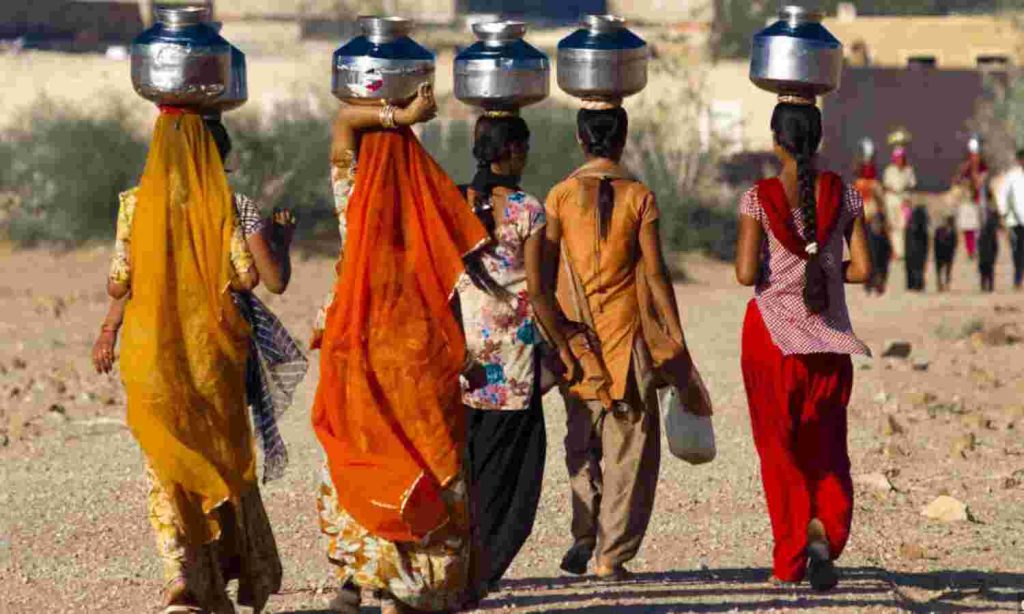
Further, in the face of extreme temperatures, women don’t just suffer more; they also end up doing more work. When temperatures rise, children and the elderly, who are most susceptible to the heat, need to be cared for; the sick must be tended to; and someone must ensure there is enough water for everyone and that everyone is fed. Given the patriarchal society we live in, this ‘someone’ is more likely than not a woman. The work piles up, unpaid and relentless. Heatwaves mean more chores, more health risks, and ultimately, less income for women.
However, while women pay the price of rising temperatures, the government barely stirs.
Understanding the government’s failure through numbers
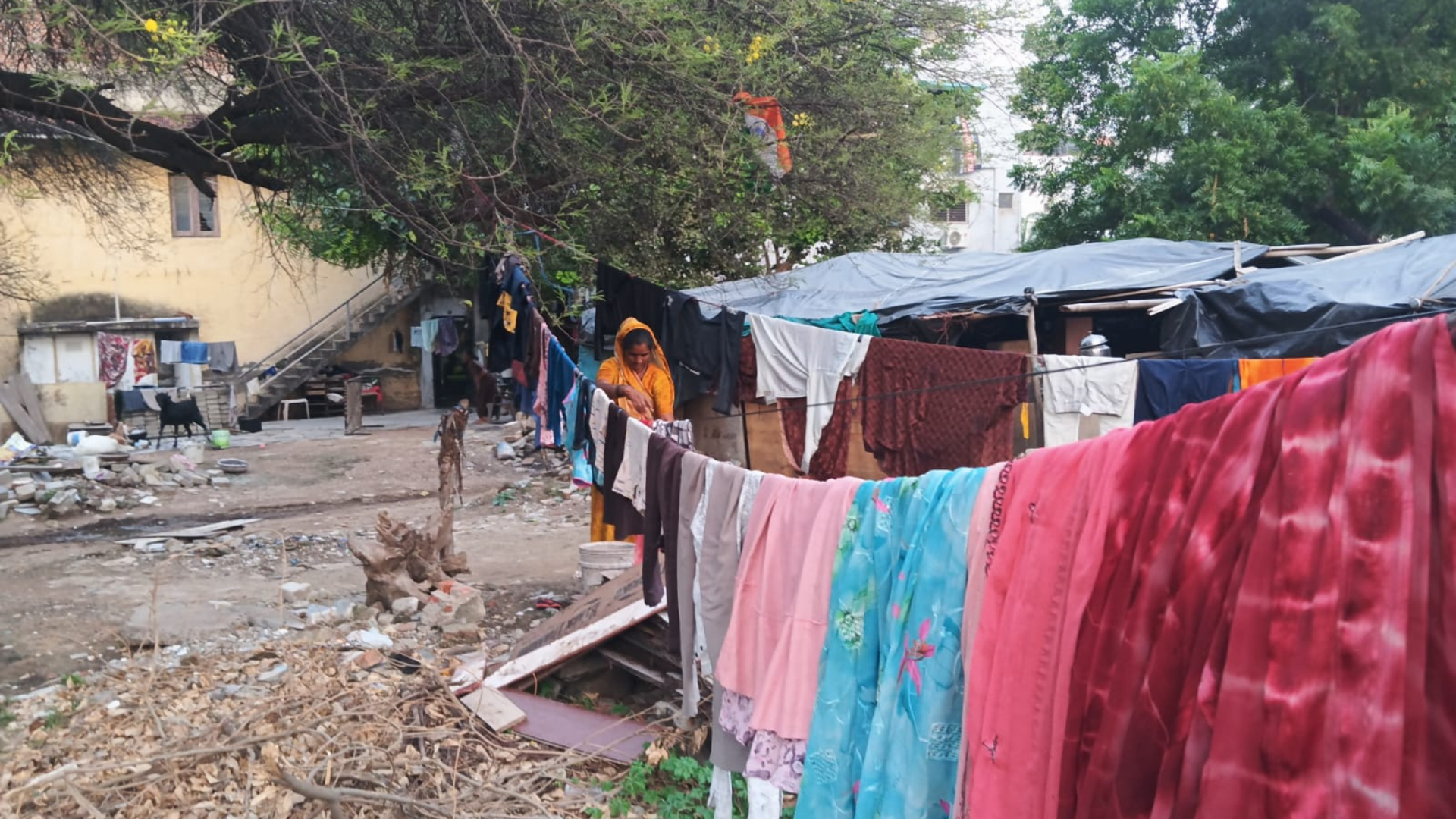
India has heat action plans. For instance, Ahmedabad rolled one out after more than 1,400 people died in 2010. Some states send out alerts, and the IMD issues heatwave warnings. But that’s not enough. A sizeable portion of India’s population consists of migrant workers, often living in shantytowns with no ventilation. The country’s economy relies on them heavily, yet they remain invisible and ignored.
Further, efforts at climate regulation often focus on cities, neglecting others who are just as, if not more, vulnerable to heat stress. These are the same workers whose labour is estimated to contribute 10 per cent of India’s GDP; city-builders who are invisible in the policy architecture meant to protect them. And as the temperatures keep climbing, major cities become even more unlivable.
The longer governments look away from the conditions these workers endure, the closer we come to a breaking point where infrastructure, welfare, and basic human dignity will collapse. When planners do act, their policy is often directed at urban construction workers, missing women in other fields entirely. Most heat responses don’t take women seriously. And the longer real interventions are delayed, the more certain one thing becomes: under the combination of global warming and changing climate patterns, India’s heat crisis will only accelerate.
The way forward
Several potential solutions exist to counter India’s climate catastrophe. However, the real hurdle is getting anyone in power to care enough to want to change things. Nonetheless, here are some things that can be done: tailored heat allowances should be set for informal and farm workers; subsidised, portable cooling devices need to be made accessible to those who are vulnerable to heat stress; social safety nets that acknowledge the risks associated with heat need to be built; early warning systems which address heat stress before it claims lives need to be created; migrant workers should be provided with accommodation that has electricity and airflow; and farms should have nearby rest stations and water.
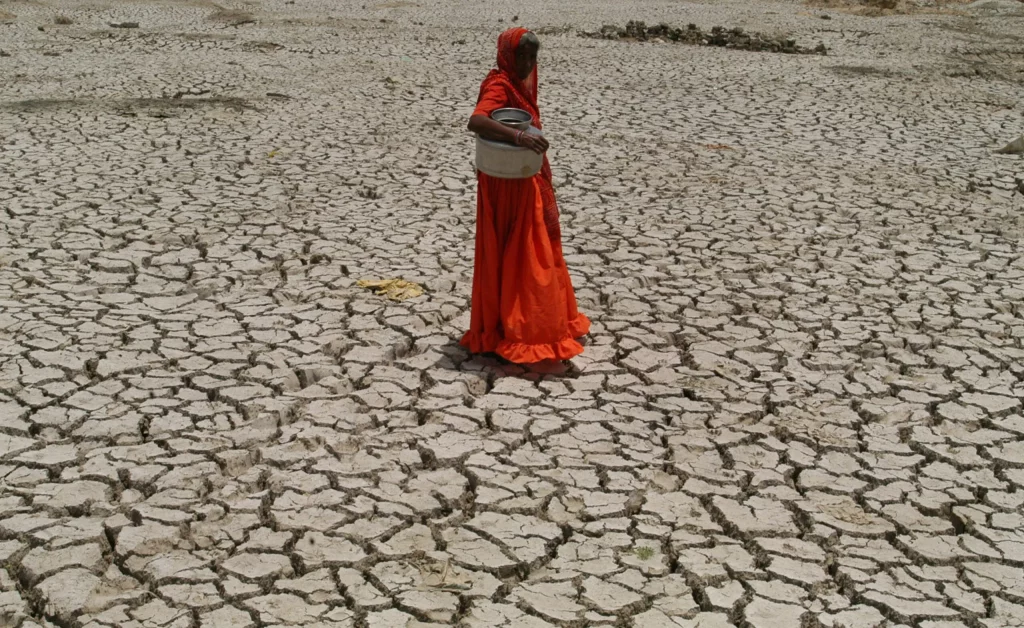
However, what is of utmost importance is better data, especially data that focuses on gender. This is crucial because you can’t fix what you can’t measure. Migrant women are among the most vulnerable to heat, and policy must recognise this.
India’s climate catastrophe isn’t impending; it’s happening now. We are beyond warnings and hypotheticals. India is burning, and people, especially women, are succumbing to the heat. The only real question — the one the government, the media, and the people must ask in the days ahead — is: Who will be saved from these flames, and who will be left to burn?