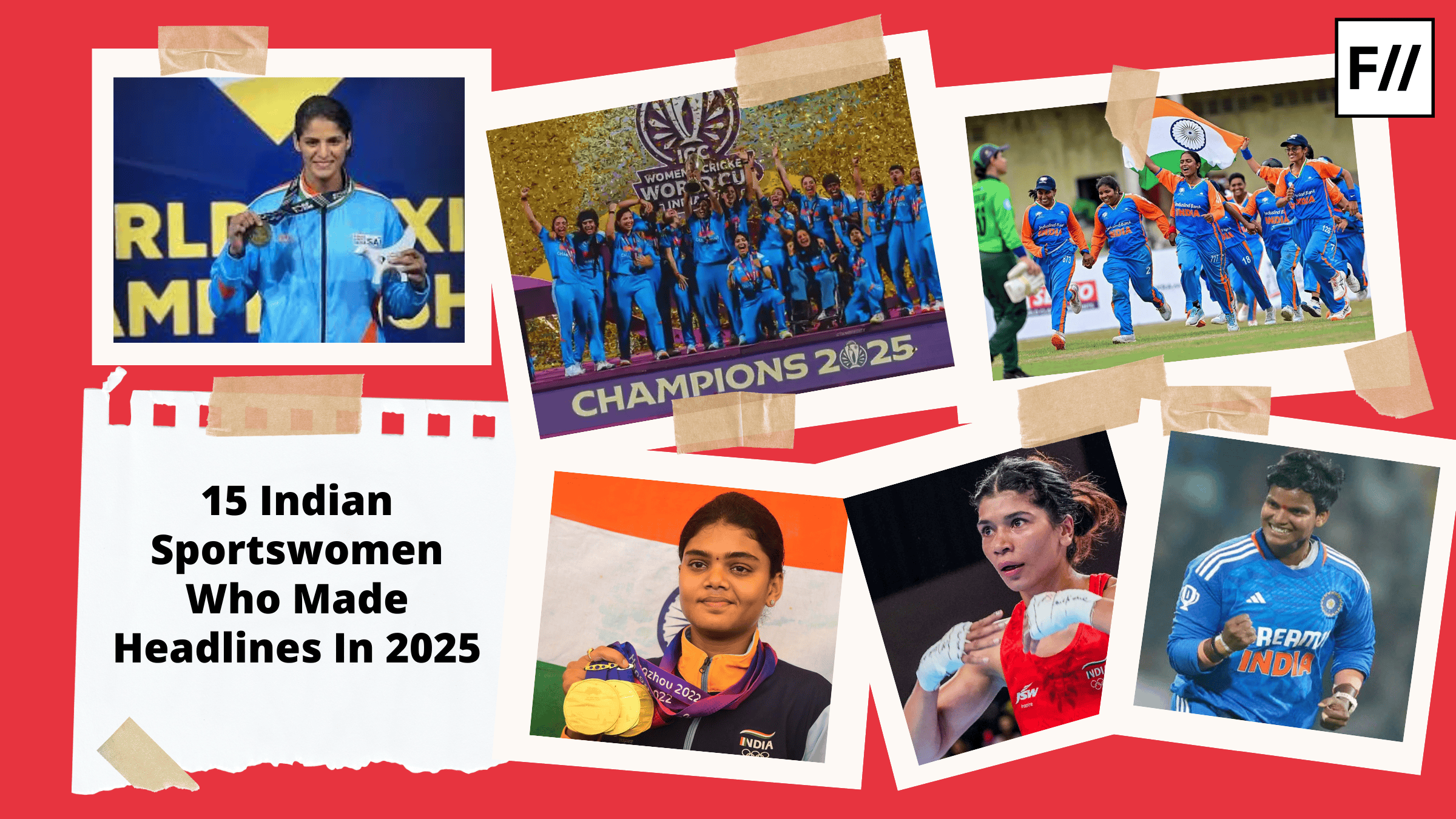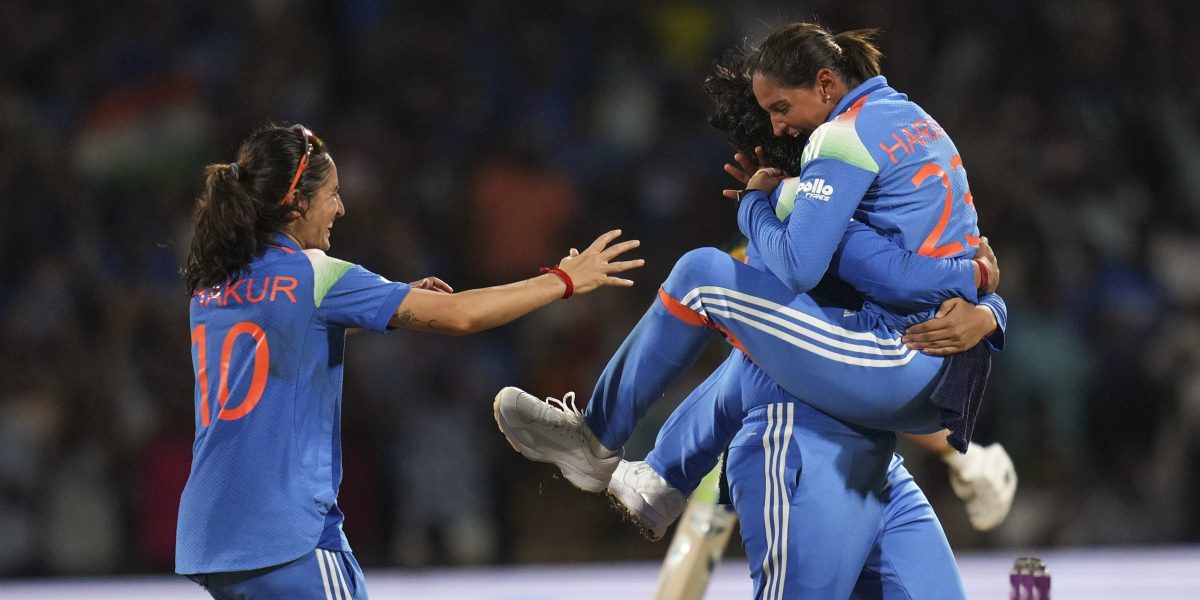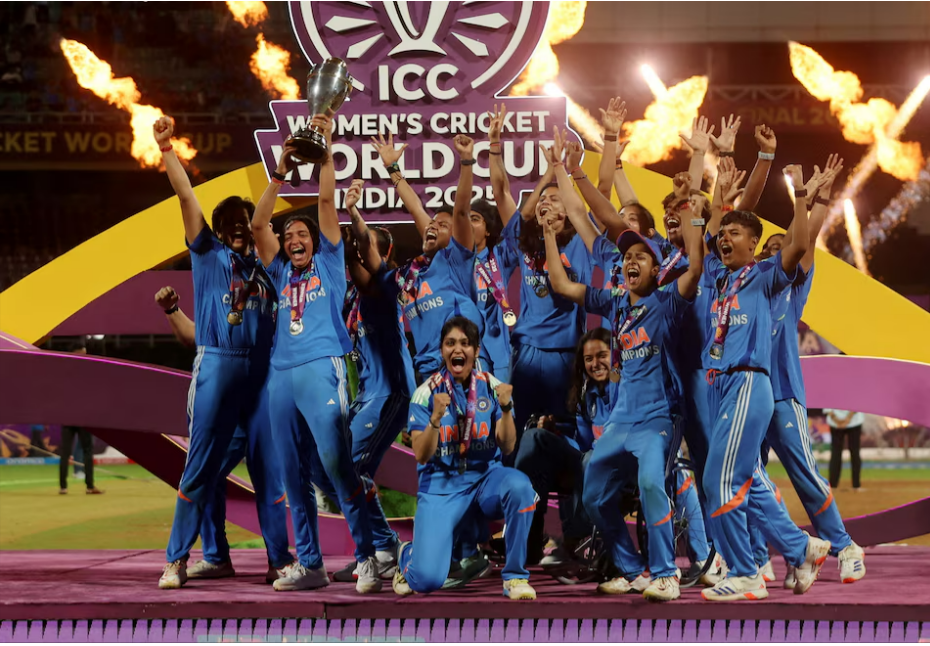
In 1900, when India participated in the Olympics, there were no women representing the country. Cut to 2024, women constituted over 40 per cent of India’s Paris Olympics contingent, which included a team of 70 men and 47 women. Indian women have achieved visible international sporting success at both the Olympics and the World Championships. However, women’s representation in the elite category has been limited despite the increase in the sports budget over the last 10 years.
The budget allocation to the Ministry of Sports increased from INR 1,643 crore in FY 2014-15 to INR 3,794 crore in FY 2025-26, marking a rise of 130.9 per cent. In 2023, the government launched the Viksit Bharat 2047 vision to strengthen elite performance and increase grassroots participation.
This vision was linked to several flagship initiatives, such as Khelo India, TOPS (Target Olympic Podium Scheme), and Fit India. ASMITA (Achieving Sports Milestone by Inspiring Women Through Action) plays an important role in the vision of Viksit Bharat 2047. However, the question that persists is whether India is promoting equitable sporting opportunities or merely celebrating women who have overcome structural impediments.
Policy timeline: How India built its sports funding system
India’s investment in sports has evolved significantly over the years; some of the significant initiatives are as follows:
2014: Target Olympic Podium Scheme (TOPS)
The TOPS programme was introduced to provide athletes with high-quality training; world-class coaching with foreign trainers; funding for international events; and necessary support, including nutrition and access to sports science, to elite/high-performance athletes and potential Olympic medallists.
Under this scheme, the Government of India takes full responsibility for the training of elite athletes. However, this initiative limits itself to providing high-intensity support only once an athlete has already reached the elite level. Because only a fraction of athletes reach such levels, the majority of support is required at the grassroots level, where girls leave sport long before they become eligible for elite funding. According to the UN, girls drop out of sports at twice the rate of boys by age 14. The scheme itself is not flawed, as its primary intent is to provide support at the top level to achieve visible results, which, in turn, would encourage girls at the grassroots level to pursue sports as a career. However, more needs to be done at the grassroots level.
2018: Khelo India
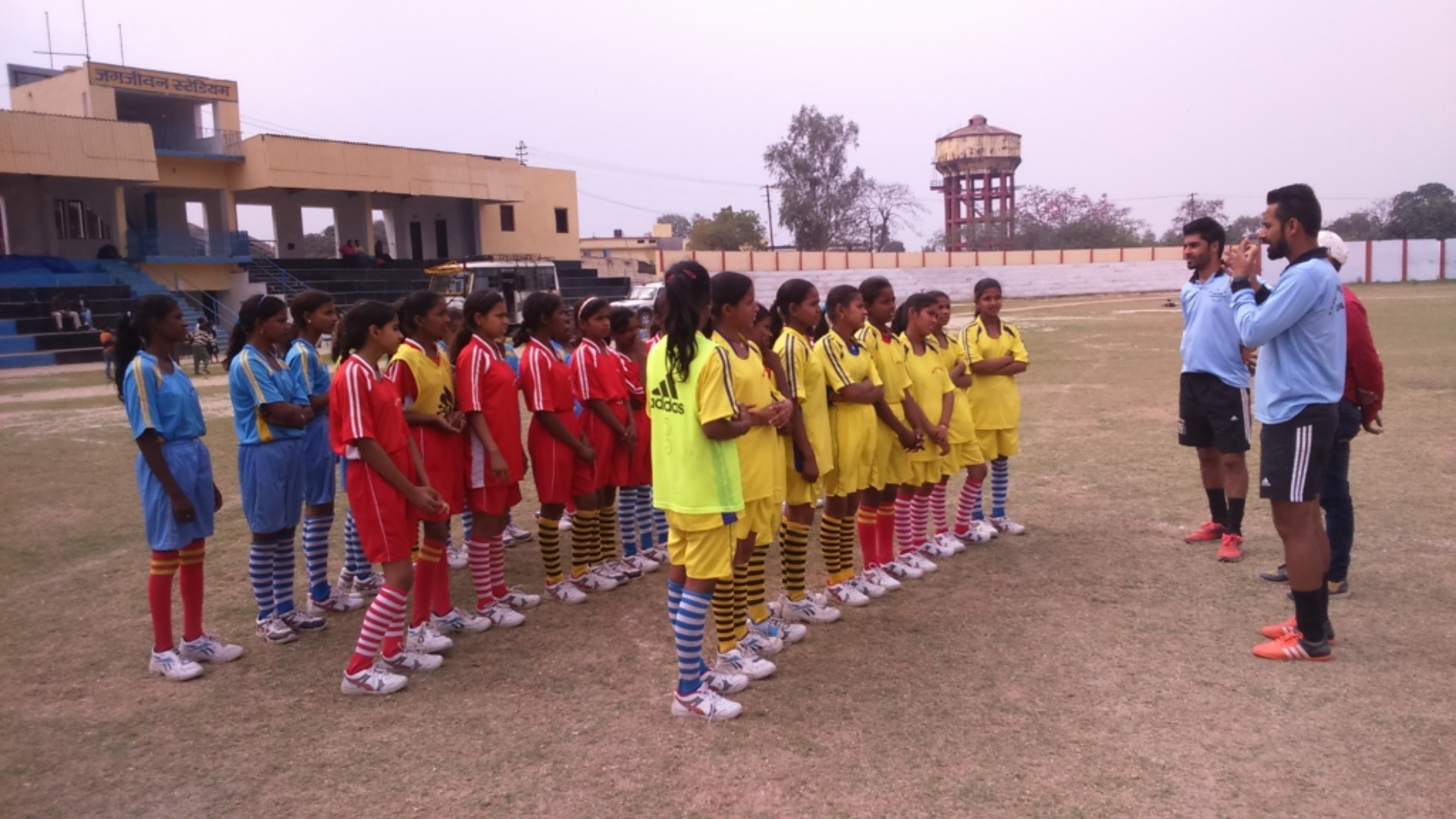
While TOPS focuses on top-level athletes, Khelo India was launched to focus on grassroots-level sports infrastructure by establishing a strong sports competition structure at both the school and university levels.
Under this scheme, young talent is identified in schools and universities for further training and financial support. To encourage women in sports, the scheme expressly states that emphasis will be placed on sports disciplines where women’s participation is lower. Therefore, the scheme is inherently designed to promote women in sports. Accordingly, the government allocated an estimated INR 924.35 crore to the Khelo India Programme to promote a sporting culture beyond the elite level.
2021: ASMITA
ASMITA was introduced to specifically focus on women in sports by organising leagues across various disciplines. While the above two schemes were gender-neutral, focusing on the overall development of the country’s sporting infrastructure and the identification and development of young talent, ASMITA further helps identify young talent at the grassroots level through women-specific leagues. The scheme helps women achieve a level playing field with men by giving them greater opportunities to be seen and identified.
All these flagship initiatives point towards a gradual change in the country’s mindset, from merely celebrating sporting achievements to creating more such achievements by investing in sports and providing support at all levels.
However, there is no straightforward gender-disaggregated record of how much of the expenditure actually reaches women. Therefore, the effectiveness of these schemes is determined by whether women’s access to sport is improving, whether they can stick with sports, and whether they can make progress within the field.
The missing middle: Between grassroots and the podium
The issue is not that India lacks programmes to promote sports. The problem lies in the insufficient connection between the various programmes in existence. This can be addressed through a comprehensive support framework for athletes at every stage of their journey. For instance, a young sportsperson who is given the opportunity to earn a Khelo India scholarship should be supported throughout her journey of becoming a high-performance athlete and eventually receive customised TOPS support as a medal prospect. The aim must be to connect talent development with elite support.
The missing link that forces girls out of the sporting pipeline is the range of challenges they face during adolescence, such as mobility restrictions and early marriage. It is noted that globally, 49 per cent of girls drop out of sport during adolescence, which is six times higher than the dropout rate among adolescent boys.
Additionally, UN Women states that 58 per cent of girls in India missed sports activities during their periods. The gender of the coach is also a factor that can affect participation during the menstrual cycle. According to a survey, approximately 92 per cent of athletes were comfortable discussing menstrual cycle-related information with female coaches, whereas only 55 per cent were comfortable doing so with male coaches. While this does not prove that every athlete requires a woman coach, it is still one of the factors that can affect the continued participation of women athletes.
Another factor is training costs. Although various schemes provide support with respect to training costs, covering coaches’ fees and training infrastructure, in reality, training costs extend beyond coaching to nutrition, healthcare, and equipment, which are mostly borne by families. International research also reports lower access to sports science and medical support for female athletes compared with male athletes.
Further, gender-based violence and women’s safety within sports also need to be addressed. Following the 2023 wrestlers’ protests, an Oversight Committee was formed. However, this does not, by itself, ensure safety, as women athletes continue to face safety risks and institutional barriers to accessing remedies that can suppress the disclosure of violence and render reforms futile. Therefore, for a grievance mechanism to be effective, it must not merely exist on paper; it must also be trusted by athletes.
On the other side of the world: Lessons from other countries
India is not the only country working towards equal sporting opportunities for women. A recent report by the Aspen Institute reviewed sports governance structures across various countries. China’s national strategy places talent at the centre, treating it as the primary resource and investing heavily in elite performance. The General Administration of Sport (GAS) is directly supervised by the Central Government in China. The Chinese Government has invested heavily in scouting and developing sports talent at the school level, with the aim of becoming a global sports power.
Likewise, Brazil’s Bolsa Atleta provides direct funding to athletes across multiple levels of high-level competition, including the Olympics and Paralympics. The idea is to support athletes at a stage before they become prospective Olympic medallists. Indonesia’s integrated model, on the other hand, has merged sporting aspirations with community-based exercise, making sport an integral part of both education and recreational activities.
Furthermore, the United States Department of Education now ensures that sporting opportunities and benefits are uniform for men and women. Given that, in the United States, preventing gender discrimination in educational programmes and activities is a legal obligation under Title IX, the enforceability of such provisions is more certain.
In India, the Ministry of Youth Affairs and Sports notified both the National Sports Board and the National Sports Tribunal as integral parts of the National Governance Act, which targets safe-sport policies and equal participation. While the Act is promising, the Indian sporting landscape can learn from the ‘missing middle’ strategy reflected in the above examples, where community-oriented approaches and scholarships are channelled towards investing in women athletes. Such investments can enable long-term results and support gender-responsive funding.
Government schemes like Khelo India, TOPS, and ASMITA have materially expanded the sports-support architecture. Support for elite women athletes has also measurably increased, with the number of elite women athletes going up from 48 in 2015 to over 140 in 2022. However, success under Viksit Bharat 2047 cannot be measured merely by medals or increased financial allocations. The provision of safe accommodation and transport, recruitment of women coaches, support for menstrual and reproductive health, maternity protection for elite athletes, and mental health services are some of the issues that require due consideration by the government.
India celebrates each and every medal it wins, but the true measure of success lies in how many athletes, especially women athletes, receive adequate support and investment to reach the highest levels in their respective sporting fields.
About the author(s)

Pooja Damodaran is a legal professional specialising in international law, arbitration, and corporate legal strategy. She holds an LL.M. from Stockholm University, is pursuing her PhD, and has been a Visiting Scholar at the Lauterpacht Centre for International Law. She currently serves as Vice President (Legal) at Siechem Technologies Pvt Ltd.