After India gained independence, Modern Indian art underwent an unwavering shift. This began with the formation of the Progressive Artists’ Group in 1947. It signalled an unconventional departure from colonial academic traditions and the revivalist tendencies of the Bengal School. Artists such as F N Souza, S H Raza, M F Husain, and K H Ara were of the mind to create a modern visual language that was rooted in Indian realities but no stranger to international modernism. Their work came to define the early narrative of Indian modern art.
But the story of India’s modern movement has long been told through a narrow lens. One where the women artists were underrepresented and lacked the recognition they clearly deserved. This discussion remains relevant even today as women artists in India continue to fight for representation on a global scale.
Indian modernism in the art spectrum was not the product of a single group or ideology. Rather, it has evolved through multiple artistic voices. Many of them are women whose practices have brought personal, introspective, and politically resonant perspectives into the art field. Today, during Women’s History Month, we will reflect, rethink, and remember five of these women artists.
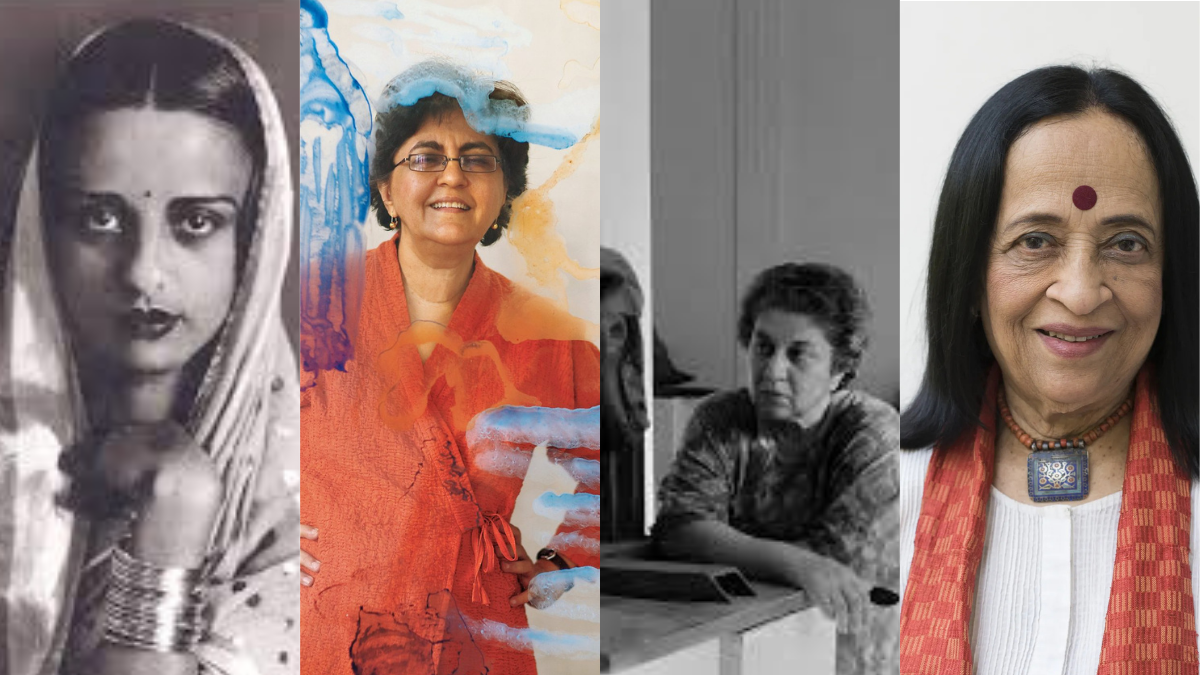
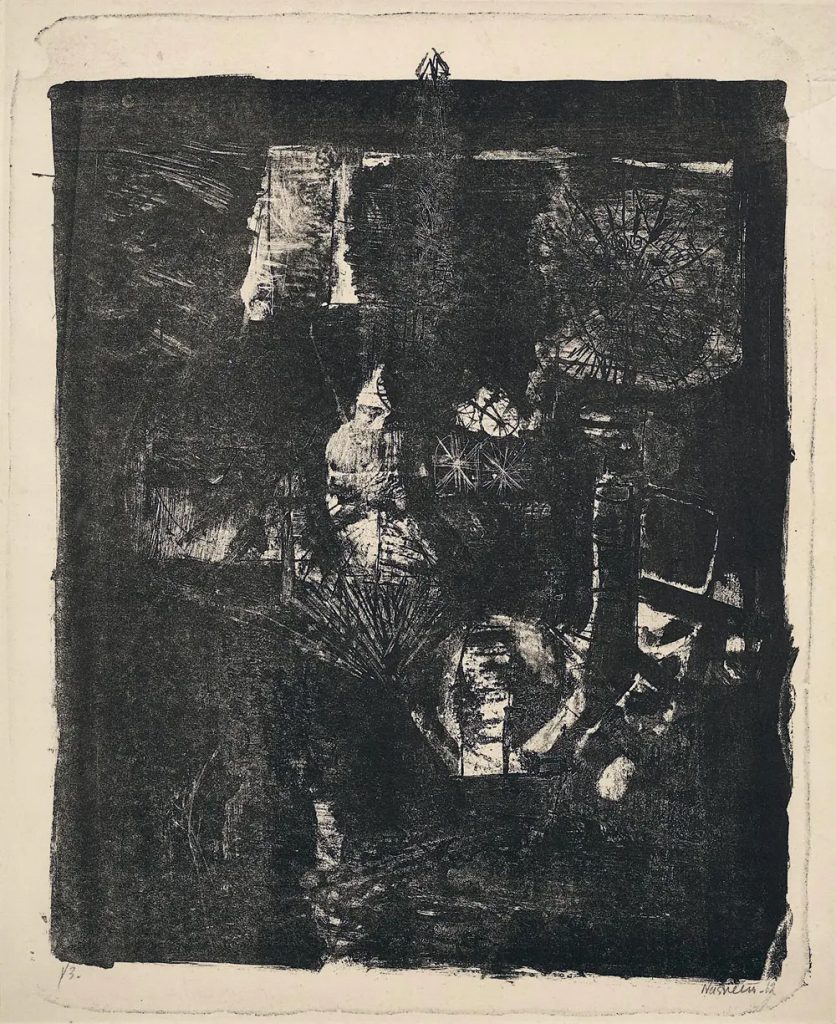
1. Nasreen Mohamedi
A Karachi-based abstract artist, Nasreen Mohamedi, was known for her minimalist works. She developed her own visual vocabulary from her personal experiences. The recurring motifs in her works are the precise lines, geometric structures, and subtle tones. She embraced silence, order, and geometric rhythm in her works. Through the use of restraint and discipline, she carved out a distinct modernist language. And today, her works are regarded as significant contributions to modern and contemporary Indian art.
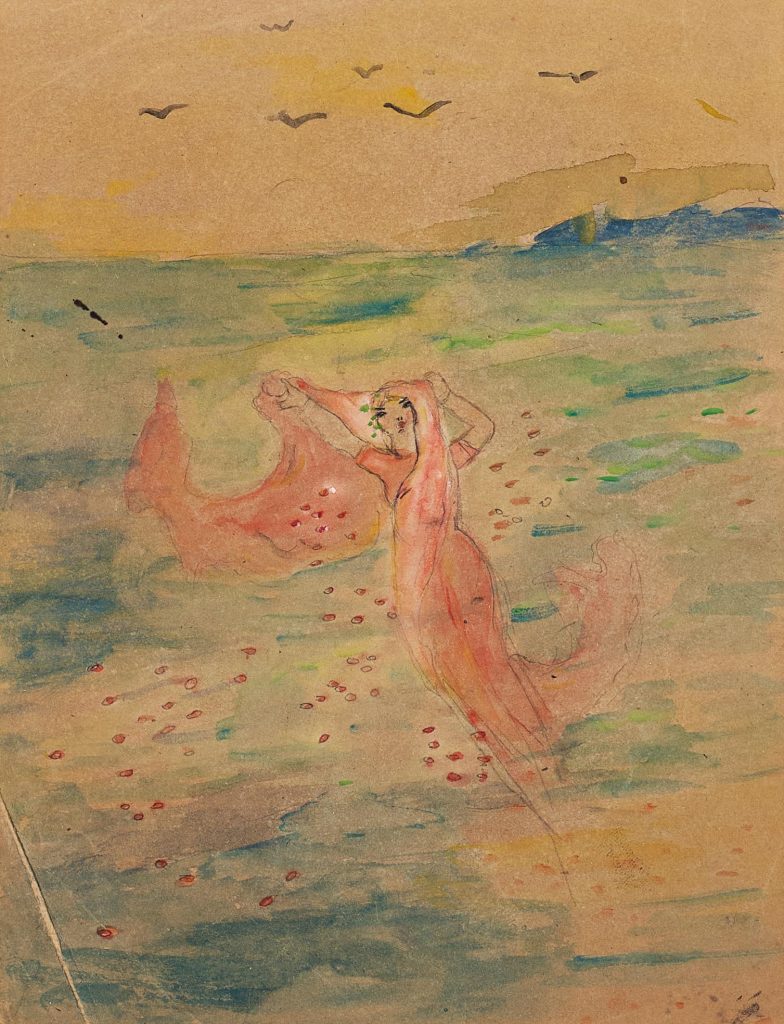
2. Amrita Sher-Gil
Pioneer of Modern Indian art, Amrita Sher-Gil is known for merging the European techniques with Indian themes in her paintings. Very often, she was considered and continues to be India’s first modernist woman painter. This was because she introduced a new artistic language to the Indian painting style. Through her works, she explored the female emotion, identity, and quiet introspection, which was very rare during the early 20th century. Her chosen colour palette and simplified forms, her unique perspectives on the nature of a woman’s social reality, helped shape the direction of modern Indian painting.
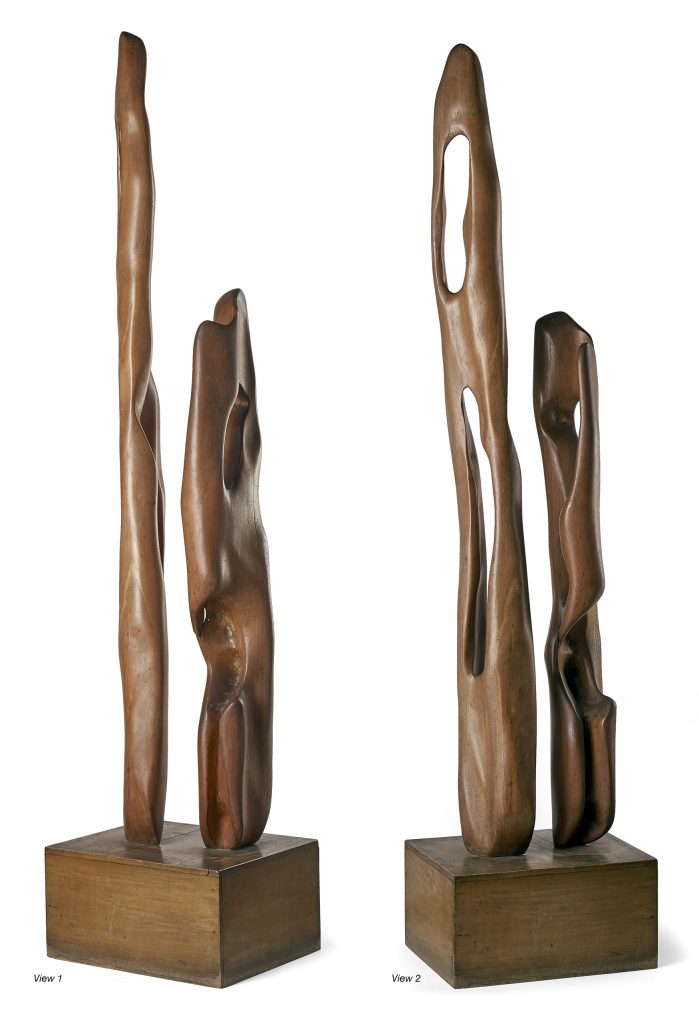
3. Pilloo Pochkhanawala
Modernist sculptor Pilloo Pochkhanawala was known for her monumental abstract works. She began her artistic career later in life, but she was a self-taught artist who was open to experimenting, especially with new forms. Theatrical sets and detailed drawings were two other mediums which Piloo used to express her visions. Her sculptures, which became her signature mark and got her recognition, were often made from industrial materials such as stainless steel and aluminum. This was due to her fascination with science, technology, and the possibilities of the space age, a fantastic exploration of the spirit of modernity.
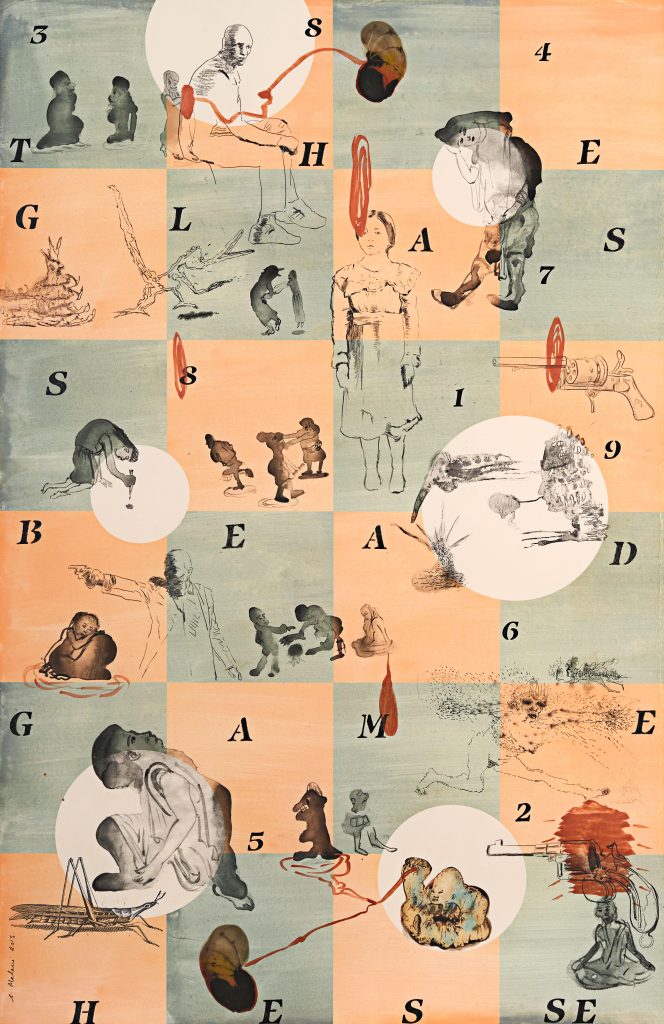
4. Nalini Malani
Hailing from the first generation of video artists, Nalini Malani has worked across a variety of mediums. She draws inspiration from mythology, literature, and history, and she reinterprets them through a feminist perspective for her art. The layered narratives in her immersive installations are a combination of moving images and sound. Malani has also worked in other mediums such as theatre and reverse painting on acrylic. Through her work, she addresses themes of gender, violence, displacement, and political conflict. Malani’s work challenges viewers to reflect on social injustice, memory, and human suffering.
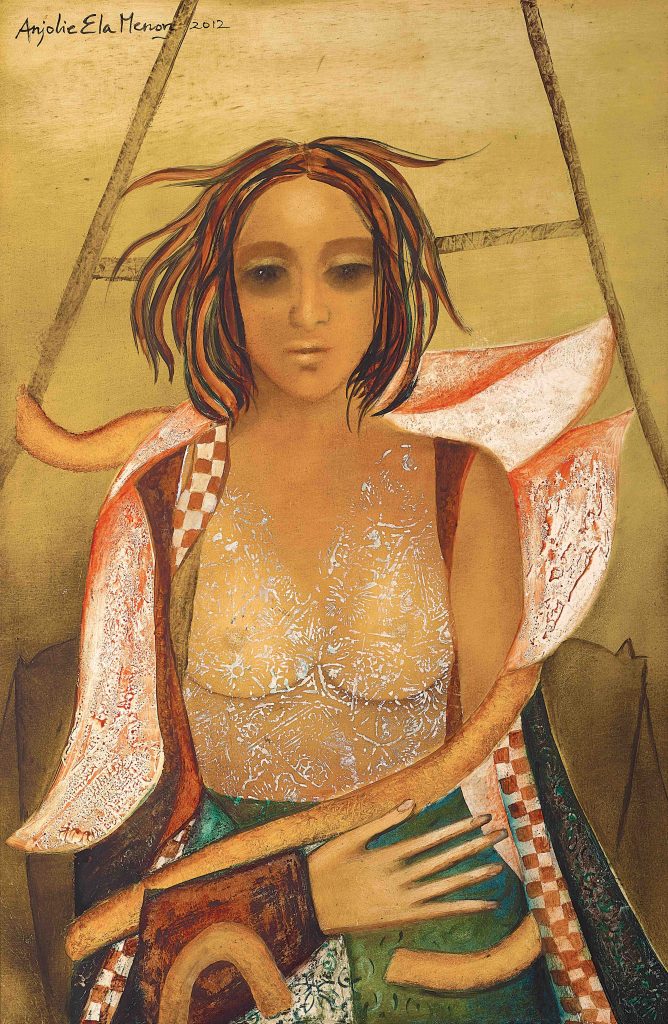
5. Anjolie Ela Menon
Modern artist Anjolie Ela Menon is recognised for shaping the modern figurative tradition in Indian art. The mood of her paintings is quiet and introspective, frequently depicting solitary figures, saints, women, and figurative characters. Menon developed a unique technique of thin translucent layers of oil paint on hard surfaces like masonite. Another unique aspect of her work is the way her figures appear with elongated forms that are like almond-shaped eyes. They possess a sense of spiritual stillness, reminiscent of medieval and Byzantine icons.
The life and works of these women artists must be brought up, celebrated, and talked about, as today we live in a forward-looking and more inclusive world. So that the next generation of women artists remembers that they too, can reshape the story of Indian modernism. Their artistic contribution also offers a great reflection of the view… that the history of modern Indian art is far more diverse than our basic understanding of India’s modern art movement.