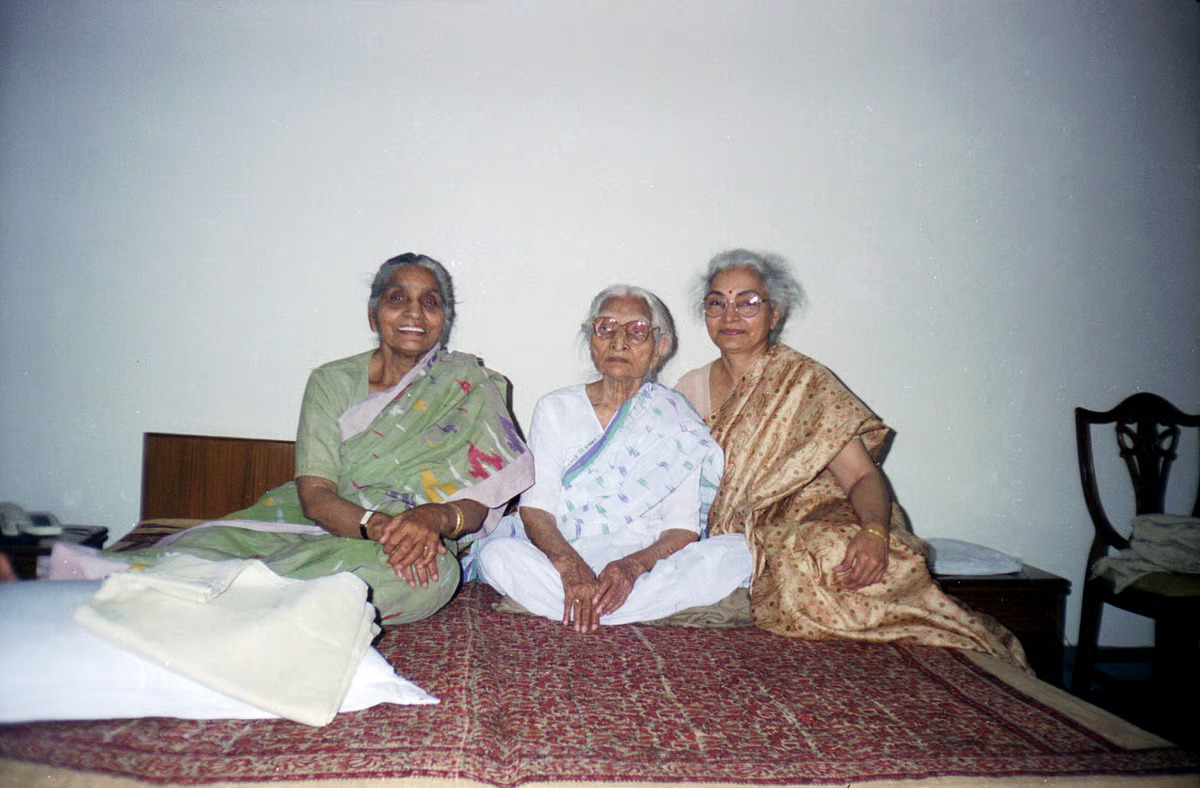
When I was growing up, my grandmother used to hum a song as she went about her day. As I grew older, I learnt that it was a lullaby. I never got a chance to ask her about the song or learn about its origins. But I remember it fondly and with nostalgia.
Lullabies are often viewed through a narrow lens, as something only meant for children. A soft-sounding melody that soothes a child and does little else. This prevalent view often misses the fact that a single lullaby can be so much more; it can be an archive of history and culture.
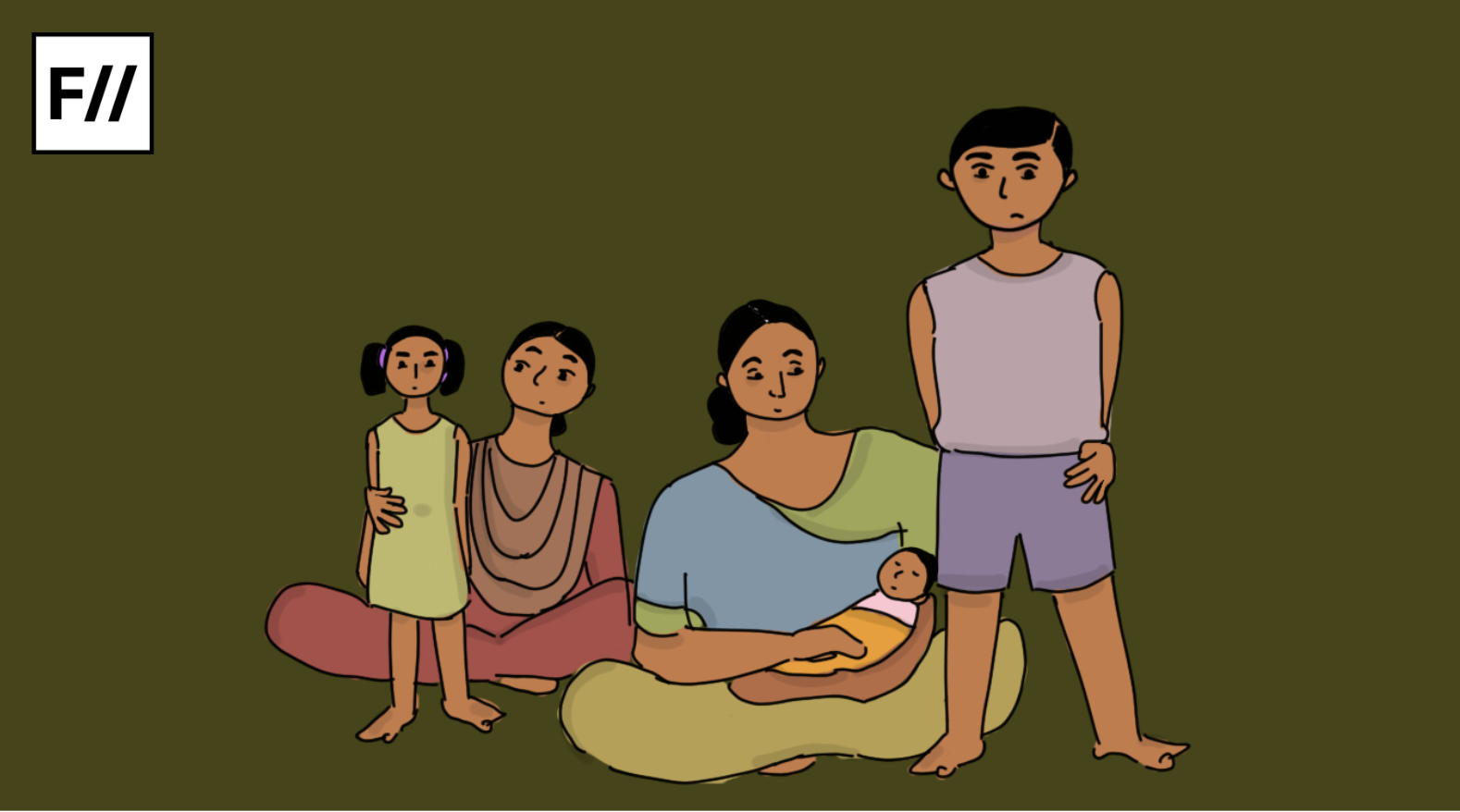
In South Asian households, lullabies were sung in quiet corners of refuge and surrender, where women could soothe a wailing child, away from the eyes of those who usually surrounded her. The song connected her to the child she was humming to and created a space for just the two of them.
The forgotten archive
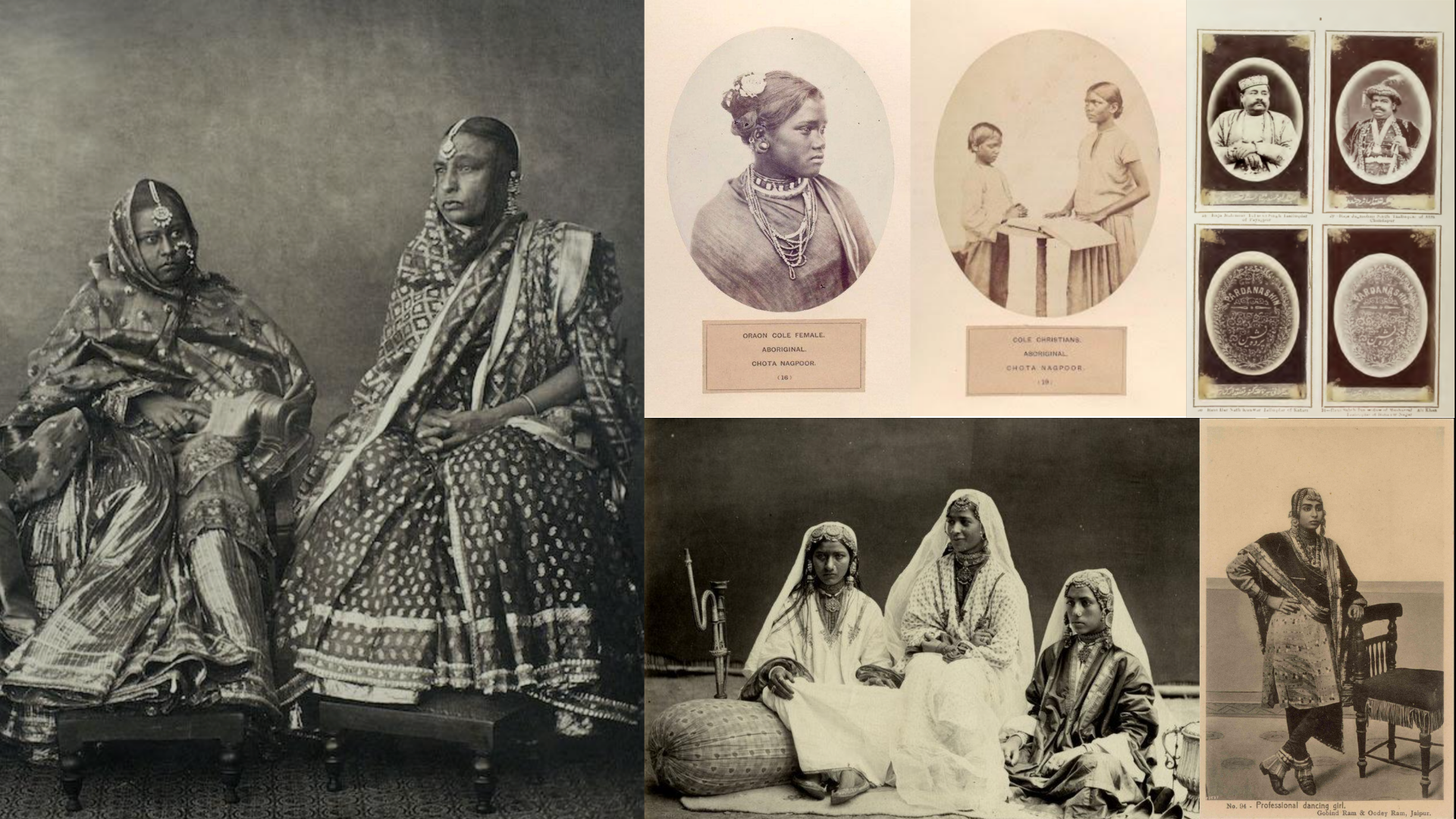
For generations, caste and gender have predominantly determined who gets to produce and contribute to written knowledge in South Asia. Writing, printing, archiving, and record-keeping have disproportionately been the province of wealthy, upper-caste men.
Writing, printing, archiving, and record-keeping have disproportionately been the province of wealthy, upper-caste men.
Historical archives created by women often included oral history and songs, including lullabies. Across regions and cultures in South Asia, these melodies carrying lore and wisdom and weight and warmth were sung. However, these songs held much more than melody or warmth; they carried stories about hunger, grief, loss, absent husbands, the dread of one’s daughter being married off too young, and the exhaustion from working in the fields. They carried commentary on wealth, household chores, and the zamindaari system.
It seemed like, through lullabies, women were soothing themselves and narrating their own realities, rather than just singing to a fussy infant. When understood through this lens, lullabies are deeply private melodies that came together in dimly lit rooms while nursing a baby, soothing a young child, or doing household chores. And because of this, they have the character of an archive that is held together by breath and repetition.
The historian Sudhir Kakar, writing on childhood and psychoanalytical life in India, noted how lullabies not only shape the inner worlds of a child, but also the inner worlds of the women singing. Researchers studying infant caregiving have noted for years that lullabies regulate the caregiver who does the singing as much as the child. The rocking, the low hum, and the repetition benefit both of them. For the women singing, it perhaps provided a sanctuary for everything that could not be spoken aloud.
Lullabies allowed women to tend to themselves through the socially acceptable act of caring for someone else.
However, this isn’t intended to position lullabies as a form of therapy, but to bring to light the blurred lines between caring for others and oneself. Lullabies allowed women to tend to themselves through the socially acceptable act of caring for someone else.
What is being lost today
Oral traditions, including folk forms, regional dialects, and lullabies, are soon vanishing, and their chains of transmission are growing increasingly fragile. The accumulated knowledge of generations of women, which mapped seasons and shifts in society and culture through songs, is disappearing.
Oral traditions, including folk forms, regional dialects, and lullabies, are soon vanishing, and their chains of transmission are growing increasingly fragile. The accumulated knowledge of generations of women, which mapped seasons and shifts in society and culture through songs, is disappearing.
Having said that, there are also efforts being made to preserve these oral traditions. In Maharashtra, thousands of folk songs composed and sung by women across hundreds of villages have been documented and recorded. There are now archives holding tens of thousands of hours of oral traditions, some dating back to the 1930s. More recently, lullabies in 13 languages (and counting) have been collected from families across the country, an acknowledgement that these songs matter as more than just a bedtime ritual. Slowly, lullabies are beginning to be treated as an archive of history, as they rightly should be.
These songs are legitimate archives of the lives of women; the same lives that were shaped by patriarchy, class, and caste. The women who sang these lullabies were people, not stand-ins for their era, and these songs reflect that. They present an honest account of women’s lives and experiences because these songs were sung during some of the only times women were not being surveilled. However, these histories preserved in melodies are getting lost with time, and we must remedy that because lullabies are a space where women’s histories live.