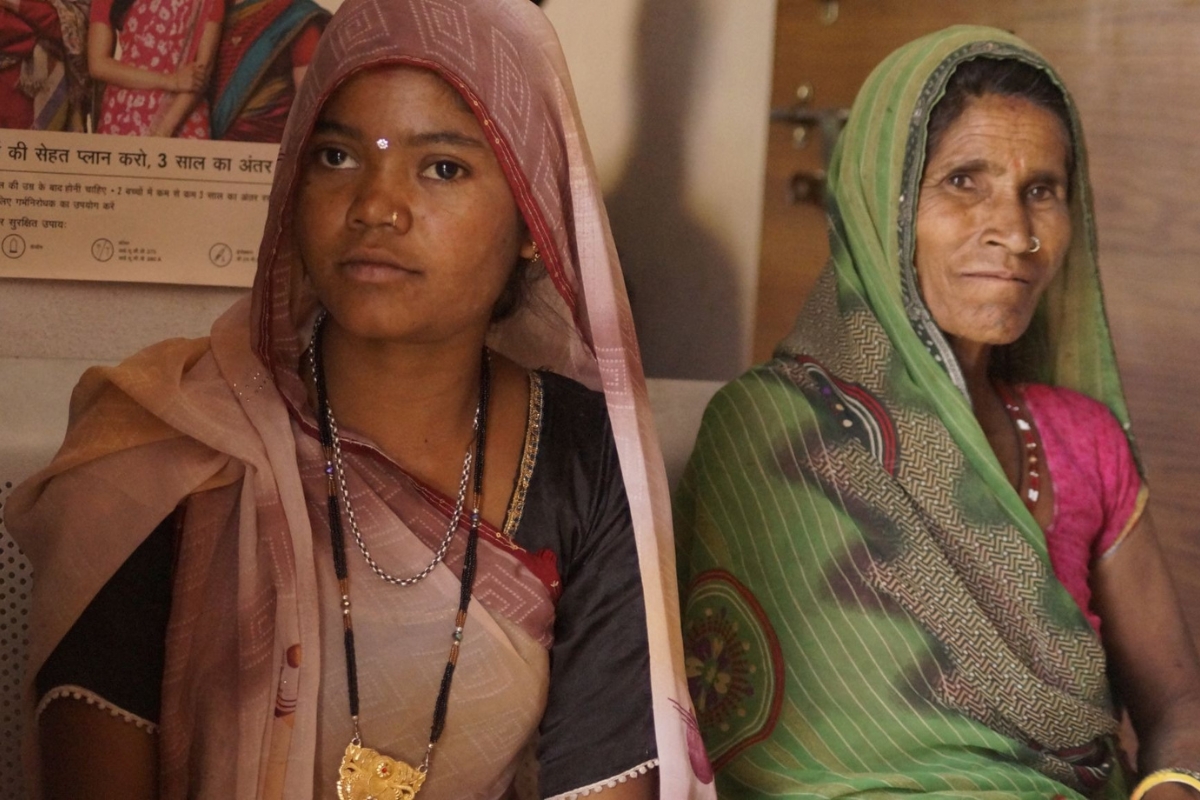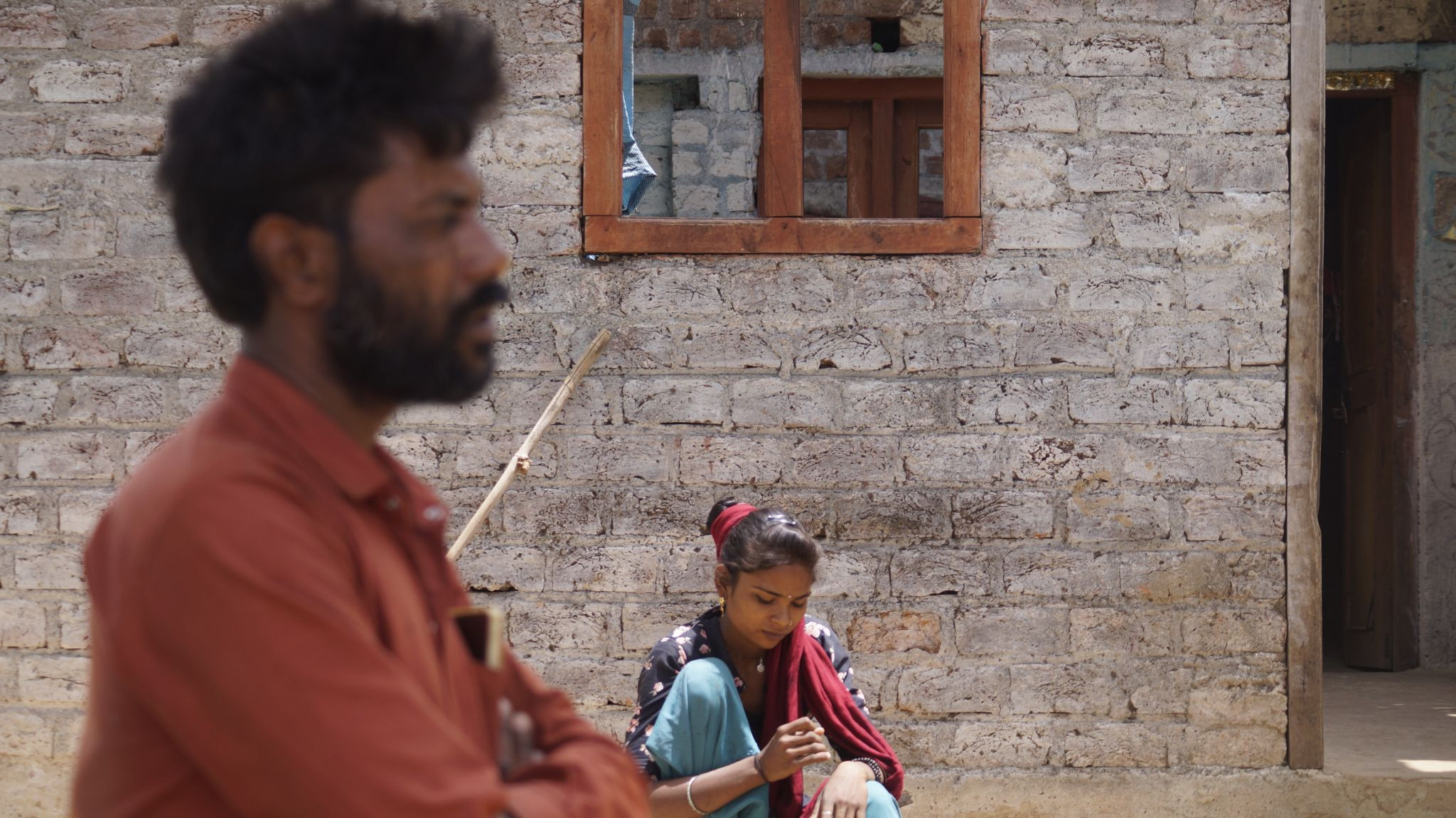
Bihar, India: “Eight years and still feels like I am living alone“, says Sunita Kumari*, a 38-year-old farmer from Bihar’s Bhagalpur whose husband has been working in a factory in Delhi for most of the past decade.
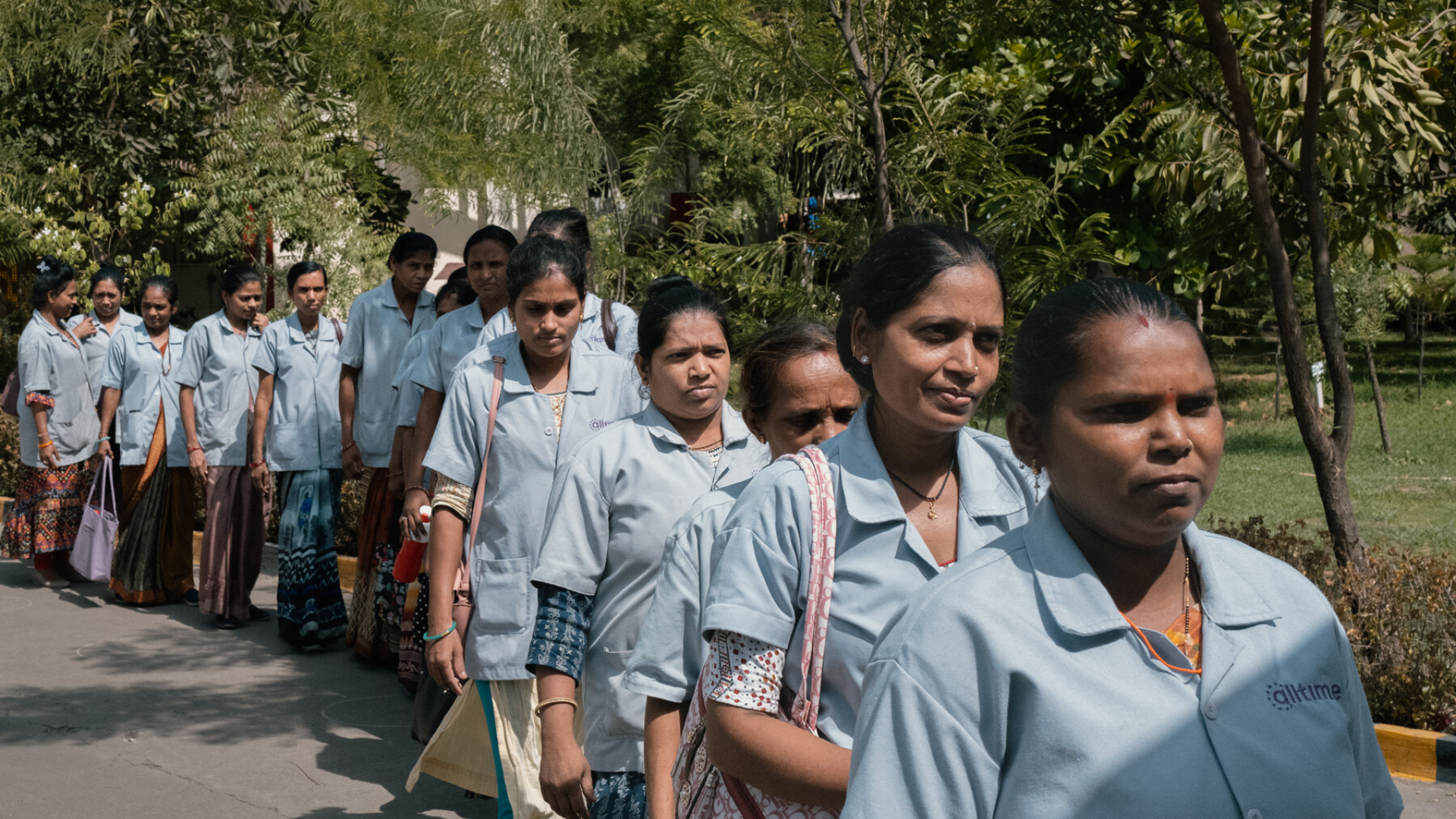
According to the Periodic Labour Force Survey 2023-24, rural male outmigration has reached an estimated 112 million, with nearly 45% of the rural male workforce leaving home for work. This mass movement has shaped rural villages in India, leaving around 30 million women like Kumari as de facto heads of their households as they manage farms, raise children, and navigate economic systems.
Feminisation of Responsibility
When women begin to shoulder more responsibility for running the household, economically and socially, there is an increase in the feminisation of responsibility in rural India. It is rather about how the burden shifts amongst women. Men migrate to urban areas to earn a living, leaving women to shoulder these responsibilities.
According to the Ministry of Statistics & Program Implementation (MoSPI), the burden of caregiving continues to largely rest on women in India. In agricultural households in rural India, an estimated 23% of women aged 15 to 59 years work in domestic activities, which requires them to devote most of their day to this work.
“Before, my husband would make the call about sowing or selling. But now the farmland belongs to me, but the land is not entitled under my name“, says Kumari. The result has been longer hours of human labour and more complex decision-making processes.
Women are expected to behave like household heads while remaining submissive in public. If I visit the mandi on my own, some men ask me, ‘Why have I come without my man?’, says Geeta Devi*, from Gorakhpur, Uttar Pradesh.
Violence and Vulnerability
Violence does not evaporate in the absence of men but takes different forms that are less easily recorded. Women in places characterised by substantial out-migration talk of the ever-present threat of surveillance of being watched, gossiped about and controlled in ways that leave very little trace. “After he has been away for months, he always asks me things like ‘where were you?’ and ‘who were you talking to?’ As soon as I ask him the same thing, a fight is fueled“, says Kumari.
Spousal violence rates in rural areas often exceed 30-40% [Karnataka = 44%, Bihar = 40%, Tamil Nadu = 38%], highlighting that violence is common and precisely high in villages where outmigration rates are high.
There is an extent to which separation makes men vulnerable, and some become anxious about their wives and their social standing, even as they depend on their earnings.
Harassment and moral policing from family members all fall under the unreported reality of India. In such an environment where the law is discouraging and the sense of community is fragile, vulnerability becomes an occasional experience, and the reality follows the additional burden of women.
Land and Property
In rural India, land isn’t merely property but an essential component of a person’s self-respect and security. In rural India, women contribute up to 80% of farm labour, out of which 33% are agricultural labourers.
For women in areas with high migration levels, owning land in their names remains a distant dream despite working long hours in the field. The land these women cultivate does not legally belong to them. “I am the one who decides what to sow and when to sell, but when I need loans, they demand my husband’s signature“, said Kumari. There is hence a fundamental contradiction between work and ownership.
Intergenerational Impact
Men of the house are absent for months and sometimes years at a time, and children grow up in the shadows of absence. “My son asks why his father comes home only for festivals“, says Kumari. Emotional distance has become a routine adjustment for them.
Teachers in high-outmigration districts often report irregular attendance and declining performance, especially among older children who are pulled into farm work or household duties.
A 2024 study on children of internal labour migrants in Delhi finds that 23.8% of children aged between 6 and 14 in migrant households lost the opportunity to attend school, meaning they were effectively out of school or with very disrupted attendance.
Migration increasingly ceases to be an event and becomes an inheritance for the children. Sons begin to witness their fathers leaving before sunrise and returning only during the harvesting seasons, gradually becoming convinced that migration is the only way out.
Girls, meanwhile, often absorb the consequences differently as they step into caregiving roles far earlier than they should. Older daughters cook, tend to younger siblings and assist their mothers in farm work.
Emotional toll rarely finds public expression. “When I come home, my children hesitate around me for the initial days“, says Rakesh Kumar, a migrant factory worker in New Delhi. “I send them money every month, but sometimes it feels like I’ve missed their growing years.” In many homes, remittances help sustain education and survival.
Absence however reshapes family relationships where fathers become providers from afar and mothers become overextended anchors, children learn early that care and sacrifice are often measured through distance.
*Name changed upon request of the individuals
About the author(s)

Aditya Ansh is a freelance media writer based in South Asia. His works have been featured in Mongabay, The Hindu, Indiaspend, etc.

Bhaavya Kashyap is an independent writer based in South Asia.