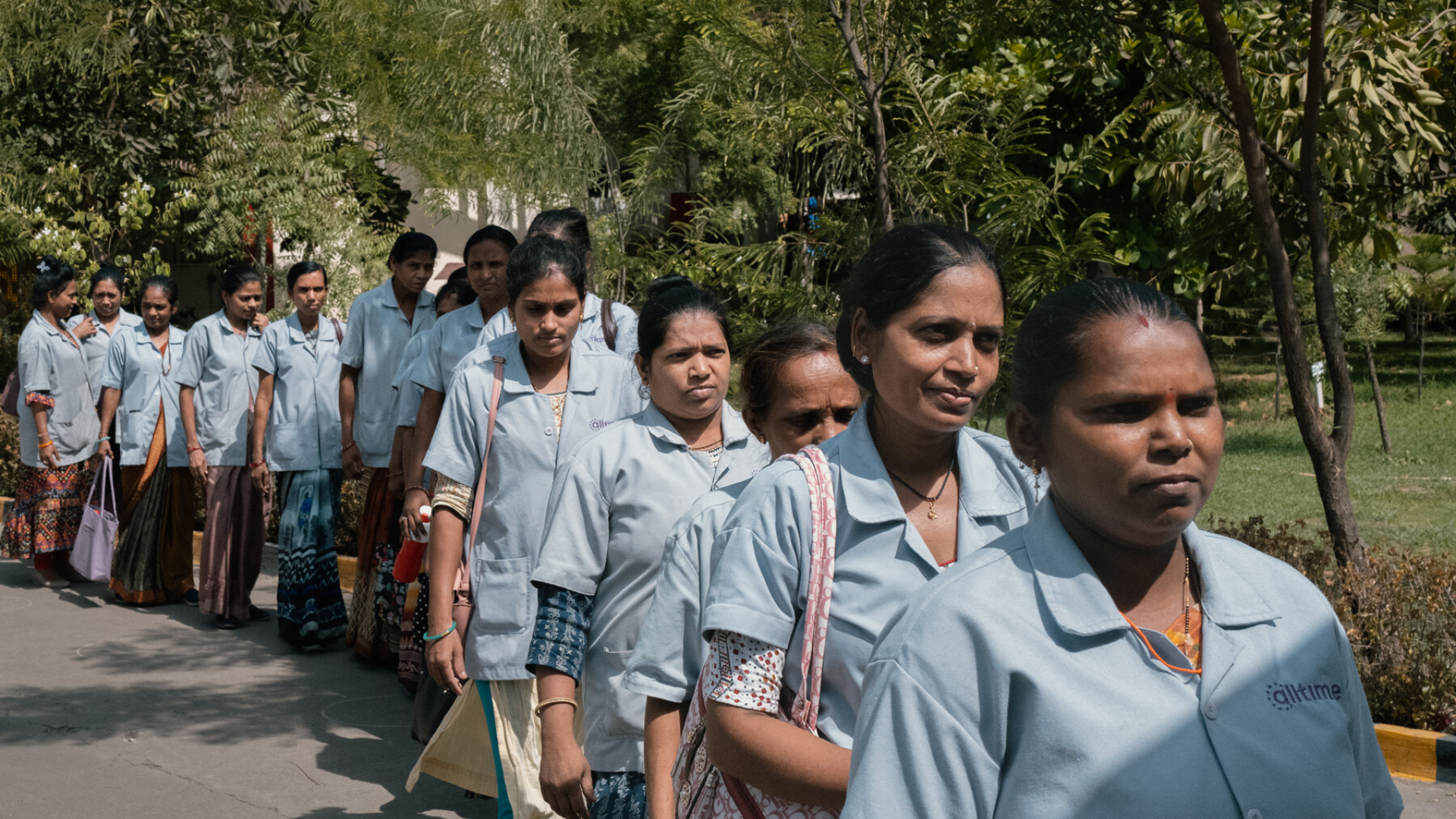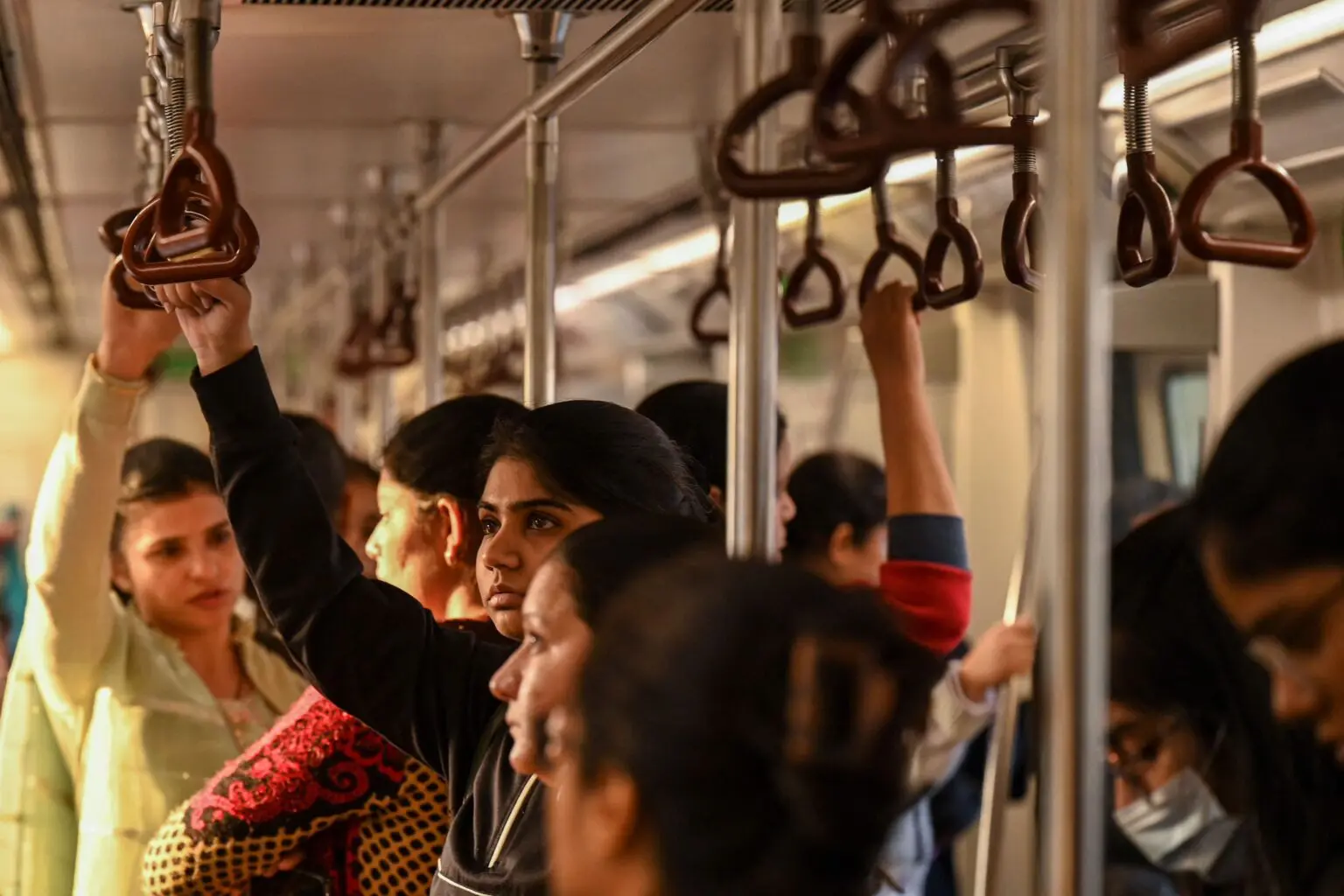
Think about this scene which unfolds every day in Indian cities: two people leave for work at the same time from the same neighbourhood. One hops on her two-wheeler, takes the quickest route, and reaches her workplace in twenty minutes. The other person is left waiting at a bus stop, enduring the heat before getting on a bus that makes several stops before reaching the right one. After a bit more walking, she finally arrives at the same destination, but an exhausting forty-five minutes later.
Both make it to work, yet the second person has already spent almost an hour battling the sun, dealing with inconsistent lighting, and worrying about her safety. This scenario isn’t just a hypothetical — it highlights the broader issues urban design creates for women in terms of their time, energy, and economic opportunities.
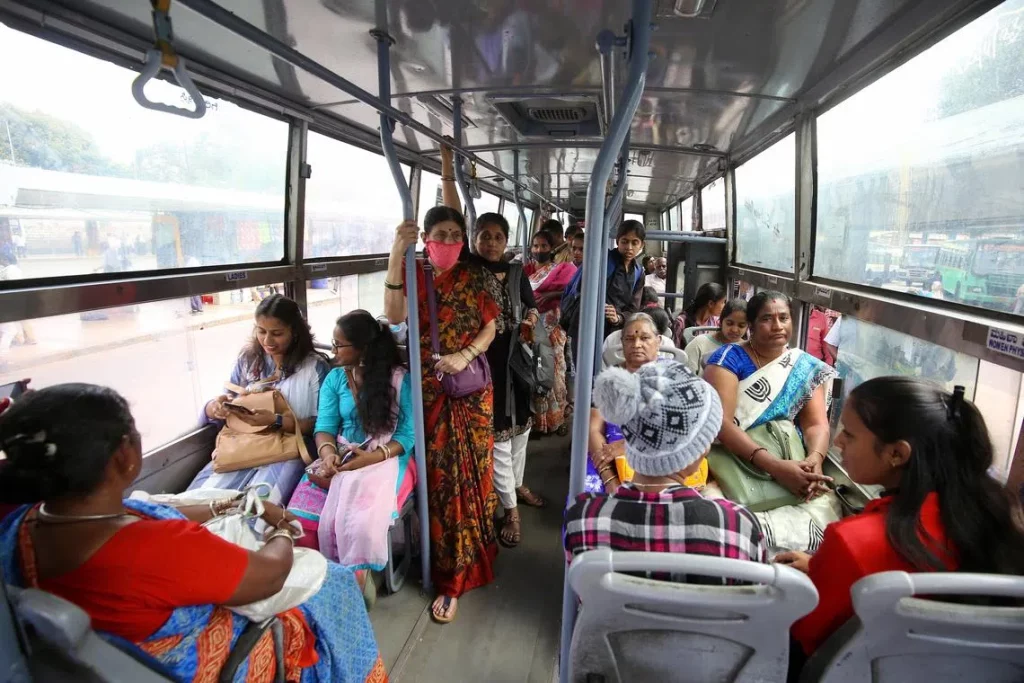
A 2022 World Bank report on gender-sensitive urban commuting revealed that 45.4 per cent of women in India walk to work, compared to just 27.4 per cent of men. This isn’t because women prefer walking; it’s often due to financial constraints. For many women, faster transport options like two-wheelers, auto-rickshaws, or taxis can be too expensive, especially when considering their typically lower wages. In fact, 84 per cent of women’s work-related trips were made using public or non-motorised transportation, which remains underfunded and poorly designed by city planners.
A 2022 World Bank report on gender-sensitive urban commuting revealed that 45.4 per cent of women in India walk to work, compared to just 27.4 per cent of men.
The way we commute has a direct effect not only on the range of job opportunities available to us, but also on whether we can hold a job at all. A woman who relies on walking or on a bus that is infrequent and unpredictable automatically narrows her job prospects. Meanwhile, her male counterpart, who has quicker and cheaper transport options available, can access a wider variety of employment opportunities. This disparity in mobility reflects a gap in opportunities that is deeply embedded in our urban infrastructure.
Women don’t travel through cities the same way men do
Women often travel differently from men. For a woman working outside the home, for instance, a typical day isn’t just about driving straight from home to work and back. It involves various stops — dropping off kids at school, buying groceries, taking a parent to a doctor’s appointment, among other things. These trip-chained journeys are not simple and singular. A metro or bus system designed solely for direct routes does not meet the realities of many women’s lives. This makes such systems of transportation inefficient for their needs.
The effects of ignoring these commuting challenges can be seen not just in transportation data, but in employment statistics. Research in Delhi’s resettlement colonies shows that when low-income families are moved to the city’s outskirts under the guise of rehabilitation, women often lose access to the local informal economies that provided them with work, including domestic jobs, small markets, neighbourhood networks, and nearby employers. While many men manage to travel to their previous workplaces, women, who also have to handle childcare and household responsibilities, often cannot afford the long and costly commute. Making distance itself a barrier to earning.
This is not a unique situation. A World Bank study in Mumbai found that even though women commute for the same amount of time as men, they have access to fewer job opportunities. This is because they travel more slowly, cover less distance, and reach fewer potential workplaces. Both men and women may spend an hour commuting, but women’s routes on foot or on slower buses mean they cover much less ground than men, who often travel on two-wheelers or express trains. This linked issue of time scarcity and limited mobility worsens the challenges women face in the workforce.
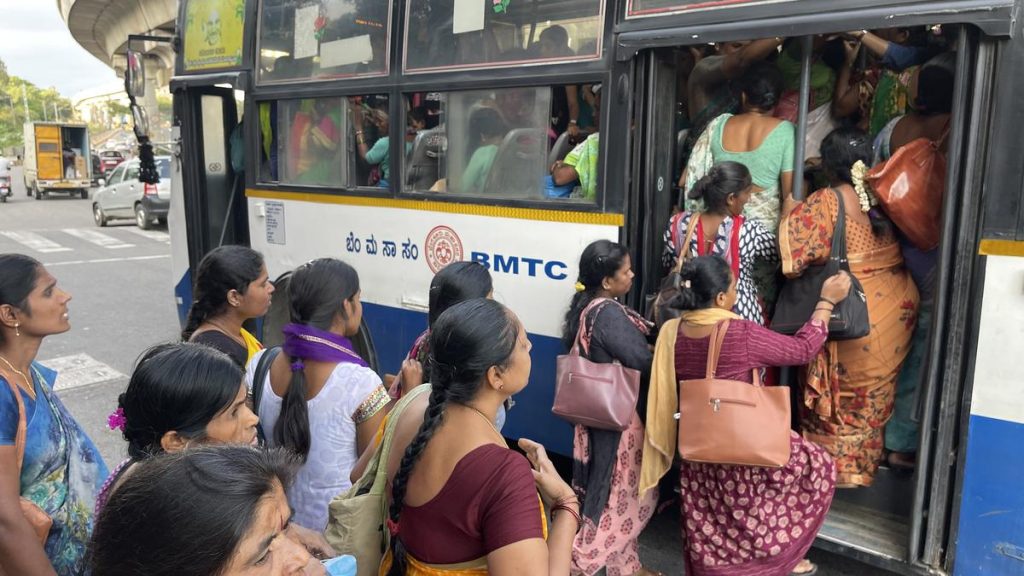
Although women’s participation in the labour force has increased, as shown in the Periodic Labour Force Survey 2023-24, it remains significantly lower than men’s, especially in urban areas. While transportation is only one factor contributing to this gap, it is a structural issue that cities often ignore.
What cities look like when women are included
However, some cities across the globe are starting to recognise this problem and tackle it. For example, in Senegal’s Dakar, the bus rapid transit (BRT) system was designed with women’s safety and employment needs in mind. The system features dedicated lighting, women’s waiting areas, and initiatives to hire women drivers and staff. When women can see themselves represented in the transport network, their attitude towards public transport shifts from one of fear to one of ownership.
When women can see themselves represented in the transport network, their attitude towards public transport shifts from one of fear to one of ownership.
In Rio de Janeiro, the city offered free bus passes for women escaping domestic violence, recognising that transport costs can trap women in harmful situations. By removing the financial obstacle to accessing shelters or legal support, this initiative became an essential safety measure.

Similarly, in Equador, Quito’s Metro Line One aimed to employ women in nearly 40 per cent of its workforce while enforcing anti-harassment measures within the system. The rationale is simple: a metro with women staff creates an environment where harassment is less tolerated and can be more easily addressed. Additionally, women passengers gain advocates, turning public spaces from zones of discomfort into areas of safety and engagement.
These examples highlight an important truth: transport is not merely a technical issue; it is a deeply political one. Choices about transportation infrastructure and hiring practices directly impact who benefits and how.
Affordable transport alone is not enough
However, India has also made some progress in this regard. Delhi’s Safetipin initiative conducts safety audits to identify dangerous spots in the city to improve lighting and infrastructure based on women’s safety concerns. By examining where women feel unsafe during their daily travels, we can take concrete steps to improve infrastructure. In a world where daily commutes are a fundamental part of life, addressing these gender-specific needs in urban planning is vital for a more equitable society.
By examining where women feel unsafe during their daily travels, we can take concrete steps to improve infrastructure. In a world where daily commutes are a fundamental part of life, addressing these gender-specific needs in urban planning is vital for a more equitable society.
Some Indian cities, including Delhi, Bengaluru, and Hyderabad, have introduced free or subsidised metro and bus rides for women. These fare subsidies have broadened access for certain women in these areas. However, lower fares or no fares alone do not change the issues concerning the route network, frequency, lighting at bus stops, or the design of systems focused on the typical 9-to-5 commute. They only marginally reduce costs without aligning the service to the actual journeys women need to undertake.
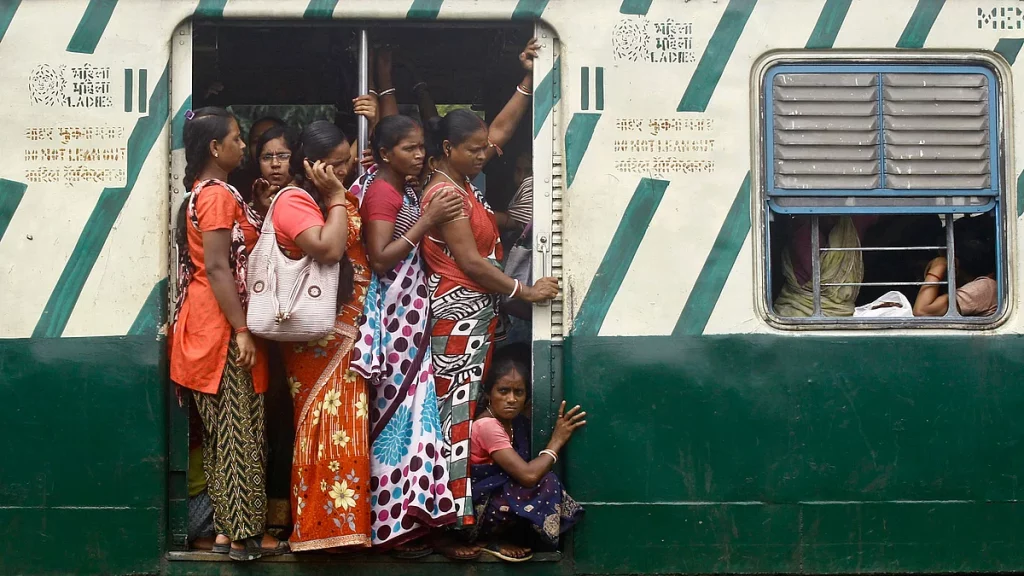
Who the city was built for
Describing what an Indian city that seriously considers women’s mobility would look like is not particularly complicated. It would feature bus stops that are well-lit and have toilets. Routes would reflect where care work occurs, such as markets, schools, clinics, and care centres, not just office locations. Services would run early and late enough for women working in domestic service, hospitals, and night shifts. Women would be hired as drivers, conductors, and safety staff in meaningful numbers. Safety audits would be conducted on routes before and after introducing these changes, and their results would be made publicly available.
The issues of transport and care are two sides of the same coin and are integral to assessing if a city is designed for women to fully participate in it.
Such a city would also recognise, as the World Bank toolkit clearly states, that transport planning cannot be separated from childcare infrastructure. A woman who cannot afford a daycare near her workplace cannot accept a job, regardless of how cheap the bus fare is. The issues of transport and care are two sides of the same coin and are integral to assessing if a city is designed for women to fully participate in it.
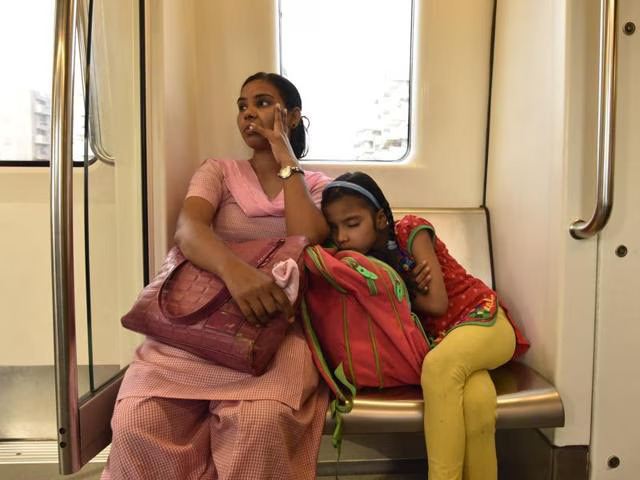
The city as it exists today was primarily built for commuters who have someone at home managing care work, who can afford a two-wheeler or a cab, and who travel in one direction during predictable hours. This idea of the typical commuter does not represent most women. The design choices resulting from envisioning this commuter as the norm — such as route networks, fare structures, lighting budgets, and timetables — carry costs that women bear daily. They spend more time, energy, and limited income on navigating the city than their male counterparts.
A city that expects women to move like men has not been designed for women at all. It has been created for one type of person and is merely labelled as universal. The necessary adjustments go beyond simple changes like ramps or reserved seats. They require a recognition that mobility equals access and that this access has been unevenly distributed by design.