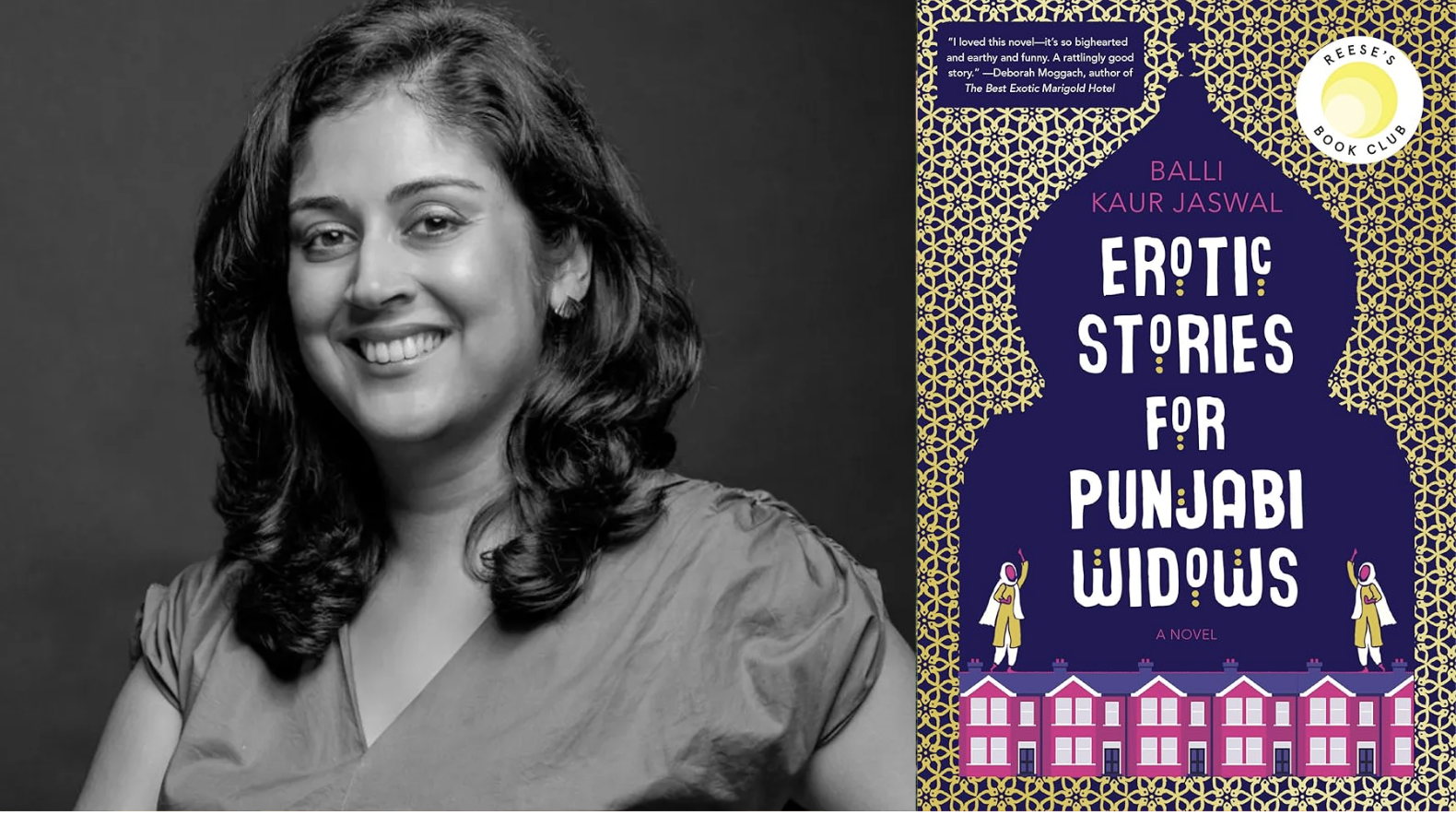
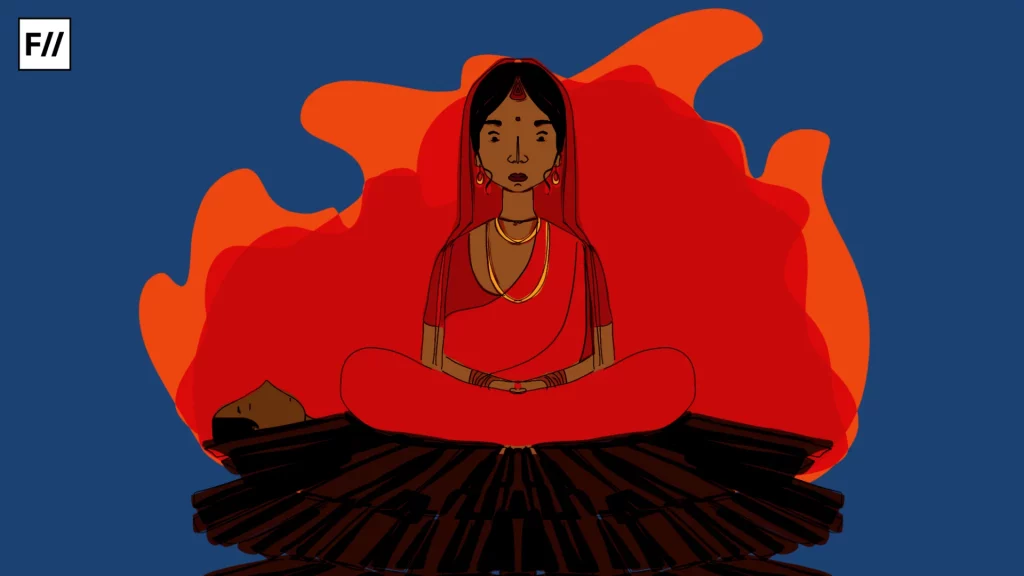
The practice of sati was banned in India in the early part of the 19th century. However, despite the practice ending, widows in India continue to face brutal forms of marginalisation. Within our culture and society, a woman’s existence often ceases to matter after her husband’s death. Over 54 million Indian women are widows, and they routinely experience social stigma, isolation, and increased rates of mental health issues.
Subverting the dominant narrative on widowhood
Widows are often viewed through a narrow, prejudicial lens by society. However, Balli Kaur Jaswal’s Erotic Stories for Punjabi Widows is here to change that. Imagine a group of widows walking into a creative writing class. The same widows that we often view as being passive, living in isolation, and being voiceless. However, they are now writing stories — erotic stories. They are discussing their stories with each other and talking about sex, not in whispers but in exceptional detail. This is not how society expects widows to behave, but this is exactly what they do in Jaswal’s story.
The book opens with a community writing class, but later unfolds into something far more subversive: a literary rebellion staged through stories written in the language of erotica and a group of older widows finding themselves through their writing. And their writing is explicit, unapologetic, and, in the eyes of society, dangerous.
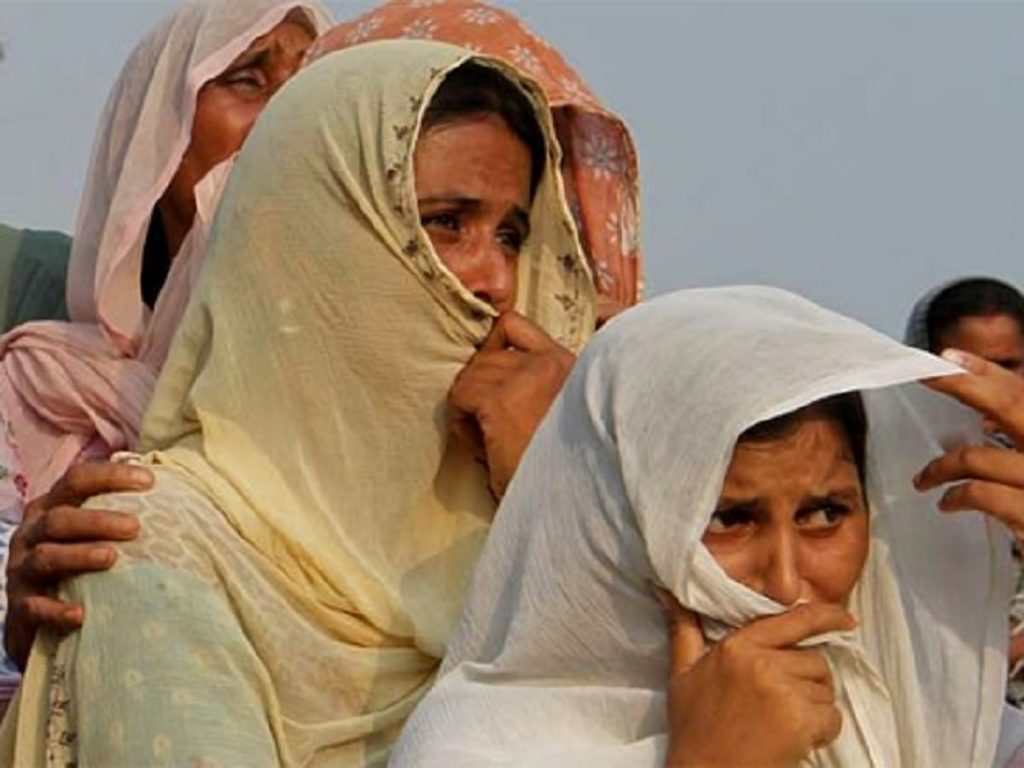
On the surface, the novel seems to be a jovial account of women finding themselves; however, beneath the surface, it forces readers to reflect on a significant question: Why does a widow’s desire feel more scandalous than her invisibilisation in society?
The myth of the non-sexual widow
Across many South Asian cultures, widowhood has long been viewed as not merely a personal loss but as a social transformation of the self and the being. A kind of transformation that shrinks one’s personhood. Women losing their husbands are stripped of colour, ornamentation, and choices — in all their forms. Safe to say that in Erotic Stories for Punjabi Widows, the colourless, unadorned widow without agency is being re-scripted.
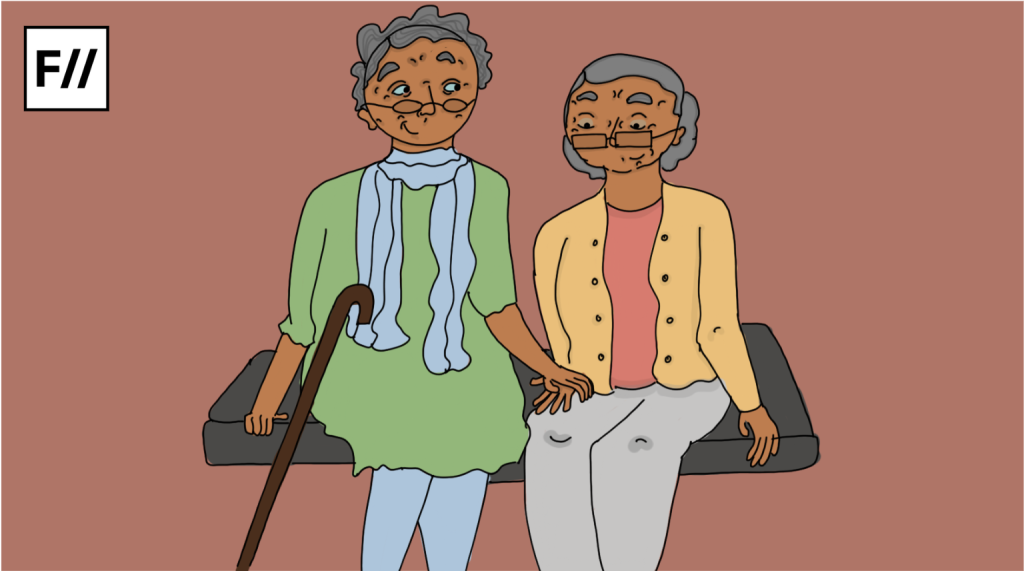
The cultural narratives surrounding widowhood have always served a clear purpose. A single woman, especially one who is widowed, is deemed to be potentially disruptive because she is viewed as being socially unanchored. Therefore, the motive across generations has been to render her non-threatening by desexualising and domesticating her to the point that she becomes invisible. In this way, widowhood is regulated and ultimately turned into an identity.
A single woman, especially one who is widowed, is deemed to be potentially disruptive because she is viewed as being socially unanchored.
Within such a constricted framework, exercising desire is not merely inappropriate; it’s a destabilisation of the patriarchal system that thrives on the oppression of women and the suppression of their voices. Erotic Stories for Punjabi Widows unsettles this architecture by challenging the narrative that desire is disobedience.
Indecency as a form of rebellion
The women in the novel do not venture out of their homes to revolt. They venture out to learn a new skill, kill time, and perhaps even to claim a small measure of independence. However, as is characteristic of language learning, once acquired, language refuses to stay silent. It opens doors that cannot be closed again.
When the women in Jaswal’s book begin to write these erotic stories, they initially read as repetitive and exaggerated, yet they uncannily mirror their unfulfilled sexual desires. This itself violates a deeply internalised patriarchal rule: that once women lose their spouses, they must exit the domain of the erotic for the rest of their lives.
Erotica is often relegated to the margins of literature. It is considered profane, excessive, and unserious; a form that indulges but does not interrogate. However, Balli Kaur Jaswal turns this sidelining of the genre into a strength in her book.
Erotica is often relegated to the margins of literature. It is considered profane, excessive, and unserious; a form that indulges but does not interrogate. However, Balli Kaur Jaswal turns this sidelining of the genre into a strength in her book. The women of Erotic Stories for Punjabi Widows speak in a language that does not seek to police, contain, or diminish them — they speak in the language of erotica.
When the women in the novel write erotic stories, they bypass the constraints of patriarchal respectability altogether. By exploring the desires of those not typically associated with desire, the novel makes for a radical and unconventional read.
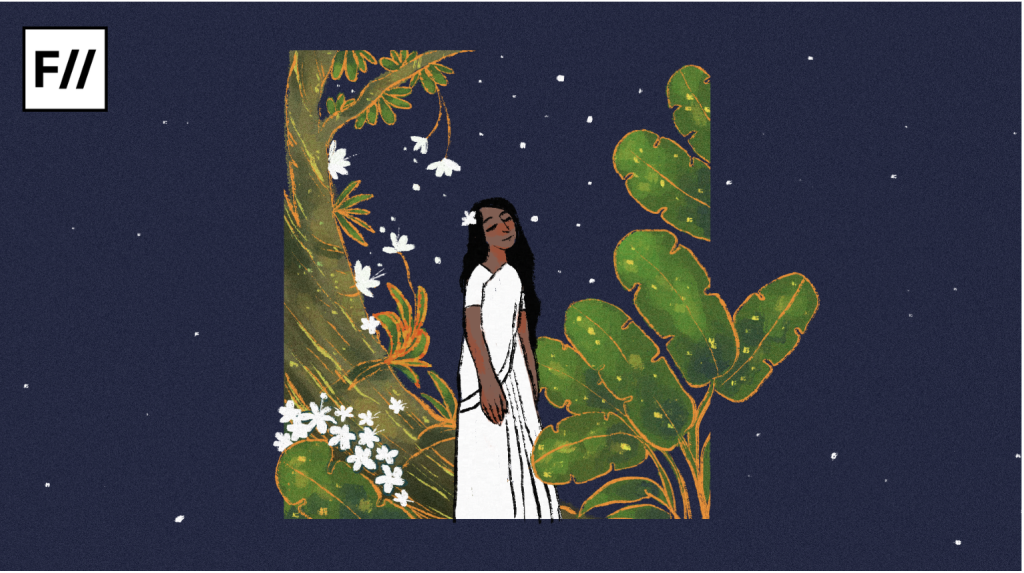
However, the novel doesn’t offer a simple narrative of liberation. It is paradoxical in the sense that as much as it strives for liberation, it also resists it. This is made evident by the scenes where the group of women is split into two, wherein one enjoys writing the stories while the other judges them for doing so.
Through this, the book highlights that patriarchy does not solely thrive through external expectations and prohibitions placed on women but also sustains itself through internalisation. It endures not only because it is enforced but because it is accepted. The classroom for creative writing in Erotic Stories for Punjabi Widows, therefore, becomes a site of negotiation between desire and discipline and imagination and inheritance.
The classroom for creative writing in Erotic Stories for Punjabi Widows, therefore, becomes a site of negotiation between desire and discipline and imagination and inheritance.
The unease and discomfort, if any, that the novel evokes is telling and challenges our assumptions of what widowhood must look like. Perhaps what is transgressive is not that these women write about sex and their sexual desires, but that they have, through the medium of erotica, dared to assert their desire to live and relish life, something widows are expected to sacrifice upon the death of their husbands.
About the author(s)



I do not even understand how I ended up here, but I assumed this publish used to be great
What a fantastic resource. I have bookmarked this and will be referring back to it regularly. Thank you for taking the time to put this together so thoroughly.