Open any main document related to women’s employment schemes, such as PMMVY, the National Rural Livelihood Mission, and Pradhan Mantri Kaushal Vikas Yojana. Notice the terms that appear frequently. You will see ‘women,’ ‘mothers,’ ‘beneficiaries,’ ‘women from weaker sections,’ and ‘women of marginalised communities.’ However, you will rarely find terms like ‘worker,’ ‘labourer,’ or ‘rights-holder.’ This is a broader reflection where welfare replaces rights.
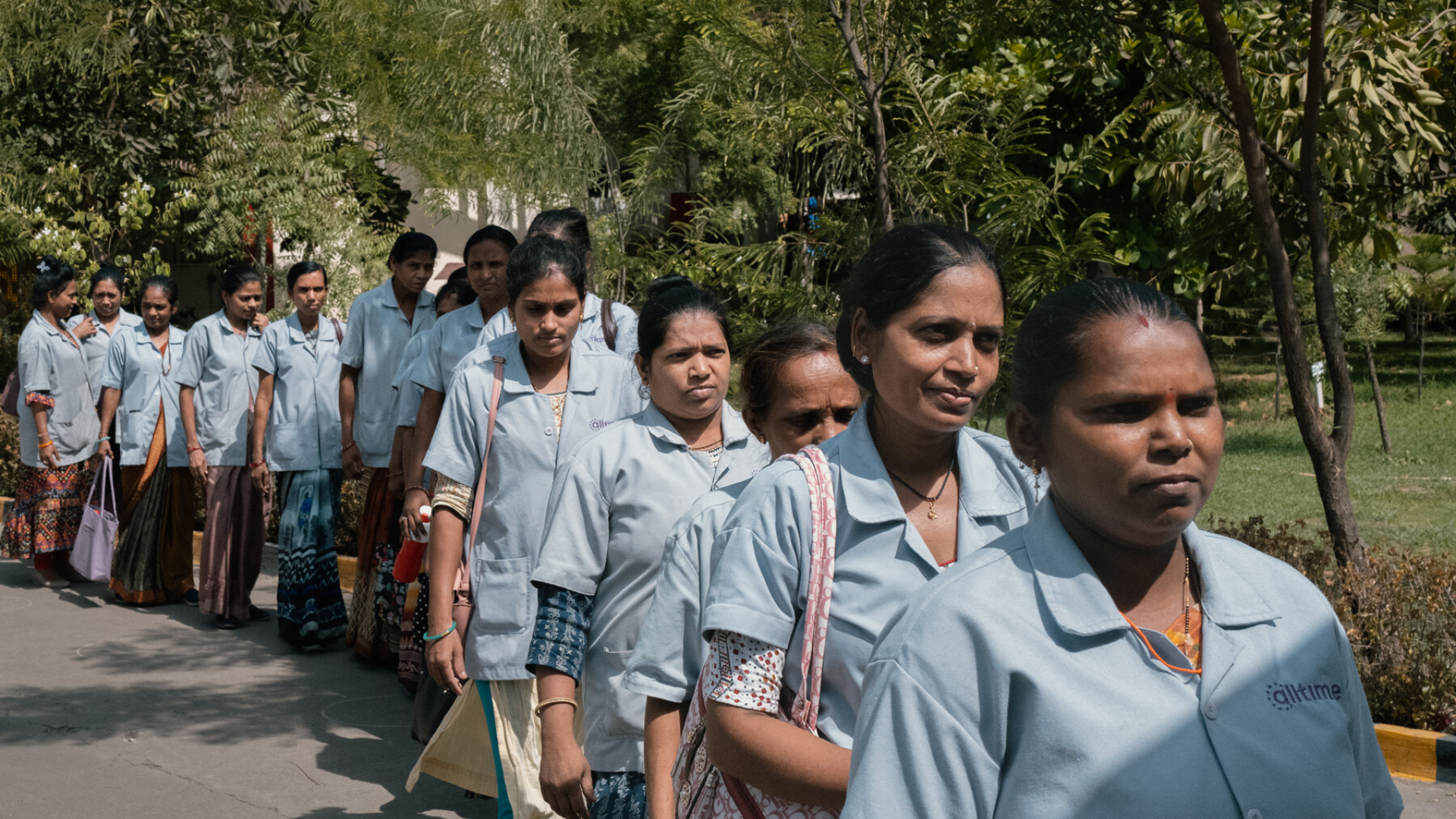
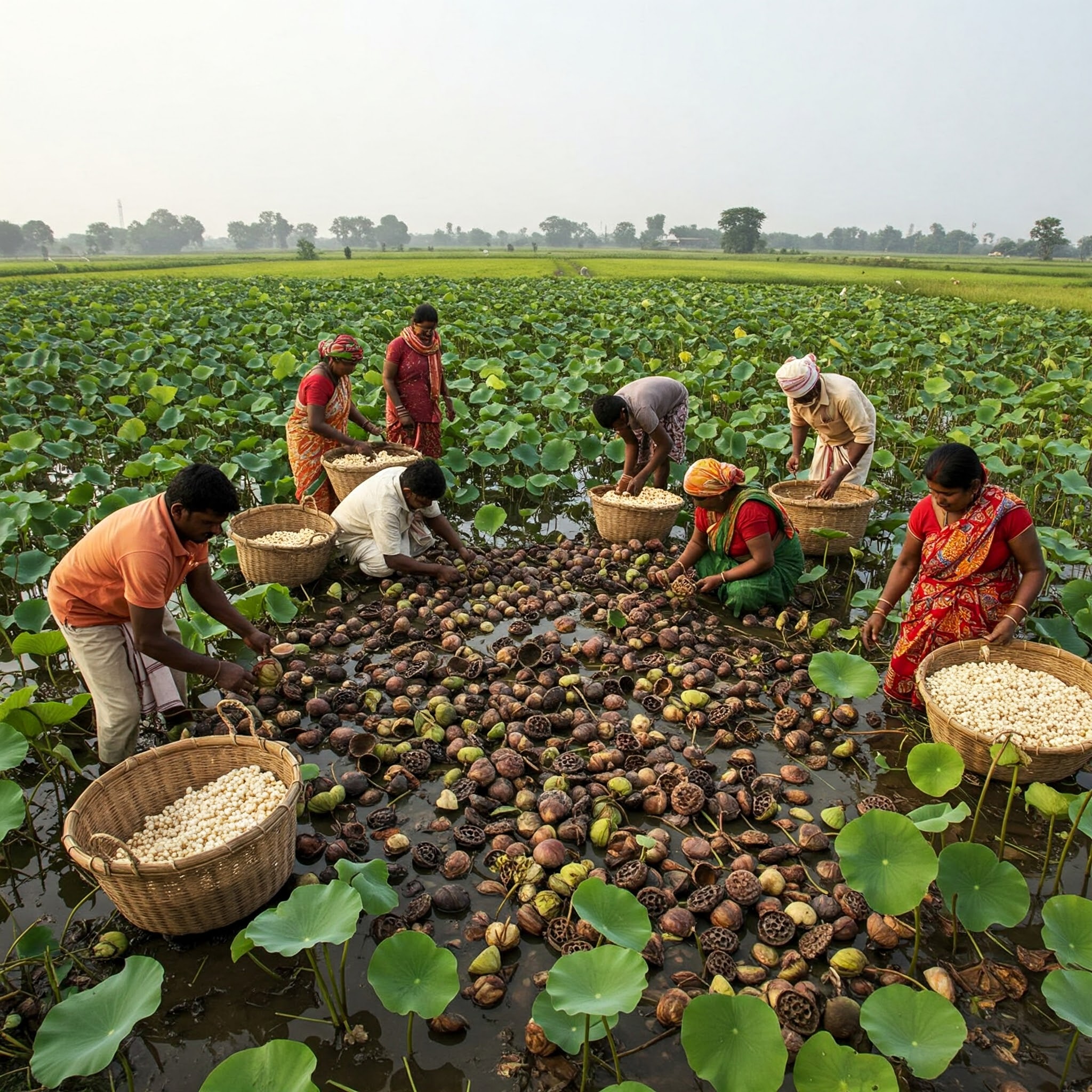
According to estimates tracked by the ILO, about 90 per cent of India’s female workforce is in the informal sector. These women engage in agricultural, home-based, and domestic work, as well as public health roles such as ASHAs, Anganwadi workers, and gig workers. They typically receive low wages and lack social security. When the state and NGOs interact with these women about their economic situations, they mostly use terms like ‘help,’ ‘support,’ ‘empowerment,’ and ‘upliftment.’ This language creates a structural issue, not just a rhetorical one. When women are seen as beneficiaries, their connection to the state is based on dependence and conditions. However, recognising them as workers establishes a relationship grounded in rights and enforceability.
This critique is not against welfare itself but against welfare lacking rights. It highlights schemes that promote women’s inclusion without acknowledging them as workers entitled to wages, social security, and collective representation. This distinction is crucial in practice, yet welfare policy often ignores it.
From Labharthi to Labourer: A Constitutional Question
The Indian Constitution does not advocate for charity when addressing work. Articles 39(a) and 39(d) direct the state to secure adequate livelihoods for all citizens and to ensure equal pay for equal work. Article 42 requires just and humane working conditions and maternity relief. These are not mere aspirations; they are enforceable directives placing women’s economic participation within a framework of citizenship rights rather than state benevolence.
The challenge is that policy has shifted quietly in the opposite direction. Yamini Aiyar’s analysis of the ‘citizen vs labourer’ dichotomy shows that as welfare becomes more about kindness; it becomes harder for claimants to assert their demands as rights instead of conditional favours.
The challenge is that policy has shifted quietly in the opposite direction. Yamini Aiyar’s analysis of the ‘citizen vs labourer’ dichotomy shows that as welfare becomes more about kindness; it becomes harder for claimants to assert their demands as rights instead of conditional favours. The Labharthi Varg, which means ‘beneficiary class’, plays a central role in India’s social welfare story. This group is largely made up of women. As a labharthi, a woman only gets what the state decides to offer, based on the state’s terms, and only while the scheme is active. Her entitlement does not have the legal backing that a wage or social security claim would have. It can be taken away, altered, or underfunded without any explanation based on rights. This happens frequently in India, especially during election cycles. This situation highlights what feminist labour law has pointed out. The shift from worker to beneficiary is not just a technical or administrative change. It reduces rights and keeps women’s claims depoliticized and non-justiciable.
Welfare as a Substitute for Wages
The gap between what welfare programs offer and what labour law demands shows this issue clearly. Programs for women workers often include conditional cash transfers, skill-training modules, financial literacy programs, and access to microfinance. However, they rarely tackle minimum wage enforcement, social security, the right to organize, or collective bargaining rights. The difference is even clearer in sectors where most women work.
Women in home-based jobs, agricultural labour, and gig work find themselves in areas where new labour codes, such as the Code on Wages, the Code on Social Security, and the Industrial Relations Code, are not effectively implemented and will not bring substantial benefits. While these codes offer protections on paper, enforcement in the informal and gig economy is largely ineffective.
Women who have gone through various schemes to be ‘trained’ and ‘empowered’ still lack a reliable way to raise concerns when their wages are stolen, maternity benefits are denied, or their jobs suddenly disappear. At the same time, policy documents continue to highlight ‘women’s economic participation’ by counting how many women registered, how many self-help groups were formed, and how many microloans were issued. These numbers do not show whether women’s wages have improved or if they can file complaints without putting their jobs at risk. They reveal nothing about real collective power or what it has achieved on the ground.
The Language Problem Is a Rights Problem
The disconnect between welfare schemes and labour law is significant. It’s essential to examine it closely. Women’s employment schemes use phrases like ‘support for women workers’ and ‘empowerment for women from weaker sections. In contrast, labour law and union discussions focus on ‘workers’ rights to minimum wage,’ ‘equal pay for equal work,’ ‘social security for unorganised workers,’ and ‘the right to collective bargaining.’ The first set of phrases positions women as passive recipients of state generosity. The second treats them as legal entities with enforceable claims. The first language fosters schemes that can be praised regardless of their results. The second compels accountability to courts, labour tribunals, and collective agreements.
This distinction has real consequences. When a woman describes her issue as a beneficiary whose scheme was poorly managed, her legal options are limited. If she presents the same problem as a worker whose minimum wage rights have been violated, she can turn to the Minimum Wage Act, the Payment of Wages Act, and potentially the Labour Courts for support. The language of the scheme she is part of, branding her a ‘participant’ instead of a ‘worker’, shapes which solutions she seeks and if she thinks solutions exist at all.
The Invisibility of Collective Rights
Welfare discourse often overlooks one critical aspect: the right to organise. When women are mainly viewed as individual beneficiaries of state schemes, like self-help group members linked to microfinance, they are depicted as economic individuals. Their path to security seems to rely solely on state programs rather than collective strength. The self-help model, despite any real benefits, inherently avoids the language and concept of unionisation. There are no dues, no formal agreements, and no means to negotiate with employers or the state as a recognised group.
Many female workers, like agriculture, home-based work, and domestic work, face the greatest challenges in enforcing individual labour rights. Personal complaints in these areas can be costly, risky, and often pointless.
This is crucial because sectors with many female workers, like agriculture, home-based work, and domestic work, face the greatest challenges in enforcing individual labour rights. Personal complaints in these areas can be costly, risky, and often pointless. Collective organisation is the most effective way to improve conditions on a wide scale. However, when women are only seen as beneficiaries, the legitimacy and infrastructure for collective action are systematically absent from their experience.
SEWA (Self Employed Women’s Association) stands out not just for its services but because it recognizes the women it organizes as workers with enforceable rights, minimum wage, social security, collective bargaining, and access to grievance procedures. SEWA demonstrates that when women are organized as workers with dues, collective agreements, and access to legal channels, their labour law claims can become actual practices, not just theory.
Street vendors, home-based workers, and agricultural labourers all fit this organized worker model. The key difference is in how SEWA recognizes these women. They are acknowledged as workers with rights, including the right to organize, negotiate, and contest. This shift in perspective changes what they can accomplish.
The Unorganised Workers’ Social Security Act of 2008 acknowledged the rights of informal workers. Yet, a decade later, most workers had never heard of it, let alone used it. The barrier was more than just a lack of awareness; the act offered individual registration and access to state-administered benefits while leaving out collective rights workers could leverage through their organizations. Welfare without collective action is simply welfare.
What a Rights Reframing Would Require
Recognizing women as workers with enforceable rights instead of beneficiaries with managed benefits would require several clear changes. This would involve changing the language so that policy documents and scheme guidelines consistently refer to women as workers and labourers. Minimum wage, social security, and grievance mechanisms would need to be integrated into schemes instead of treated as separate issues for “labour” departments.
It would also involve strict enforcement of POSH in informal and gig workplaces, where most female workers are found. Women should receive support to organize into trade unions, worker collectives, or legal hybrid models with recognized bargaining rights. Ensuring that the new Labor Codes are enforced is essential, specifically addressing gaps in informal work and not just celebrating their existence on paper.
None of these demands are radical; they simply reflect the straightforward application of existing constitutional principles and labour law to women who have been consistently left out. Referring to this as ‘help’ is not as neutral as it seems. It subtly shapes what women can expect and are told they deserve.
When women are primarily viewed as individuals needing support rather than as workers, their ability to make claims is restricted. A feminist approach to women’s labour in India cannot be limited to enrolling women in schemes or abstractly celebrating “empowerment”. It must seek deeper questions about wages, security, and whether women can legitimately demand what they are owed.
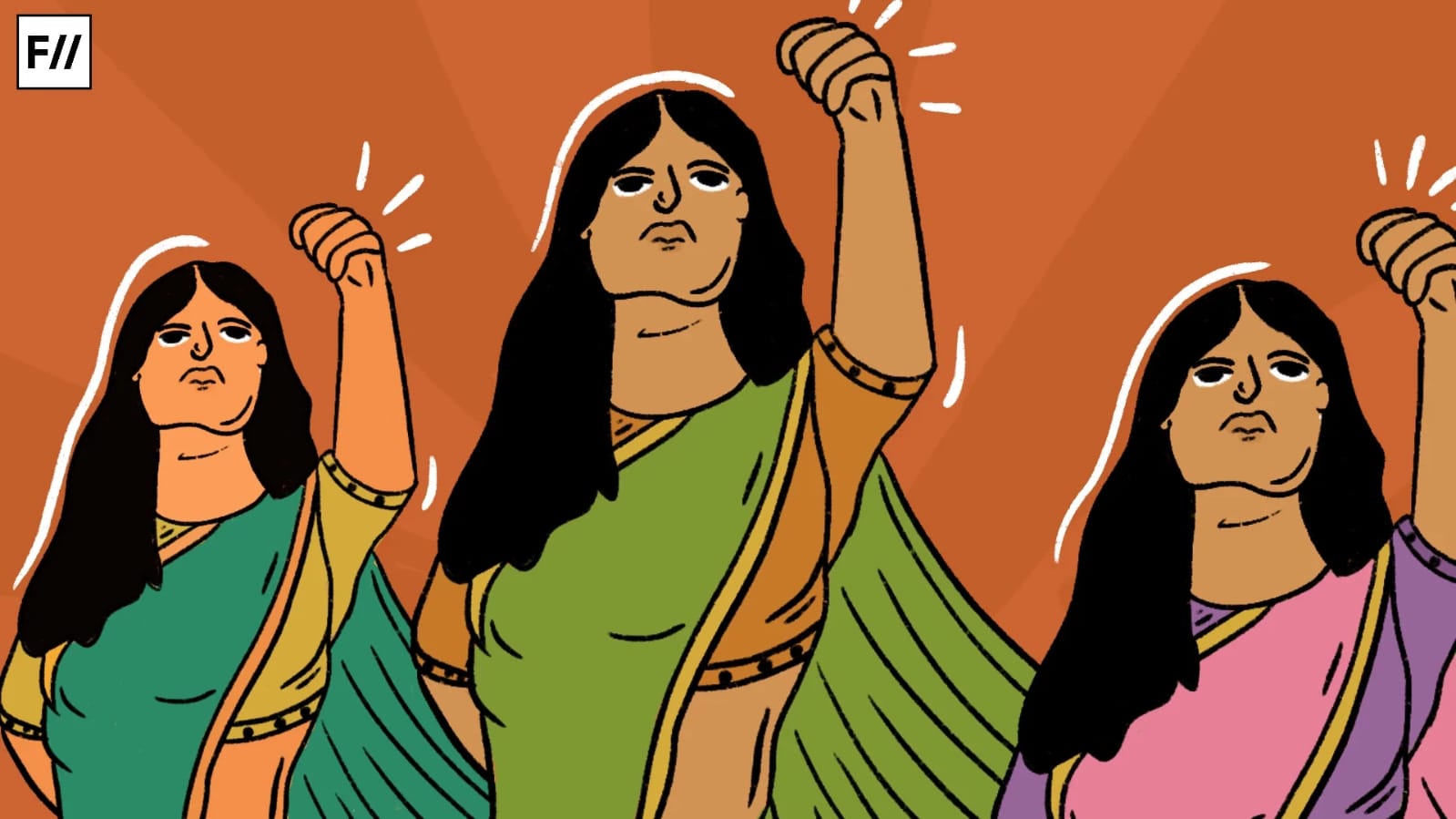
At the core of this is a simple truth: women work. This means that workers should have legal rights to fair pay, social security, the ability to organize, and the right to seek redress when things go wrong, regardless of whether they are part of any scheme.
References:
- Aiyar, Yamini. “Citizen vs Labharthi? Interrogating the Contours of India’s Emergent Welfare State.” The India Forum, December 7, 2023.
- International Labour Organisation. Women and Men in the Informal Economy: A Statistical Brief. Geneva: ILO, 2024.
- Self Employed Women’s Association (SEWA). Ahmedabad: SEWA, 2025.
- Ministry of Labour and Employment, Government of India. Code on Social Security, 2020. New Delhi: Government of India, 2020.
- National Commission for Enterprises in the Unorganised Sector (NCEUS). The Challenge of Employment in India: An Informal Economy Perspective. New Delhi: NCEUS, 2009.
- Unni, Jeemol, and Uma Rani. “Social Protection for Informal Workers in India: Insecurities, Instruments and Institutional Mechanisms.” Development and Change 34, no. 1 (2003): 127–161.
- World Inequality Lab. World Inequality Report 2026. Paris: WIL, 2025.