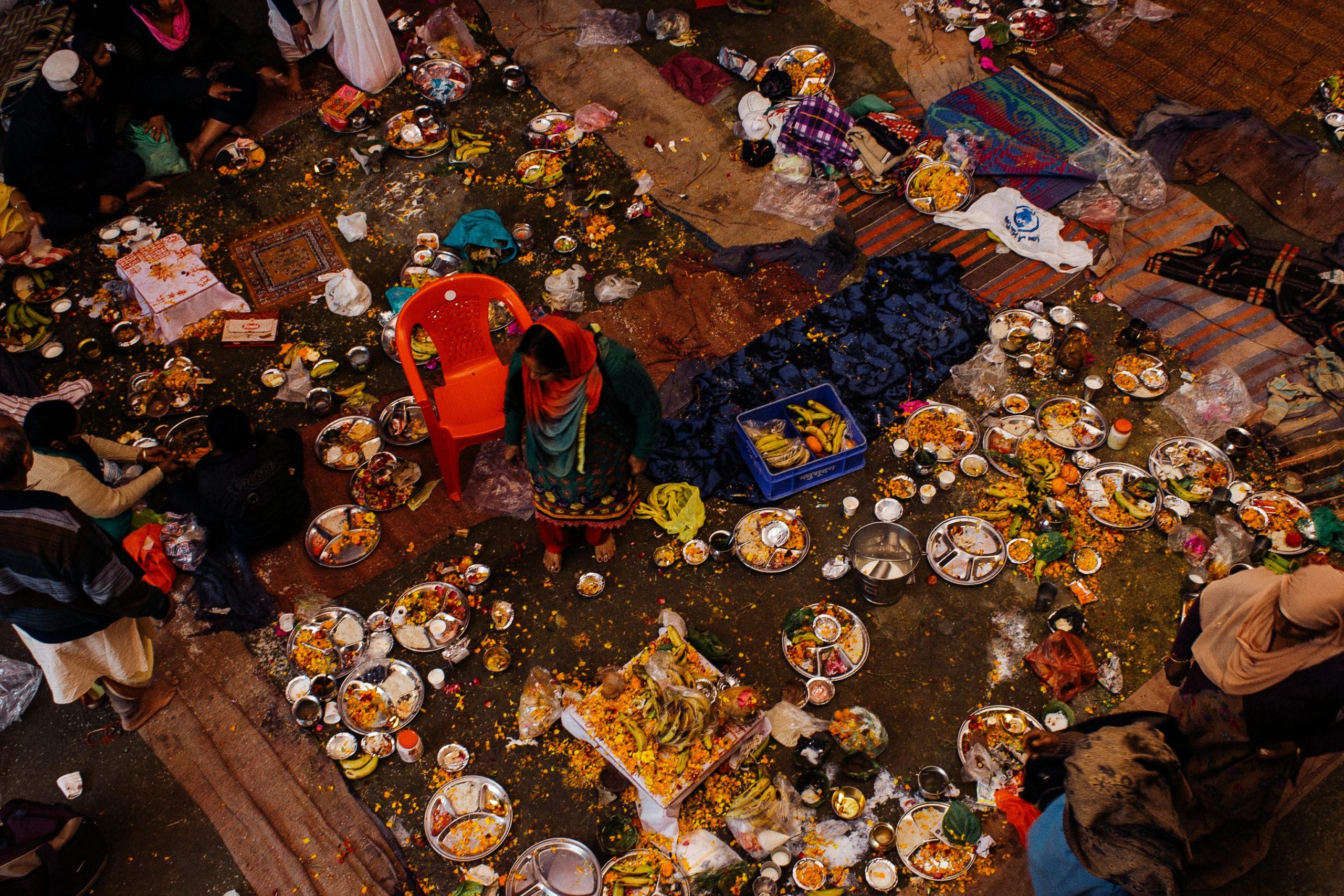
After a wedding meal, the waste is visible before the cleaners arrive: half-eaten rotis, rice pushed to one side, sweets left untouched, and serving trays still heavy with food. The same pattern turns up in hostel dining halls, hotel buffets, office canteens and family kitchens, though the scale changes. By the time anyone comments, the clearing has usually begun. What remains on the plate is visible; the labour around it is generally not.
The waste on a plate is only the last stage. Before that, someone has planned the meal, judged quantities, served portions and decided whether anything can be used again.
In many homes, that labour has a familiar keeper. She remembers what is left, adjusts the quantity of dal, sets aside food for a late arrival, and absorbs the blame if the meal is either too short or too excessive.
Food labour is shaped by caste, class, income, age, region, disability and family structure. Still, in many Indian homes and social spaces, feeding others remains closely associated with women. Food waste belongs in the discussion on unpaid care because someone has already planned, cooked, adjusted and cleared before anything reaches the bin.
The household scene is small, but the waste problem around it is significant. The UN Environment Programme’s Food Waste Index Report 2024 estimates that 1.05 billion tonnes of food were wasted in 2022 across households, food service and retail. Households accounted for 60 per cent of that waste, while 19 percent of food available to consumers was wasted globally. The Food and Agriculture Organisation reports that 13.2 per cent of food is lost after harvest and before retail. Another 19 per cent is wasted at retail, food-service and household levels.
Hunger and sustainability remain relevant to these figures. The household still needs attention because waste is not a single act, it is the outcome of buying, measuring, serving, storing and clearing food, much of it done without naming who carries the responsibility.
India’s Time Use Survey 2019 shows the unequal distribution of unpaid work. According to the National Statistical Office, the survey was designed to measure time spent by men and women in paid and unpaid activities. Reported summaries indicate that women spent about 299 minutes a day on unpaid domestic work, compared with about 97 minutes for men. That gap enters the kitchen directly. Food work includes the visible tasks, such as cooking and cleaning, and the quieter judgment of whether leftovers will be eaten or thrown away.
Food waste begins before the plate returns unfinished. It is tied to the person who has already planned the meal and adjusted quantities. In many homes, women are expected to remember everyone’s preferences without being asked. One child avoids brinjal; an older family member needs softer food. Someone arrives late, and the portion kept aside may still be refused the next day. Women often manage these uncertainties without announcing them. The expectation is unforgiving: enough food for everyone, but not so much that anyone can call it waste.
If food runs short, the cook may be judged careless. If food remains, she may be judged wasteful.
Scolding people for leaving their plates unfinished misses the labour that went into the meal. In many households, preventing waste is already a priority before anyone sits down to eat.
After the meal, another kind of work begins. Leftover rice may become fried rice; stale rotis may become an evening snack. These small acts prevent waste. They also show how easily thrift becomes another expectation placed on the same person. In many homes, the person who cooks eats last, after judging whether enough food remains for others. That small delay is part of the gender story.
Families often praise such behaviour as ‘women’s skill’. The praise is not false, but it can hide the expectation that the same person who feeds everyone must also manage what everyone leaves behind.
Family functions make the imbalance harder to ignore. Long menus and repeated servings signal hospitality and sometimes status. The labour that makes the display possible is easier to miss. Women often help plan the menu, watch the serving, attend to guests and later face the awkward question of what to do with the excess. After the guests leave, much of the clearing is done by domestic workers, many of them women from underprivileged castes and classes.
Leftovers mean different things depending on who is giving and who is receiving. A middle-class family may describe leftover management as an “adjustment.” A domestic worker may perceive this as a hierarchy. Sharing leftovers can be decent when the food is fresh, safe, offered respectfully and accepted freely. But it becomes problematic when it assumes that poorer people should accept what others reject. Leftovers should be offered as food someone may accept, not as waste someone is expected to absorb.
Wasting food is still irresponsible. The unfairness begins when women are made responsible for preventing it by default.
Advice on food waste often sounds harmless: plan better, store carefully, reuse what remains, compost where possible. The practices are useful. The problem begins when they are added to the same person’s day without changing who shares the work.
Eco-friendly living should not mean that women must labour more so that the household can feel morally responsible. A household cannot become sustainable by quietly expanding women’s unpaid work.
A fairer approach begins with the routine and unglamorous parts of food work. Men and boys should not ‘help’ occasionally; they should take regular responsibility for planning, cooking, serving, storing and cleaning. Children can learn respect for food by seeing the labour involved. At events, hosts and institutions should measure waste rather than leaving the evidence to kitchen staff and cleaners.
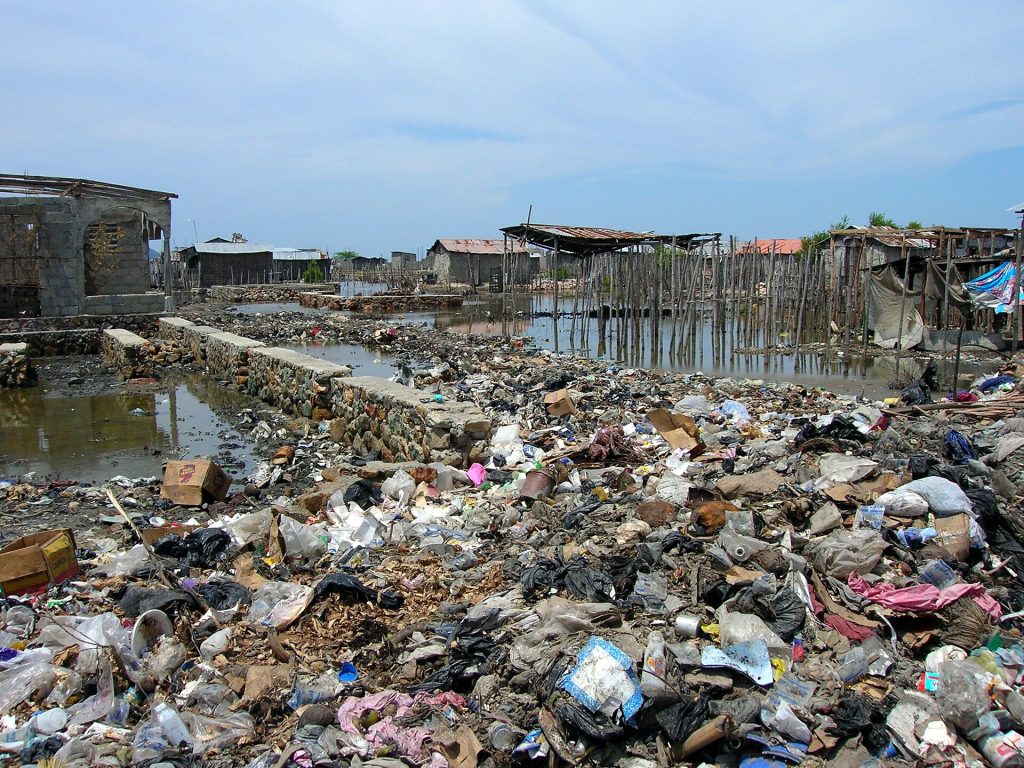
The bin is not the end of the matter. Wasted food carries wasted water, land, energy and labour with it. UNEP has warned that food waste causes climate change and pollution. Climate stress and food insecurity do not affect all groups equally. Poor women, women farmers, informal workers, elderly women and single mothers often face price shocks with fewer buffers. Waste may begin at the plate, but its costs settle elsewhere.
Lifestyle Social Work can provide a solution to this issue, but it can help only if it stays close to daily practice. In this case, the question is simple: does it change who plans, stores, serves and cleans, or does it give women’s extra work a more respectable name?
A household can begin with smaller servings and second helpings. Cooking, storing and cleaning can rotate. Family functions can cut unnecessary variety. Schools and hostels can teach respect for food without turning meals into punishment.
Food management is not a woman’s natural duty.
Before asking women to save every grain, society and institutions should ask how that expectation became normal. Food waste will not be reduced fairly by asking the same people to plan and adjust better. The work must move out of women’s memory and into shared practice.
About the author(s)

Dr Dinesh Kumar Jangra is a chair professor of the future of work, a military veteran, a former CEO and a social work thinker. He holds a PhD from IIT Roorkee and a degree in social work from IGNOU. His work spans social work, organisational behaviour, ethics, technology and responsible citizenship. He can be contacted at https://linktr.ee/dr.dinesh.kumar.jangra




Why Food Waste Is Also A Gendered Issue” is an insightful article that highlights the hidden connection between food waste and gender inequality. The writer effectively explains how women often carry the burden of food management, cooking, and household expectations, making food waste more than just an environmental issue. The article combines social awareness with practical relevance, encouraging readers to think critically about sustainability, labor, and gender roles in everyday life. Overall, it is a meaningful and thought-provoking read
This article presents a unique and important perspective on food waste by connecting it with gender roles and unpaid domestic labor. The writer thoughtfully explains how women are often expected to manage food resources within households, making the issue deeply social as well as environmental. It is an engaging and eye-opening read.
The article successfully highlights how food waste is connected to broader issues of gender, care work, and social expectations. By focusing on women’s invisible labor in households, the writer brings depth and sensitivity to an important topic. It is a thoughtful article that raises awareness in a simple yet impactful way.