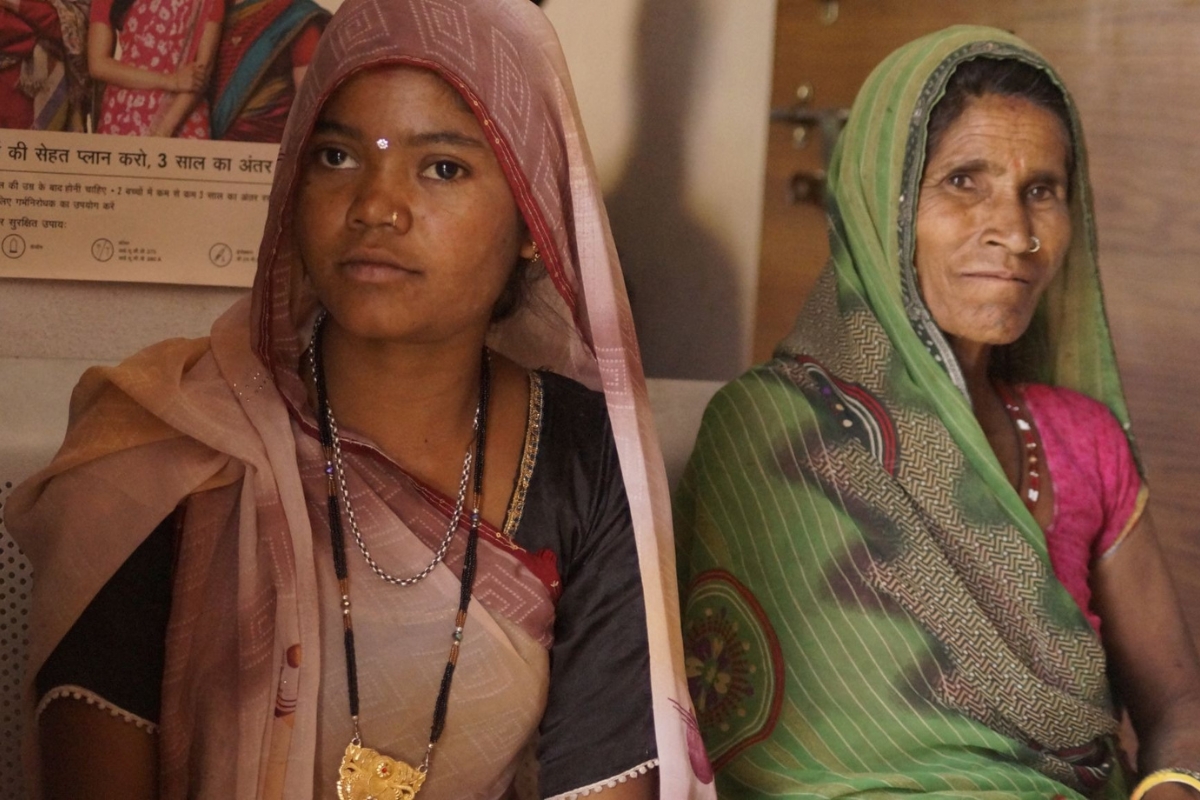
The Widows’ Colony is one of the many enduring aftermaths of the 1984 Bhopal Gas Tragedy. Established in 1992 in the Karond region of Bhopal, the Vidhwa Gas Rahat Colony was built as a residential space comprising one-bedroom flats for women who had lost their husbands in the disaster. It was intended as a site of rehabilitation, resettlement, and relief after the world’s largest industrial tragedy. Instead, it has remained an abandoned and neglected site, where residents say they have been forgotten by the state, left to survive in crumbling flats with failing infrastructure, as though they no longer exist in its records.
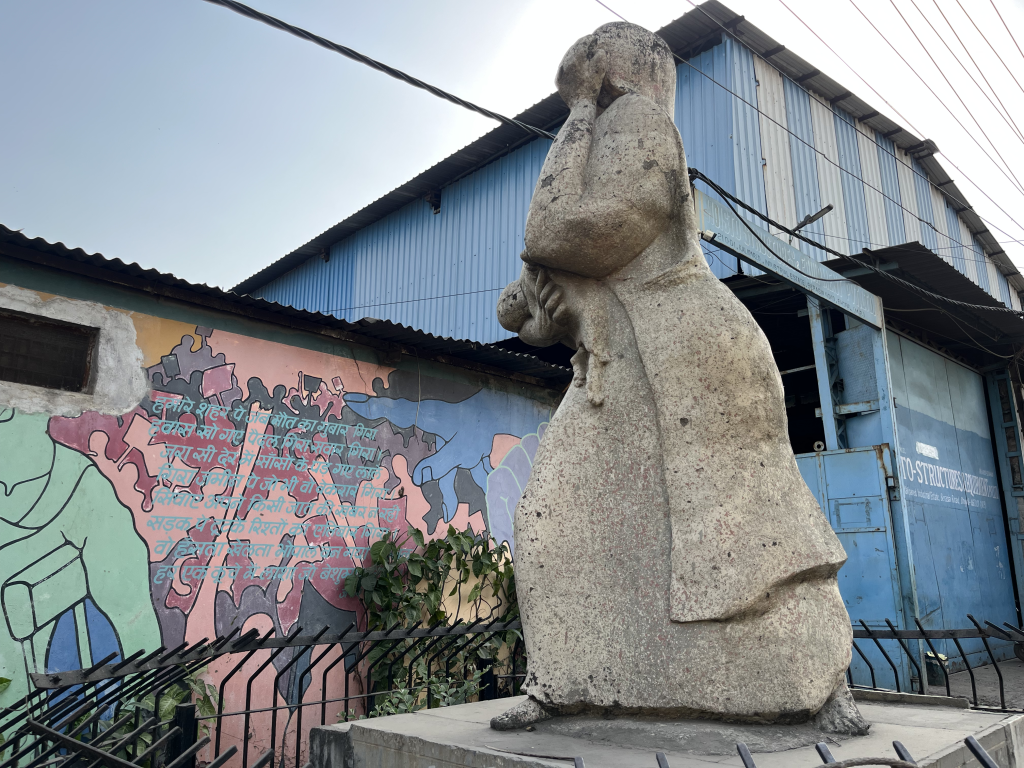
Bhopal was never only a tragedy of one night. The gas leak lasted a few hours, but its violence remains in the soil, in the poisoned groundwater around Jay Prakash Nagar near the abandoned Union Carbide factory, and in the bodies of survivors. It lives in damaged lungs, miscarriages, cancers, and children born carrying illnesses they did not choose. This is slow, ongoing violence; a violence that refuses to end. It survives through contaminated water, chronic illness, neurological disorders, damaged bodies, and unending bureaucracy that still asks survivors to prove the legitimacy of their suffering.
Rehabilitation in name alone
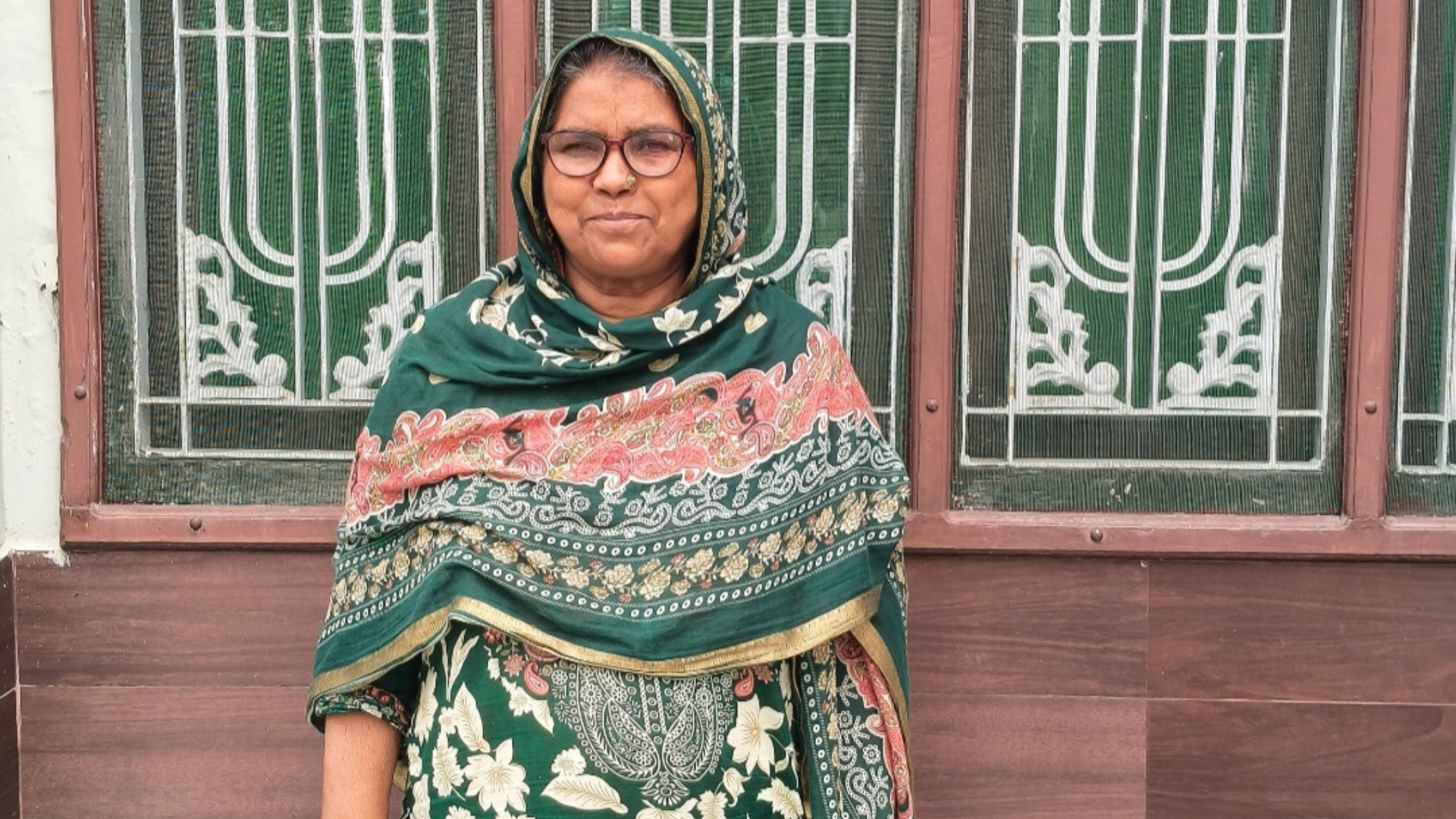
Kishwar Jehan’s one-room flat in Vidhwa Colony carries the heaviness of a place where illness has lived for far too long. The walls are damp, the paint peels away in pale strips, and during the monsoon, water slips in through the cracks and settles in the corners of the room. A single yellow bulb hangs above, dim and weak. She has been living here since 1994, but the disaster entered her life long before she did, and it never truly left.
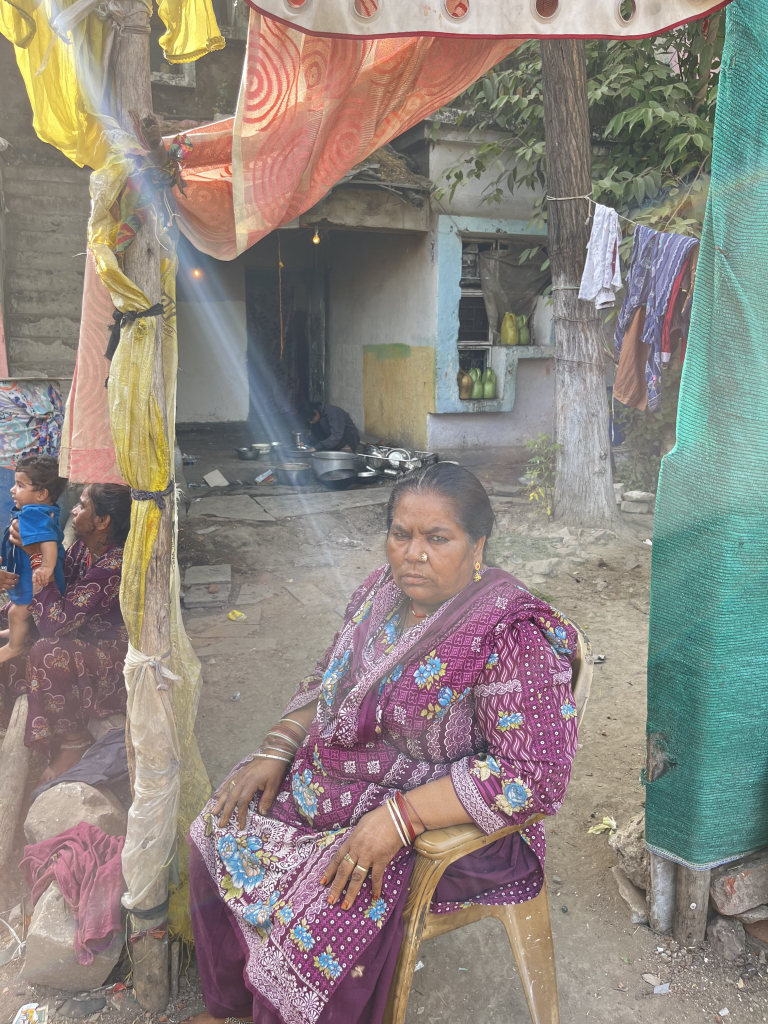
‘Hum bimaar the aur ab bhi hain. Yeh bimari gas kaand ke wajah se hi hain (We were ill then, and we still are. This illness is because of the gas tragedy).’
Kishwar was married after the gas leak took place, but the poison of that night remained and was carried quietly into the years that followed. It followed her into motherhood and into her daughter’s body as well. Her daughter is 21 years old now, living with a neurological disorder caused by exposure to methyl isocyanate and carrying within her body the violence of a disaster that occurred before she was born.
Kishwar was married after the gas leak took place, but the poison of that night remained and was carried quietly into the years that followed. It followed her into motherhood and into her daughter’s body as well. Her daughter is 21 years old now, living with a neurological disorder caused by exposure to methyl isocyanate.
‘Hum usko theek bhi nahi karwa sakte, kyunki humare paas kagaz nahi hain. Khud ko peedith saabith karna bhi ek chunauti hain (We cannot even get her treated because we do not have the appropriate documentation. Even proving that we are suffering because of the gas tragedy is a challenge), ‘ says Kishwar.
The inheritance of survival
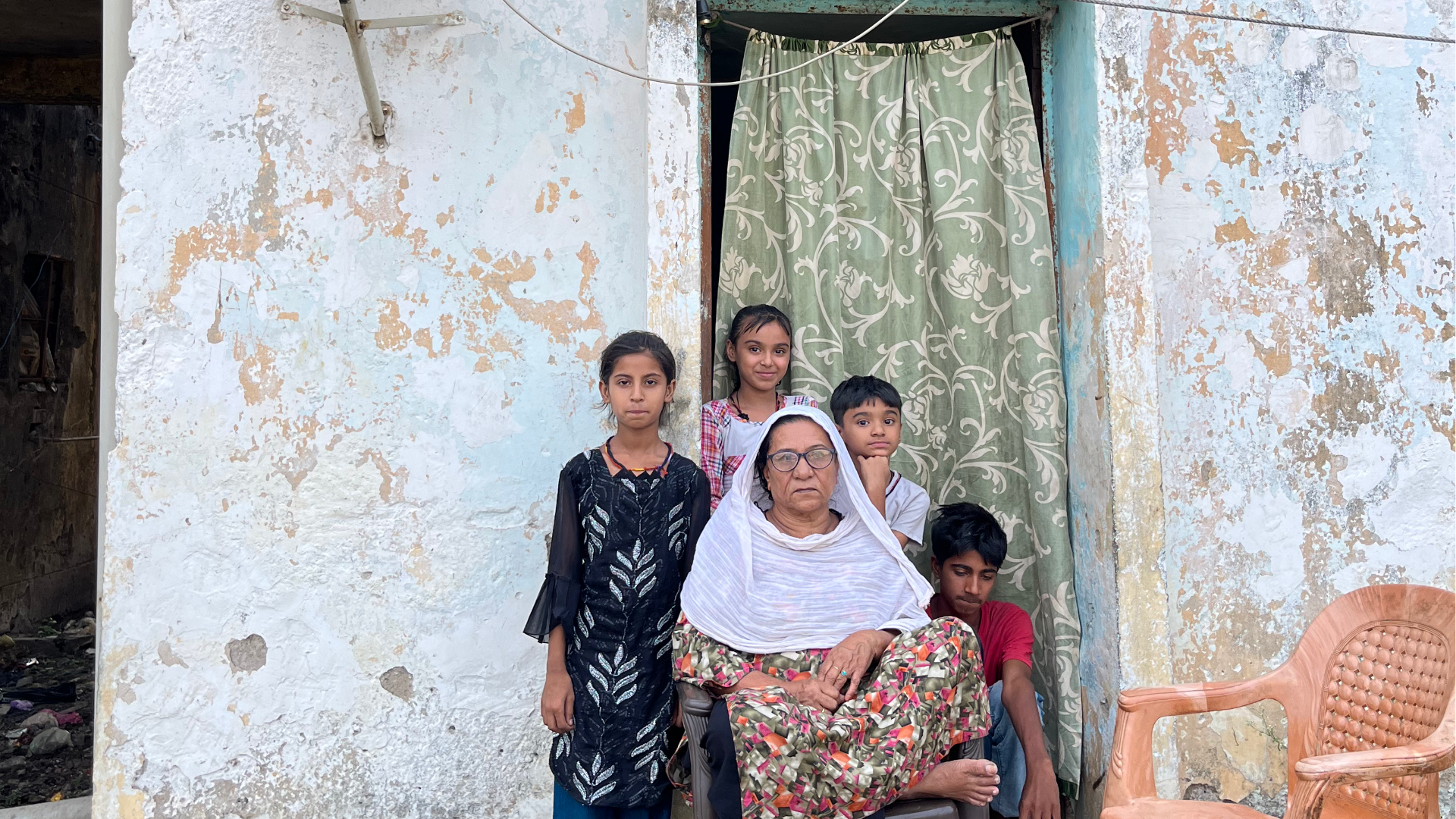
For Shah Jahan, now 60, the memory of that night begins with the air itself. She remembers the sharp smell first, then the stinging in her eyes, followed by the panic and the running.
She says, ‘Gas kaand ke samay humare bacche chhote the. Aisa lag raha tha jaise mirchi hawa mein hain. Sabse pehle aankhen jalne lagi, phir gala, phir fefde. Log bina samjhe bhaag rahe the, bas itna pata tha ki bhaagna hain. Humein tab se fefdon mein samasya ho gayi. Saans ki dikkat kabhi gayi hi nahin (Our children were very young when the gas tragedy happened. It felt as though there was chilli in the air. First, our eyes began to burn, then our throats, then our lungs. People were running without knowing what was happening; all we knew was that we had to run. Ever since then, I’ve had problems with my lungs. The difficulty in breathing has never gone away).’
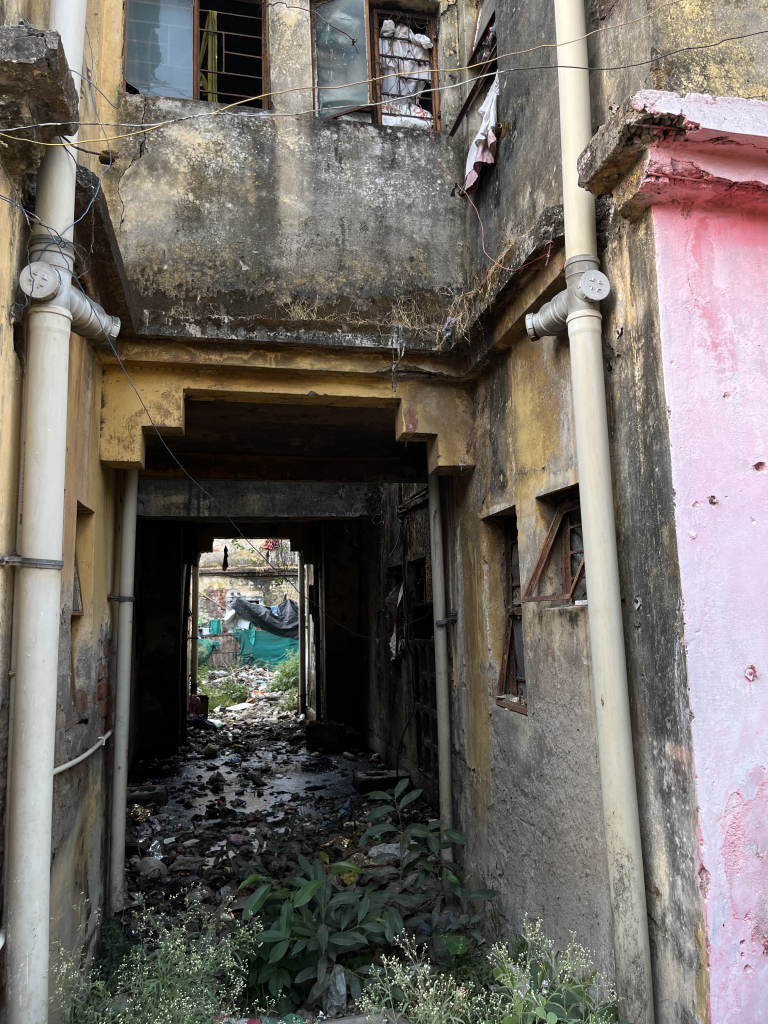
Since that night, her lungs have never recovered. Breathing has remained a lifelong struggle. Her room is small, with faded blue walls lined with inhalers, cough syrups, and old prescriptions from Bhopal Memorial Hospital, the hospital established for survivors. She still goes there, carrying a cloth bag filled with reports and medicines as she waits in long lines.
She had received INR 25,000 in compensation in the beginning. After that, promises came more easily than justice.
She had received INR 25,000 in compensation in the beginning. After that, promises came more easily than justice. ‘Ek hazaar dene ka kaha tha har mahine, woh bhi kabhi nahin mila. Pet mein bimari chali gayi. Saans lene mein humesha ke liye dikkat ho gayi. Hum sab sharirik roop se kharaab ho gaye hain (They said they would give us one thousand rupees every month, but we never received it. I developed a stomach illness. Breathing has been difficult ever since. All of us have been left physically broken).’
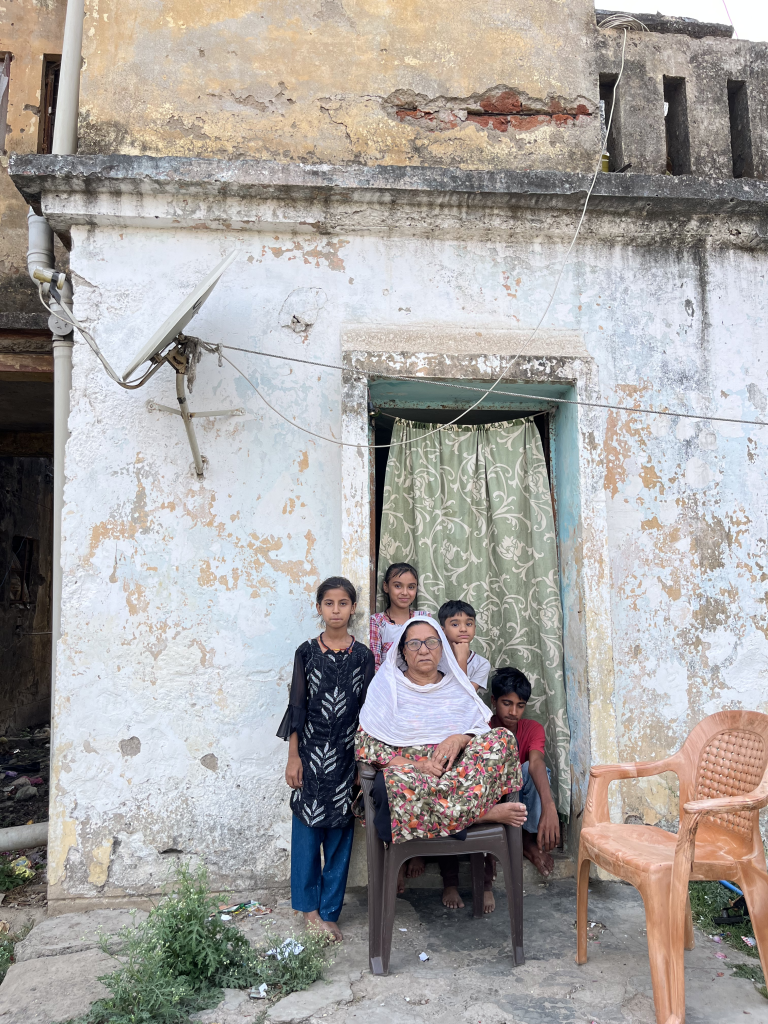
She points to her daughter, Farha, who keeps an inhaler beside her pillow. ‘Farha meri beti pump istemaal karti hain. Use aaj tak saans lene mein dikkat hain (My daughter Farha uses an inhaler. She still struggles to breathe).’ ‘Humein lagta hain humare bacchon ke bacchon ko bhi yeh bimari ho jaayegi (We fear that even our grandchildren will suffer from this illness),’ she says.
Her voice sharpens, ‘Dharm ke naam par humein sarkaar baant ti hain. Gas kaand ke samay jaanwar, paudhe aur hum sab jhulas gaye the (The government divides us in the name of religion. But when the gas tragedy happened, people, animals, and plants alike were all harmed).’
She speaks of how suffering didn’t arrive based on religion, caste, or borders; it entered every home, touching everyone alike. However, she says access to justice was never equal.
She speaks of how suffering didn’t arrive based on religion, caste, or borders; it entered every home, touching everyone alike. However, she says access to justice was never equal. ‘Muawze baahar waale le gaye. Humein kuch nahi mila. Aaj hum jhaadu pocha karte hain bade gharon mein (The compensation went to outsiders. We received nothing. Today, we survive by working as domestic workers in other people’s homes).’
The weight of survival
Rukhsana, now 70, has spent the last twenty-six years in the Gas Widows’ Colony. Beside her charpai rests a metal trunk containing ration cards and faded photographs. She was pregnant during the gas tragedy.
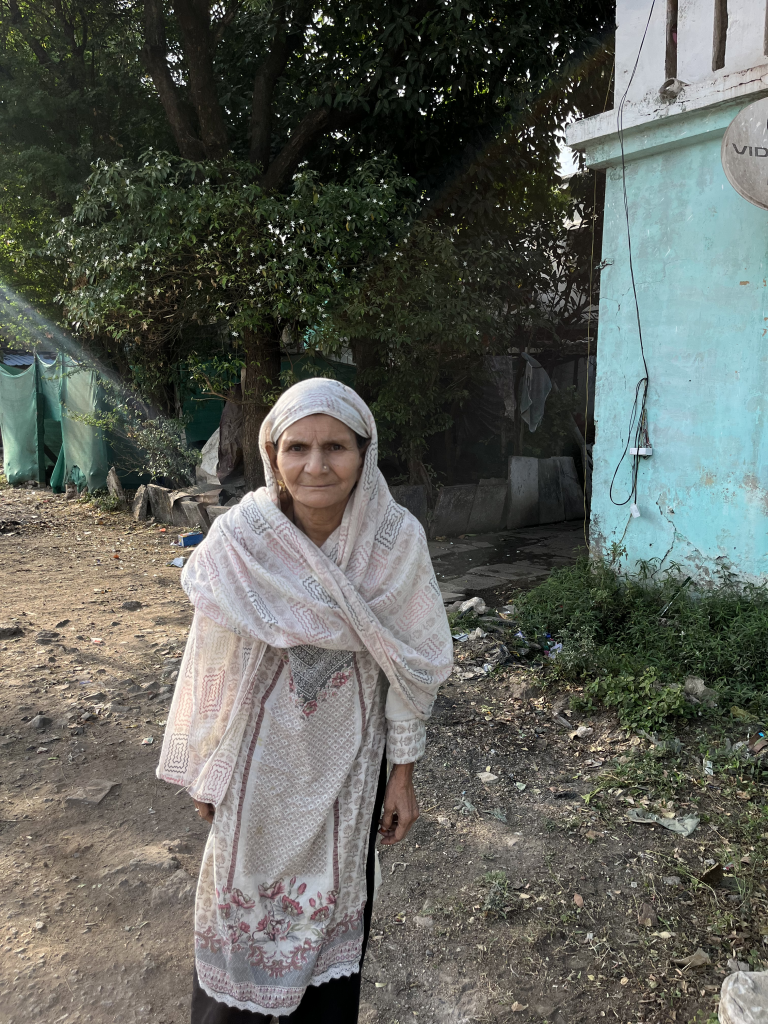
‘Humari beti poori neeli hui thi. Woh paida hote waqt royi bhi nahin thi. Uski umar utni hi hain jitne saal gas tragedy ko hue (Our daughter was completely blue when she was born. She didn’t even cry. She is now as old as the gas tragedy itself),’ she says.
Born into the aftermath of the Bhopal Gas Tragedy, illness stayed with Ruksana’s daughter as an inheritance.
Born into the aftermath of the Bhopal Gas Tragedy, illness stayed with Ruksana’s daughter as an inheritance. ‘Kidney mein infection hain, fefdon mein dikkat hain. Bohot bimaar rehti hain (She has a kidney infection and problems with her lungs. She is unwell most of the time).’ The body, here, carries memory long after the night has passed.
Rukhsana says her mother-in-law died because of the gas. Her husband, too. Others followed. ‘Humare toh sab chale gaye (We lost everyone),’ she remarks. She says it with quiet pain, as though she no longer expects empathy from anyone. They once lived in Mangalwara before being moved here. Her children now work in factories making biscuits, leaving before sunrise and returning with tired hands and wages too small to sustain a living.
She adds, ‘Humein shuruaat mein pachees hazaar mile the. Uske baad kisi ne humara haal nahin poocha. Bijli tak hum bichaulon se khareedte hain. Phir bhi chali jaati hain (We received twenty-five thousand rupees in the beginning. After that, no one ever checked on us. We even have to buy electricity through middlemen, and despite that, the power still goes out).’
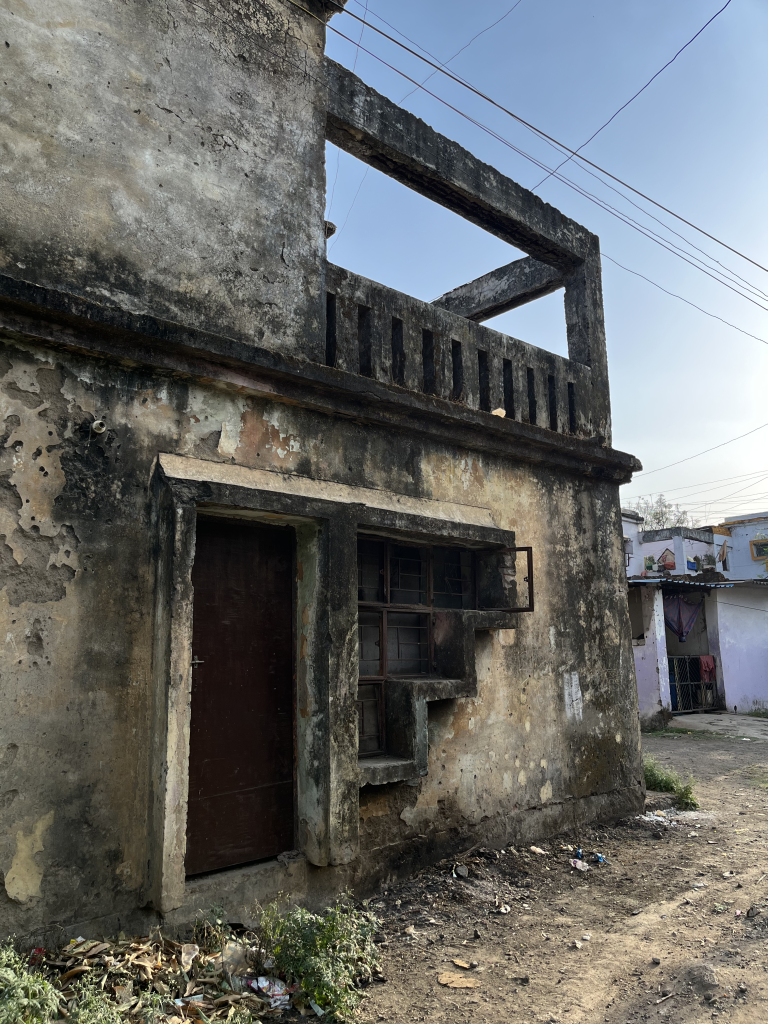
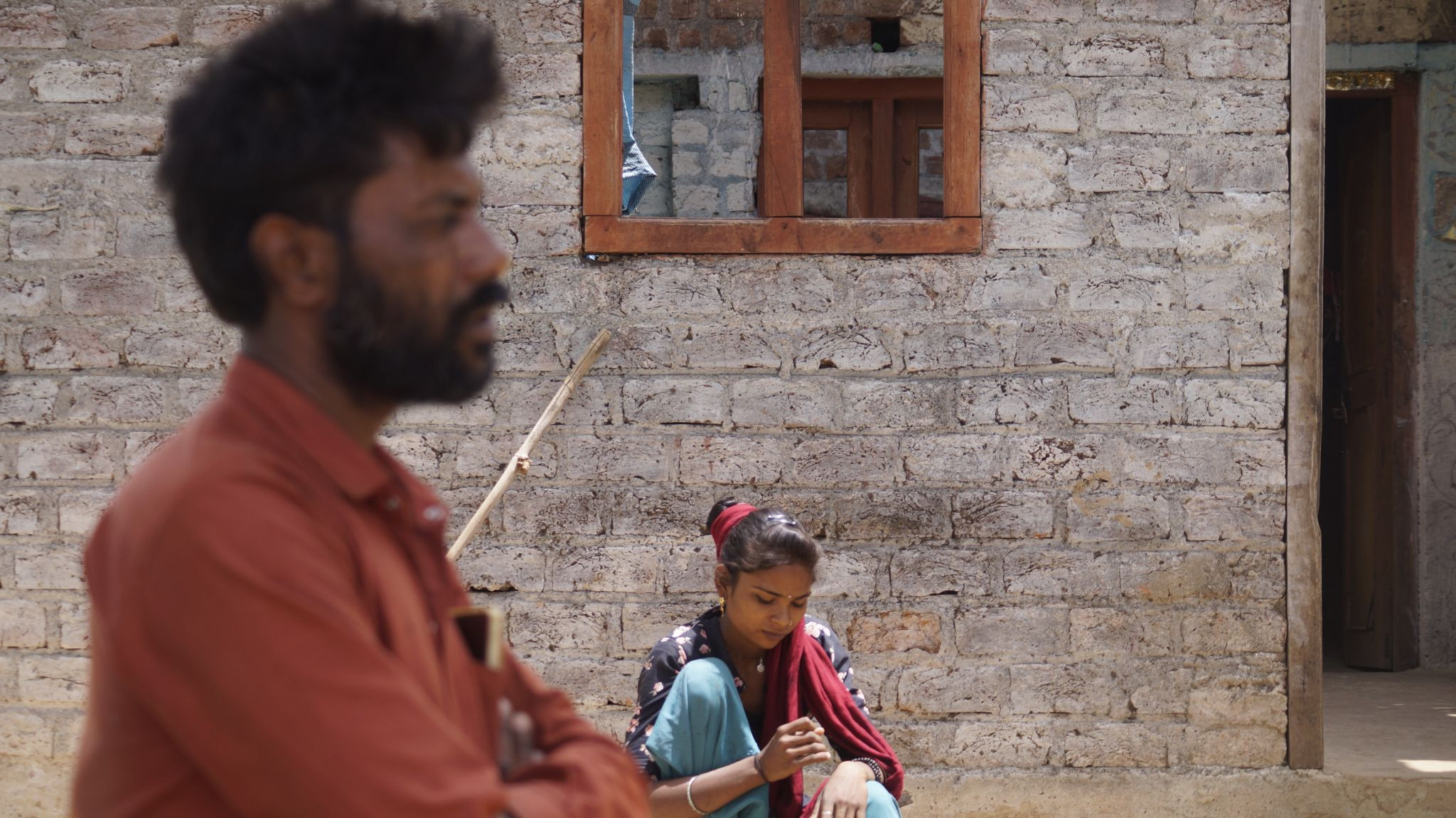
‘Humein lagta hain humein nakshe se hata diya gaya hain. Kisi ko yaad hi nahin ki hum idhar abhi bhi zinda hain (It feels as though we’ve been erased off the map. No one even remembers that we’re still here),’ says Shaheed, 22, as he stands near an open drain at the edge of the colony, where children play beside broken roads and stagnant water. His maternal grandparents died in the gas tragedy.
The testimonies from the Gas Widows’ Colony are inscribed in its very location, as it sits quietly on the outskirts of Bhopal, in the Karond area, cornered and largely silenced. Their present reality has changed little since the tragedy of 1984, and it continues to shape everyday life as a struggle for survival with dignity.
The testimonies from the Gas Widows’ Colony are inscribed in its very location, as it sits quietly on the outskirts of Bhopal, in the Karond area, cornered and largely silenced. Their present reality has changed little since the tragedy of 1984, and it continues to shape everyday life as a struggle for survival with dignity.
Bhopal and its people cannot be understood solely through the lens of the gas tragedy, yet they are repeatedly reduced to it. The city is known primarily for the Bhopal Gas Tragedy, even though it is far more than that. And the survivors of the Bhopal Gas Tragedy deserve a life of dignity and recognition beyond the disaster that has shaped their existence.
Some quotes in this article have been edited for clarity and length.
About the author(s)

Kanishka Chaturvedi is a Delhi-based researcher and writer who hails from Madhya Pradesh. Her research interests include intersectional feminism, workers’ rights, Adivasi rights, and the study of violence. Her work explores questions of power, exclusion, and state violence.