Some films ask for your attention. You sit down and try to decode what the filmmaker is trying to say. Carefully chosen music plays in the background while the people on screen perform rehearsed scripts, and ultimately, these films strive to make a strong point. Mast Mahila Mandali does none of that, and yet, it is arguably the best feel-good watch of the year.
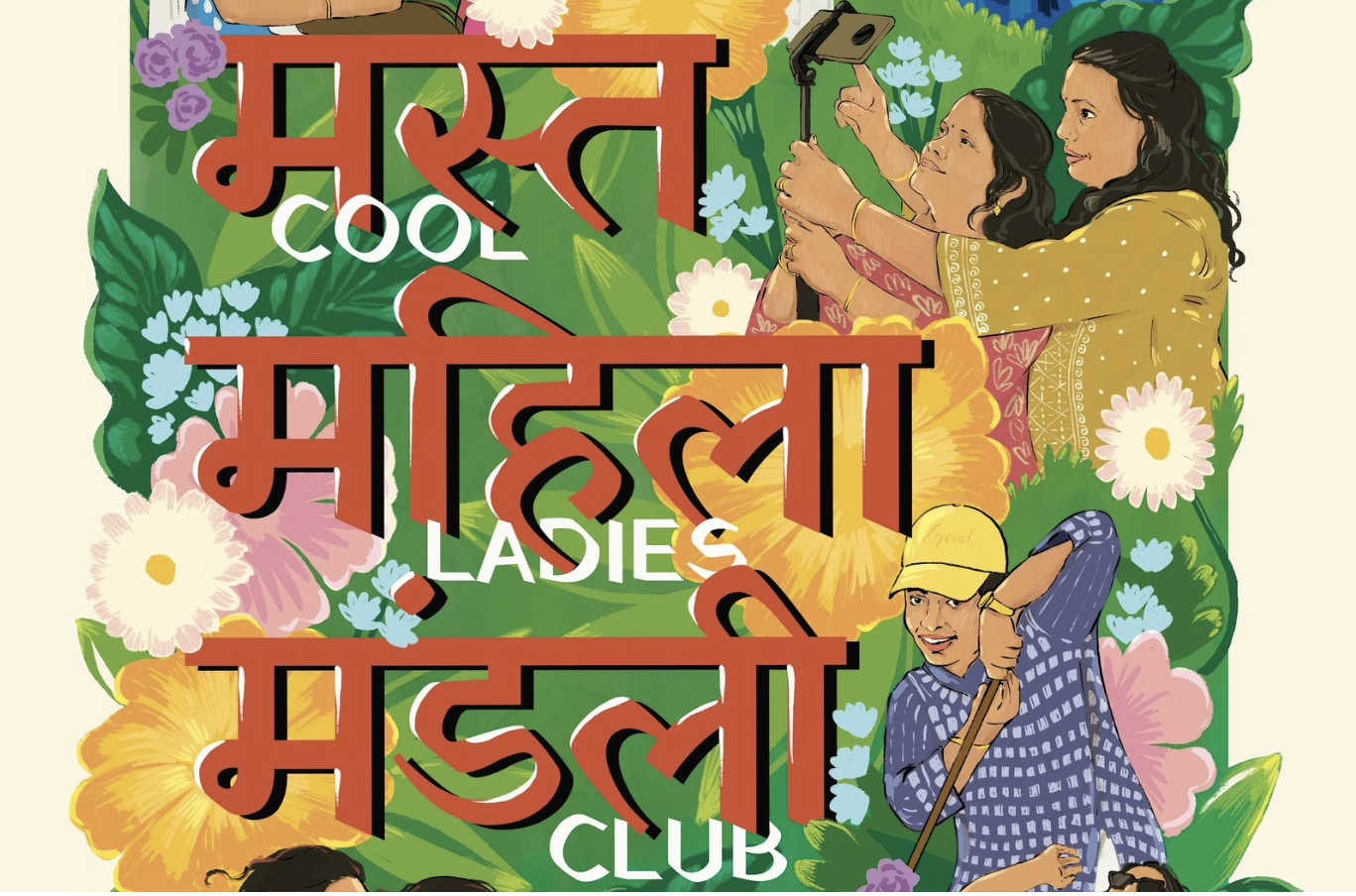
Mast Mahila Mandali (The Cool Ladies’ Club) is a slice-of-life portrait of ten women from a working-class neighbourhood in Chembur, East Mumbai.
Mast Mahila Mandali (The Cool Ladies’ Club) is a slice-of-life portrait of ten women from a working-class neighbourhood in Chembur, East Mumbai. Anjum Shaikh, Nazneen Siddiqui, Darshana Mayekar, Rehana Shaikh, Gauri Rane, Rohini Kadam, Kavita Ghuge, Sheetal Navle, Kavita Khomne, and Vaishali Mane are not merely the subjects of this film; they are also the directors, actors, and owners, holding the film’s copyright in their own names.
The origin story
CORO India is an organisation that works at the grassroots level to address the needs of marginalised women. As part of its Right to Pee campaign, which advocates for public urinals exclusively for women, the organisation wanted to make a film with women from marginalised communities. Supriya Jan, the organisation’s lead for Grassroots Knowledge Building, invited Dr Shilpi Gulati, a National Award–winning filmmaker who teaches at the Tata Institute of Social Sciences (TISS), to co-direct the film with them. The idea was that women from the grassroots, who are often reduced to data points, should have ownership of their narratives and be able to tell their own stories about where they come from.
Inspired by the Third Cinema Movement, Dr Gulati wanted to experiment with smartphone filmmaking precisely because it democratises technology and puts the camera and the story in the hands of the people living it. It was the perfect genre-bending documentary approach for the women to tell their own stories, drawing from their lived experiences.
Inspired by the Third Cinema Movement, Dr Gulati wanted to experiment with smartphone filmmaking precisely because it democratises technology and puts the camera and the story in the hands of the people living it. It was the perfect genre-bending documentary approach for the women to tell their own stories, drawing from their lived experiences.
But an obvious question arose: what, precisely, should the film be about?
Brainstorming the subject
The 10 women were onboarded for the project, and they met every Saturday to learn the basics of filmmaking from Dr Gulati for over 18 months. Speaking to FII, Dr Gulati said, ‘I proposed facilitating a filmmaking workshop because I felt that if the women were truly to co-direct the film, they first needed to be trained in the medium. We then began identifying the women who would participate in the process.‘
Every week, they got a little homework as part of the process. They had to record one another doing mundane tasks such as cooking, playing, talking, visiting each other’s homes, eating together, and talking about themselves, and so on. The filmmaking practice was going well, but a common subject to make a film on still could not be agreed upon.
Nazneen Siddiqui, while still undecided about what to document, was sure of at least one thing — she did not want to tell a story as a sad woman; she did not want to be pitied. She said, ‘Sure, we are from the basti. When people hear that a woman from a basti is making a movie, they would immediately assume it is a sob story; I don’t want that. It is my life. Sadness and happiness are always there in everyone’s life. But I will have my fun.‘
The workshop had a strong pedagogical design rooted in feminist methodologies. It encouraged the women to re-examine themselves and respond to the city and the larger world around them. Thus, it was decided: the film would be about and by them, exploring how they ‘claim joy in everyday life’.
The workshop had a strong pedagogical design rooted in feminist methodologies. It encouraged the women to re-examine themselves and respond to the city and the larger world around them. Thus, it was decided: the film would be about and by them, exploring how they ‘claim joy in everyday life’.
Rohini Kadam remarked, ‘Many of us had not even used phones apart from calling and messaging. Filmmaking on a phone was new to us. We did wonder who would want to watch a film about us, our friendships, and our neighbourhood. But gradually we realised that we can document our own lives and present them as a wonderful film.‘
Mast Mahila Mandali is a 72-minute film (edited down from 72 hours of raw footage) that offers a glimpse into the unfiltered, messy, hilarious, intimate, and powerful lives of ten ‘mast’ women. The film is intersectional, secular, anti-patriarchal, and feminist without ever explicitly invoking those terms. One moment, the women are gossiping and teasing each other like schoolgirls on a picnic; the next, they are talking about labour, public spaces, exhaustion, life before and after marriage, and the small acts of rebellion that keep them going. There are kitchen scenes and gym sessions, cricket matches and kabaddi games, daily commutes and late-night laughs — all seamlessly woven into a delightful film.
Despite the fact that the women come from different castes, classes, and religions, the filmmakers make a conscious choice not to make these differences the focal point of the film. Instead, the film centres on their shared identity as women, their everyday challenges, and their resilience in overcoming them to claim their rightful joy.
Despite the fact that the women come from different castes, classes, and religions, the filmmakers make a conscious choice not to make these differences the focal point of the film. Instead, the film centres on their shared identity as women, their everyday challenges, and their resilience in overcoming them to claim their rightful joy. It is radical without being preachy or taking a holier-than-thou approach.
Rohini Kadam adds, ‘As Hindus, Muslims, or Buddhists, some of our habits may differ, but we live in the basti, and all the houses look similar in the basti, so our differences do not matter. We all come from the same place. I would like to appreciate Supriya for pairing us in dynamic groups, making sure that we visit each other’s homes. This really deepened our connections and built our friendships further.‘
In the film, Kavita Ghuge proudly holds up a book and makes sure that it is on record how much she admires it. The book is the Constitution of India, and she assertively remarks, ‘We all are here because of the Constitution.‘ There is a sheer honesty and dignity with which the women document their lives throughout the film. It emerges from the safe space that was created by them and the team so that they could share their stories fearlessly and unapologetically.
Is Mast Mahila Mandali any fun?
Genuinely, yes. The women are fun and funny, the kind of funny that comes from surviving life with style, no matter what it throws at you. Their joy and laughter are the film’s heartbeat. Even when someone recounts a difficult part of their life, she follows it up with a smile and a sense of optimism. In fact, having fun became a key part of the film’s methodology. Gauri Rane shared, ‘After marriage, women forget to live for themselves. They live for their kids, husband, and in-laws. I had forgotten what my dreams were. But making this film has given me immense confidence. I will keep learning new things now.‘
The 72-minute film is a sweet one that doesn’t overstay its welcome but definitely leaves you wanting more time with this mast group of women.
If you are looking for inspiration on how to lead a fun life, look elsewhere. The women are not here to inspire. They are gloriously human, flawed, dramatic, affectionate, stubborn, and joyful. In other words, they are simply ‘mast’. Mast Mahila Mandali is the women’s film. Not their families’. Not their husbands’. Not their children’s. Simply theirs.
The 72-minute film is a sweet one that doesn’t overstay its welcome but definitely leaves you wanting more time with this mast group of women. It has the warmth of musical cinema, with different soundtracks playing in the background. As Kavita Khomne sings the Bollywood song ‘Zindagi Ek Safar Hai Suhana‘, the film beautifully comes together as a medley of various moments from the lives of ten different women.
Supriya Jan remarked, ‘We just wanted to reach the hearts of people, and I think we have done that. I received responses from people from the LGBTQ+ community saying that they saw themselves in the film! I had not anticipated this kind of response to the film, but I am glad we could create this kind of feeling in people’s hearts. For us, that is a great compliment and testament to the solidarities that collaborative projects can build.‘
Anjum Shaikh has a simple message for all the women watching the film: ‘Live life for yourself, stand on your own feet, and keep having fun.’ Because after all, ‘Picture abhi chalu hain (The film is ongoing)’.
Anjum Shaikh has a simple message for all the women watching the film: ‘Live life for yourself, stand on your own feet, and keep having fun.’ Because after all, ‘Picture abhi chalu hain (The film is ongoing)’.
Some of the quotes in the article have been edited for clarity and length.
The quotes from the women behind the film are the author’s free translation from Hindi.
About the author(s)