‘Don’t be like her when you become a journalist,’ my relative said, looking at Rani Chatterjee’s character in the film Rocky aur Rani Ki Prem Kahani when she voices her opinion on social issues confidently. I smiled at her teasingly, saying, ‘Oh really? Don’t worry, I’ll be exactly like her.‘ But soon my smile faded, and I wondered, why is everyone so scared of women? What havoc do we wreak if we speak our minds, stretch our arms, take up space as others do, and share our opinion without starting with ‘I don’t know if I am right‘ or acting humble, as if I was born slow?
Where do my little acts of feminism really start, after all? From pondering upon this question to acting on it unapologetically, I have come a long way. The best way to learn was to unlearn everything society has conditioned me with, not just family, but even media, and I don’t mean social media exactly but different forms of media that sell us rom-coms like hot treats with expectations that almost induced my FOMO (fear of missing out). Luckily I come from a Bengali household, so the very idea of marriage as the utmost necessity or the final destination wasn’t really instilled in me. Yet the expectations meet you in small ways, and I realised this at my cousin’s wedding.
How women around me taught me to live life on my own terms
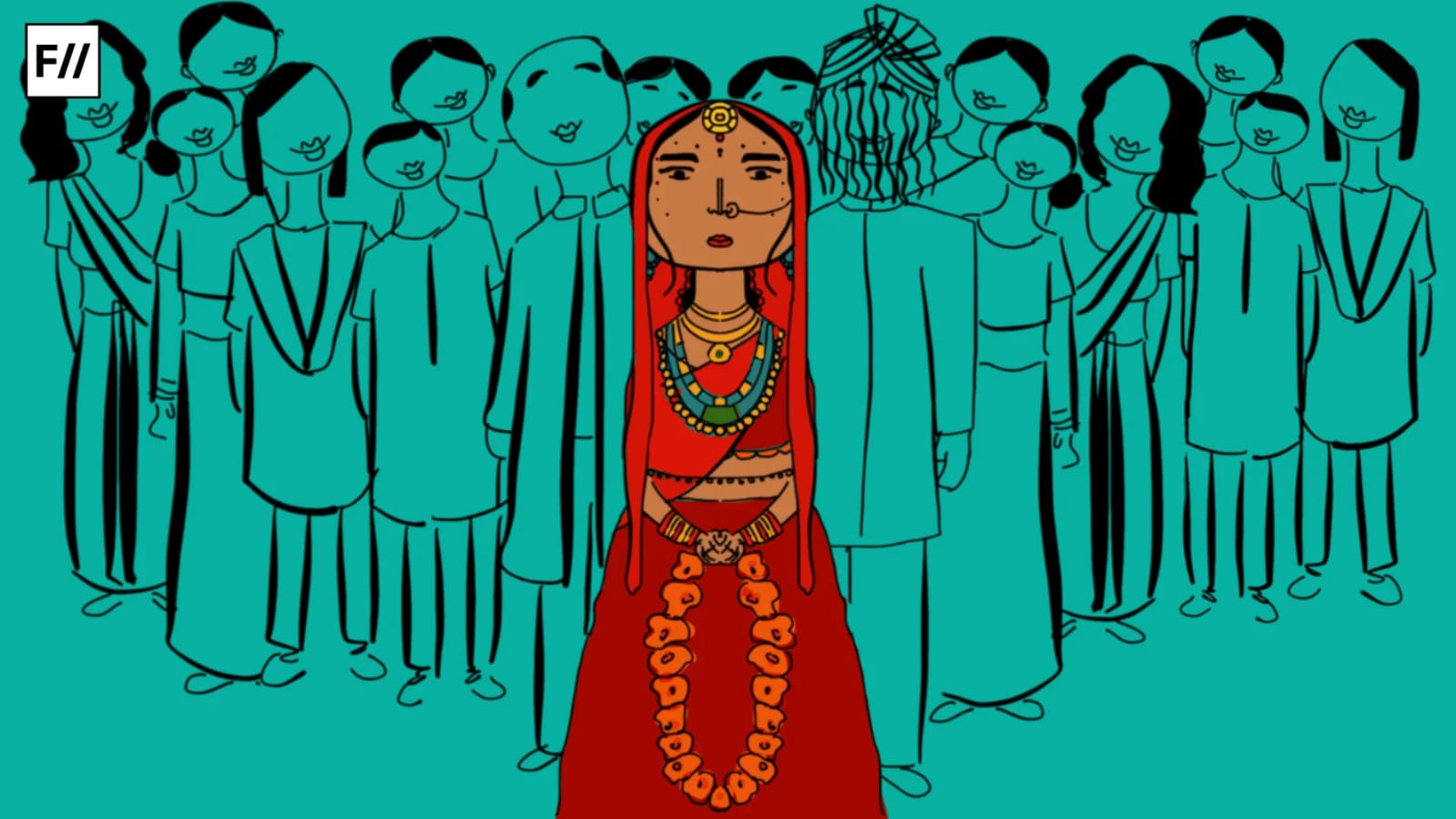
She cracked her CA exam while being married, and as glorious as it might sound, I saw her walking on eggshells convincing her mother that she can’t conceive yet because she has a career to build. I also observed how, even before getting married, the pressure of being 26 and yet unmarried came as small taunts covered with feogned care. Even when I understood the pressure of society and the will of her mom, who wished for her daughter to have a good life, l still wondered if marriage was a choice or an obligation.
Even so, she’s very happy today, and I wish that wholeheartedly for her. Somewhere down the line, she taught me to have boundaries in life, even with my own people. I found my feminist joy in saying, ‘I’ve a long life ahead, what’s meant for me will find me,‘ or ‘I don’t like forcing myself,’ when I am met with accusations of not caring enough for my family/friends. We’re often told by other women, ‘We women have to compromise sometimes so there’s peace in the house,‘ or the classic ‘You’re so beautiful, set up your career soon, then we’ll find a guy for you.’ At this point I want to point out how ridiculous that sounds because I am 21.
‘Good girls never make history Swastika, it’s always the one who respects herself who wins‘, my friend told me, inspired by historian Laurel Thatcher Ulrich’s quote, when I was going through a terrible phase of my life, struggling to convince others to like me and trying hard to blend in with the rest, just to realise that I am afraid to stand out. My micro act of feminism starts with choosing myself when I am drained and stopping saying, ‘Oh, I’ll handle it,’ even when I have tons of work to do.
The importance of boundaries and standards
As a perfectionist and wannabe overachiever, I struggled with boundaries, assuming that people might think less of me. But I have learned another small act: self-talk. I ask myself now, ‘Do I deserve to be treated this way?‘ and ‘I am allowed to feel angry, and I don’t have to be the good person always.‘ Sounds very easy, doesn’t it? The problem doesn’t lie with having standards, it’s with implementing them when throughout your life people have thought less of you, when you shift your dynamics, and suddenly you become the selfish (insert relation).
The problem doesn’t lie with having standards, it’s with implementing them when throughout your life people have thought less of you, when you shift your dynamics, and suddenly you become the selfish (insert relation).
Sometimes, the very act of wanting to choose yourself is reciprocated by comments like, ‘Oh, she’s difficult‘ or ‘She’s egoistic‘ when all you said is that you refuse to be is a scapegoat. But these are the same people who take pride in being in toxic relationships and marriages and controlling their loved ones, let alone taking a stand for themself. After all, respect shouldn’t come from a fear of “disrespecting” and setting boundaries and standards doesn’t make you a selfish and inconsiderate friend.
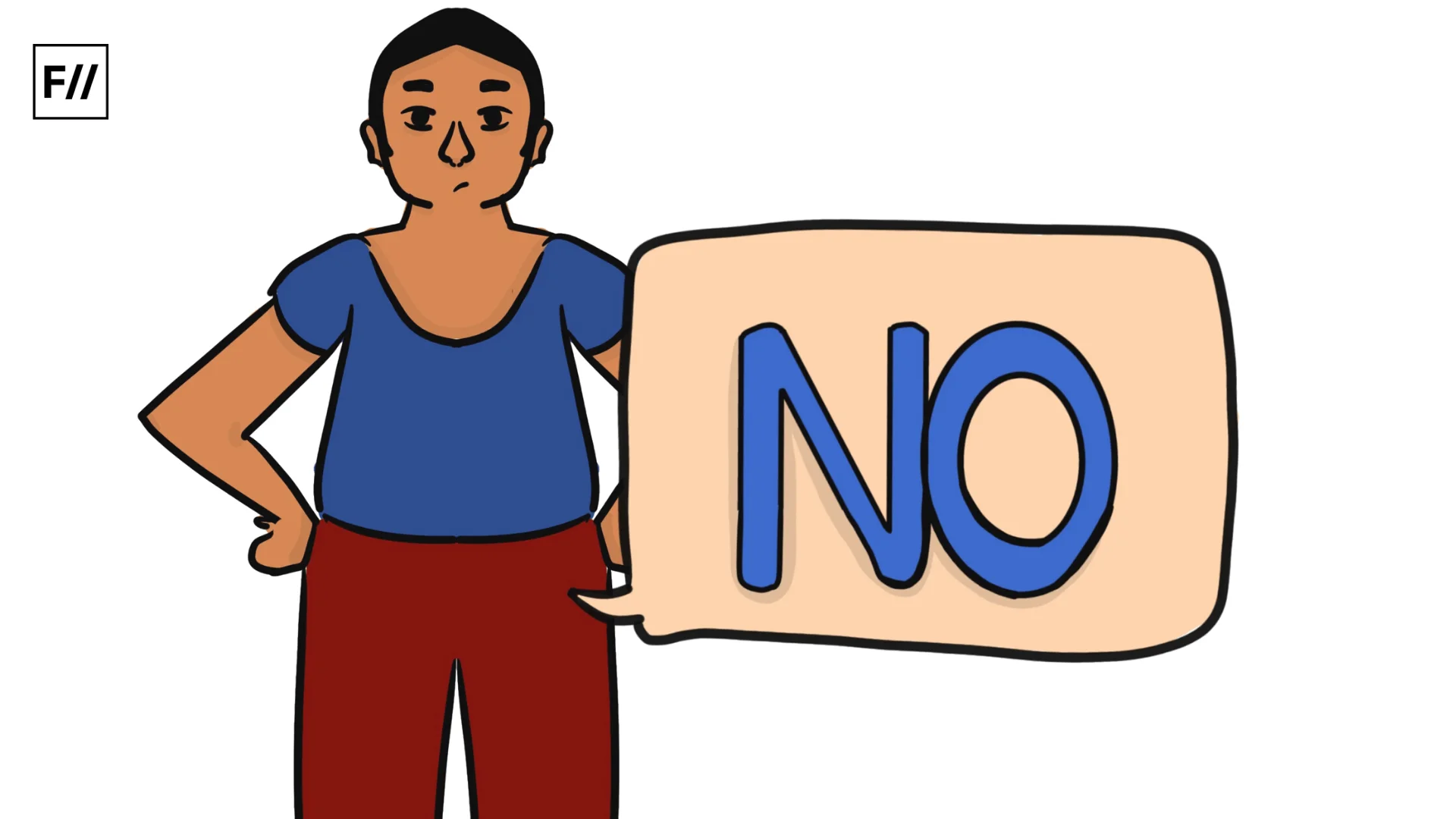
I have a theory called the Cat theory: people who hate cats hate boundaries. Not that people who love dogs or any other animal are bad people, but cats are animals who pretty much act like humans. How? It takes time for cats to trust a human being, let alone love them. It’s slow-burning yet rewarding when you feel chosen by a cat. It shows your ability to be patient and soft and to be someone who respects personal space rather than being someone who thinks they own others. The more you say sorry to others unnecessarily, the more you reject yourself. Let’s choose ourselves proudly, have standards, and live life on our terms.
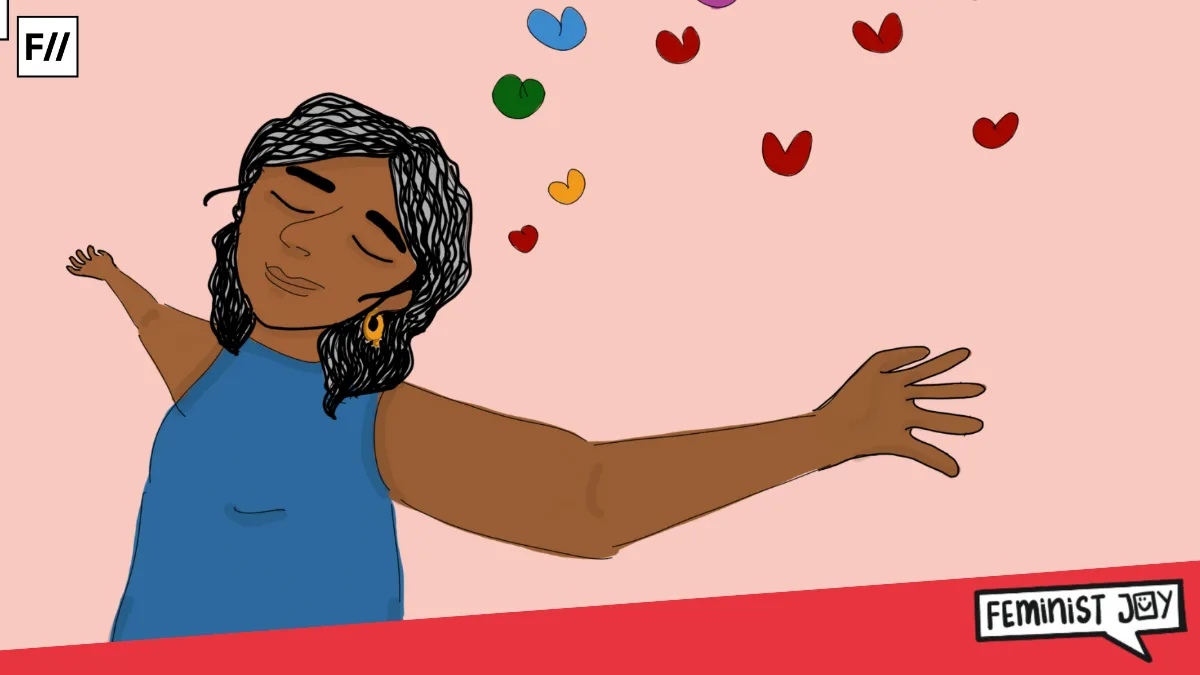
Choosing myself is not an act of selfishness. My freedom isn’t just rebellion but rather a political stance that is informed by my gender, age, family structure, class expectations, and cultural influence of how I relate to the world. While this is something I want, I am also sometimes reminded that I will one day need to conform to the rules of society, thereby restricting my ability to make decisions for myself. Throughout the pull between being free and being forced to comply, I have developed a way to say “no” to things that do not serve me without feeling guilt. I consider the joyful side of feminism to be establishing standards for myself that support my peace and boundaries, instead of suffering in silence. I can no longer be ‘easy to love‘ if it means I will cease to exist.
About the author(s)

Swastika Chakraborty is a third year student of Media studies. She has a keen interest in feminist perspectives of womanhood, loves questioning the norms and is eager to learn how identity and power are negotiated within social or cinematic spaces.