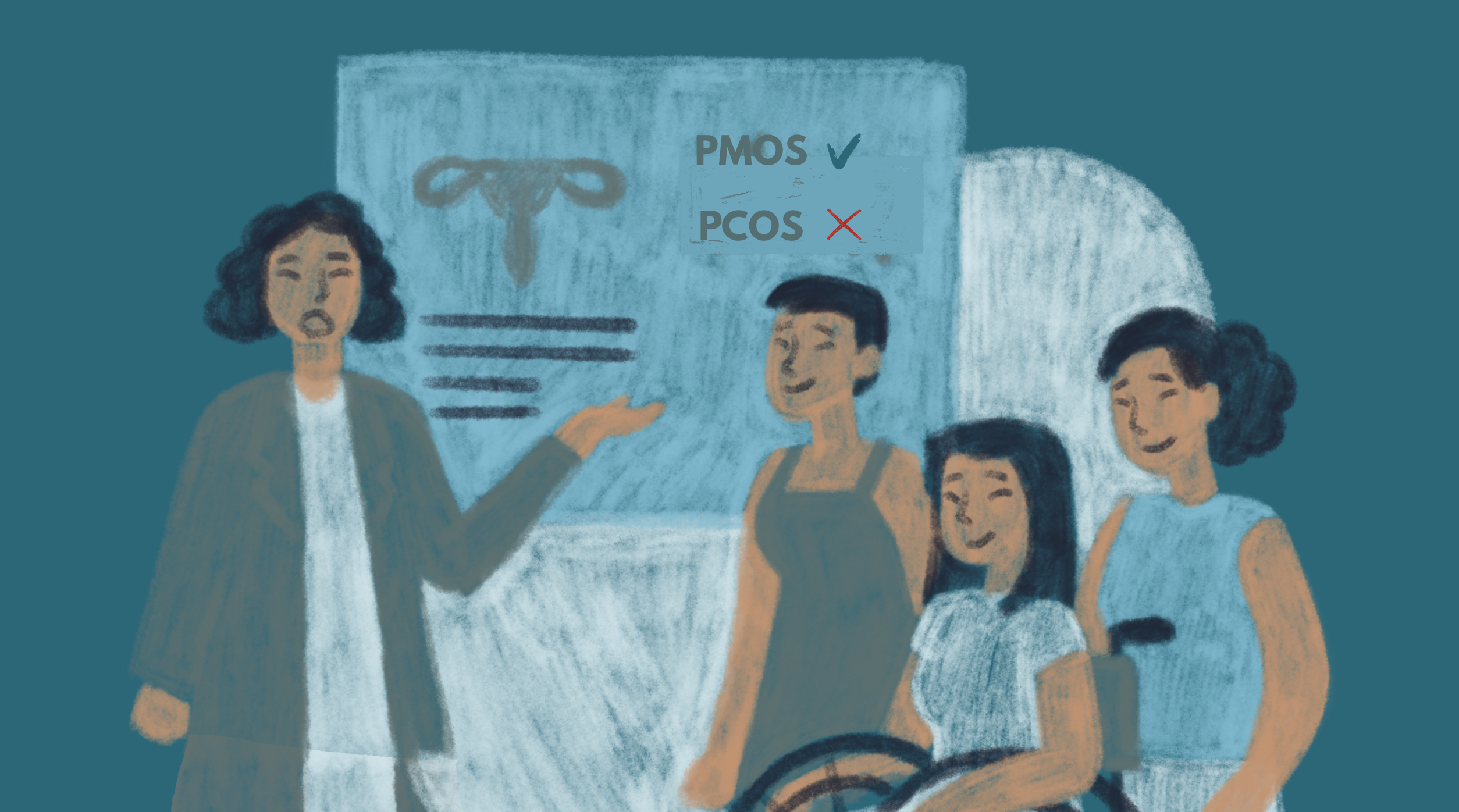
A May 2026 paper published in The Lancet announced that Polycystic Ovarian Syndrome (PCOS) had been renamed Polyendocrine Metabolic Ovarian Syndrome (PMOS). This change followed a 14-year global process involving 56 leading academic and clinical organisations, as well as survey responses from more than 14,360 people worldwide. The term PCOS relied on the presence of ovarian cysts to diagnose the condition, which obscured its true nature as a complex, multisystem hormonal and metabolic disorder. The new name acknowledges the multiple interacting hormonal disturbances involved in the condition, including insulin dysregulation, elevated androgen levels, and neuroendocrine dysfunction.
According to the World Health Organisation, PMOS affects more than 170 million women worldwide, meaning that approximately one in eight women has PMOS. Yet up to 70 per cent of women with the condition remain undiagnosed.
Although the clinical and scientific community has now moved toward greater accuracy, a more pressing problem persists in low-income communities across India, one that a name change alone will not solve.
The renaming of this disorder matters because, for decades, the limited understanding of PMOS contributed to delayed diagnoses and perpetuated stigma. The effects of this were borne disproportionately by marginalised patients. Although the clinical and scientific community has now moved toward greater accuracy, a more pressing problem persists in low-income communities across India, one that a name change alone will not solve.
Field evidence from Aali: what silence looks like on the ground
PMOS in India is not merely experienced as a hormonal disorder; it is experienced through the lens of femininity, fertility, and marriageability. Women and girls frequently conceal their symptoms, avoid gynaecological consultations, and delay treatment to avoid the social consequences associated with a diagnosis. This is particularly true in low-income communities, where access to stigma-free healthcare is limited and social surveillance of women’s bodies and reproductive lives is especially intense.
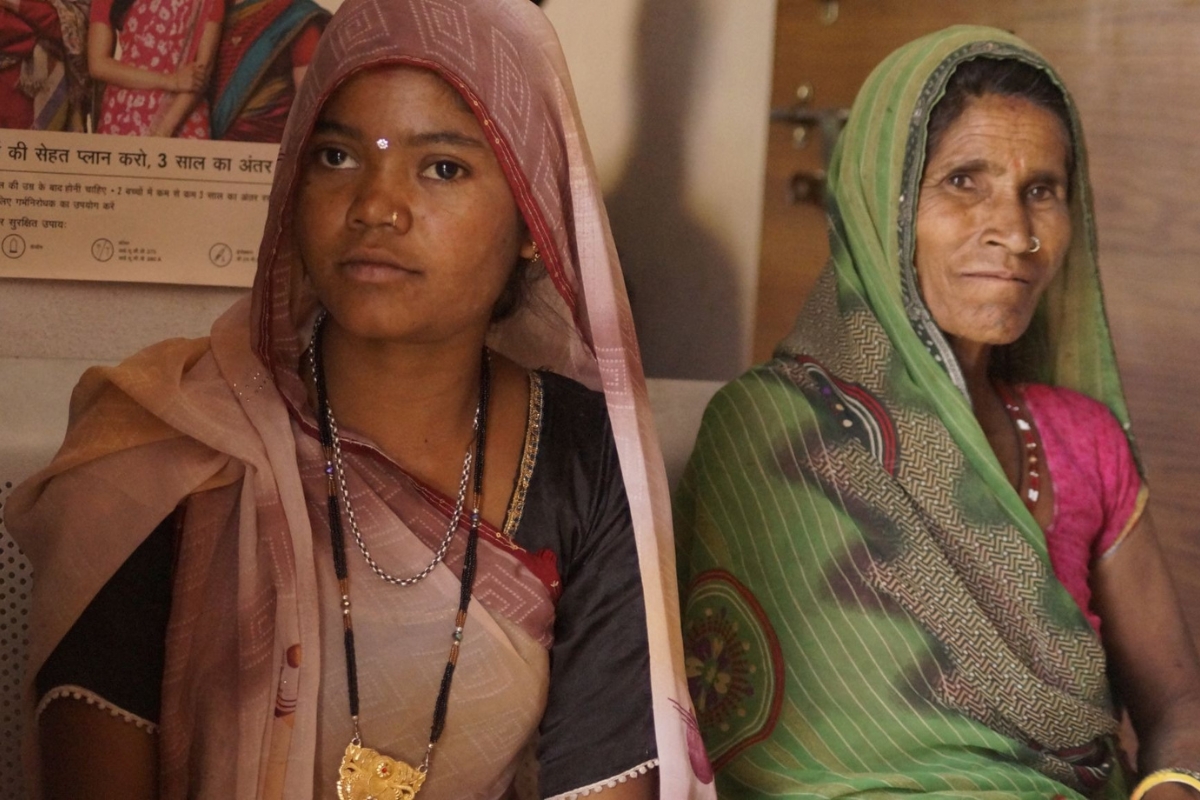
The Aali area of South Delhi, where I conducted my fieldwork, is densely populated and consists predominantly of migrant families from Uttar Pradesh, Bihar, and Punjab, most of whom earn their livelihoods through informal work. According to the 2011 Census, the female literacy rate in Aali was 72.77 per cent, compared with a male literacy rate of 90.50 per cent. The female sex ratio stood at 853, compared with Delhi’s average of 868. These figures reflect a structural context in which adolescent girls have limited access to education, healthcare, and information, with reproductive health information being particularly scarce.
In the urban slums of New Delhi, among the adolescent girls who form the subject of this article, PMOS had no name at all. There exists a social taboo against discussing the condition, which is sustained by family discomfort. And this silence and the gaps it creates are increasingly filled by misinformation.
In the urban slums of New Delhi, among the adolescent girls who form the subject of this article, PMOS had no name at all. There exists a social taboo against discussing the condition, which is sustained by family discomfort. And this silence and the gaps it creates are increasingly filled by misinformation. Girls experiencing symptoms such as irregular periods, acne, weight gain, or excess facial hair often had little understanding of why these changes were occurring, and they lacked the knowledge to recognise these experiences as symptoms of a treatable condition.
I conducted my fieldwork among adolescent girls aged 11 to 18 in Delhi’s Aali Village over a period of eight weeks. During this time, several key findings emerged. First, awareness of PCOS as a named medical condition was virtually absent. Secondly, the girls expressed that topics related to women’s reproductive health and menstruation were not openly discussed in schools or even at home. Thirdly, the girls had encountered misinformation about women’s reproductive health on social media — primarily on Instagram and YouTube — which was often inaccurate and sensationalised.
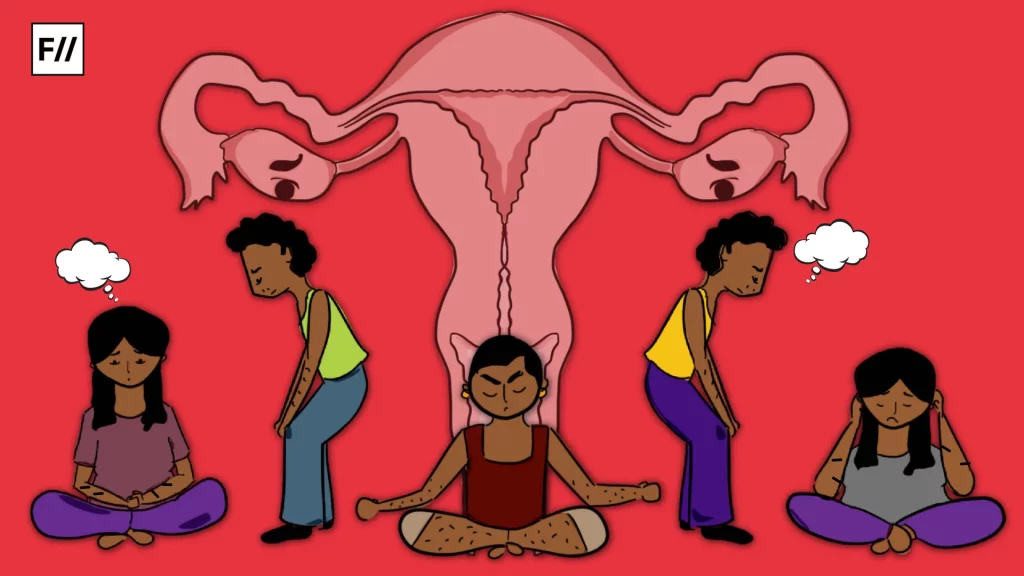
Mothers and other women relatives in the family, despite having more knowledge about menstruation and women’s reproductive health, did not discuss it openly. Whereas, fathers, brothers, and other men in the family were almost entirely absent from any conversations about reproductive health. The household, which should be the first place for a child to gain knowledge, had instead become a site of resolute silence.
What the renaming does and doesn’t address
The renaming of PCOS to PMOS represents a significant advancement in medical science. By removing the misleading reference to cysts and foregrounding the polyendocrine and metabolic dimensions of the condition, the new name will facilitate more accurate diagnosis while also helping reduce the stigma in both the societal and clinical settings. However, the impact of this renaming is, at present, largely confined to clinical and academic spheres.
In communities like Aali, people have little knowledge about the condition, so the impact of the renaming is hardly felt. The structural conditions in these communities, such as poverty, gender inequality, familial silence, and inadequate health infrastructure, produce ignorance, stigma, and delayed diagnosis and remain unaffected by this terminological reform.
In communities like Aali, people have little knowledge about the condition, so the impact of the renaming is hardly felt. The structural conditions in these communities, such as poverty, gender inequality, familial silence, and inadequate health infrastructure, produce ignorance, stigma, and delayed diagnosis and remain unaffected by this terminological reform.
Along with the renaming of the condition, in places like Aali, community interventions are also required. Interventions that bring accurate information about PMOS to the places where young women and adolescent girls actually live, in languages they can understand, through channels they can access, and with the involvement of community health workers who can shape their health-seeking behaviour.
The way forward
The renaming of PCOS to PMOS needs to travel much further than the pages of The Lancet. The evidence gathered through my fieldwork points to several concrete steps that can be taken to achieve this.
For one, reproductive education must begin at an earlier stage and should reach communities where it is not currently provided. Girls often reach adolescence without foundational knowledge of their own bodies. Therefore, an effective intervention must begin with basic education about puberty and menstruation before it can address PMOS.
ASHA and Anganwadi workers are the most scalable route for PMOS awareness at the community level in India. Accurate, destigmatised information on reproductive health, and the integration of PMOS into existing maternal and adolescent programmes, would significantly extend reach. Integrating PMOS-related knowledge should be a policy priority, not an afterthought.
Family engagement is also crucial, and awareness sessions with adolescent girls and their families should be conducted in an accessible language. However, it must also be kept in mind that such sessions are not enough. Changing household norms that reinforce silence and stigma is critical, and this must be done in a culturally sensitive manner.
Community health workers must also be trained and provided with adequate resources. ASHA and Anganwadi workers are the most scalable route for PMOS awareness at the community level in India. Accurate, destigmatised information on reproductive health, and the integration of PMOS into existing maternal and adolescent programmes, would significantly extend reach. Integrating PMOS-related knowledge should be a policy priority, not an afterthought.
Furthermore, the psychological burden of PMOS — anxiety, fear, and stigma — must not be considered secondary to the physical symptoms. Most women and girls diagnosed with PMOS experience this at some point or another, and it must be addressed, particularly in communities where there is little existing knowledge of mental health and emotional well-being. Finally, it is necessary to address the structural conditions of the food environment in these communities.
The renaming is an important act of scientific rectification. However, the correction will only go so far as long as the condition remains unnamed and unrecognised in the communities where its burden is felt most acutely. PMOS is not solely a biomedical condition; rather, it is a socially embedded development concern, one that sits at the intersection of gender, class, accessibility, and silence.
For PMOS to signify anything other than a simple terminological adjustment, there needs to be investment in diagnostic equity, health education at the community level, and policy recognition that reproductive health is developmentally critical.
A new name is only the beginning; the real work lies in what surrounds the diagnosis. This includes ensuring that women in low-income households have access to ultrasound services and that frontline health workers are trained to recognise symptoms beyond fertility-related complaints. Women should be able to seek care before the condition progresses and leads to long-term distress.
For PMOS to signify anything other than a simple terminological adjustment, there needs to be investment in diagnostic equity, health education at the community level, and policy recognition that reproductive health is developmentally critical, and not just a silent struggle disproportionately affecting those who are most disadvantaged.
About the author(s)

Mahliqa Khan holds a Master's degree in Development from Azim Premji University, Bengaluru, and is a development practitioner, researcher, and writer with a keen interest in gender, community health, and social justice. Through her work in research, policy, and grassroots engagement, she explores the lived experiences of women and marginalised communities to advocate for more inclusive and evidence-based development.